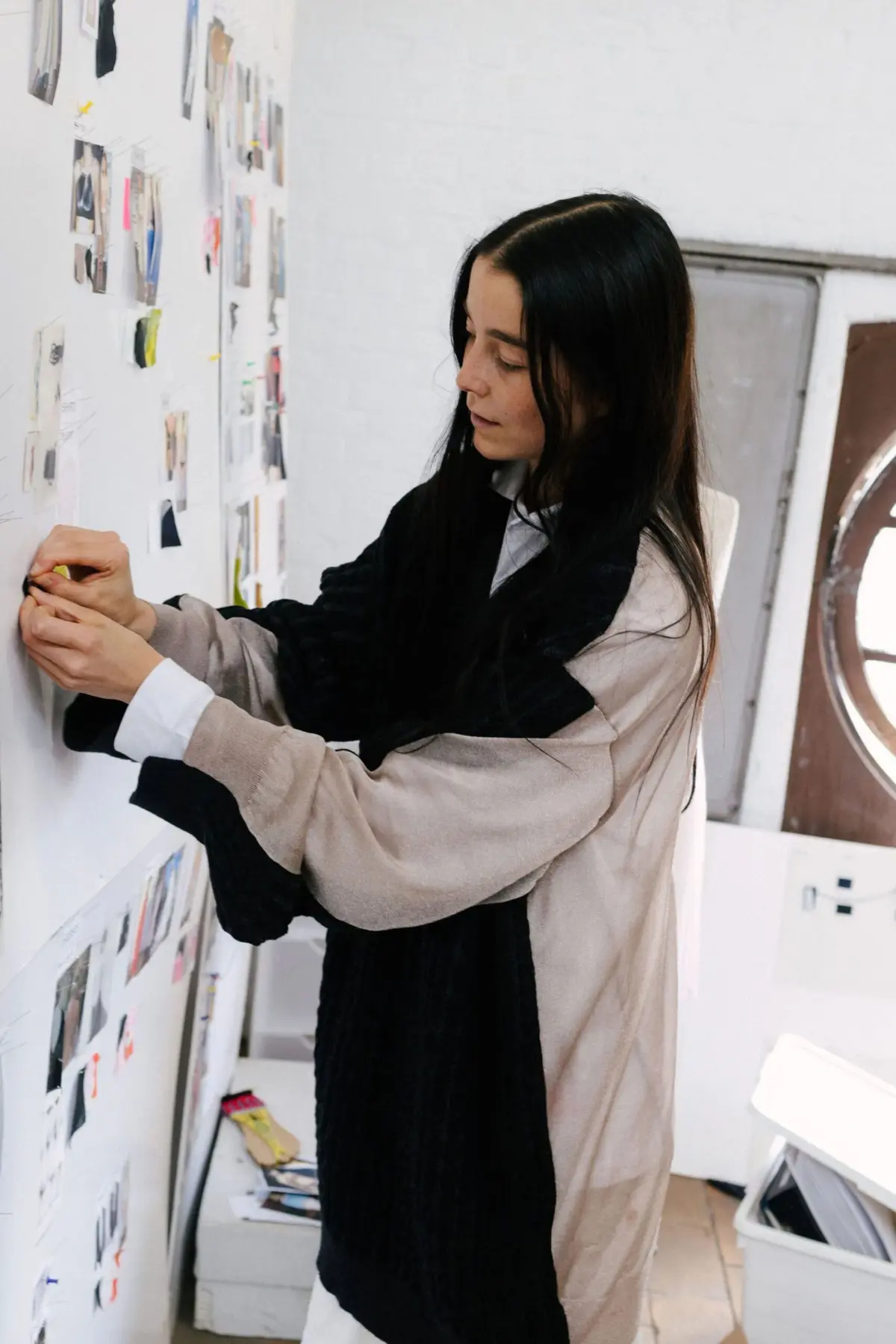






It was a decisively sari-free zone as contemporary fashion brand Lovebirds made its official London Fashion Week debut. Founded by the designer duo Gursi Singh and Amrita Khanna, the label arrived on the international stage with a thoughtfully curated collection entitled “India: IYKYK”—a playful nod to the internet acronym meaning "if you know, you know." The primary objective behind the debut was as ambitious as it was refreshing: to dismantle tired preconceptions about Indian culture and fashion, offering global audiences a modern, nuanced perspective on the country’s aesthetic identity.
Rather than leaning into traditional tropes that often dominate international expectations of South Asian design, the creative minds behind Lovebirds chose a deeply personal and introspective route. They looked inward to their own upbringing and collective memories of home, steering clear of predictable imagery to present an authentic slice of contemporary Indian life.
“We actually revisited our collective memory of the country, staying away from the clichés. We went slightly further to show what our home is about,” explained Gursi Singh, outlining the philosophy that guided the development of the London Fashion Week presentation.
Exploring Heritage Through a Contemporary Lens
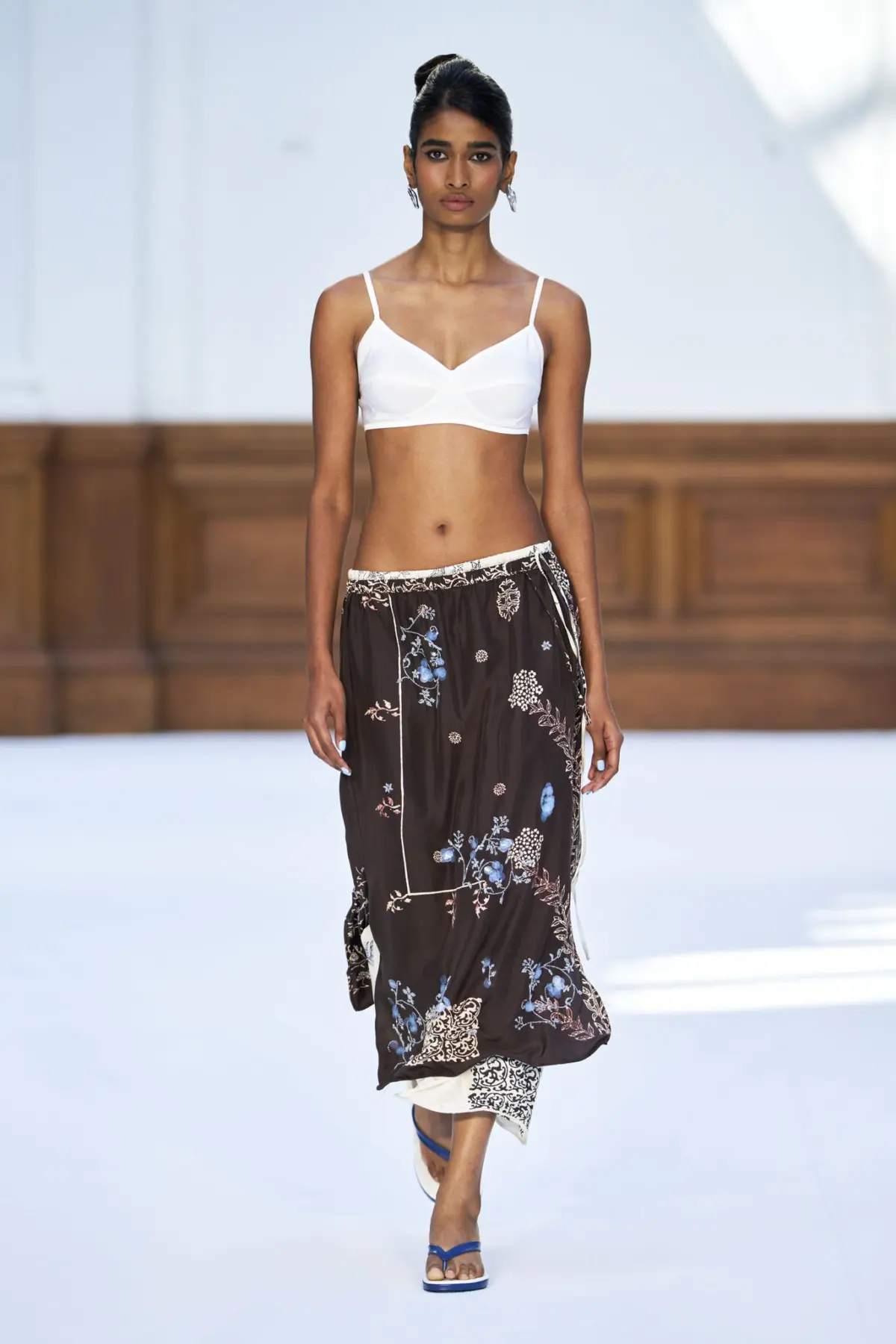
Central to the collection’s narrative was a rigorous exploration of indigenous textile heritage, most notably traditional chintz. The designers sought to engage with the historical fabric not as a museum artifact, but as a living, breathing medium capable of speaking to the modern wardrobe.
“We’re really excited about that. We’re not reinventing it, but we are making it slightly more relevant,” Singh noted regarding their approach to the centuries-old craft.
To achieve this, Singh and Khanna collaborated closely with skilled block-printing artisans. Together, they embarked on a process of reworking, disrupting, and re-layering classic chintz blocks. Pushing the boundaries of traditional application, the designers trained artisans to delicately brush over the printed cloth entirely by hand, introducing an organic, painterly quality to the textiles.
This modern interpretation of chintz manifested in striking floral prints adorning roomy, embroidered black jackets, trousers, and shorts. The intricate motifs also graced sheer, fluttery skirts and lightweight tops, creating a dynamic interplay between structure and fluidity throughout the runway presentation.
The timing of this textile exploration serves as a fitting precursor to a major upcoming cultural event in the British capital. Next September, London’s prestigious Victoria and Albert Museum is set to launch a major exhibition dedicated entirely to "Chintz," looking back over four centuries of the colorful, hand-drawn fabric that originated in south India and went on to captivate global trade markets. By showcasing a contemporary iteration of the textile on the fashion week calendar, Lovebirds effectively anticipated this cultural momentum, bridging historical appreciation with modern sartorial expression.
Nostalgia and Graphic Storytelling
The collection’s narrative depth extended beyond historical textiles into the realm of personal and collective nostalgia. In one standout segment, the designers transformed handmade linen fabric into a charming blue-and-white checkerboard pattern. This textile served as the foundation for youthful babydolls and long, elegant strapless dresses.
Adding a distinct layer of narrative irony and visual texture, these pieces were printed with vintage school chart graphics sourced from the 1970s and 1980s. These decades coincided with the designers’ own childhoods, evoking a specific era of educational posters depicting botany, anatomy, and geography in Indian classrooms.
“This is the India we already know. We are just looking at it through the contemporary fashion lens,” said Amrita Khanna, who handled the styling for the presentation. To ground the elevated garments in effortless everyday reality, Khanna paired the looks with casual flip-flops, while other ensembles were elevated with sleek kitten heels, striking a deliberate balance between comfort and sophistication.
A Spectrum of Textures and Silhouettes
The runway presentation offered a rich variety of silhouettes and surface treatments that highlighted the brand’s technical prowess and experimental design philosophy. Standout looks included breezy cotton shirtwaist dresses that exuded effortless elegance, alongside shorter, strappier options defined by intricate folds and meticulous pin tucks rendered in a soft rainbow of pastels.
Texture played a crucial role in maintaining visual interest across the lineup. Sheer layered skirts and trousers sparkled subtly with delicate embroidery, catching the light with every movement. Similarly, graphic dots featured prominently on dresses, applied through meticulous hand-block-printing techniques that underscored the human element inherent in the brand’s production process.
While the collection was universally praised for its affectionate and tactile celebration of fabric, the designers’ exuberance occasionally resulted in an overabundance of material. Certain pieces featured large pannier-style pockets billowing at the sides, while a multitude of car-wash pleats sprouted dynamically from both tops and skirts, threatening to overwhelm the cleaner lines of the garments.
Nevertheless, these minor excesses did little to detract from the overall charm of the presentation. Ultimately, the collection delivered a sweet, intimate view of India that successfully invited international show guests to look far beyond the familiar associations of saris, spices, and baskets of marigolds, establishing Lovebirds as a fresh and vital voice on the global fashion calendar.