





This month in the fashion industry brings a complex mix of financial turbulence, shifting consumer trends, and structural roadblocks to true sustainability. From the rocky public market debut of ultra-fast-fashion giant Shein and the unseen profit pipelines of charity shop exports, to the surprising contraction of size-inclusive clothing ranges in the era of new weight-loss drugs, the global apparel sector faces profound questions. Meanwhile, sustainable brands continue to grapple with economic models that favor overproduction, and ethical concerns mount over how the financial burden of decarbonisation is being distributed across global supply chains.
SHEIN Shares Slide on Fast-Fashion Retailer’s Stock Market Debut
Shein’s long-anticipated debut on the Hong Kong stock exchange got off to a difficult start, with its stock falling as much as 10% in the minutes immediately following its launch. This sharp drop effectively pushed down the ultra-fast-fashion retailer’s overall valuation right out of the gate.
The rocky rollout marks the latest in a series of significant hurdles for the company as it attempts to transition into a publicly traded entity. Previous efforts by the retailer to float on both the New York and London stock exchanges were repeatedly blocked or stalled amid intense public scrutiny and regulatory questions regarding its opaque supply chain practices and allegations of labor exploitation. The cooling reception in Hong Kong underscores the growing financial and reputational risks associated with the ultra-fast-fashion business model as investors and regulators demand greater transparency and accountability.
While Volunteers Keep Charity Shops Alive, a Billionaire Prince is Profiting
An investigative report by Tansy Hoskins published in The Telegraph has shed light on a surprising financial pipeline running from local charity shops to the pockets of European royalty. The investigation reveals that the profits generated from exporting unsellable clothing items donated by well-meaning members of the public to charity shops are ultimately making their way to an unexpected beneficiary: the Crown Prince of Liechtenstein.
This long-read investigation explores the intricate and often strange commercial structures that underpin the global second-hand clothing export business. It highlights a stark disconnect between the community-driven, volunteer-powered nature of high-street charity retail and the lucrative international commodities trade that deals in the millions of tons of textiles left over after local shoppers have had their pick.
Why Fashion’s Economics Work Against Sustainable Brands
The economic realities of the modern apparel industry continue to present steep barriers for brands attempting to build circular and environmentally conscious business models. Following the recent bankruptcy of pioneering denim brand MUD Jeans, Shayeza Walid explored these systemic challenges in a briefing for Business of Fashion.
Walid highlighted the heavy financial burdens that more sustainable brands must shoulder independently, including the immense costs associated with circularity, recycling infrastructure, and end-of-life care for clothing. Traditional fashion economics inherently reward companies for maximizing volume—making and selling more garments at lower costs—while penalizing brands that invest in longevity and sustainable materials. "Asking individual businesses to build a more sustainable fashion system will only get the industry so far if the economics of the existing one continue to reward making and selling more," Walid wrote, emphasizing that incremental choices by conscious brands cannot overcome systemic market incentives without broader structural reform.
Where Did all the XXL Clothes Go? Fashion Brands are Scrapping Plus Sizes in the GLP-1 Era
A notable shift is occurring in mainstream retail as major fashion brands quietly reduce the size inclusivity of their clothing ranges, casting doubt on years of progress toward body diversity. With the widespread adoption of GLP-1 weight-loss drugs across the United States, retailers are increasingly shrinking their size availability, leaving many shoppers struggling to find garments that fit.
This contraction has driven a growing number of consumers toward secondhand marketplaces as they hunt for clothing in extended sizes that high street retailers have begun to phase out. While some brands and retailers attempt to justify the reduction by pointing to a purported drop in demand, industry experts argue that this explanation does not reflect reality. Instead, experts suggest that finding well-fitting clothes across a genuinely diverse range of body shapes and sizes remains a major, unmet need for a large segment of consumers.
Global Fashion Brands’ Purchasing Practices Are Shifting Financial Pressure of Decarbonisation Onto Suppliers
Efforts by major apparel brands to green their operations are hitting a major ethical hurdle further down the supply chain. According to tracking data from the Business and Human Rights Centre, the immense financial costs associated with industry decarbonisation initiatives are largely being shifted away from wealthy brands and onto their manufacturing suppliers.
Labor leaders have expressed deep concern over this dynamic, noting that corporate sustainability targets and climate roadmaps do not automatically translate into better working conditions or fairer compensation for factory workers. When brands demand costly environmental upgrades without increasing purchasing prices or offering financial support, the economic pressure cascades down to the most vulnerable links in the global fashion supply chain.
"Good" and "Great" News
Every month brings news and product highlights from highly rated brands that have been assessed through rigorous evaluation systems. Using designated codes and affiliate links helps support independent reporting and editorial work.
"Good" Brand Svala Creates New Material For Vegan Tote Bag
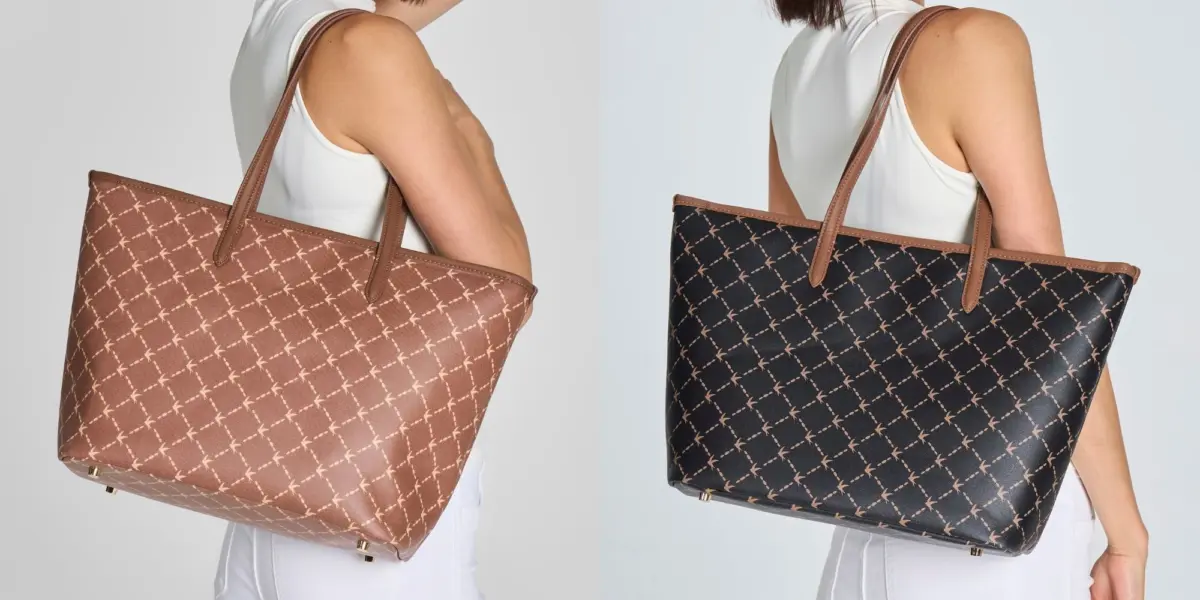
After some of its long-relied-on next-generation materials—such as MIRUM and Piñatex—became unavailable, ethical accessories brand Svala found an innovative way forward. The brand partnered with a specialist manufacturer to create a brand-new vegan tote bag named the Vita.
The bag utilizes a printed coated canvas made from GOTS-certified organic cotton, finished with a durable, PVC-free thermoplastic polyurethane (TPU) coating. The material is produced in collaboration with a specialist coated-canvas manufacturing facility in China that is actively working toward achieving B Corporation certification by 2027.
Editor’s Note
Independent platforms publish comprehensive ratings of fashion and beauty brands, evaluating their direct impact on people, the planet, and animals. Consumers can explore thousands of independently rated brands through public brand directories.