




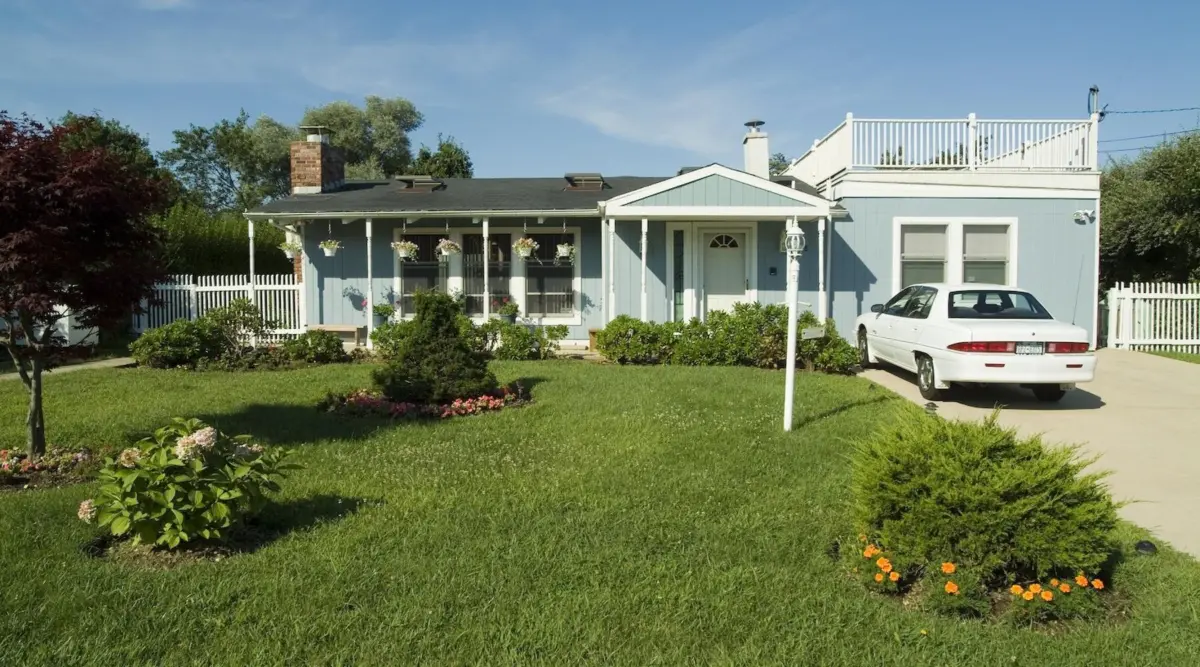
A compelling look back at mid-century residential design has resurfaced through archival photography documenting Leisurama homes in the early 2000s. Captured by photographer Michael Northrup and shared courtesy of designer Paul Sahre, these historic images offer a rare window into the legacy of one of America’s most ambitious post-war prefabricated housing experiments. The photographs highlight the unique architectural characteristics of these compact, fully furnished vacation homes, which were originally marketed to the mid-century American middle class as an attainable slice of modernism and seaside leisure.

The history of Leisurama dates back to the early 1960s, a period marked by rapid suburban expansion, economic optimism, and a burgeoning interest in leisure living. Developed as a collaborative project between industrial design and mass-production building techniques, Leisurama homes were famously promoted and sold through major department stores, most notably Macy’s. Consumers could literally walk into a New York department store, browse model layouts, and purchase a fully equipped vacation home complete with furniture, appliances, silverware, and even towels down to the toothbrushes. These prefabricated dwellings were primarily erected in planned communities, such as Montauk on Long Island, New York, where families could escape the pressures of urban life and embrace a streamlined, modern aesthetic.

The architectural appeal of Leisurama lay in its efficient use of space, clean horizontal lines, and seamless integration with the surrounding natural landscape. Despite their modest square footage, these homes utilized expansive windows, open-plan living areas, and clever storage solutions to create a sense of light and airiness. They represented an era when innovative design was increasingly democratized, making architecturally inspired living accessible to everyday families rather than just wealthy patrons. Over the decades, many of these original structures have undergone modifications, expansions, or have been lost entirely to real estate development, making archival visual documentation increasingly valuable for architectural historians and preservationists.

Michael Northrup’s early 2000s photographs serve as an important visual bridge, capturing the homes before subsequent waves of modern renovation and gentrification transformed many of the original neighborhoods. Through these images, viewers can observe how the residences aged into the 21st century, retaining their distinct mid-century character amidst changing coastal landscapes. The preservation of this visual record, championed by figures like Paul Sahre, underscores a broader contemporary fascination with the ideals of post-war design, mass manufacturing, and the evolution of the American vacation home. As architectural interest in mid-century prefab structures continues to grow among designers and historians alike, the legacy of Leisurama remains a fascinating chapter in the intersection of consumer culture, industrial design, and domestic architecture.