




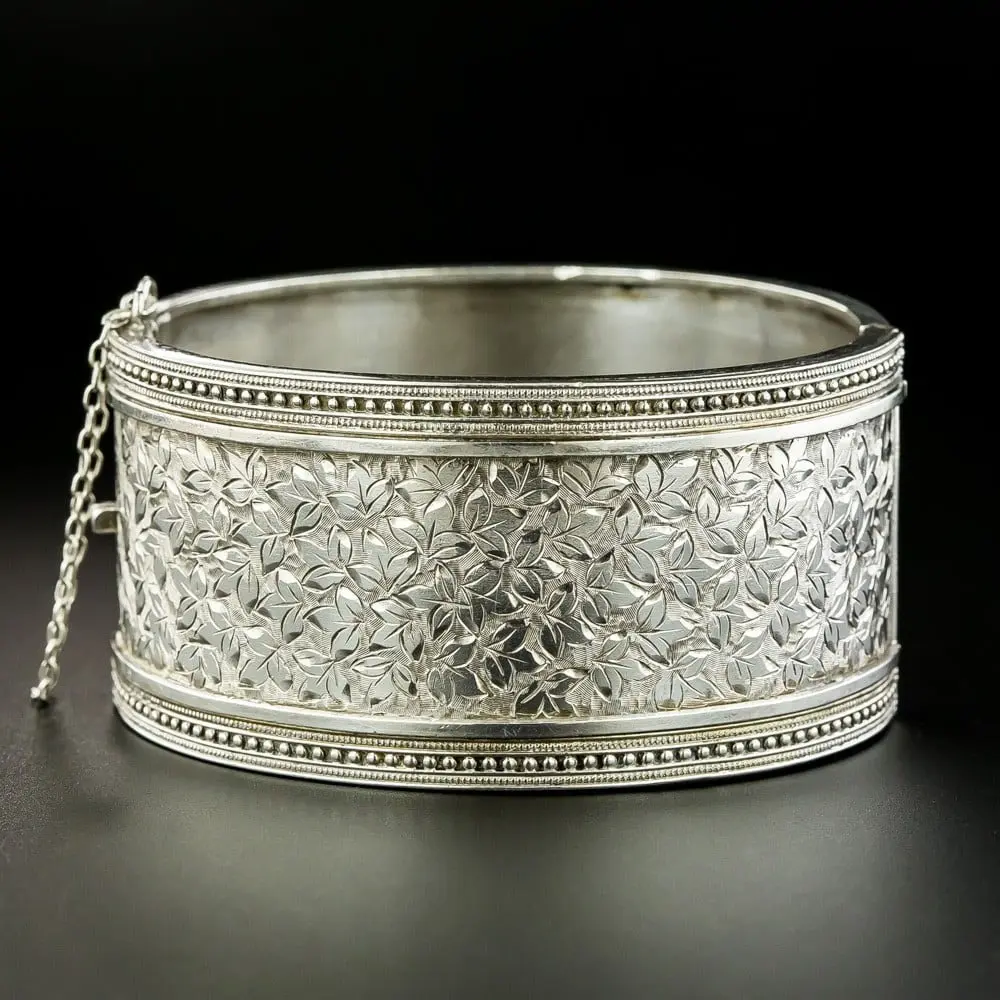
Silver, the brilliant white metallic element bearing the chemical symbol Ag, occupies a unique and enduring space in human history. Harder than gold yet softer than copper, it stands second only to gold in its exceptional malleability and ductility. Beyond its physical properties, silver is celebrated as an outstanding conductor of heat and electricity and ranks among the noble metals due to its remarkable resistance to oxidation. Throughout human civilization, this versatile element has played a foundational role in the creation of fine jewelry and objets d’art, traditionally alloyed with other metals to provide the structural integrity needed to maintain complex shapes and intricate details.
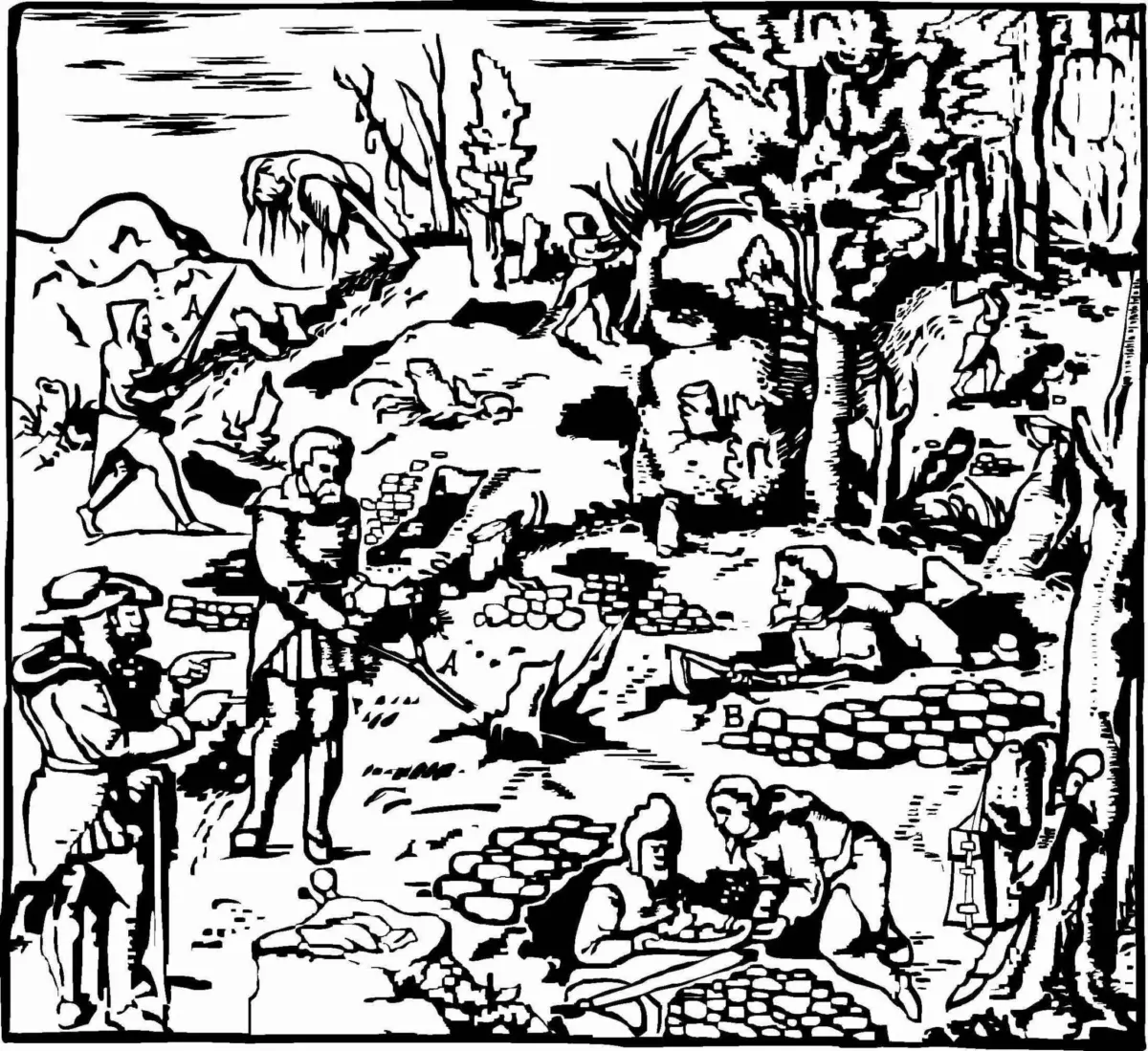
While modern markets often price silver well below precious counterparts like gold or platinum, viewing it as a secondary metal is a profound historical error. At various epochs, silver has commanded higher valuations than gold. When examining the sheer volume of material utilized across the history of jewelry, silver outweighs all other precious metals by a substantial margin. Furthermore, the pursuit and processing of silver have driven far more technological advancements in mining and metallurgy than any other precious metallic cousin. Entire geopolitical economies have risen and fallen on the availability of silver, and access to its rich deposits has frequently dictated the outcomes of wars and the trajectory of human history.
Bronze Age Origins and Early Civilizations
The story of silver truly begins near the close of the fourth millennium BCE, when ancient innovators in modern-day Turkey discovered that silver could be successfully extracted from lead through the process of cupellation. Although surviving artifacts from this nascent period are exceptionally rare, those that endure reveal the astonishing technical capabilities of Bronze Age silversmiths.
At the dawn of recorded history, silver served as a primary form of currency in Mesopotamia. Rather than circulating as standardized coins, it was measured by weight or shaped into functional rings. The workshop of the Mesopotamian silversmith closely mirrored—and was frequently shared with—that of the goldsmith. Although silver possesses slightly less ductility than gold and demands more frequent annealing during manufacturing, it remains remarkably versatile. Artisans could cast it, hammer it into gossamer-thin sheets, engrave it, emboss it, execute delicate repoussé work, and enhance it with intricate filigree and granulation. Archaeological discoveries of ancient vessels, statuettes, and jewelry confirm that these early craftsmen worked with high-purity silver, yielding objects of exquisite softness.
In ancient Egypt, the cultural fascination centered on the rare and the exotic. The Egyptians placed immense value on materials sourced from distant lands, such as the prized lapis lazuli imported from Afghanistan along treacherous trade routes. Silver traveled along these very same paths, arriving in Egypt to be celebrated as an exceptionally exclusive commodity. Because domestic gold was readily available in the mountains of the Eastern Desert and Nubia—and perhaps supplemented by native electrum—pure silver had to be imported from afar. Consequently, it was initially valued higher than gold and reserved exclusively for society’s elite.
By roughly 1600 BCE, an increase in supply caused the relative value of silver to drop to about half that of gold, establishing it as a widely accepted, abstract currency of stable value. Its popularity, however, remained subject to the shifting whims of fashion. The burial of King Tutankhamun contained remarkably few silver objects, whereas later pharaohs, such as Sheshonq II, were entombed within an entirely silver sarcophagus.
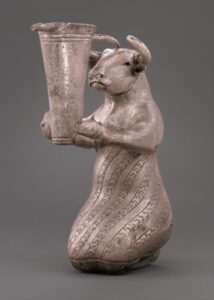
In the Aegean, the Minoans and, subsequently, the Mycenaeans operated as prolific traders who regularly handled large quantities of silver. Excavations across the Greek mainland, Crete, and Cyprus have yielded substantial collections of early Greek silver jewelry. Meanwhile, the Phoenicians exerted a profound influence on Mediterranean civilization through expansive trade networks and colonization. By initiating the large-scale exploitation of Spanish silver deposits, the Phoenicians distributed the metal across the classical world on an unprecedented scale, permanently shifting silver away from its former status as an ultra-exclusive luxury.
The Classical Era: Currencies, Empires, and Pliny’s Account
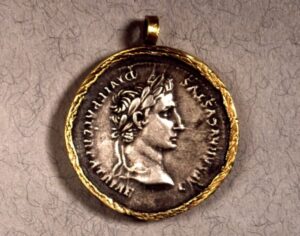
To both Greek and Roman societies, a reliable supply of silver was an absolute necessity, underpinning the stability of their minted coinages. While gold artifacts survive from the classical era in greater numbers—partly due to the frequent remelting and recycling of silver items—surviving pieces demonstrate that silver was fashioned into every conceivable type of personal adornment, including finger rings, anklets, and armlets.
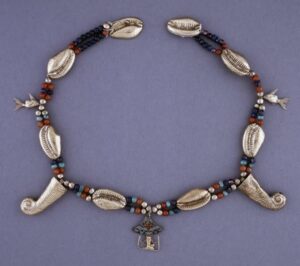
The Romans developed a particular fondness for niello, a surface decoration technique resembling enameling but executed using silver sulfate rather than glass. Niello yielded a much tougher finish with a distinctive metallic luster, a technique that subsequently spread throughout Northern and Eastern Europe during the Roman occupation.
Our deepest insights into the Roman relationship with silver come from the skeptical and observant eye of Pliny the Elder in his Naturalis Historia. Describing the silver mines of Spain, Pliny noted the immense labor required to extract the ore from deep shafts, observing that Hannibal’s ancient mines at Bébelo still produced three hundred pounds of silver per day centuries after their initial discovery. He documented the strict testing methods employed by Romans to determine silver quality—such as heating a piece upon an iron fire-shovel at a white heat to observe discoloration—as well as the lavish extravagance of his contemporaries. Pliny lamented the shifting fashions of silver plate, noting how wealthy citizens progressed from simple tableware to covering carriages in chased silver, illustrating a culture increasingly intoxicated by opulence.
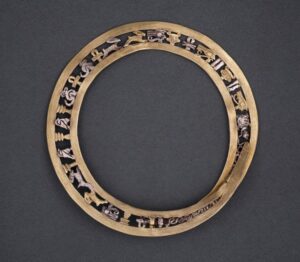
Celtic and Medieval Transformations
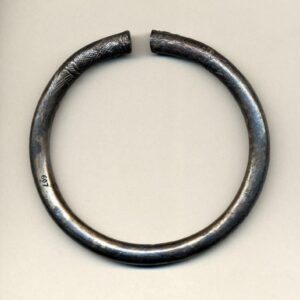
Celtic tribes relied heavily on silver alongside bronze to create decorated brooches, torcs, and lunulae. Prior to the Roman invasions, Celtic economies utilized "ring money"—standardized rings of silver, copper, bronze, or gold intended strictly as a medium of exchange rather than for personal adornment.
Following the collapse of Roman supply lines, gold grew exceptionally rare in Europe, catapulting silver to the forefront of jewelry production. Germanic jewelry during this period emphasized functional items such as fibulae, disc brooches, penannular brooches, and belt buckles, frequently fashioned from silver, occasionally gilded, and inlaid with precious stones, with garnets reigning as the absolute favorite.
By approximately 800 CE, Viking expansions across Northwest Europe channeled vast quantities of silver into Scandinavia, where silversmiths established thriving traditions of silver adornment. This trend was further amplified around the turn of the first millennium by the discovery of rich silver deposits in Sweden. The niello technique previously favored by the Romans was eagerly adopted by Germanic tribes, who utilized the stark black-and-white contrast to highlight intricate engraving patterns, a masterwork of which is exemplified by the Anglo-Saxon Fuller Brooch housed in the British Museum.
As medieval society evolved and Eastern trade routes reopened, gold reclaimed its status as the premier metal for elite jewelry. Nonetheless, expanding trade enabled a growing middle class to adopt personal adornments previously restricted to monarchs, with budget-conscious buyers turning enthusiastically to silver. By the close of the Middle Ages, the trade in silver jewelry and silverware became strictly regulated through the introduction of systematic hallmarking.
Renaissance, Baroque, and Georgian Developments
The Renaissance brought renewed intellectual and economic vigor to Europe, supported by expanding trade networks and urban growth. Following the Spanish conquest of the Americas in the sixteenth century, vast quantities of South American silver flooded European markets, sourced from newly discovered deposits in regions like modern-day Mexico. This abundant supply ensured that silver remained accessible as both a reliable currency and an affordable precious metal for jewelry production.
During the Baroque period spanning the seventeenth century, the influx of South American silver continued unabated. This era introduced exciting novelties, including the creation of portable timepieces crafted in silver and the innovative practice of setting diamonds in silver white metal settings. The reflective white surface of silver perfectly complemented the colorless brilliance of diamonds, which were now arriving directly from India via newly established European trading posts.
This diamond-setting technique matured during the Georgian era, buoyed by booming silver production in South America and the discovery of rich new diamond and silver deposits in Brazil beginning in 1727. While fine jewelry frequently paired gold bases with silver-topped fronts to securely hold diamonds in cut-down collet settings, solid silver items remained common. Furthermore, the introduction of die striking in 1777 revolutionized manufacturing. By stamping and cutting precious metal components using mechanical presses, artisans could rapidly assemble jewelry, heralding the advent of mass production and flooding the market with affordable silver items.
The Industrial Era and Victorian Silver
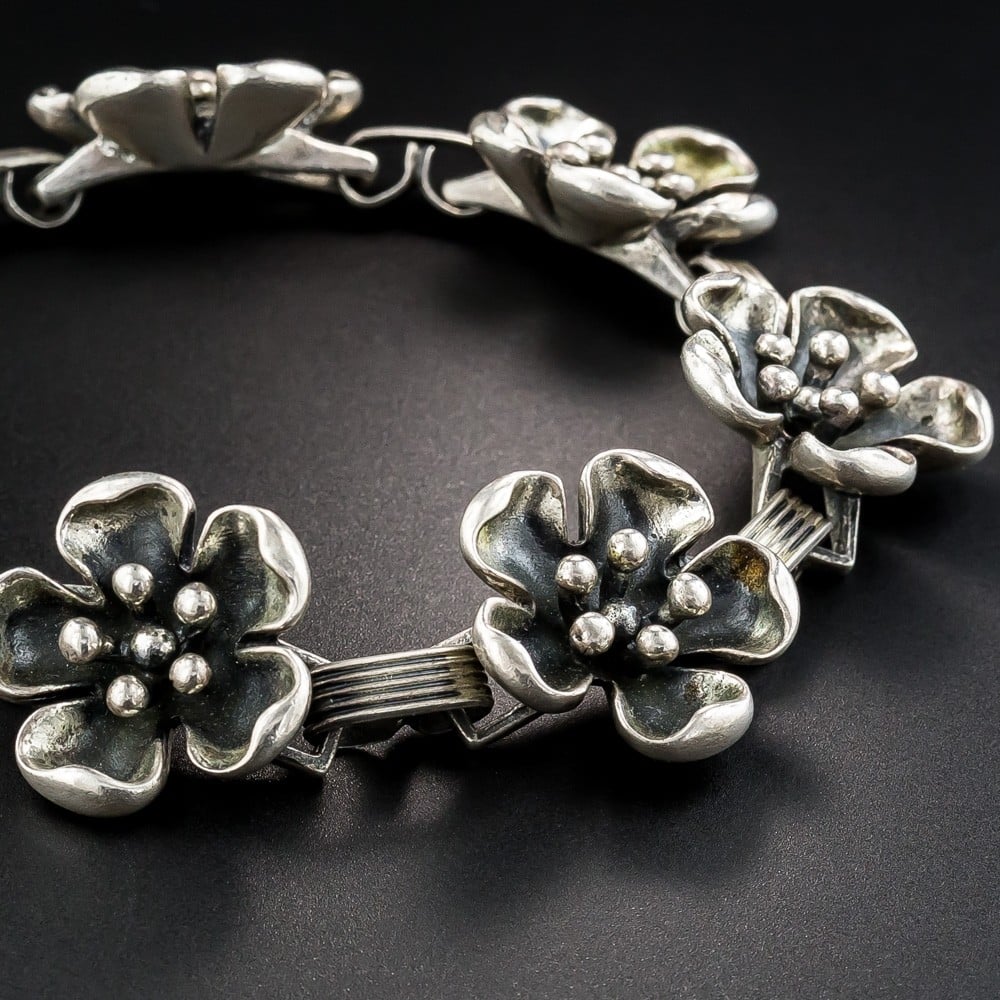
The Industrial Revolution of the nineteenth century transformed jewelry manufacturing. Silver was utilized extensively in mechanized stamping and die-striking processes, which had been perfected over decades. Cultural shifts also drove fashion trends; following Queen Victoria and Prince Albert’s acquisition of Balmoral Castle in 1848, Scottish agate jewelry surged in popularity, predominantly executed in silver in accordance with Northern European traditions.

Towards the end of the Victorian era, the Arts and Crafts movement emerged as a deliberate ideological reaction against industrial mass production. Championing artistic design over the intrinsic market value of materials, Arts and Crafts artisans overwhelmingly preferred silver to gold and favored bezel-set cabochon stones over faceted gems. This philosophy cemented silver’s reputation not merely as an affordable alternative to gold, but as a distinguished, noble medium capable of conveying profound artistic expression through the centuries.