





Silver—a lustrous white metallic element designated by the symbol Ag on the Periodic Table—occupies a unique place in human history, bridging the worlds of high art, foundational technology, and global economics. Harder than gold yet softer than copper, silver is second only to gold in its exceptional malleability and ductility. It is also an extraordinary conductor of heat and electricity. Classified as a noble metal due to its remarkable resistance to oxidation, silver has for millennia served as a cornerstone for the production of fine jewelry, decorative objets d’art, and currency. Because pure silver is naturally soft, artisans have historically alloyed it with other metals to ensure it maintains its structural integrity and the intricate details imparted to it.
While modern markets often treat silver as an affordable alternative to more expensive precious metals like gold and platinum, dismissing its historical significance would be a grave mistake. At various points in human history, silver was valued more highly than gold. When examining the sheer volume of metal utilized in jewelry and decorative arts across the centuries, silver’s usage outweighs all other precious metals by a wide margin. Furthermore, the relentless pursuit of silver has historically driven technological leaps in mining and metallurgy far beyond those inspired by its metallic cousins. Entire geopolitical economies have risen and fallen on the availability of silver, and access to its subterranean deposits has frequently dictated the outcomes of wars, thereby steering the course of human history.
Bronze Age Origins and Early Civilizations
The story of silver unfolds near the end of the fourth millennium BCE, when ancient innovators in modern-day Turkey discovered that silver could be successfully extracted from lead through a metallurgical process known as cupellation. Although surviving artifacts from this nascent period are rare, those that remain offer a fascinating glimpse into the advanced capabilities of Bronze Age silversmiths.
At the dawn of written history, silver served as a primary form of currency in Mesopotamia. Rather than circulating as standardized coins, silver was exchanged by weight or fashioned into convenient ring shapes. The ancient Mesopotamian silversmith’s workshop would have looked remarkably similar to that of the goldsmith—and indeed, the two trades were frequently practiced by the same artisans. Although silver possesses slightly less ductility than gold and demands more frequent annealing during manufacturing, it can be seamlessly cast, hammered into translucent sheets, engraved, embossed, worked in repoussé, and embellished with delicate filigree and granulation. Archaeological discoveries of ancient vessels, statuettes, and jewelry confirm that high-purity silver was regularly employed, yielding remarkably soft objects.
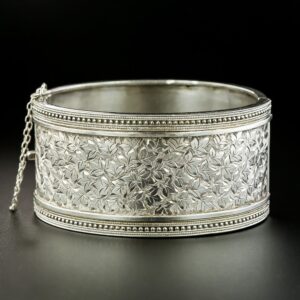
Meanwhile, the ancient Egyptians nurtured a deep cultural fascination with the rare and the exotic. Desiring materials brought from distant lands, they went to extraordinary lengths to secure Afghan lapis lazuli, arguably their most prized gemstone. Along these same sprawling trade routes, silver flowed into Egypt. Because gold could be readily sourced closer to home from the mountains of the Eastern Desert and Nubia—and potentially supplemented by natural electrum—pure silver had to be imported from afar. Consequently, silver was initially valued above gold, reserved exclusively for the upper echelons of society.
By approximately 1600 BCE, however, the value of silver had dropped to roughly half that of gold, reflecting a significant expansion in the metal’s regional supply. By this era, silver functioned as an abstract currency with a relatively stable value. Yet, its popularity remained subject to the shifting whims of fashion. The legendary burial of King Tutankhamun contained virtually no silver items, whereas later pharaohs like Sheshonq II were laid to rest within an entirely silver sarcophagus.
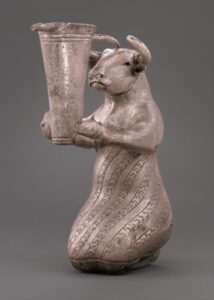
In the Aegean, the Minoans and the subsequent Mycenaeans operated as prolific traders, handling substantial quantities of silver. Consequently, early Greek silver jewelry frequently appears at archaeological sites across the Greek mainland, Crete, and Cyprus. It was the Phoenicians, however, who truly transformed the Mediterranean landscape through extensive maritime colonization and commerce. By initiating the large-scale exploitation of Spanish silver deposits and distributing the metal throughout the classical world, the Phoenicians systematically eroded silver’s exclusive and exotic status, elevating its availability to unprecedented levels.
Classical Era and the Roman Fascination with Silver
To both Greek and Roman societies, a steady supply of silver was an absolute necessity, as their monetary systems—anchored by properly minted silver coinage—depended entirely upon it. While a greater quantity of gold jewelry has survived from the classical era, experts note that much of this disparity may be attributed to the continuous remelting and recycling of silver items over the centuries. Surviving pieces demonstrate that silver was utilized across a broad spectrum of adornments, including finger rings, anklets, and armlets.
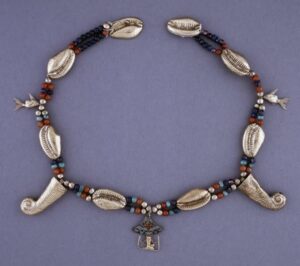
The Romans held a particular affinity for niello, a surface decoration technique closely resembling enameling but executed using silver sulfate rather than glass. Niello proved significantly tougher than traditional enamel, yielding a distinctive metallic luster rather than a vitreous finish. As Roman legions marched across Northern Europe, the technique spread throughout the continent, leaving a distinct legacy in Anglo-Saxon artifacts discovered in Britain and Eastern Europe.
The Roman author Pliny the Elder captured the cultural zeitgeist of his contemporaries in his monumental work Naturalis Historia, dedicating entire chapters to the obsession with silver. Pliny detailed the deep shaft mining required to extract silver ore, noting the legendary Spanish mines originally opened by Hannibal, such as the Bæbelo mine, which reportedly yielded three hundred pounds of silver daily. He also documented the evolving luxury of Roman life, marveling at how society transitioned from the austere frugality of early military commanders—who possessed only modest amounts of silver plate or ate from common earthenware—to an era where elites adorned their dining couches, carriages, and banqueting halls with massive quantities of chased and embossed silver. Pliny lamented the shifting tastes that turned silver plate into a profound status symbol, documenting private collections that scaled into tens of thousands of pounds and recounting fortunes spent on the prized works of master artisans such as Mentor, Acragas, Boëthus, and Mys.
Celtic and Medieval Transformations
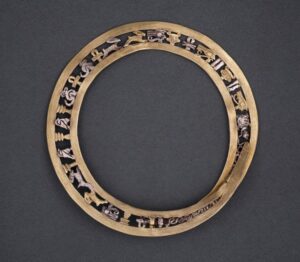
Among Celtic tribes, silver and bronze were heavily favored for jewelry production. Ornate brooches, heavy torcs, and crescent-shaped lunulae stood out as the most prevalent adornments. Prior to Roman incursions, the Celts eschewed coinage in favor of "ring money"—standardized rings crafted from silver, copper, bronze, or gold that served strictly as a medium of exchange rather than wearable items.
Following the collapse of Roman supply lines, gold grew exceedingly rare across Europe, propelling silver to the forefront of jewelry and metalwork. Germanic jewelry of the Migration Period favored functional items such as fibulae, disc brooches, penannular brooches, and robust belt buckles. These pieces were predominantly crafted from silver, occasionally gilded or inlaid with precious stones, with red garnets emerging as the overwhelming favorite.
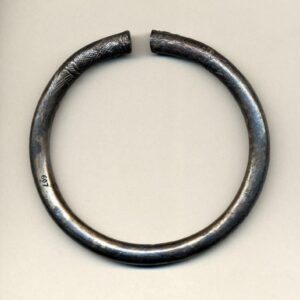
Beginning around 800 CE, Viking military campaigns and trade networks along the northwest European coast directed vast fortunes of silver into Scandinavia. This influx stimulated a flourishing silversmithing culture, further amplified around the turn of the first millennium by the discovery of rich silver deposits in Sweden. Meanwhile, the Roman tradition of niello was eagerly adopted by Germanic tribes, who utilized the stark black-and-white contrast to accentuate intricate engraving patterns, as seen in masterpieces like the Anglo-Saxon Fuller Brooch housed in the British Museum.
As medieval society evolved and trade routes to the East reopened, gold reclaimed its status as the premier metal for fine jewelry. Nevertheless, this commercial expansion fostered the rise of a prosperous middle class eager to display personal adornment previously restricted to royalty and the nobility. Those operating on a more modest budget naturally turned to silver jewelry as an accessible and versatile alternative. Jewelry forms also evolved, shifting away from purely functional pieces toward decorative and symbolic rings, bangles, and pendants. By the close of the Middle Ages, the trade in silver jewelry and silverware had become strictly regulated through the introduction of formal assaying and hallmarking systems.
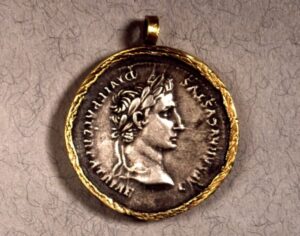
Renaissance, Baroque, and Georgian Developments
The Renaissance period brought renewed economic vitality fueled by the recovery of European populations, the expansion of northern trade centers in regions like the Netherlands, and the influx of classical knowledge following the fall of Constantinople in 1453. Following Christopher Columbus’s historic voyage, European powers raced to colonize the Americas. The conquests of the Aztec and Inca empires by Spanish conquistadors unlocked colossal silver deposits, particularly in modern-day Mexico beginning in 1546. This monumental supply of American silver flowed into European markets and even directly to China, sustaining global trade networks while keeping silver affordable and widely used for currency and jewelry.
During the Baroque period spanning the seventeenth century, European maritime powers—particularly the English, French, and Dutch—battled for dominance over Atlantic trade routes laden with silver fleets returning from the New World. While metalworking techniques remained largely traditional, the era witnessed the emergence of novel applications, such as the production of portable silver timepieces and the innovative practice of setting diamonds in silver. Because silver possesses a neutral white tone, it perfectly complemented the lack of color in diamonds, which were arriving in growing quantities from India following the establishment of direct European trading posts.
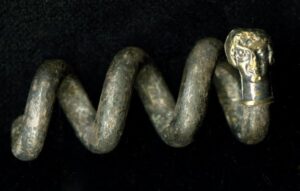
This diamond-setting trend reached its zenith during the Georgian era, buoyed by continuous silver production in South America and the discovery of rich new diamond deposits in Brazil starting in 1727. While fine jewelry of the period frequently paired gold foundations with silver-topped fronts, entirely silver pieces remained common. The characteristic cut-down collet settings of Georgian jewelry were almost exclusively crafted from silver to enhance the brilliant white appearance of the stones they encased.
Furthermore, the introduction of die striking in 1777 revolutionized manufacturing. By utilizing steel dies, presses, and drop hammers to stamp and cut precious metal components, workshops could rapidly assemble jewelry by hand. This innovation birthed the world’s first mass-produced jewelry lines, making items significantly more affordable. With abundant silver shipments arriving from abroad, large quantities of die-struck silver jewelry quickly saturated commercial markets.
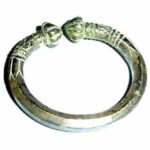
The Industrial Age and Victorian Silver
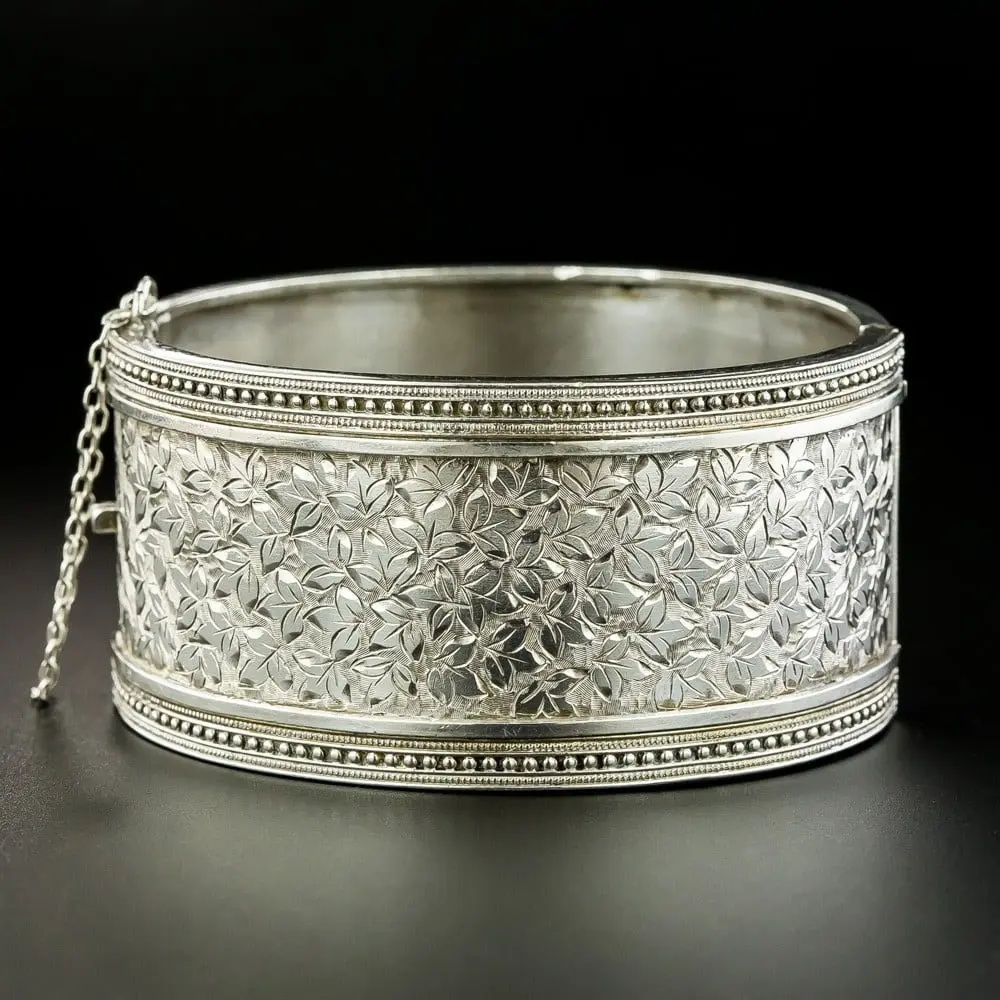
The Industrial Revolution of the nineteenth century permanently transformed manufacturing, leaving an indelible mark on the jewelry trade. Silver was utilized extensively in mechanized stamping and die-striking operations that had been refined since the late Georgian period. The cultural appetite for silver surged further after Queen Victoria and Prince Albert acquired Balmoral Castle in Scotland in 1848, which sparked a sweeping craze for Scottish agate jewelry traditionally executed in silver by Northern European artisans.
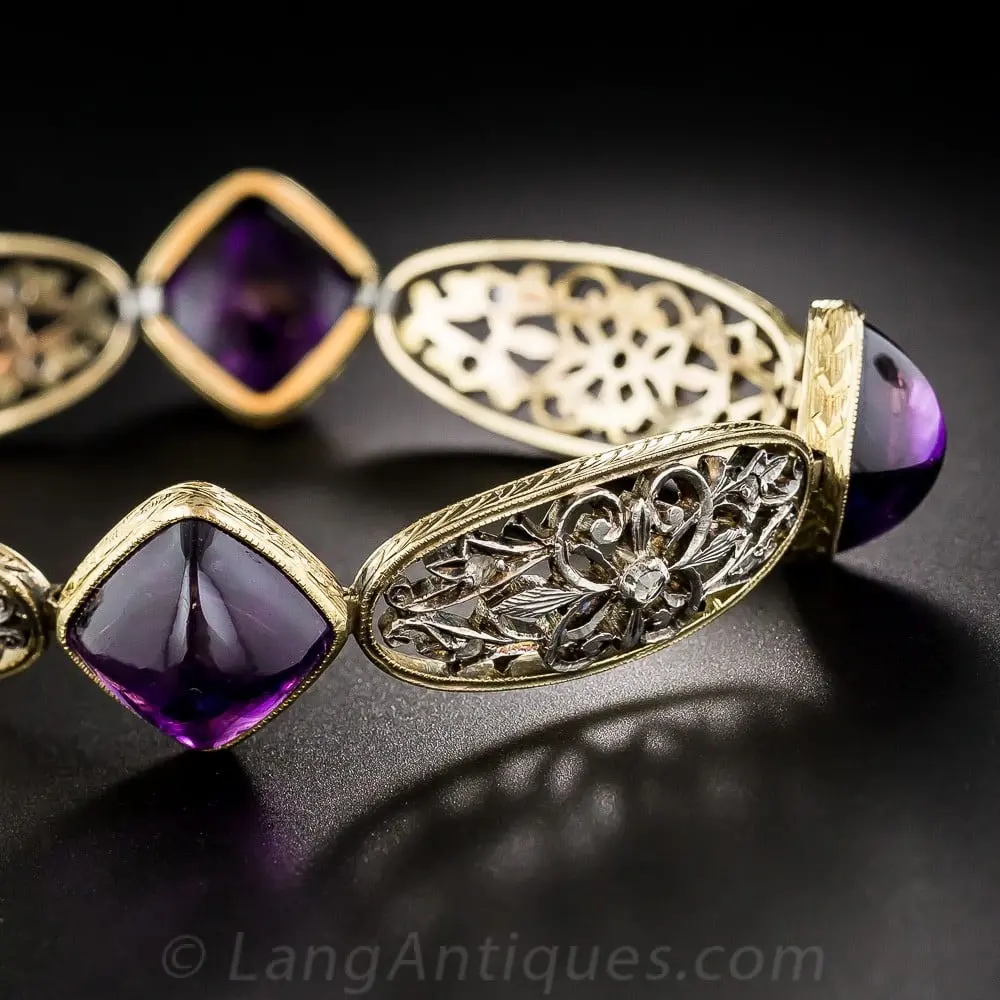
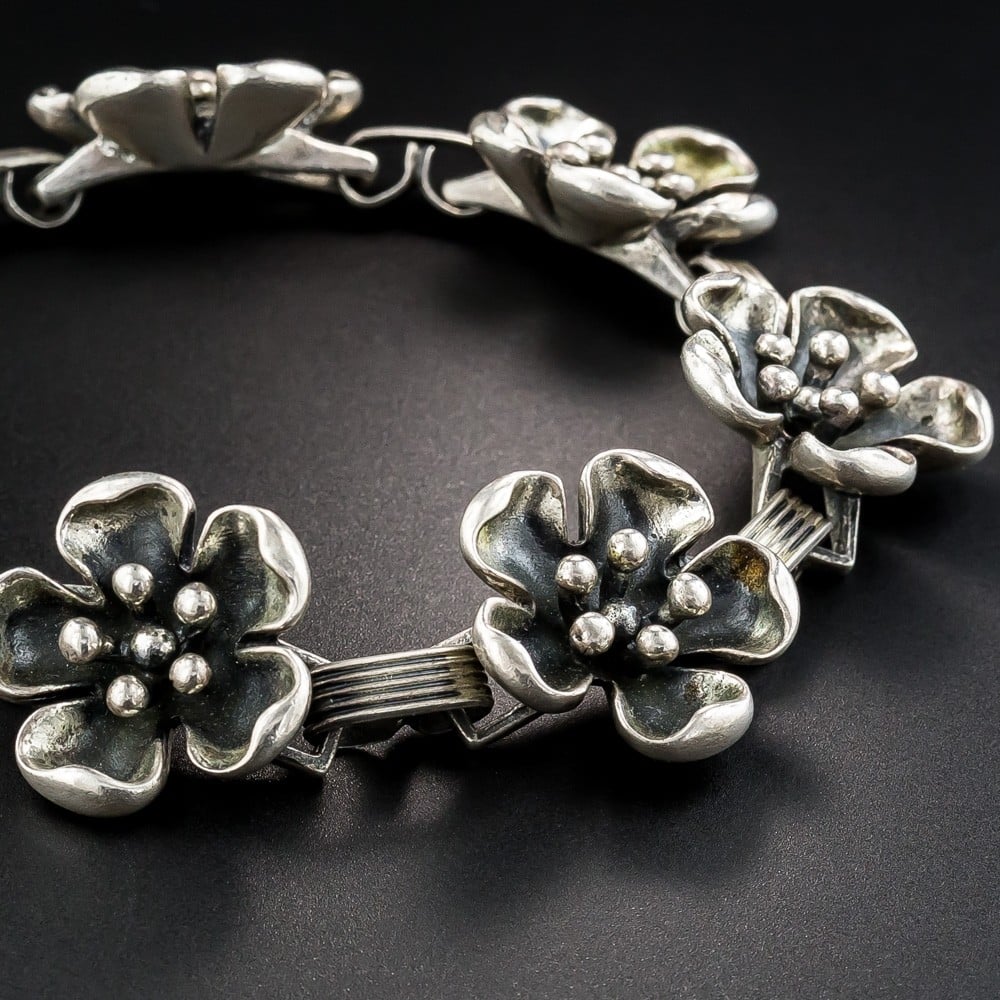
Toward the end of the Victorian era, the Arts and Crafts movement emerged as a direct ideological reaction against the mass industrialization of decorative arts. In this counter-movement, artistic design took absolute precedence over the intrinsic monetary value of underlying metals and gemstones. Arts and Crafts jewelry favored cabochon-cut stones—typically secured in simple bezel settings—and universally embraced silver over gold as the metal of choice, preserving the ancient, artisanal spirit of metalworking well into the modern age.