






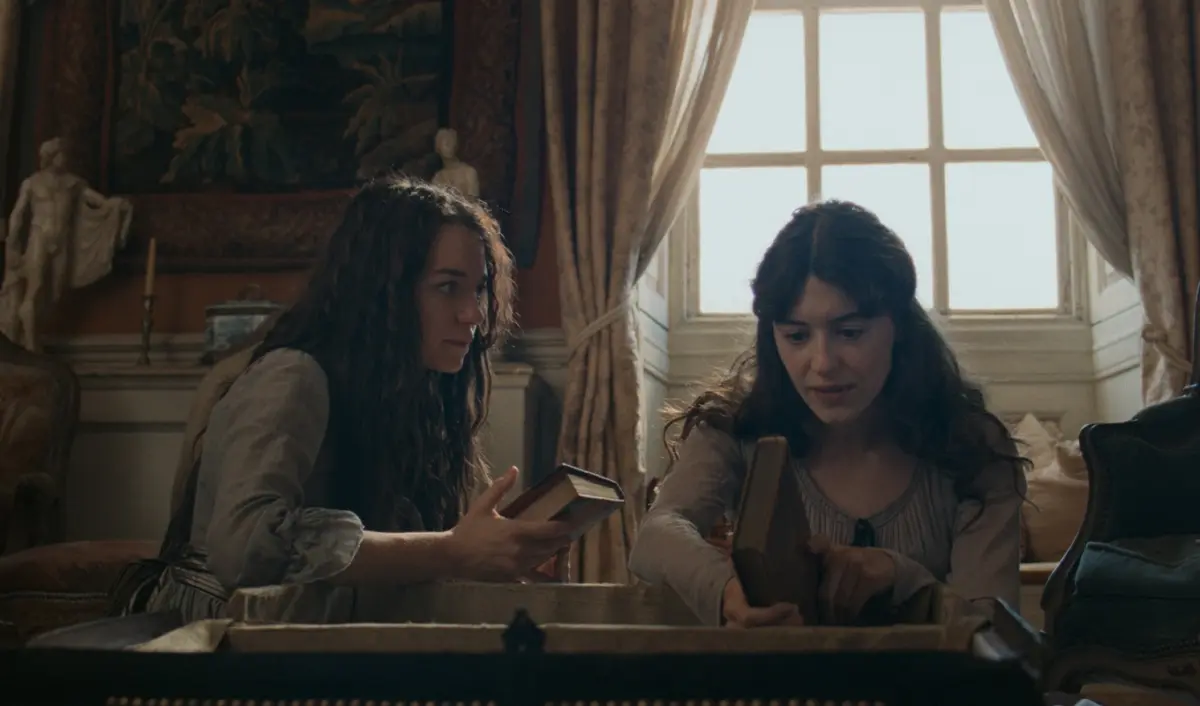
When a fresh wave of Jane Austen adaptations was announced last year, it sparked a familiar mix of anticipation and protective skepticism among longtime fans of the legendary English author. Among the slate of upcoming projects was a new adaptation of Pride and Prejudice slated for Netflix—a curious prospect given that Joe Wright’s beloved 2005 film starring Keira Knightley is widely considered by many to be absolute cinematic perfection. Yet, looking back, the realization that two decades have already passed since that film’s release only underscores the appetite for fresh interpretations of Austen’s timeless catalog.
Attention has now turned more keenly toward the silver screen arrival of Sense and Sensibility, Austen’s very first published novel, which originally debuted in 1811. With the last major movie adaptation dating back to 1995—Ang Lee’s iconic version starring Emma Thompson, Kate Winslet, Hugh Grant, and Alan Rickman—the question of how a new generation would carry the torch became an immediate point of fascination for literary and film enthusiasts alike. Led by Daisy Edgar-Jones, this upcoming rendition breathes new life into the Regency-era classic, uncovering a fierce, visceral passion that borders on the violent, while brilliantly reminding audiences of the true singularity of Austen’s work: rather than placing traditional romance at the center of the narrative, the story remains, above all else, an enduring ode to sisterhood.
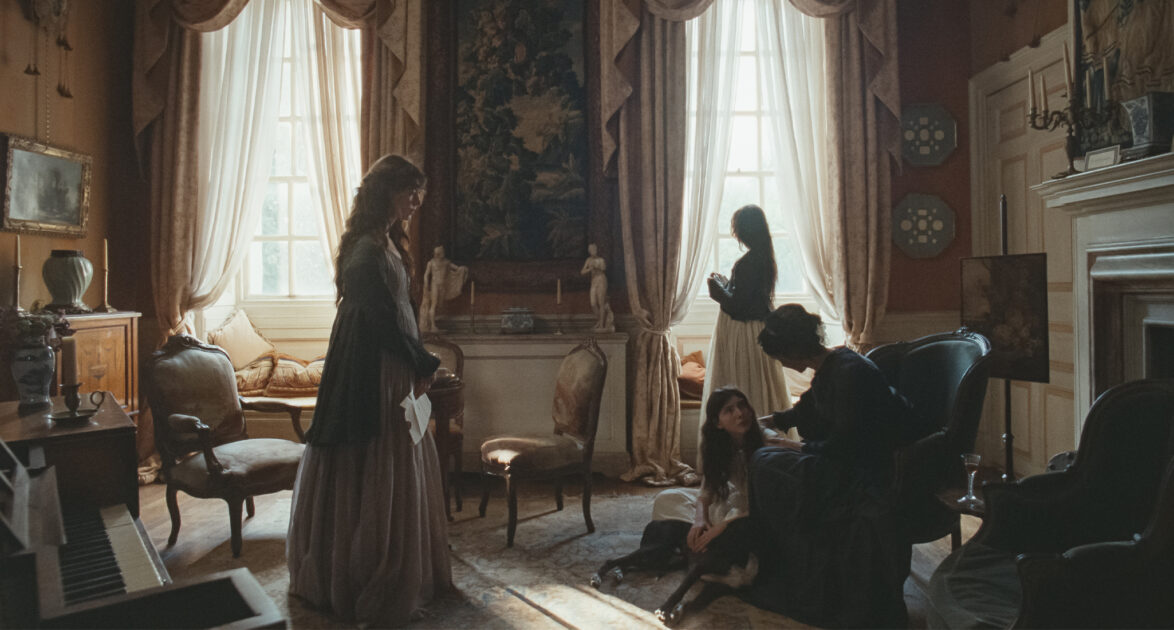
For those uninitiated in the vast and dedicated world of Austenites, Sense and Sensibility centers on the fortunes and misfortunes of Elinor and Marianne Dashwood. Following the untimely death of their father, the sisters find themselves stripped of their former security and consigned to a life of genteel poverty alongside their mother. Within this constrained new reality, Elinor develops deep, restrained feelings for her step-brother-in-law, Edward Ferrars, while her younger sister Marianne is quickly swept off her feet—quite literally—by the charming, dashing, and somewhat rakish John Willoughby.
Both young women soon find themselves forcibly separated from the objects of their affection by the rigid social pressures and financial machinations of the era. Elinor’s romance stalls because Edward’s ambitious mother expects her son to marry into wealth and high standing, while Marianne is left completely devastated when Willoughby’s wealthy aunt calls him away to London on mysterious, sudden business. Bereft and isolated from the happiness they thought was within their grasp, the Dashwood sisters are left with little more than each other to cling to as their marital prospects and worldly security look increasingly bleak.

Fittingly, Jane Austen’s original working title for the novel was simply Elinor and Marianne. The core focus of the book—and what this new cinematic adaptation captures with stunning precision—is not merely the surface-level romantic entanglements of the heroines, but their own steadfast, fiercely intimate relationship. In this new film directed for modern audiences, some of the most emotionally charged and passionate scenes unfold exclusively between Elinor and Marianne. The sisters shed heavy tears and raise their voices with an intensity that makes their respective romantic pursuits feel like little more than trifling footnotes in the grand scheme of their lives.
In the structural hierarchy of the story, Edward and Willoughby ultimately function as secondary and tertiary plotlines. It is only over the suffering and near-ruin of Marianne that Elinor—a character normally defined by her stoicism, self-control, and laconic nature—truly breaks down and weeps, setting aside her own private, agonizing personal struggles to act as her sister’s anchor.
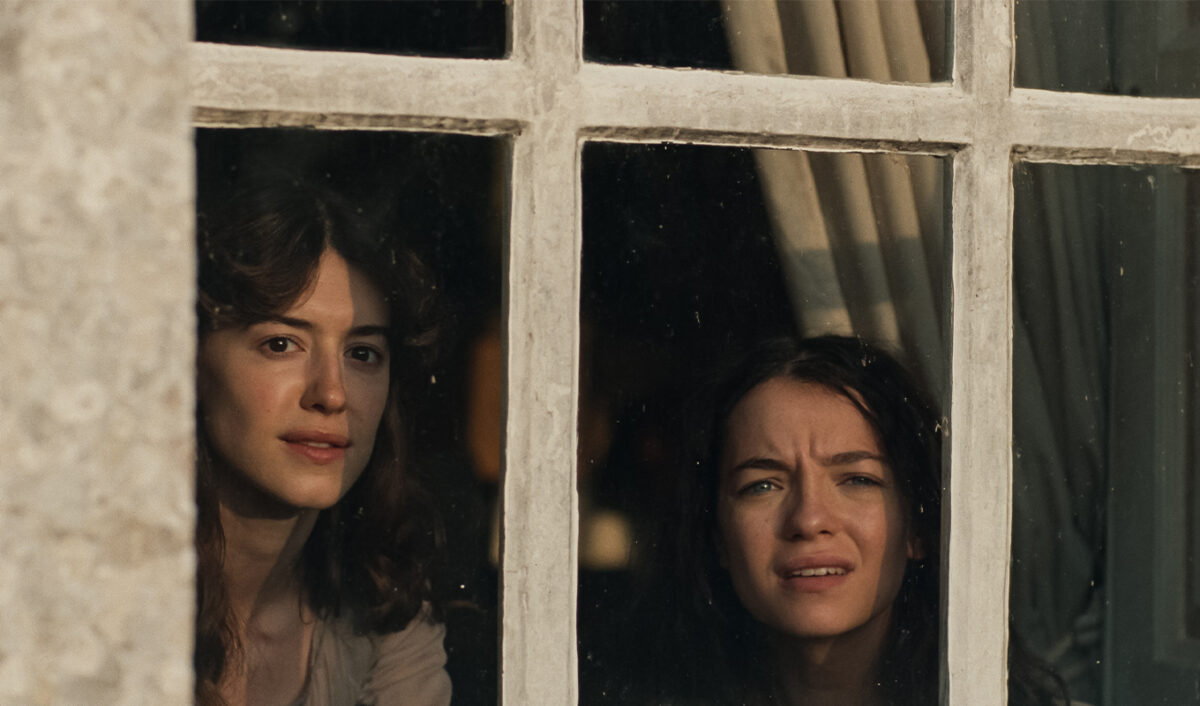
As the male figures in the story prove to be predictably fickle, much like so many men across Austen’s expansive literary canon, Elinor and Marianne are forced to lean entirely upon one another for survival and emotional sustenance. Their relationship is far from idealized or simplistic perfection; they harbor painful secrets from each other, trade stinging remarks, and occasionally push one another away in moments of grief or stubborn pride. Yet, no matter the distance they attempt to create, they are invariably pulled back together in times of severe tribulation, proving that their familial bond is unbreakable.
Bringing these iconic literary sisters to life requires a delicate balance of emotional restraint and explosive vulnerability, a task that the central cast executes with remarkable precision. Daisy Edgar-Jones steps into the role of Elinor with a composed grace that quietly fractures under pressure, while Esmé Creed-Miles delivers a standout performance as Marianne, capturing the character’s impulsive, tempestuous, and deeply romantic nature with incredible depth and believability.
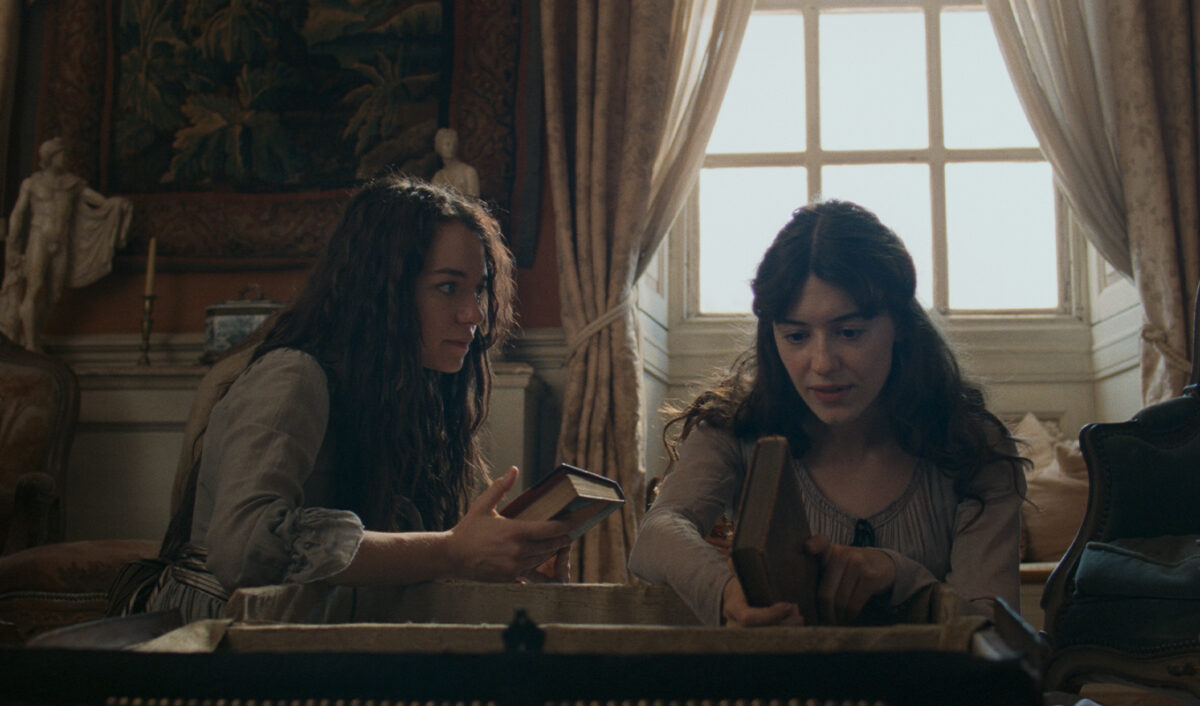
On the whole, the film takes calculated artistic liberties that result in a strong, compelling adaptation tailored for today’s young audiences. At the same time, it pays clear, respectful homage to cinematic predecessors, including the 2005 Pride and Prejudice and the landmark 1995 version of Sense and Sensibility. For many viewers, older adaptations served as their foundational introduction to the wider world of Jane Austen, and watching this modern interpretation evokes a similar sense of discovery—sparking renewed curiosity about the characters, their complex social world, and the sweeping romance that underpins their daily lives. Ultimately, the most ardent hope accompanying this release is that contemporary audiences, inspired by the passion on screen, will be encouraged to dive straight into Austen’s original novel.