






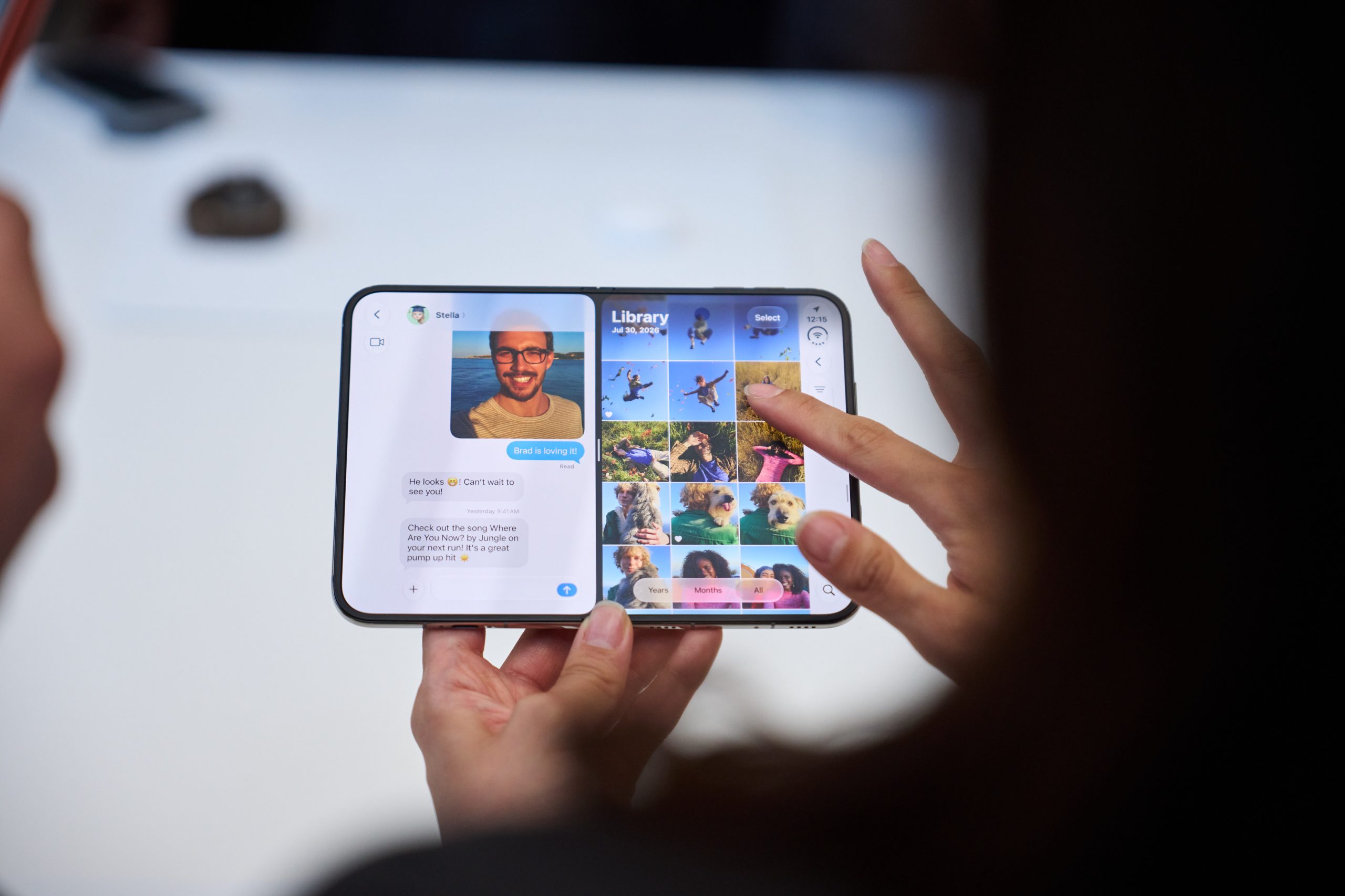
After spending a week with the iPhone Duo, Apple’s first foray into the foldable smartphone market, it is clear that the device successfully bridges the gap between a pocketable phone and a small tablet without compromising the utility of either form factor. The hardware features a compact 5.4-inch outer screen designed for quick glances and rapid maneuvers while on the move, while unfolding reveals a sprawling 7.6-inch inner display tailored for tasks that require deeper focus. This dual-nature rhythm fundamentally shifts how and where a mobile device is utilized throughout the day.
The device boasts a battery life that comfortably outlasts expectations, alongside a meticulously engineered hinge composed of more than 100 components. The hinge moves through its arc with a measured tension reminiscent of a well-crafted notebook, offering a deeply satisfying tactile experience when closed. While years of muscle memory tied to traditional slab iPhones take a few days to unlearn, and minor trade-offs—such as the return to Touch ID and incompatibility with existing MagSafe wallets—temperate the experience, they do little to diminish the overall delight of the hardware. For some early testers, the release of the Duo also closes a conceptual loop that began decades ago.
A Decades-Long Evolution in Mobile Form Factors
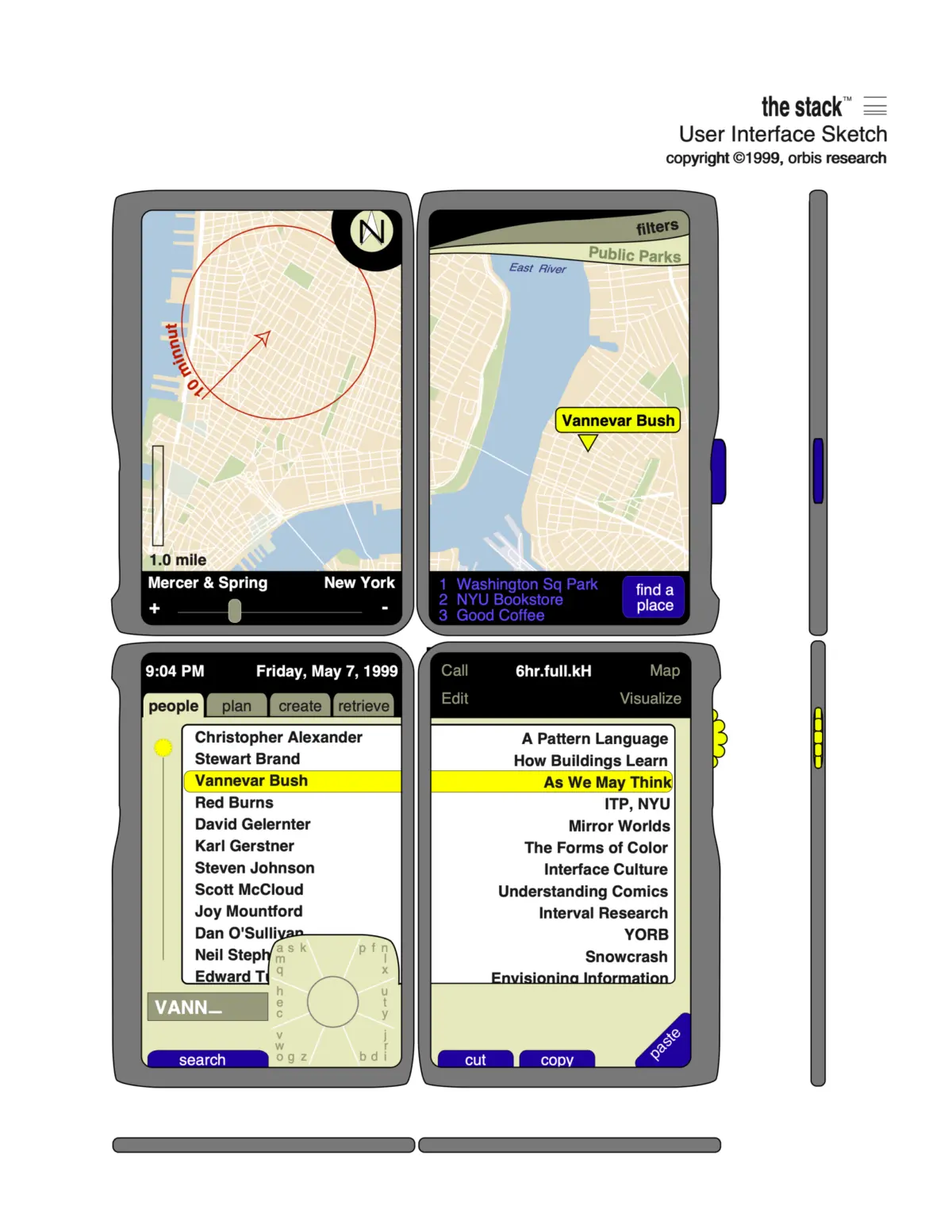
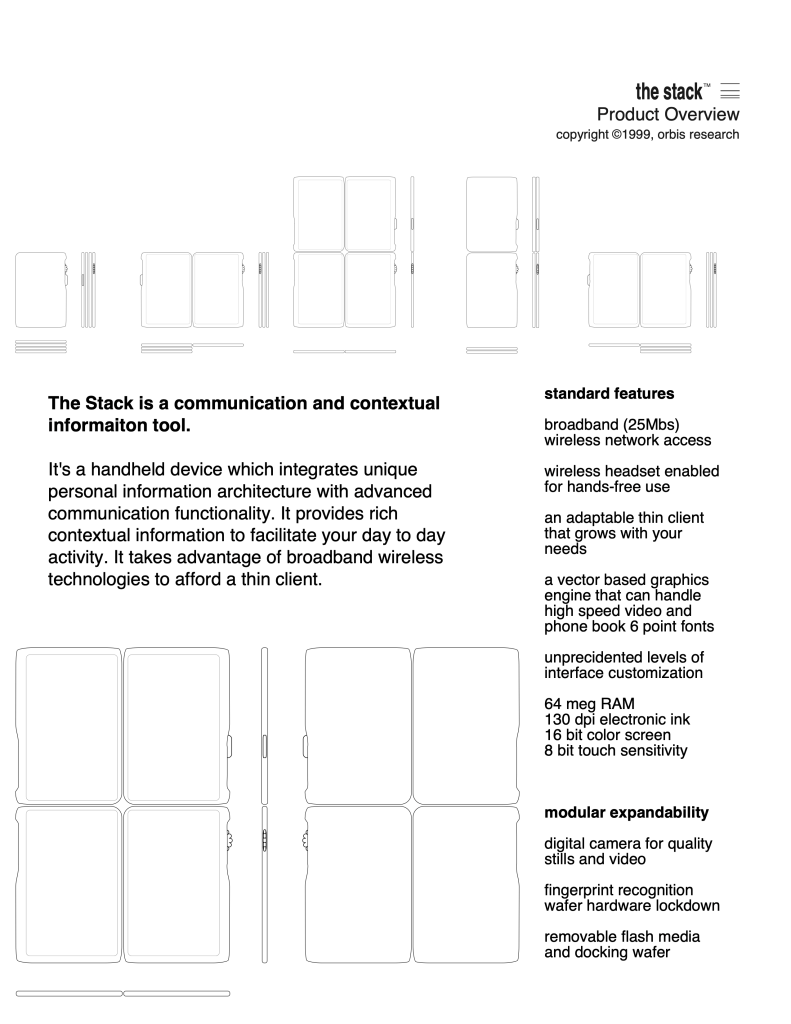
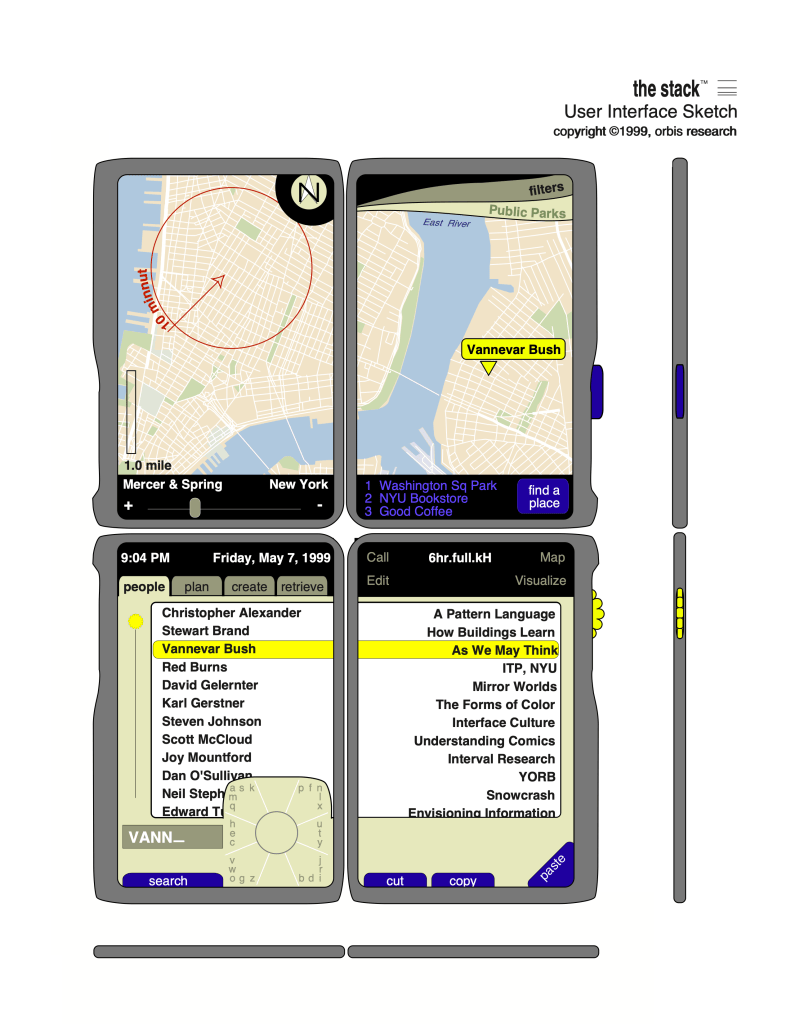
The design philosophy behind folding mobile devices has roots stretching back to academic explorations of form setting function. In 1999, a graduate thesis at NYU’s Interactive Telecommunications Program (ITP) focused on the conceptual design and interface prototyping of a future-looking four-screen folding phone known as The Stack. That early academic project explored how software should dynamically behave on hardware that changes shape, proposing distinct configurations for reading, making calls, and viewing maps.
While those early forecasts missed the mark on several fronts, seeing those theoretical questions answered with refined execution in the Duo’s posture-driven uses offers a striking full-circle moment. For users deeply embedded in the Apple ecosystem, the Duo represents the first foldable device that integrates seamlessly into daily routines. Furthermore, it streamlines the daily carry. Where travelers previously paired an iPhone Pro with an iPad mini, the Duo effectively consolidates both devices into a single unit, though it does not replace larger iPad models dedicated to heavier workloads.
Behavioral Shifts and Intentional Screen Time
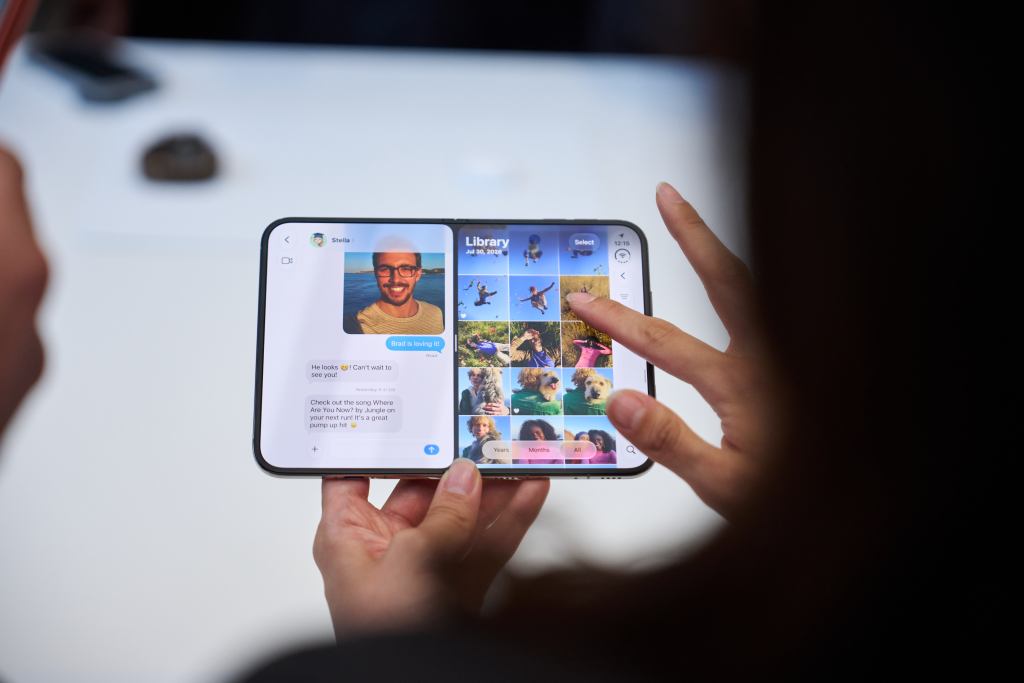
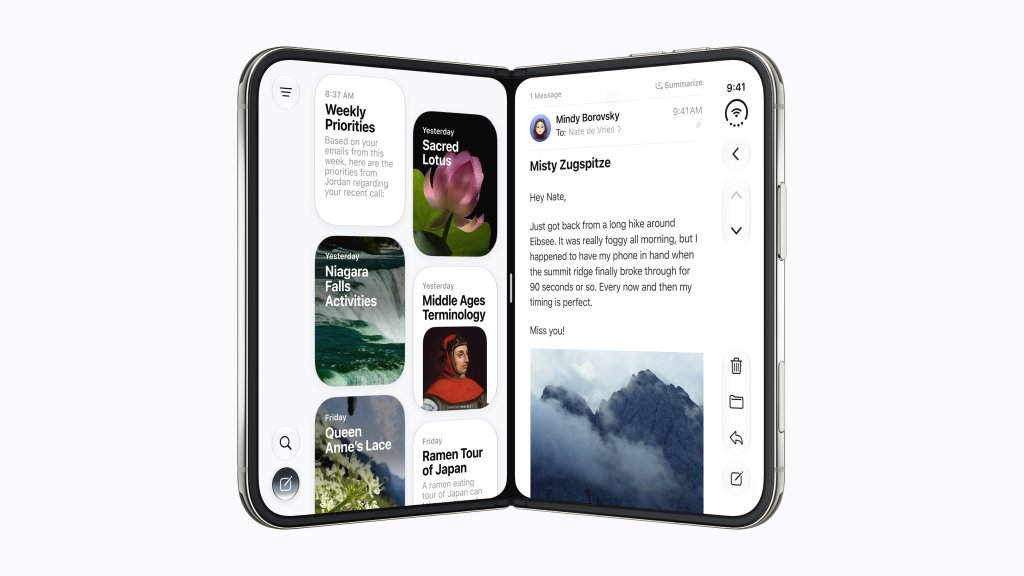
Perhaps the most surprising impact of the iPhone Duo is the behavioral change it elicits in its users. When closed, the compact outer screen is ideally suited for pruning an inbox with a thumb, firing off brief text responses, or dictating messages via Siri. When email management demands sustained attention, unfolding the device presents the message alongside the inbox in a side-by-side view.
This functional division of labor extends well beyond the Mail application. Because the outer screen is small enough to discourage lingering, street-level interactions are limited to checking, answering, and quickly pocketing the device. The inner display is thus reserved for moments of stillness—whether at a desk, on a sofa, at a café table, or standing in place. The resulting screen time feels significantly more intentional, giving users a greater sense of control over digital consumption. Beyond reading and communication, the expansive inner canvas enhances creative tasks such as photo editing and writing, as well as casual gaming.
Refined Hardware and Postural Versatility
The physical construction of the iPhone Duo centers around its precision hinge, which sets a high benchmark for foldable mechanical design. Both displays share a consistent 1.4:1 aspect ratio, allowing content to scale smoothly mid-task or reflow into alternative layouts as needed. Encased in a mirror-polished Grade 5 titanium frame, the phone features a micro-blasted, 3D-printed titanium hinge cover that reads as a deliberate architectural spine. Closed, the device mirrors the exact proportions of a passport, allowing it to slip into pockets with ease.
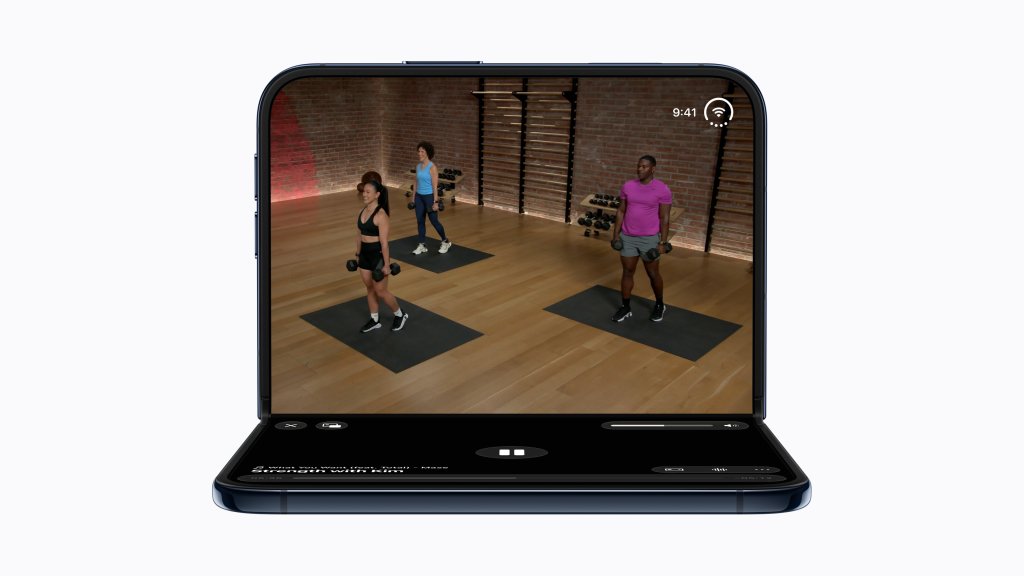
Foldability inherently invites postures that conventional slab phones cannot replicate. Bent like a laptop, the Duo functions naturally for watching media or engaging in FaceTime calls, utilizing an inner camera that remains hidden beneath the display until summoned. It also doubles as a stable stand for capturing photographs.
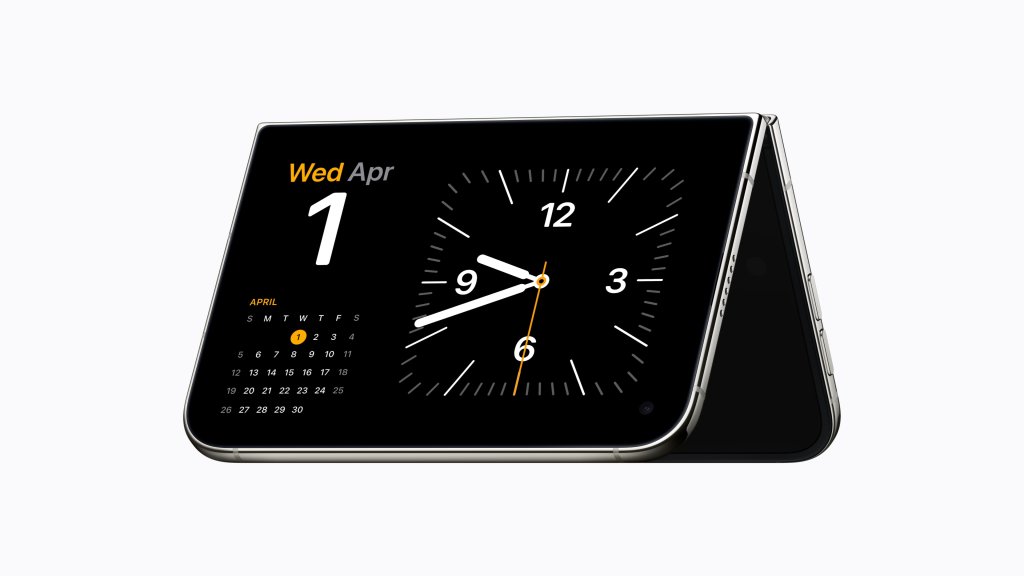
The StandBy feature, which transforms a docked iPhone into an ambient clock and widget display, is utilized across multiple configurations without requiring a constant charger connection. Fully open on a desk charger, the device functions as a comprehensive home dashboard, pairing compact widgets with a larger display area. Partially folded, it replicates the layout as a desktop book stand, while a tented orientation presents various clock, weather, and calendar faces, complemented by a Wake Up alarm that gradually brightens the inner display.
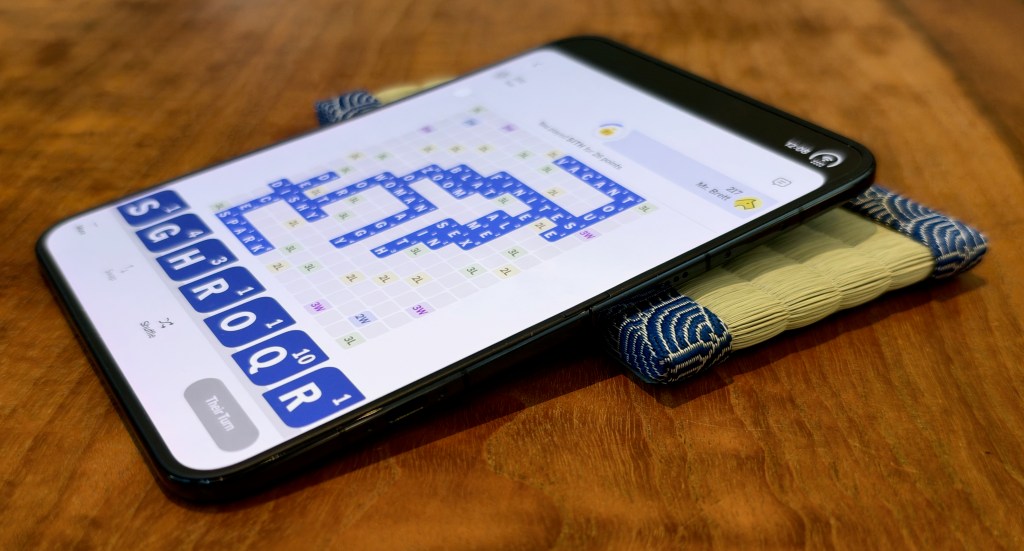
Laid flat on a table, the device rests against its raised camera plateau, though accessories or simple items like a phone tatami mat easily level the surface. Audio performance remains consistent regardless of the phone’s orientation; Apple’s real-time tuning compensates for changing speaker distances as the Duo opens, folds, or rotates, ensuring that sound output does not lurch during use.
Battery Performance and Daily Endurance
Integrating two displays and complex internal architecture does not appear to penalize battery longevity. Powered by custom silicon managing a dual-cell battery distributed across both halves, the Duo operates as a unified power system. Apple estimates up to 44 hours of video playback on the outer display and 31 hours on the inner screen. Real-world usage bears out this efficiency, allowing users to navigate a full day around the city without needing to rely on a midday top-up. Detailed settings breakdowns tracking drain by display mode remain a desired feature for future software updates, but the current endurance easily supports daily workflows.
Navigating Software and Biometric Adjustments
Transitioning from a traditional iPhone requires some adjustment to layout and muscle memory. Because interface controls migrate to the side of the display when open, interactions must be relearned. The Dynamic Island relocates to a vertical rail along the right edge, shifting interface elements downward and altering the placement of back buttons within applications like Messages. Control Center panels are shorter, causing app layouts to occasionally spill onto secondary pages during initial data migration.
Authentication methods also undergo a shift. The Duo replaces Face ID with Touch ID embedded directly into the side button. Users must enroll multiple fingers—such as both index fingers and a right thumb—to accommodate the dynamic reorientation of the screen as the phone is held in different positions. While unlocking via an Apple Watch expedites the process, it introduces minor quirks, such as accidental pocket-unlocks triggered by wrist proximity. Apple Pay interactions are slightly slower compared to the instantaneous glance required by Face ID, and MagSafe accessories like magnetic wallets are incompatible with the Duo’s dimensions, requiring users to return to carrying a traditional separate wallet. Additionally, the physical Action Button is absent, altering shortcuts previously mapped to external AI assistants.
Advanced Camera Capabilities and Dual-Device Synergy
The dual-display configuration, four-camera setup, and adjustable hinge unlock unique photographic scenarios. Unfolded, the outer screen can display a live preview to subjects being photographed by the rear cameras, allowing them to adjust their poses in real time. Animations can be played on the outer screen to capture the attention of children or groups during portraits. Propped on a surface, the phone can utilize on-device models to automatically trigger the shutter once subjects are correctly positioned, eliminating the need for self-timer sprints. Dual Capture records footage from both front and rear lenses simultaneously, while Duo FaceTime allows an individual beside the primary user to join a video call via the outer display.
While the Duo’s camera system shares features like the 48MP Fusion Ultra Wide lens and advanced Photographic Styles with the iPhone 18 Pro, it lacks a dedicated telephoto lens for extended optical zoom, as well as the Pro model’s mechanical variable aperture and manual controls.
To bridge this gap, iOS features like iPhone Handoff allow a single phone number to move seamlessly between two unlocked iPhones. This enables users to carry the Duo for daily communication, reading, and casual snapshots, while keeping an iPhone 18 Pro nearby for situations demanding advanced optical control. Both devices synchronize effortlessly through iCloud Photos, allowing images captured on the Pro to be edited on the expansive inner canvas of the Duo.
The iPhone Duo launches on October 23, 2026, starting at $1,999 for the 256GB configuration in Night Sky and Star White finishes. It asks users to adapt to a new set of hardware paradigms and compromises, but repays that transition with a device that remains compact while mobile, expands into a productivity canvas when stationary, and delivers a long-awaited form factor for mobile technology enthusiasts.