





Having spent more than a decade working as a beauty editor, I have witnessed countless trends rise, peak, and fade into obscurity. Over the years, I have watched entire consumer markets become utterly obsessed with a single active ingredient overnight. I have opened my mail delivery to find five distinct versions of essentially the same cosmetic product arriving within the span of a single week. Furthermore, I have sat through countless corporate presentations about achieving a "glow" that I could not possibly begin to count.
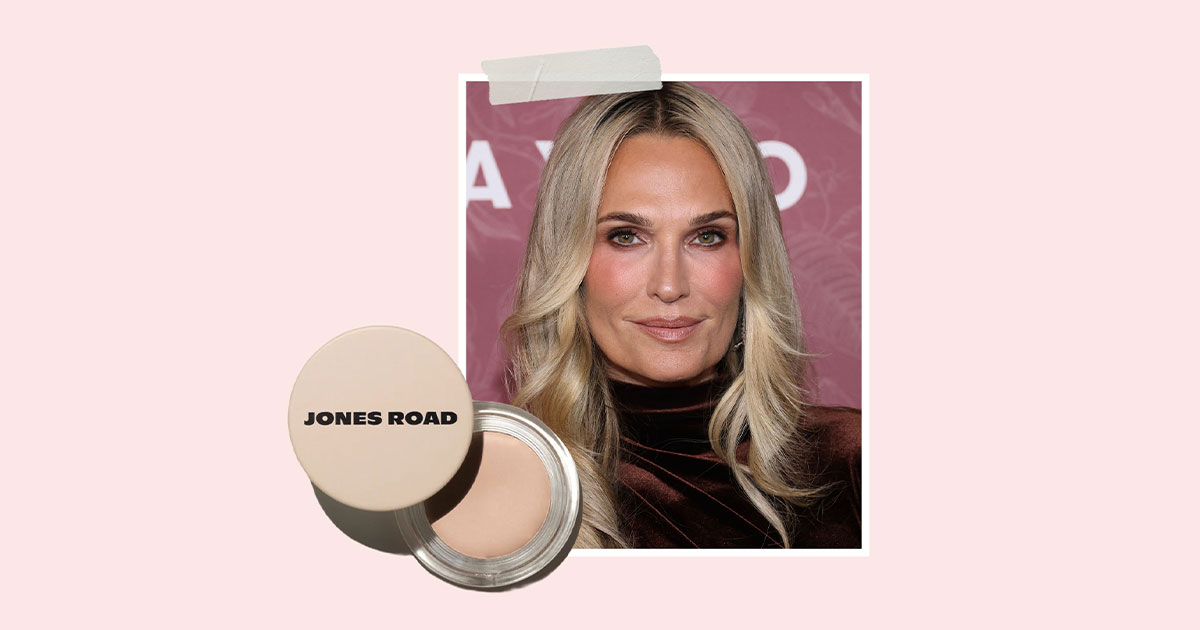
So, when I recently watched model and entrepreneur Molly Sims post an emotional Instagram video publicly calling out another major beauty brand for allegedly copying her intellectual property, I completely understood why she felt so upset. It is frustrating to invest time, capital, and creative energy into building a concept from the ground up, only to see a larger competitor step into the space. However, watching that drama unfold also forced me to step back and ask a much larger, more uncomfortable question: Is anything in the modern beauty industry actually original anymore?
The controversy began earlier this month when Jones Road Beauty, the acclaimed makeup brand founded by industry veteran Bobbi Brown, launched a new brightening concealer and neutralizer product named "Wide Awake." There was just one glaring problem: Sims’s independent skincare brand, YISE Beauty, has been selling a popular under-eye treatment called "Wide Awake Brightening & Depuffing Eye Cream" for more than two years. The product launched to significant fanfare and quickly established itself as one of the standout best-sellers in the YISE portfolio.
Sims took to social media to address the striking similarities in an emotional video message. According to Sims, the issue extended far beyond two separate corporate entities accidentally landing on the very same two-word phrase. She pointed out that the marketing copy and promotional campaign also felt "too close to home." Specifically, YISE had previously utilized a creative hotline concept in its marketing campaigns to engage with consumers; remarkably, the rollout for Jones Road’s Wide Awake product similarly featured an interactive hotline where shoppers could call in to receive personalized shade and undertone advice.
The response from the opposing camp was swift. Bobbi Brown issued a public apology shortly after the controversy gained traction online. She explained that the team at Jones Road Beauty had not realized that YISE already had an active product on the market bearing the exact same name. To rectify the situation, Brown announced that the company would immediately halt the current branding and rename its new launch. Furthermore, Brown stated that Jones Road had conducted a standard trademark search prior to the launch and found no existing ownership of the "Wide Awake" trademark in that specific category. Looking forward, she noted that the company plans to significantly strengthen its internal vetting procedures by incorporating more comprehensive competitive research and potentially extending its product development and launch timelines.
Case closed, right? Well, not exactly. As the online discourse intensified, it quickly became apparent that YISE was far from the first beauty brand to slap the words "Wide Awake" onto an under-eye product. Soon, scores of other beauty brands and internet commentators jumped into the fray, turning the incident into a much broader debate about who copies whom in the modern cosmetic landscape.
The debate widened even further within days of the Sims and Brown exchange. Major players like Fenty Skin, Glow Recipe, and Huda Beauty all began teasing new hydrogel eye patches housed in nearly identical cylindrical dispensers. The user experience is undeniably clever: you simply twist the top, and an internal mechanism precisely slices off a fresh eye patch. It is incredibly satisfying to watch in motion on short-form video platforms—and apparently, several different corporate boardrooms thought so, too. In fact, South Korean beauty innovator Wonder Bath had already released its own version of this exact packaging technology back in July.
None of this context means that Sims did not have a completely valid reason to feel frustrated by the overlapping launches. Product development in the cosmetic industry is extraordinarily expensive. Moreover, building genuine consumer recognition and trust around a brand-new product takes years of sustained marketing effort and financial investment.
The fundamental root of the issue is that nearly everyone in the beauty sector is perpetually chasing the exact same consumer trends, active ingredients, visual aesthetics, and marketing language. For a stretch, peptides are everywhere you look; then, exosomes dominate the market until the next buzzy, scientific-sounding ingredient comes along to replace them. One popular brand launches an innovative lip oil, and a mere six months later, I will count 14 competing lip oils sitting directly on my office desk. Someone manages to make brown mascara cool and culturally relevant again, and suddenly every single legacy and indie brand on the market has rushed out their own version.
When everyday consumers walk down the aisle or scroll through social media and see identical packaging, formulations, and naming conventions, they understandably ask a blunt question: Who copied whom?
Yet, that simplistic narrative is rarely an accurate reflection of how modern beauty products actually get made. Behind the scenes, many different brands routinely work with the very same—or at least heavily competing—contract manufacturers, independent laboratories, and global packaging suppliers. These industry professionals attend the exact same trade shows, sit in the same keynote presentations about emerging technologies, and review the exact same comprehensive trend forecasting reports. They are all desperately trying to use the same data sets to predict what you and I will want to purchase 12, 18, or even 24 months down the road.
This industry-wide dynamic suggests we are rapidly reaching a cultural turning point where we need to learn how to separate intentional copying from natural convergence. There are only a finite number of ways to communicate to tired consumers that a specific eye cream or concealer will make them look more rested and vibrant. There are only so many buzzy, effective active ingredients available to formulators at any given historical moment. And when every single brand in the ecosystem is simultaneously monitoring the same cultural trends, operating within the exact same global manufacturing infrastructure, and fighting to capture the attention of the exact same Sephora shopper, creative overlap is practically inevitable.
Having covered the nuances of this industry long enough to spot the patterns, I know with certainty that when one compelling idea finally hits the mainstream market, at least 15 similar versions are inevitably right behind it. When we look at the modern beauty landscape through that lens, the defining question of the industry may no longer be who managed to do it first. Instead, the real question is who executed it best.