




For horological enthusiasts with a keen eye for the rare, the unusual, and the historically significant, the global auction market continues to offer an eclectic mix of mechanical marvels and design-forward conversation pieces. This week’s edition of Hodinkee’s market roundup explores an extraordinary curation of vintage timepieces, ranging from museum-worthy institutional pieces carrying elite family provenance to overlooked relics of the 1970s and masterclasses in mid-century jewelry-watch design.
Beyond the immediate world of watch collecting, the wider sphere of vintage acquisitions occasionally overlaps with pop culture memorabilia. For those with both an excess of disposable capital and an appreciation for whimsical nostalgia, Julien’s Auctions has rolled out a comprehensive catalog for Paul Reubens’ Big Auction, featuring items directly from the collection of the late actor behind Pee-wee Herman—including, naturally, a replica bicycle from Pee-wee’s Big Adventure complete with a 2011 Visionary Spike TV Scream Award.

Closer to the watch roll, a review of recent market tracking shows varying fortunes for notable past picks. The Patek Philippe reference 5107 recently hammered down at €13,500, while a striking Omega DeVille Emerald found a new home for a modest $650. Meanwhile, other pieces continue their march toward the auction block, reminding collectors of the unpredictable dynamics governing vintage valuations.
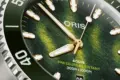
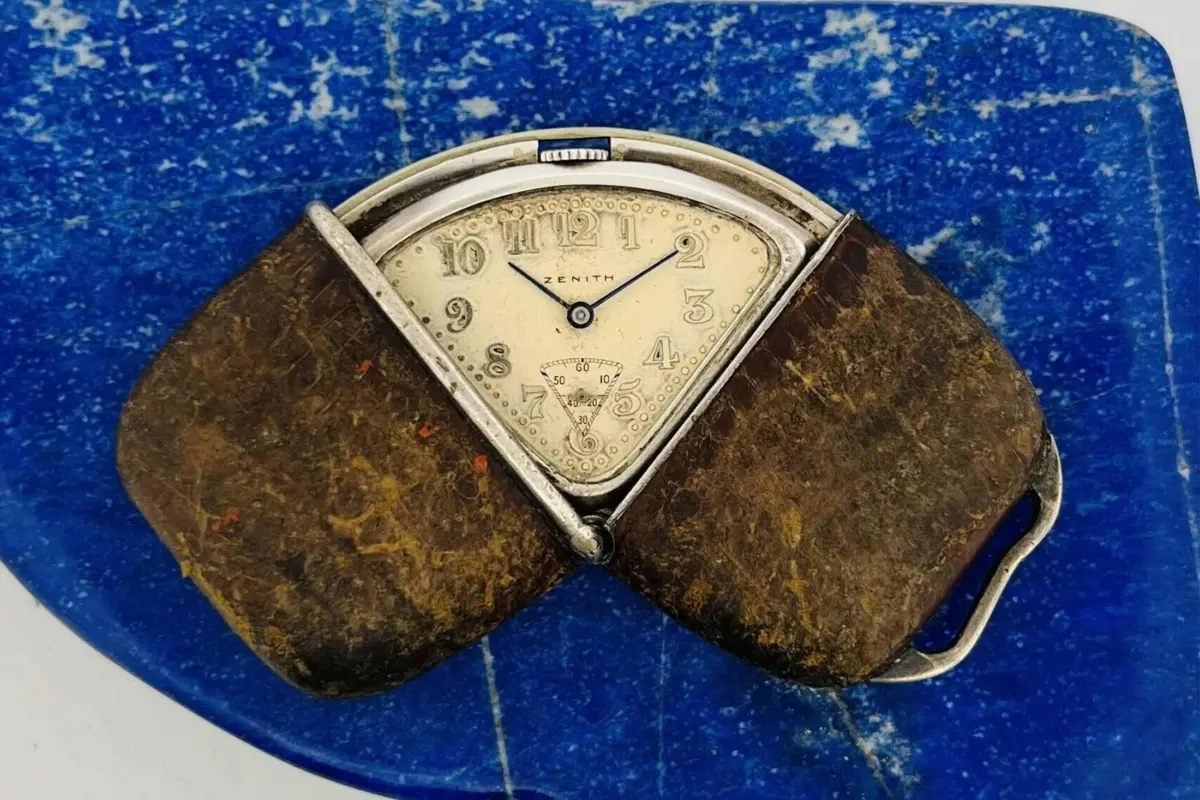
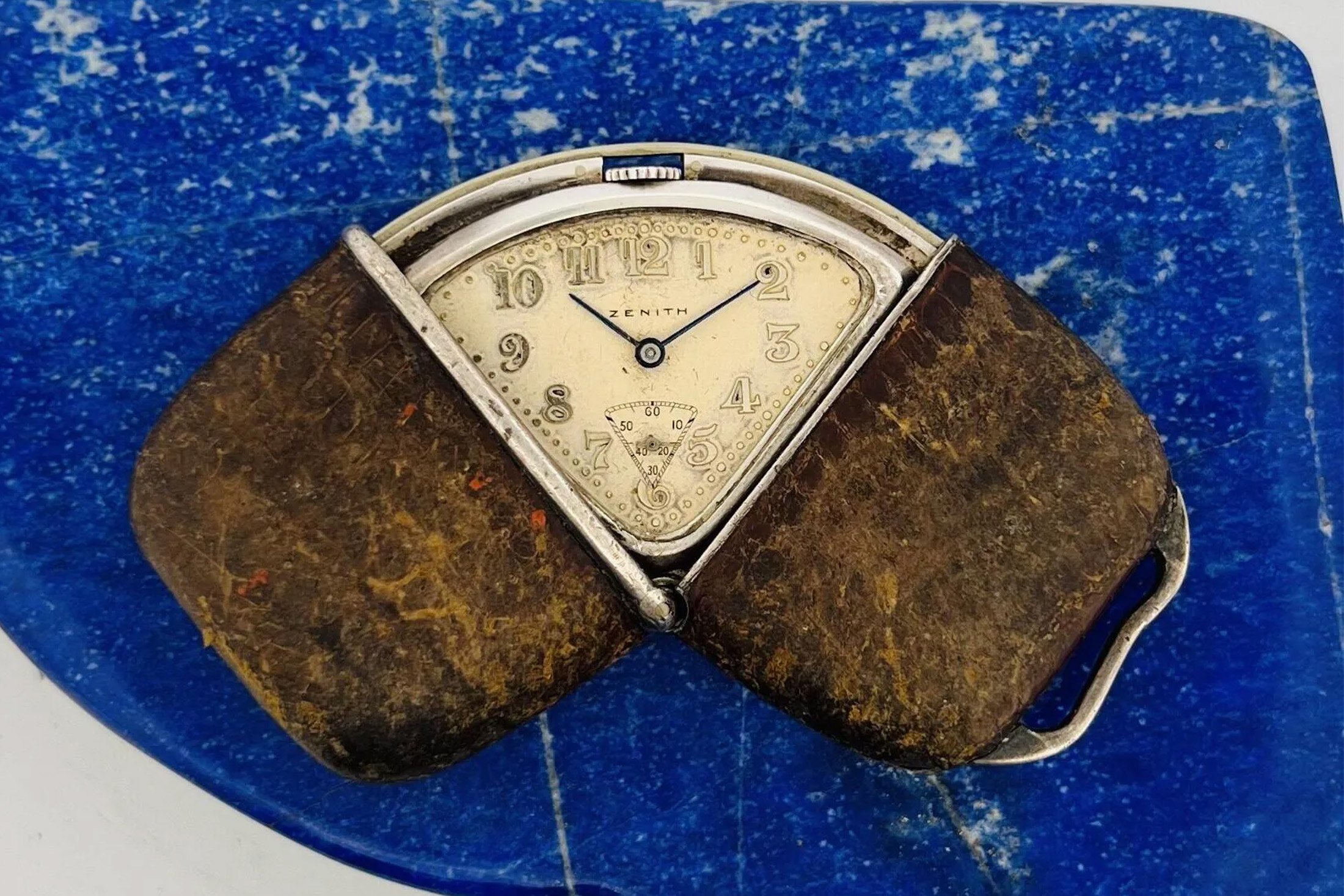
Among the affordable vintage diving options surfacing this week, an intriguing piece from Invicta—historically a brand that evokes mixed reactions in contemporary collector circles—demonstrates that even overlooked makers can produce compelling vintage surprises. For space enthusiasts, Alan Bean’s personal Omega Speedmaster Professional reference BA 145.022-69 offers a direct link to lunar exploration, while a trio of early electronic Wittnauers provides a project for those willing to restore non-running movements. Charm abounds in a rose gold Juvenia chronograph, alongside an exceptional Zenith purse watch featuring a triangular steel case. For fans of the Seiko 6139, a pair of references—while technically falling outside the strict definition of the iconic "Pogue"—serve as an affordable entry point into vintage chronograph fun. Finally, an impeccably clean rectangular stainless steel Gübelin featuring a triple-date and moonphase complication offers a subtle alternative to its rarer circular counterparts.

A Breguet’s Triple-Date Chronograph With Moon Phase
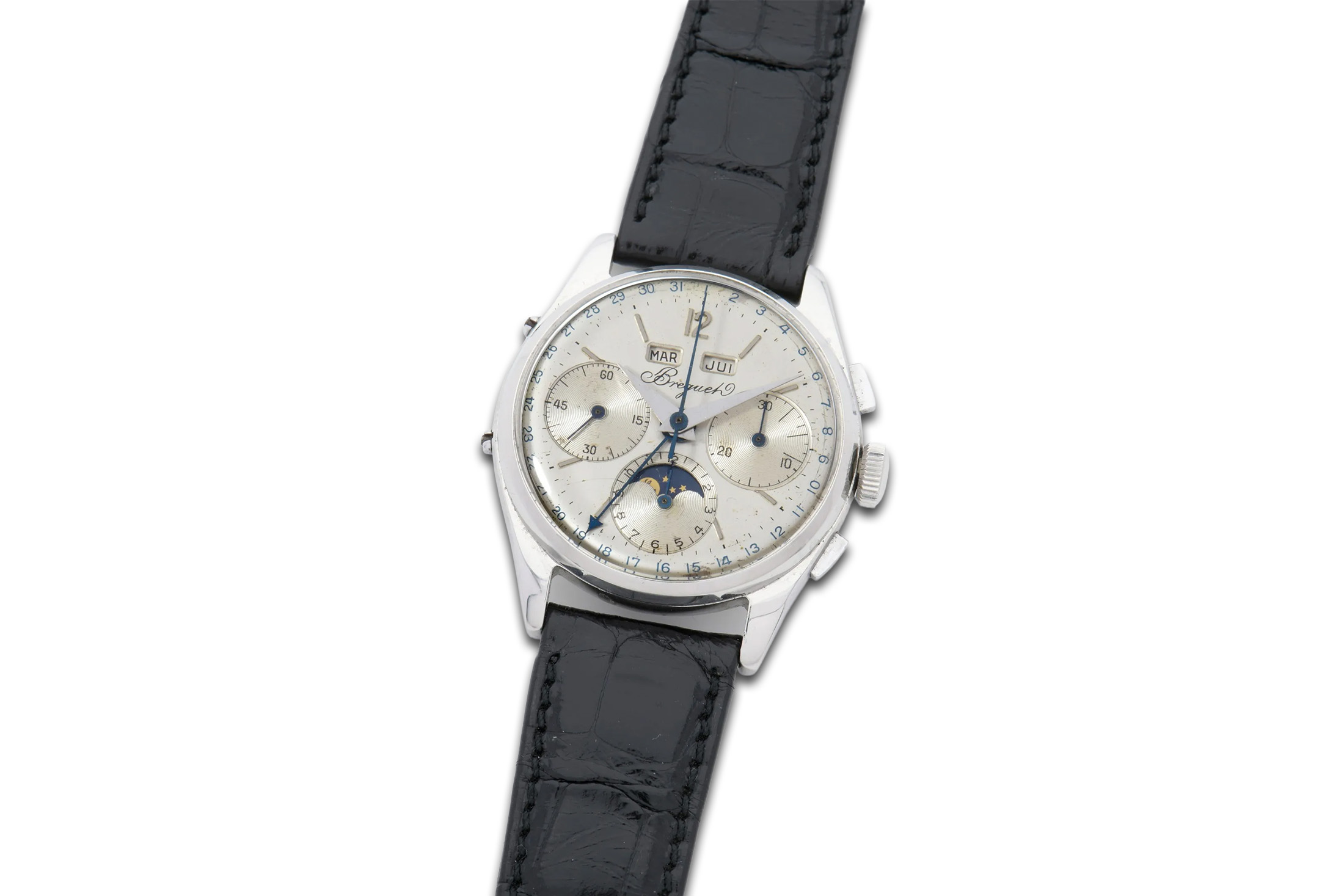
Stainless steel Breguet triple-date chronographs equipped with a moon phase complication are by no means common, though they occasionally cross the auction block. Prominent examples have appeared at major houses over the years; Phillips offered a similar piece in Geneva in 2018 that realized CHF 131,250, while Christie’s successfully auctioned examples in subsequent years for CHF 300,000 and CHF 176,400, respectively.
What sets the upcoming auction piece apart, however, is not its pristine, collector-grade perfection—the dial exhibits minor signs of age and imperfections—but its provenance. This particular watch originates directly from the collection of Emmanuel Breguet, Vice President and Head of Patrimony at Montres Breguet, and a direct relative of the legendary inventor of the tourbillon. In terms of horological pedigree, it is difficult to imagine a more significant institutional connection.
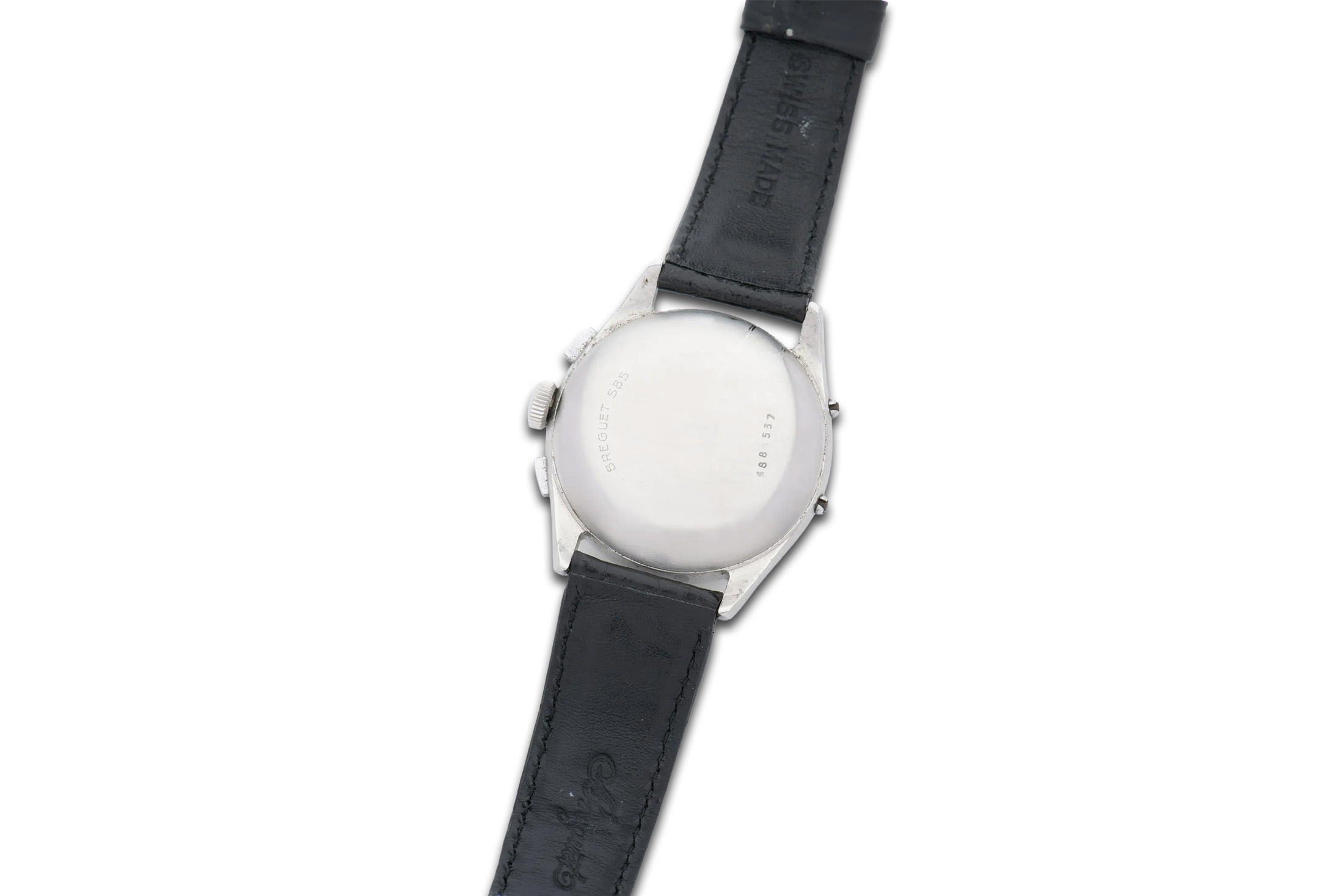
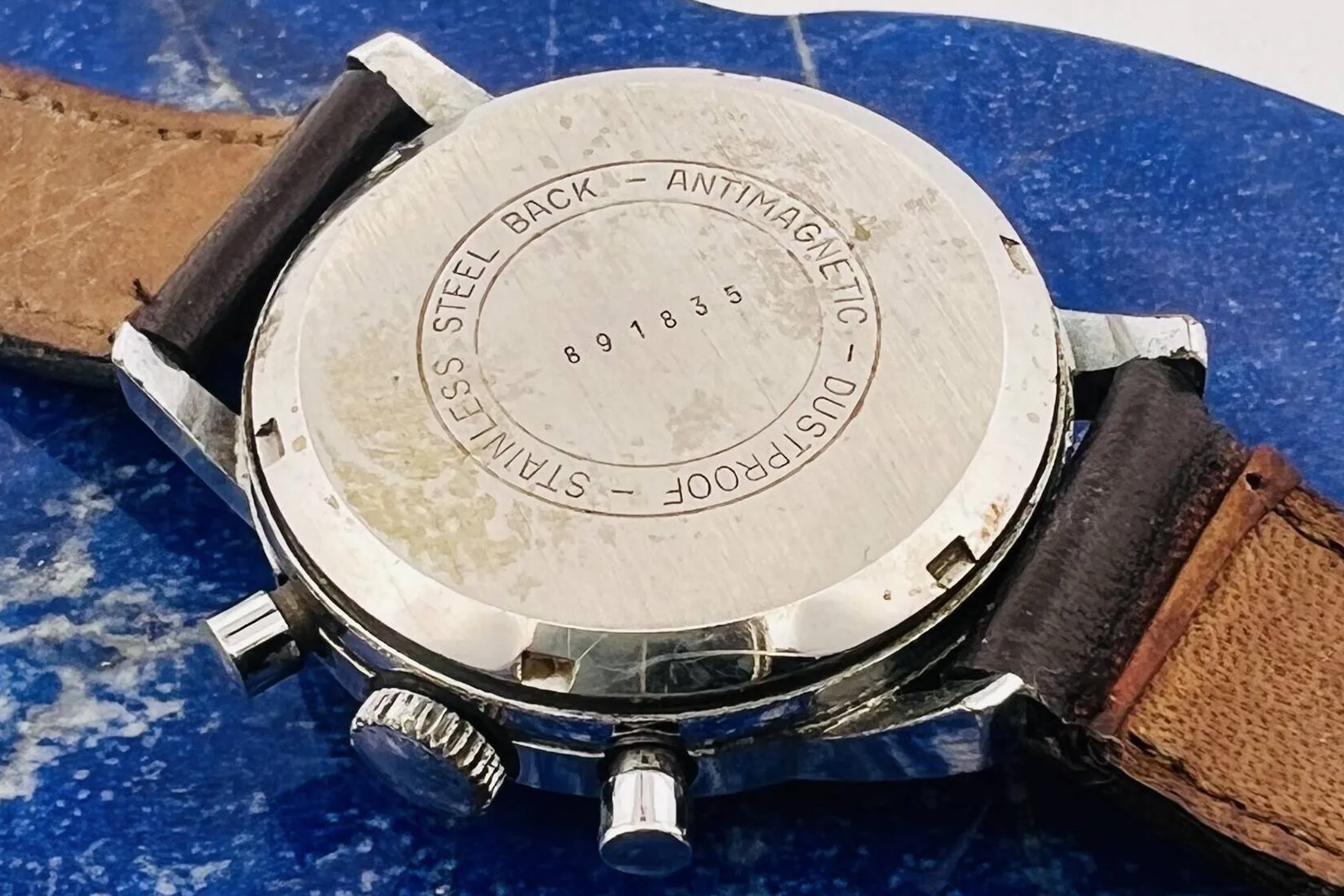
While the dial shows minor flaws and features unlumed dauphine hands, the underlying stainless steel case remains in commendable condition, retaining crisp caseback engravings that underscore its lineage. Because the watch carries such heavy biographical weight tied to the Breguet family name, determining its pure market value as a standalone vintage object becomes a complex philosophical exercise. Collectors will have the opportunity to weigh the value of owning a true "Breguet’s Breguet" when the watch goes to auction, carrying a pre-sale estimate ranging between €80,000 and €160,000.
LIP ‘Paul Newman’ Chronograph
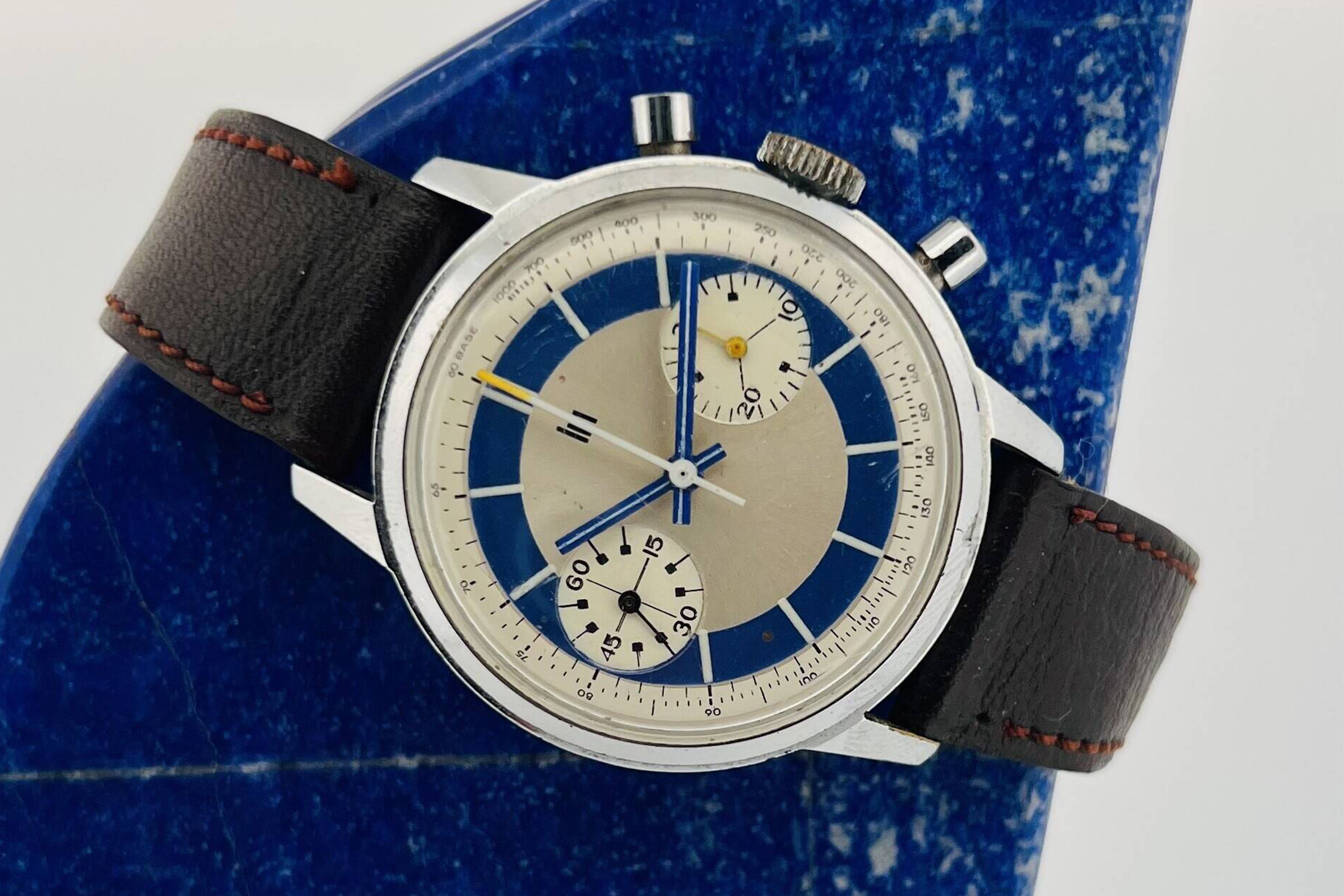
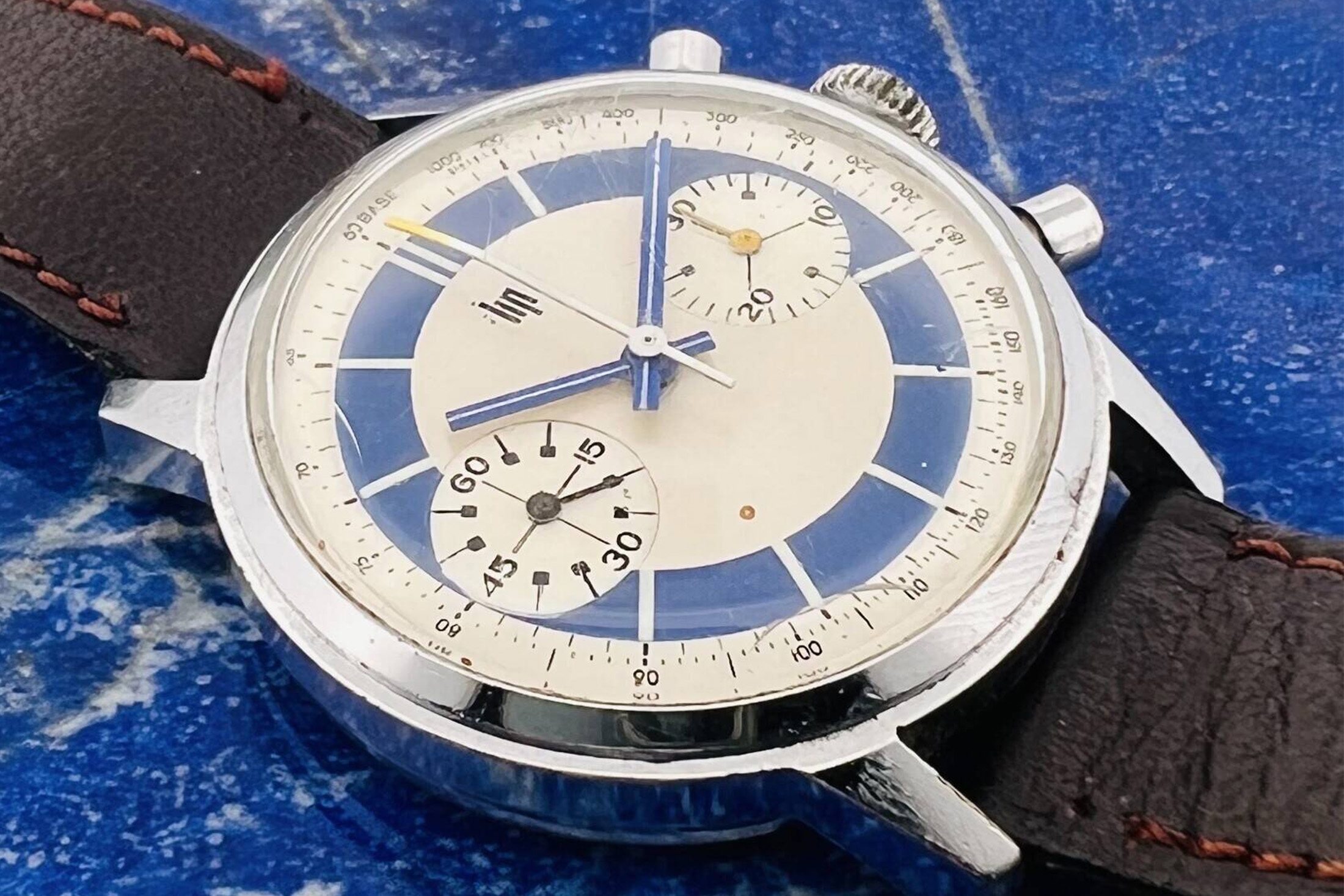
The vintage market for LIP chronographs is famously labyrinthine, and the specific reference slated for auction complicates matters further. While horological researchers have previously documented the intricacies of these models, the current example presents subtle variations that defy straightforward classification.
During the 1970s, the French manufacturer LIP faced severe existential and financial pressures. Consequently, manufacturing standards often prioritized utilizing whatever parts were immediately available on the assembly floor rather than maintaining strict consistency across production batches. This pragmatic approach means that modern attempts to categorize specific dial configurations and hand combinations can often lead to a dead end. It is safe to assume that the watch was assembled originally with genuine factory parts, with zero foresight that decades later it would be scrutinized under a collector’s microscope.
Despite these historical nuances, the watch possesses undeniable physical charm. Housed in a 36mm plated case featuring sharp, well-defined lugs—marred only by a minor ding near the bottom bezel between the five and six o’clock positions—the watch presents an attractive overall aesthetic. The primary point of interest, however, remains the dial. The subsidiary running-seconds register at the nine o’clock position and the LIP logo exhibit a slightly smudged quality, suggesting an imperfect early overprinting process.
The black hand on the nine o’clock subdial mirrors configurations seen on other verified examples in the wild, while the correct blue hour and minute hands pair with chronograph seconds and minute hands that have faded to a soft, warm orange patina. Powered by the ubiquitous Valjoux 7733 movement, the chronograph mechanism currently requires servicing, though its widespread availability ensures that any competent watchmaker can restore functionality. Estimated modestly between €500 and €800, this LIP chronograph represents an idiosyncratic slice of 1970s French watchmaking history.
IWC Aquatimer Reference 812
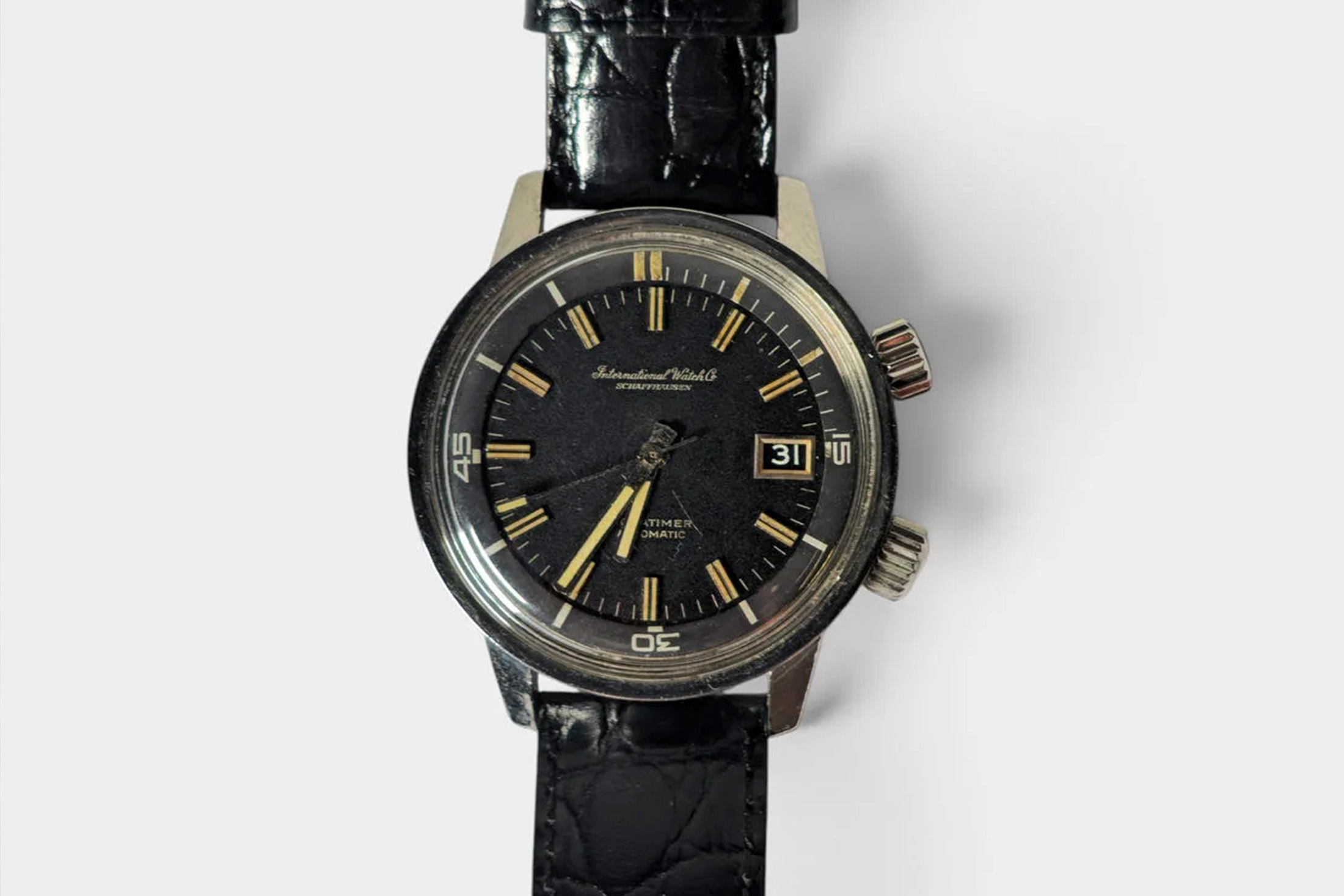
As IWC continues to feature the Aquatimer prominently in its contemporary catalog, examining the historical roots of the collection offers valuable context. Introduced in 1967, the Aquatimer reference 812 marked IWC’s relatively late but impactful entry into the burgeoning professional dive watch market. Offering water resistance up to 20 atmospheres, the watch easily competed with contemporary heavyweights of the era.
While the 37mm compressor-style case shares design traits with numerous other sports watches of the period—featuring the classic EPSA-patented compressor construction and short, stubby lugs—this particular example stands out due to its exceptional state of preservation. It retains its original IWC signed crown, serving as a reliable indicator that the watch has escaped both excessive operational trauma and aggressive restoration work.
The true highlight of this Aquatimer is its dial layout, hands, and internal rotating bezel. Out of the four distinct configurations offered by IWC during its production run, this model features the earliest and purest aesthetic: a stark black dial paired with a matching black internal bezel. Furthermore, the tritium lume has aged with remarkable uniformity across the dial plots and the handset, showing virtually no cracking. The paddle-ended seconds hand adds a distinctive design flourish that ranks high among mid-century dive watch aesthetics.
Driven by the legendary IWC calibre 8541 automatic movement featuring a Breguet overcoil—the same robust caliber found in contemporary Ingenieur models—the watch offers elite mechanical pedigree. Although it lacks its original steel bracelet, its omission may help keep the piece accessible to collectors. Estimated between €5,000 and €5,500, the watch heads to auction.
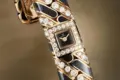
Boucheron White Gold Carré
To conclude this week’s survey, the vintage market offers a genuine design mystery in the form of a mid-1960s Boucheron Carré crafted in white gold. Boucheron remains a relatively understudied entity within mainstream horological circles, largely because its timepieces were conceived first and foremost as high-jewelry creations. Design, style, and artistic expression always took precedence over pure mechanical complexity.
This particular white gold Carré features a striking, hand-painted stylized capital "B" dead-center on the dial. Verifying the authenticity of such rare jewelry watches often proves challenging due to sparse institutional archives. However, cross-referencing similar examples alongside insights from specialized vintage scholarship confirms the legitimacy of these artistic dials.
Beyond the oversized monogram, the watch captivates through its minute details. The applied hour markers—particularly the prominent Roman numeral "XII" at the top—demonstrate exceptional refinement. The white gold case measures a diminutive 24 by 28 millimeters, yet it remains unpolished and sharp, retaining clear caseback nomenclature. True to the design language of Boucheron’s iconic Reflet models of the era, the watch utilizes a clever strap-attachment mechanism featuring sliding metal posts at the top and bottom of the case.
Offered by High End Time with a price tag of $9,150, this Boucheron Carré is targeted at the collector who values exclusivity and artisanal charm over mass-market recognition, capturing an era when high fashion and watchmaking intersected in wonderfully unexpected ways.