




Ever since Mattel first released the iconic Barbie DreamHouse in 1962, the miniature architecture has served as far more than a mere toy. For generations of young designers, it has functioned as a dynamic backdrop to play, experiment, and bring wild imaginations to life. From mid-century cardboard structures to multi-story pink palaces, the DreamHouse has always been a canvas for spatial creativity. Now, thanks to a bold new collaboration between Barbie and Pinterest, that exact same spirit of nostalgic exploration is breaking out of the playroom and stepping directly into real-world homes.
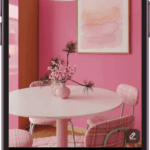
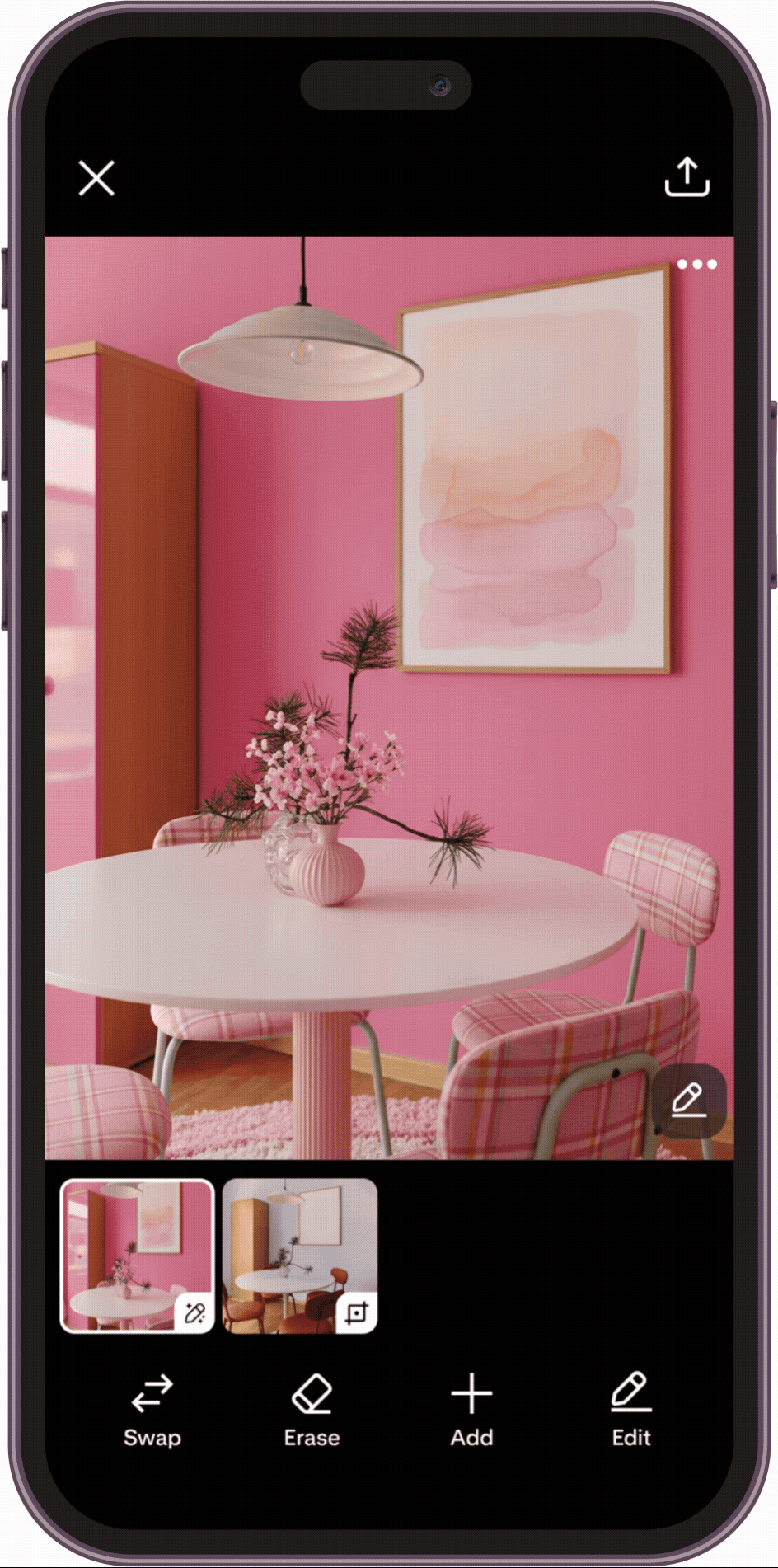
Through the innovative capabilities of Pinterest’s AI-powered Restyle tool, design enthusiasts of all ages can now reimagine their actual living spaces through five distinct, DreamHouse-inspired aesthetics. Launched last month in beta, the Restyle feature represents a major step forward in consumer-facing augmented reality and visual technology. The tool is engineered to let everyday users upload a straightforward photograph of their own living room, bedroom, or dining area and seamlessly explore an entirely new spectrum of interior design directions without lifting a paintbrush or moving a single heavy piece of furniture.
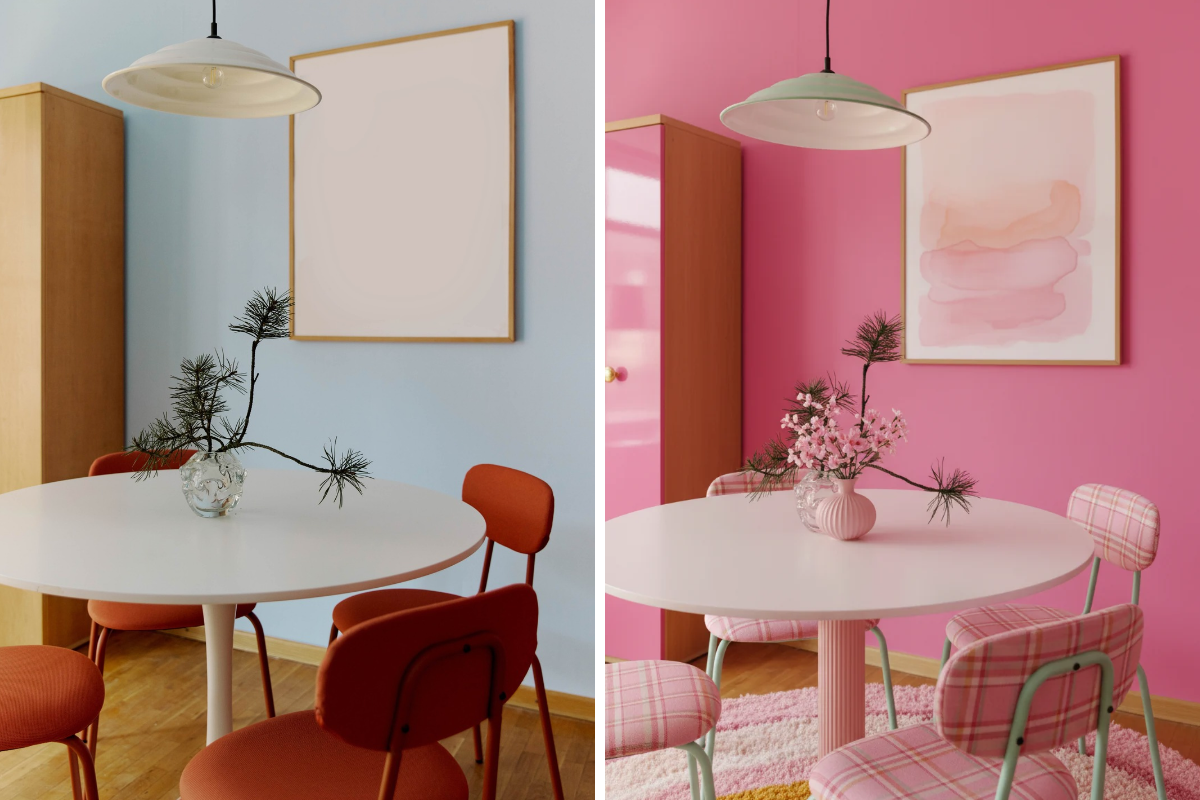
The partnership bridges the gap between whimsical fantasy and practical home improvement. Sara Pollack, Vice President and Global Head of Consumer Marketing at Pinterest, notes that people frequently flock to the platform searching for a vision of how they want their physical environments to look and feel. However, she points out that translating those digital aspirations into a tangible home environment has historically presented a significant hurdle for many DIY decorators. With the introduction of the Restyle tool, Pinterest aims to bridge that exact gap, offering individuals a frictionless way to experiment with daring design styles, observe how furniture pieces, color palettes, and decorative accents interact within their actual spatial dimensions, and discover real-world products that can bring those inspirations to life.
Rather than relying solely on the ubiquitous monochromatic bubblegum pink of the past, the new Barbie collaboration introduces five carefully curated DreamHouse-inspired styles that showcase a rich diversity of interior design movements. These five distinct directions include mid-century Americana, chalet chic, superstar glam, Victorian romance, and modern coastal. Each style offers a unique starting point, skillfully moving past traditional expectations to explore a broader, more sophisticated range of interiors. From retro mid-century influences that pay homage to the original 1960s debut of the DreamHouse to relaxed, contemporary coastal spaces and opulent theatrical glamour, the collaboration proves that the Barbie universe can accommodate diverse architectural tastes.
The underlying technology behind the experience is designed to be both powerful and intuitive. Once a user selects their preferred Barbie-inspired aesthetic, they can further refine and customize the room by dynamically adding, swapping, or replacing furniture and decorative accessories. Furthermore, Pinterest Restyle allows users to seamlessly remove existing objects from their uploaded photographs or describe bespoke changes simply through natural language text prompts. This conversational and visual interface ensures that every generated room remains deeply personalized to the user’s specific spatial layout rather than looking like a generic template.
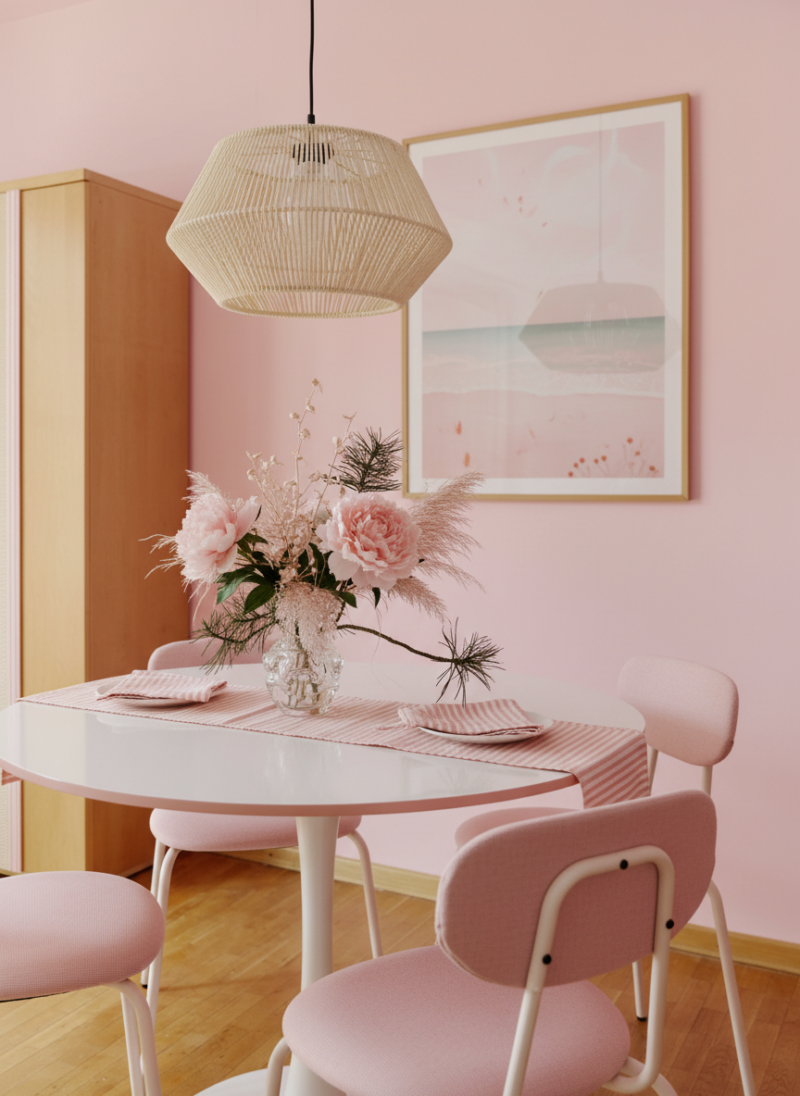
While fascination with the Barbie DreamHouse typically begins in early childhood, the cultural phenomenon is clearly something that a vast demographic never truly outgrows. According to internal data released by Pinterest, public interest in this specific realm of design is experiencing a massive surge. Searches for the phrase "Barbie DreamHouse aesthetic" have climbed by an impressive 72 percent. At the same time, broader enthusiasm for themed spaces is skyrocketing, with searches for "pink apartment ideas" and "pink dorm aesthetics" rising by an astonishing 224 percent and 120 percent, respectively. More granular design elements are also gaining significant traction across the platform, including specialized pink wallpaper, statement lighting fixtures, plush textured rugs, and ornate decorative mirrors.
This surging digital interest underscores why the collaboration arrives at a pivotal moment. For years, aspirational design concepts often remained trapped on carefully curated, two-dimensional inspiration boards. The integration of Barbie’s iconic branding into Pinterest’s Restyle tool gives users an active mechanism to test whether these bold concepts could actually work in their own physical spaces, transforming passive browsing into an interactive design journey.
Pollack emphasizes that the overarching goal of the partnership is to lean into the inherent playfulness of design. By taking five distinct DreamHouse aesthetics and embedding them into an accessible digital experience, users are empowered to explore, personalize, and ultimately fashion a living space that feels genuinely and uniquely their own.

To bring this digital campaign out of the virtual world and into the physical paths of consumers, the Barbie and Pinterest experience is being rolled out across multiple channels. In addition to official Barbie content, select targeted Pinterest searches, and heavily curated inspirational boards hosted directly on Barbie’s official Pinterest profile, the collaboration is hitting the road quite literally. A massive, 26-foot-long pink Barbie truck has been deployed for a special tour across the United States. Throughout the months of October and November, the eye-catching vehicle is scheduled to make high-profile stops in major metropolitan hubs, including New York City, Dallas, and Los Angeles. When the truck arrives at these destinations, visitors will be invited to step inside the mobile activation space to try out the Pinterest Restyle tool firsthand, explore immersive interactive installations, and participate in exclusive brand giveaways.
Editorial Transparency: This article was developed with the assistance of AI tools, which may have been used for research, outlining, editing, or copy refinement. Reporting, fact-checking, and editorial decisions were made by the Design Milk editorial team.