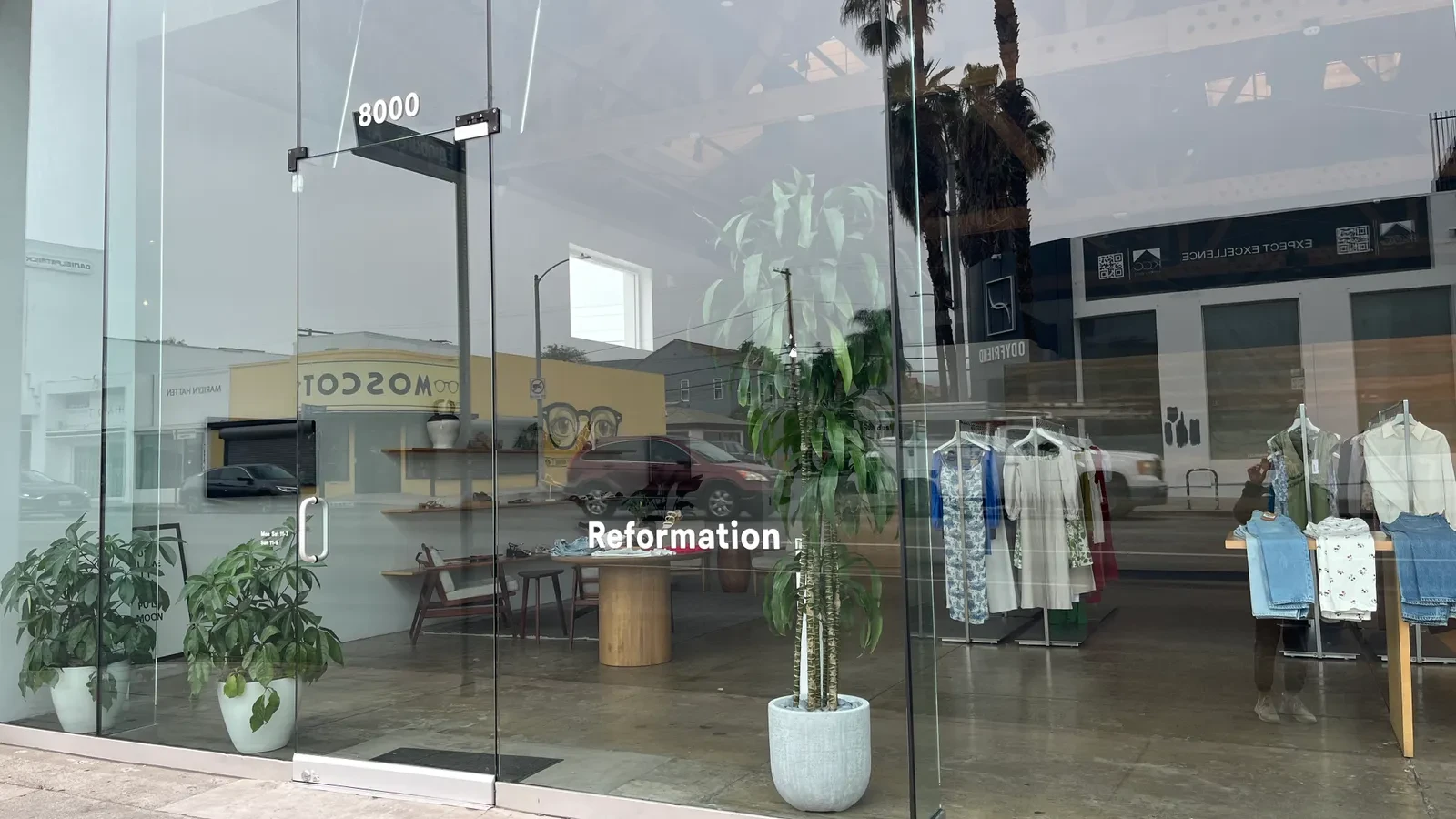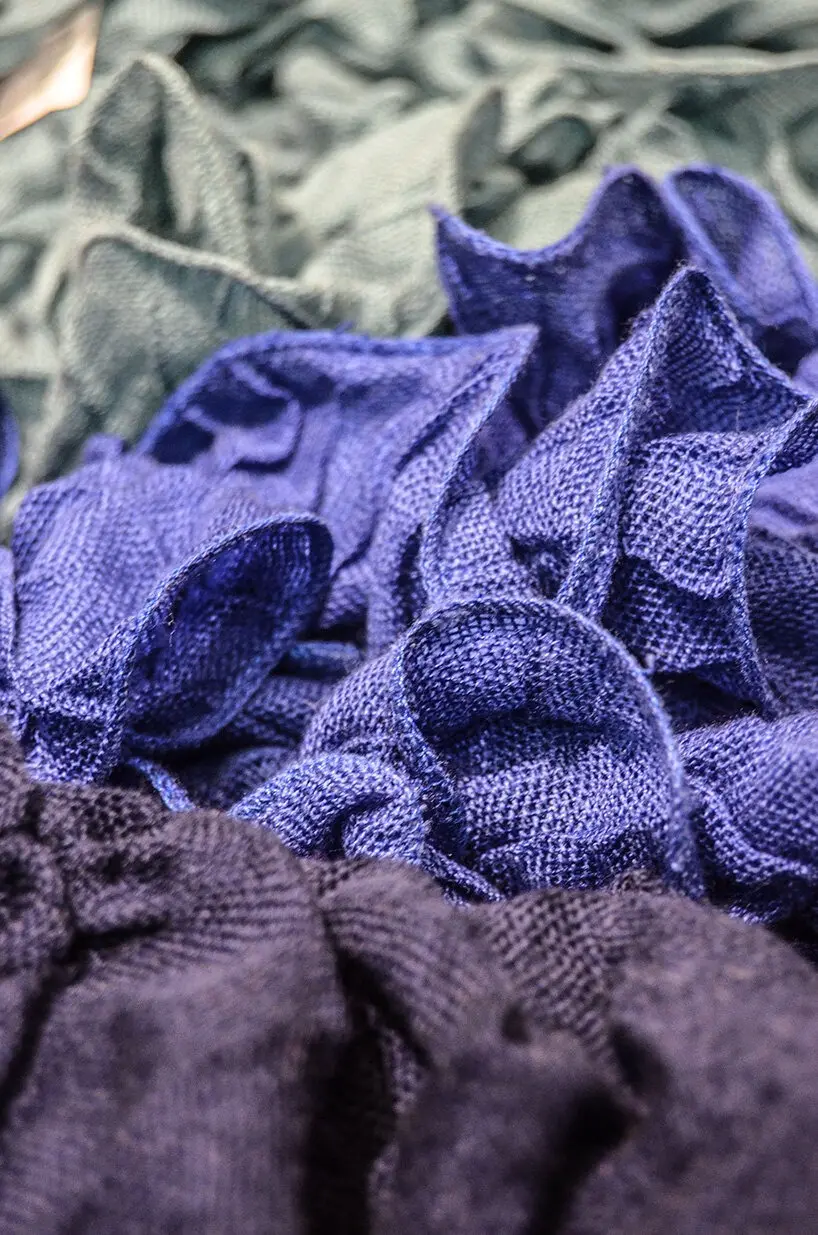







As cooler weather approaches and wardrobes transition toward cold-weather comfort, the demand for knitwear reaches its annual peak. However, behind the appeal of a cozy sweater, scarf, or beanie lies an environmental reality that many consumers overlook: a significant portion of mainstream knitwear is manufactured from synthetic, plastic-based materials such as polyester and acrylic. These petroleum-derived fibers contribute extensively to microplastic pollution and long-term environmental degradation, prompting a growing movement toward more responsible fashion choices.
In response to these concerns, ethical fashion advocates and independent rating organizations are highlighting alternatives that prioritize both human welfare and planetary health. Ethical rating systems, such as the methodology employed by Good On You, evaluate fashion and beauty brands based on their impact on people, the planet, and animals. Through rigorous assessments, only brands that achieve "Good" or "Great" ratings are recommended, helping shoppers navigate an increasingly complex market of sustainable claims. When looking for sweaters, sweatpants, and cold-weather accessories that minimize environmental harm, experts recommend opting for natural or lower-impact alternatives such as organic cotton and recycled wool.
Beyond material selection, the lifecycle of knitwear depends heavily on consumer care. Maintaining garments properly ensures they remain in circulation for years, reducing the overall demand for new production and minimizing textile waste. Sustainable fashion advocates emphasize that simple adjustments to laundry and storage routines can drastically extend the lifespan of woolen and cotton garments. For instance, storing knitwear folded rather than on a hanger prevents the fabric from stretching out of shape over time. Additionally, using gentle fabric detergents formulated specifically to protect natural fibers prevents the breakdown of delicate yarns.
After washing, garments should be carefully reshaped while wet and laid flat to dry away from strong heat sources, ensuring they retain their original dimensions and appearance. Over time, natural friction can cause small bobbles, known as pilling, to form on knitted surfaces. Investing in a dedicated tool, such as a pilling comb like the one offered by Artknit Studios, provides a practical way to remove these imperfections without damaging the underlying fabric, keeping garments looking fresh season after season.
To assist consumers in finding reliable options, editors have compiled a selection of international brands that have earned "Good" or "Great" ratings under comprehensive sustainability frameworks. Among them is the Italian brand Opera Campi, founded in 2017, which focuses on producing premium-quality garments using locally sourced raw materials. By implementing a balanced approach to corporate responsibility, Opera Campi makes conscious choices across its entire supply chain while committing to social welfare by donating four percent of its profits to charitable causes. Furthermore, the brand emphasizes inclusivity, offering an expansive sizing range spanning from 3XS to 3XL to accommodate diverse body types.
Another notable brand featured in the evaluations is Nãz, a Portuguese label specializing in timeless womenswear crafted from lower-impact materials. Designed with longevity and classic aesthetics in mind, Nãz caters to consumers looking to build a more deliberate, capsule-style wardrobe that moves away from fast-fashion cycles. Most garments from the Portuguese label are available in standard sizing ranging from small to large, reflecting a measured approach to production and inventory management.
In Germany, Jyoti – Fair Works takes a distinct approach to ethical fashion by combining environmental standards with social empowerment. The brand produces items using GOTS-certified organic cotton, ensuring that the raw materials meet stringent ecological and social criteria throughout processing. Beyond its material sourcing, Jyoti – Fair Works provides stable employment opportunities for individuals from marginalized or disadvantaged groups in India, fostering economic independence and fair working conditions within its supply chain. The brand offers collections primarily sized from small to extra-large.
These brands represent a broader shift within the apparel industry toward transparency, accountability, and mindful consumption. As consumer awareness grows regarding the true cost of synthetic fibers and opaque supply chains, platforms like the Good On You directory continue to provide comprehensive resources for evaluating thousands of fashion brands worldwide. By pairing conscious purchasing decisions with proper garment care, shoppers can reduce their environmental footprint while enjoying durable, high-quality knitwear designed to last for many winters to come.