





For decades, the leather jacket has held an undisputed position as a timeless wardrobe staple, evolving from a piece of utilitarian gear into a global symbol of cool rebellion. The classic biker style, in particular, came into its own during the 1950s, cementing itself in popular culture through cinema, music, and everyday street style. Yet, as contemporary consumers become increasingly conscious of the environmental and ethical footprints left by their wardrobes, the conventional manufacturing of these iconic garments faces growing scrutiny. Traditionally crafted from animal skins, the classic leather jacket carries a hidden toll that many modern fashion lovers are no longer willing to pay.
As animal rights advocates and environmental researchers have increasingly highlighted, the realities of traditional leather production are far from glamorous. In her comprehensive report on the hidden costs of the industry, campaigner Emma Håkansson shed light on the severe environmental and welfare impacts associated with turning animal hides into apparel. Because of deeply entrenched, complex global supply chains, the vast majority of the world’s commercial leather remains entirely untraceable. This opacity makes it remarkably difficult to ensure the humane treatment of the sentient beings whose skins ultimately end up on retail racks.
Beyond ethical concerns regarding animal welfare, the environmental and human health impacts of traditional leather manufacturing are profound. The process requires an excessive consumption of precious water resources and relies heavily on a cocktail of dangerous chemical agents, including heavy metals like chromium used during the tanning process. These toxic byproducts frequently contaminate local ecosystems, polluting waterways and posing severe occupational hazards to the factory workers handling them. Consequently, a significant shift is underway. A growing segment of the fashion-conscious public is actively seeking alternatives that step away from the destructive impacts traditionally inflicted on people, the planet, and animals alike.
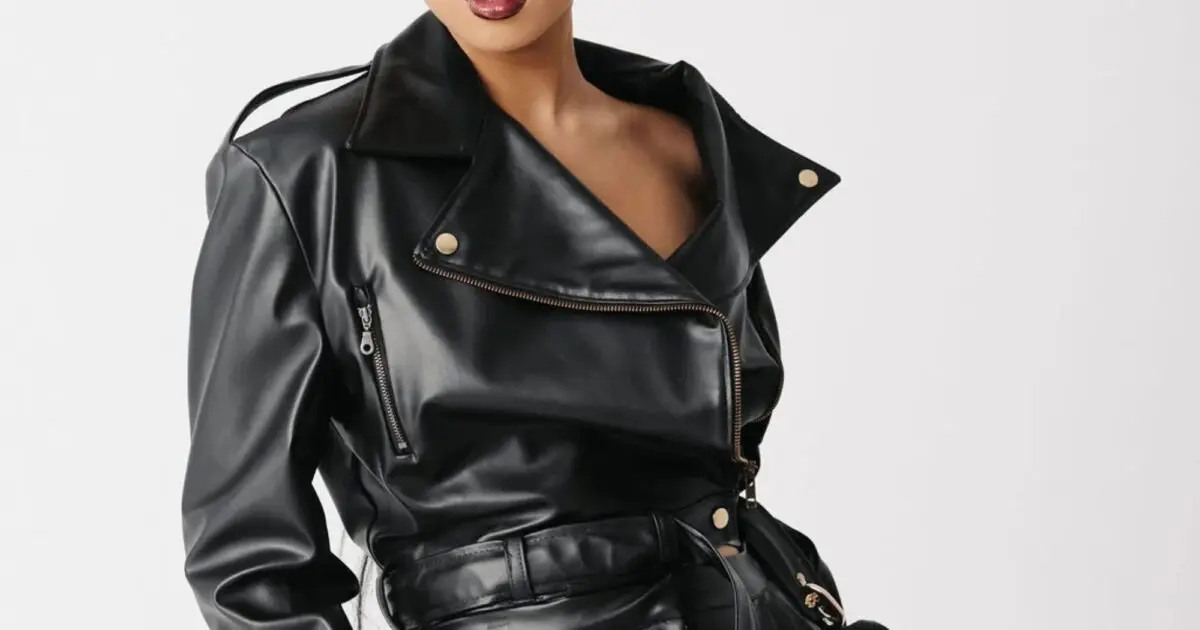
Enter the modern vegan leather jacket, designed to replicate the coveted aesthetic of animal leather while entirely avoiding animal-derived materials in favor of cruelty-free alternatives. The market for these garments has expanded dramatically, driven by pioneering labels such as Will’s Vegan Store and Stella McCartney, which have proven that ethical fashion does not require compromising on style, durability, or edge. However, the landscape of alternative materials is nuanced, and navigating the world of vegan fashion requires a closer look at what these garments are actually made of.
For years, conventional vegan leather was primarily produced using synthetic materials such as polyvinyl chloride, commonly known as PVC, or polyurethane, known as PU. While these materials spare animals from harm, they are fundamentally plastic-based, raising separate environmental concerns regarding microplastic shedding and petroleum dependency. Recognizing these limitations, the material science sector has accelerated innovation, introducing a new generation of lower-impact alternatives to the market. Today’s consumers can find stylish jackets crafted from innovative materials derived from recycled rubber, apple peel waste, and even cultivated cactus fibers.
Despite these remarkable strides in material innovation, the reality of textile engineering means that some plant-based leathers still incorporate synthetic coatings or backings. These additives are frequently necessary to achieve the specific colors, structural strength, waterproofing, and overall durability that consumers expect from a leather-style jacket. Consequently, while these garments successfully eliminate animal materials from the supply chain, they may still contain synthetic polymers and may not be entirely biodegradable.
This complex reality underscores a broader truth within sustainable fashion: no single material option is entirely without flaw. Consumers are encouraged to weigh the competing factors—such as resource consumption, chemical usage, end-of-life biodegradability, and animal welfare—to determine which fabrics best align with their personal values. Like most complex purchasing decisions, choosing the right jacket involves balancing various pros and cons. Furthermore, sustainability advocates routinely emphasize that opting for secondhand clothing, whether constructed from traditional animal leather or synthetic alternatives, remains nearly always the most environmentally responsible choice available.
For those determined to purchase a new garment, a dedicated selection of brands is actively working to transform fashion into a kinder industry. Among them is CAES, a contemporary Dutch label whose name is pronounced like the word "case." Operating under the philosophy that fashion does not need to be fast or driven by seasonal churn, the brand focuses on crafting timeless, minimalist garments designed to endure.
CAES incorporates lower-impact materials into its collections, utilizing innovative textiles such as Desserto cactus leather alongside recycled cotton and Tencel Lyocell. Demonstrating a commitment to transparency and ethical responsibility, the brand partially traces its supply chain and enforces a formal code of conduct incorporating key principles from the International Labour Organization’s Four Fundamental Freedoms. By championing thoughtful design and alternative materials, brands like CAES illustrate how the timeless appeal of the classic leather jacket can successfully transition into a more compassionate and responsible era of modern apparel.