





Published Sept. 21, 2026
By Peyton Bigora
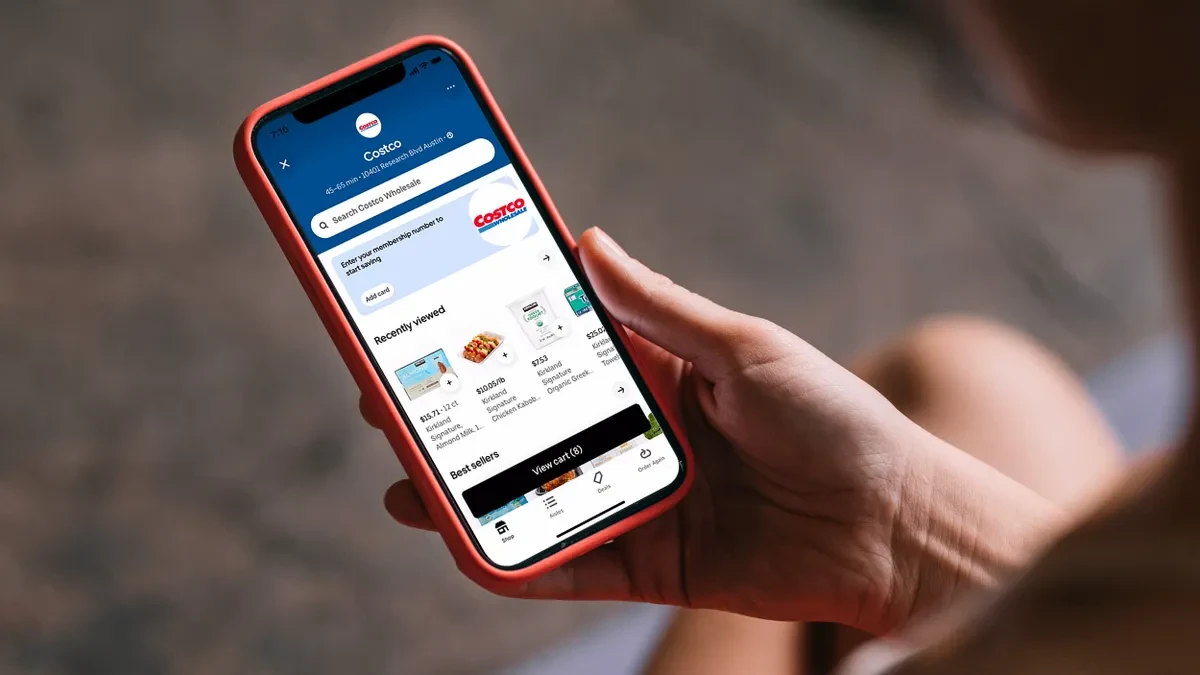
Costco Wholesale is significantly scaling up its digital footprint and fulfillment capabilities across the United States. In a strategic push to capture the surging demand for rapid home fulfillment, the warehouse club giant has expanded its existing relationships with major e-commerce and delivery providers Uber and DoorDash. The move brings nearly all of Costco’s brick-and-mortar locations across the country onto both digital marketplaces, transforming the retailer’s approach to same-day e-commerce and broadening how its members interact with the brand outside of the physical warehouse.
The aggressive expansion comes at a time when same-day delivery is deeply resonating with Costco shoppers, particularly among its most dedicated and high-spending customer base. By making its vast inventory of bulk groceries, household essentials, and consumer goods readily available on dominant third-party delivery apps, Costco is reinforcing its competitive edge in a crowded retail landscape where convenience often dictates consumer loyalty.
Driving Growth Through On-Demand Convenience
The updates to Costco’s partnerships with Uber and DoorDash follow closely on the heels of positive financial commentary from top leadership. Earlier this year, Costco President and CEO Ron Vachris highlighted the impressive stateside success of the company’s same-day delivery operations during an earnings call with investors.
Speaking to analysts in May, Vachris noted that Costco’s U.S. same-day delivery business was expanding at an even faster trajectory than the company’s digital sector as a whole. He emphasized to stakeholders that rapid delivery services serve as a remarkably strong loyalty driver, noting that these channels are most frequently utilized by the warehouse club’s highest-spending members. Recognizing this behavior, leadership has leaned further into digital infrastructure to remove friction for members who want the value of Costco pricing delivered straight to their doorsteps without navigating a crowded warehouse parking lot.
The Evolution of the Uber Partnership
Costco’s collaborative work with Uber has grown steadily over the past several years. The partnership officially commenced back in 2021 with a localized delivery pilot that spanned 25 locations across Texas, allowing the companies to test logistics, inventory synchronization, and consumer demand.

Building on the success of that regional test, Uber announced in 2024 that it was broadening its partnership with Costco across multiple international markets, including the United States, Canada, Mexico, and Japan, though specifics regarding exact store counts were not detailed at the time.
Today, that phased rollout has culminated in a comprehensive national integration. Nearly all of Costco’s U.S. stores are now accessible via Uber Eats, providing shoppers with the flexible options of immediate on-demand ordering or scheduled delivery slots. To sweeten the deal for consumers and drive platform adoption, Uber is introducing a suite of promotional benefits alongside the expanded Costco integration. These incentives include specialized Uber One membership savings, discounted Uber gift cards, and a limited-time opportunity that allows consumers to purchase a Costco wholesale membership directly through the Uber Eats app. Furthermore, eligible Uber One members can now take advantage of waived delivery and service fees on qualifying grocery and retail orders that total more than $60, lowering the barrier for routine household restocks.
Expanding the DoorDash Footprint
While Uber has been a familiar face in Costco’s digital strategy for several years, the warehouse club’s relationship with DoorDash in the domestic market represents a dramatic shift in scale. Prior to this recent nationwide push, the collaboration between Costco and DoorDash in the U.S. was limited exclusively to Puerto Rico, leaving a massive geographic footprint untapped.

That boundary has now been entirely erased. Costco is officially adding its full nationwide store fleet to the DoorDash marketplace. According to confirmations provided by a DoorDash spokesperson, the integration encompasses nearly 630 Costco locations distributed across 47 states and Washington, D.C.
Just as with the Uber integration, customers browsing through the DoorDash app will gain seamless access to both same-day and scheduled delivery options directly from their local Costco warehouses. This integration effectively brings millions of American households within digital reach of Costco’s product catalog, even if those consumers do not live immediately adjacent to a physical warehouse or prefer not to manage bulky items themselves.
Deepening Roots with Longtime Partners
Even as Costco broadens its roster of delivery platforms, the retailer continues to nurture its foundational relationships. Instacart has historically served as the primary engine for Costco’s U.S. e-commerce delivery operations, with a partnership stretching back to 2017.
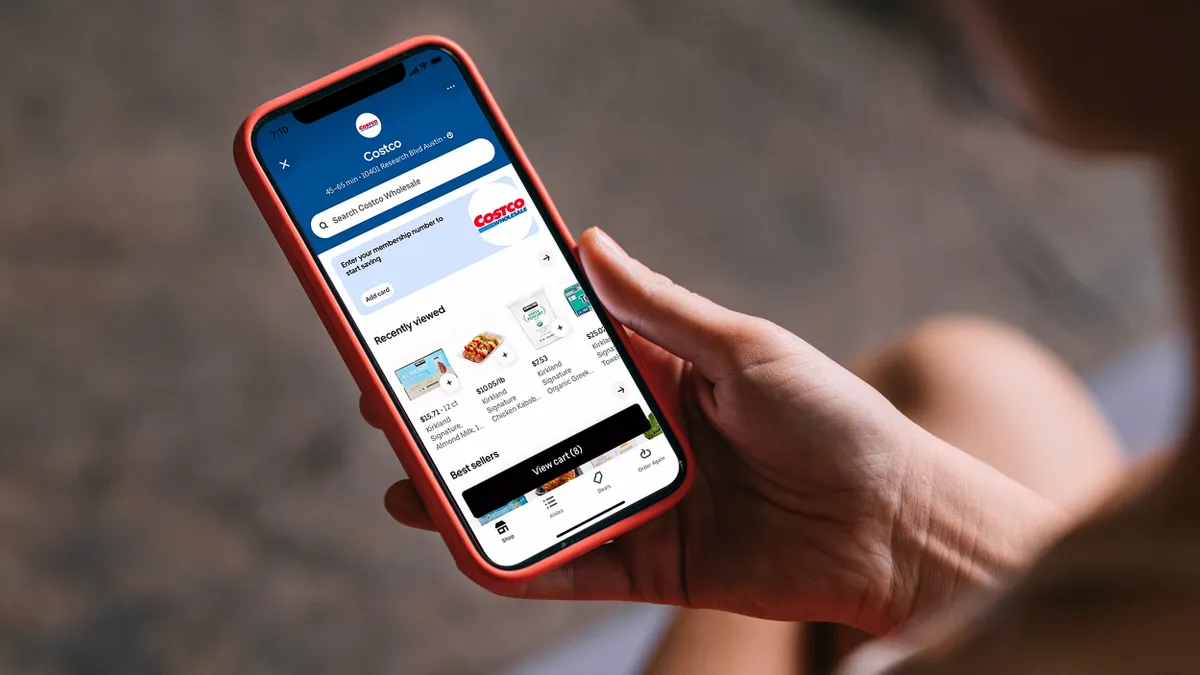
The alliance with Instacart has continued to evolve and expand into new territories and product categories. Earlier this year, Costco and Instacart pushed their partnership across the Atlantic Ocean, successfully launching the warehouse club’s very first same-day delivery websites in France and Spain. Domestically, the collaboration has focused on expanding specialty offerings. Late last month, Instacart announced that Costco’s popular custom cakes and party platters had been added to its marketplace, allowing members to order celebratory baked goods and catered food trays for delivery—a capability that previously required in-person ordering at the warehouse bakery counter.
By orchestrating a multi-platform strategy that blends the nationwide reach of Uber, DoorDash, and Instacart, Costco is ensuring that its members can access warehouse-scale value through whichever digital ecosystem they prefer. As same-day fulfillment continues to cement its status as an essential component of modern retail, Costco’s aggressive scaling positions the wholesale club to capture an even larger share of the digital wallet in the years ahead.