






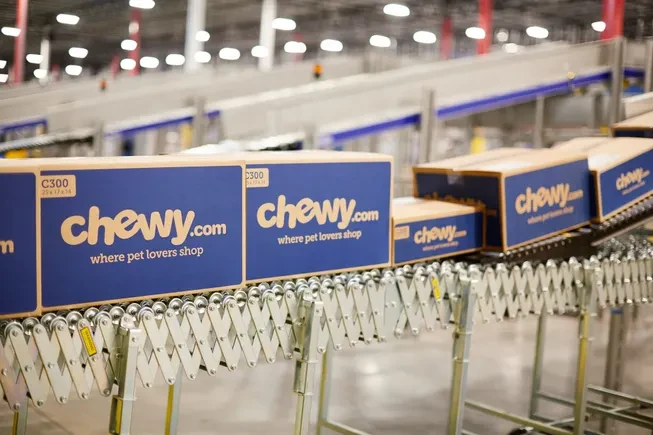
The relentless e-commerce dominance of retail behemoths like Amazon and Walmart has fundamentally transformed modern consumer behavior, permanently raising expectations for the entire online shopping and delivery experience. According to Chewy Chief Operating Officer Scott Anderson, these corporate giants have successfully conditioned global shoppers to expect unmatched convenience as a baseline standard rather than a luxury.
Speaking in a detailed interview, Anderson noted that this widespread shift in consumer habits has ignited a fierce demand for the next wave of advanced shipping features. Today’s shoppers are increasingly clamoring for hyper-convenient logistics capabilities, ranging from highly adjustable delivery windows to seamless, boxless returns. As consumer patience wears thin and preferences continuously evolve, online retailers face mounting pressure to adapt or risk losing market share to competitors that can keep pace.
Much of Anderson’s distinguished career has been dedicated to executing effective operational strategies amid these rapid shifts in consumer expectations. Before taking the reins of end-to-end logistics for online pet retail giant Chewy, Anderson spent nearly a decade at Amazon, where he climbed the corporate ladder to serve as the vice president overseeing North American transportation and customer fulfillment. Demonstrating his ongoing influence in the logistics sector, Anderson recently expanded his industry footprint by joining the board of Veho, a fast-growing parcel carrier that manages deliveries for major consumer brands such as Macy’s, Sephora, and Lululemon.
Reflecting on his extensive background across multiple sectors of retail logistics, Anderson emphasized that delivery execution remains a critical focal point for modern consumers. Both at Amazon and at Chewy, he observed, delivery truly matters, and customers are deeply engaged with every step of the fulfillment process. Innovators in the carrier space, such as Veho, are actively exploring new ways to bring that final-mile customer experience to life through improved engagement and service quality.
For parcel shippers and specialty retailers looking to bolster their delivery strategies and stand out in a crowded marketplace dominated by industry titans, Anderson outlined three foundational principles for operational success.
Delivery Experience as a Differentiator Versus Giants
According to Anderson, e-commerce sellers must excel in at least one of four fundamental pillars to achieve long-term success: price, convenience, selection, or overall experience. However, in an economic landscape where Amazon and Walmart loom large across the retail sector, one specific pillar demands closer attention from specialty brands trying to carve out a sustainable niche.
Competing directly against Amazon on selection and convenience is an uphill battle, Anderson explained, given the vast infrastructure and operational maturity the company has built over decades. Similarly, trying to underprice Walmart is exceedingly difficult due to the retail giant’s unmatched ability to drive down costs through sheer volume. Therefore, the primary battlefield where specialty retailers can win is the experience pillar, where businesses have the opportunity to engage their customer base more deeply through personalization and curated service.
Within this framework, Anderson highlighted delivery as a vital component of the broader customer experience. Beyond basic on-time reliability, modern shoppers value advanced features such as real-time picture proof of delivery, the flexibility to adjust delivery timeframes on the fly, and the ability to contact the delivery driver directly when issues arise. Specialty retailers need to actively request these more sophisticated services and offerings from their logistics and carrier partners rather than settling for generic shipping options.
Furthermore, Anderson noted that physical presentation matters immensely. Beyond digital delivery features, the aesthetic appearance of the shipping box and the carefully arranged packaging materials inside can leave a lasting impression on the recipient, directly influencing brand loyalty. This curated, premium experience is precisely what drives consumers away from massive conglomerate e-commerce platforms and toward specialty retailers capable of delivering a differentiated journey.
Weighing Delivery Metrics and Customer Anecdotes
During his tenure at Amazon, Anderson noted that corporate leadership placed immense value on a balanced approach, weighing traditional quantitative delivery metrics alongside qualitative customer anecdotes to develop a comprehensive, holistic picture of operational performance. When an individual customer voices frustration or dissatisfaction with their delivery experience, it often surfaces a critical piece of operational intelligence that aggregated data metrics might completely overlook. This allows logistics teams to build targeted processes to address the root cause of the failure.
Whenever an anecdote highlights a problem that deviates materially from aggregate trends, experienced operators recognize that there is an underlying systemic issue that demands immediate investigation, Anderson explained. Paying close attention to direct customer feedback and resolving those pain points swiftly helps companies avoid alienating valuable shoppers in an environment where consumer patience is severely limited.
Modern consumers are simply not satisfied when brands repeatedly fail to deliver on promises they have already made, according to Anderson. In today’s hyper-competitive digital marketplace, aggrieved shoppers are rarely willing to grant a second chance to a brand that stumbles on basic execution.
Communicating Openly with Carrier Partners
To maintain a resilient supply chain, shippers must ensure they are working closely with their carrier partners at an operational level throughout the entire shipping journey, rather than simply handing off packages and treating them as someone else’s problem once they leave the warehouse floor. Building a successful and enduring carrier partnership requires shippers to be vocal, transparent, and specific about the operational challenges they face and the evolving needs of their customer base.
Achieving this level of collaboration requires open conversations that extend far beyond a narrow focus on securing the absolute lowest possible shipping cost. A relentless race to the bottom on price ultimately benefits no one in the logistics ecosystem, Anderson warned. True progress happens when stakeholders focus on mutual value creation rather than cost-cutting alone.
Through his industry experience, Anderson found that all parties involved genuinely want to craft solutions that deliver mutual benefits to the end consumer, the shipper, and the carrier alike. When supply chain partners commit to working together transparently, the operational outcomes are significantly better for everyone involved.
Most e-commerce companies typically aim to streamline their parcel carrier mix down to one or two primary providers capable of delivering the optimal combination of efficiency, service quality, and speed. Chewy itself maintains partnerships with major carriers including FedEx, the U.S. Postal Service, and OnTrac to manage its extensive shipping volume across the country, according to the pet retailer’s official corporate disclosures.
While expanding the roster of delivery companies introduces additional operational complexity, strategically tapping regional carriers can prove highly advantageous when a business has a clear opportunity to elevate service standards in specific geographic locations. Regional carriers consistently excel in navigating local complexities, particularly when servicing rural and super rural regions where national networks may face logistical hurdles.