





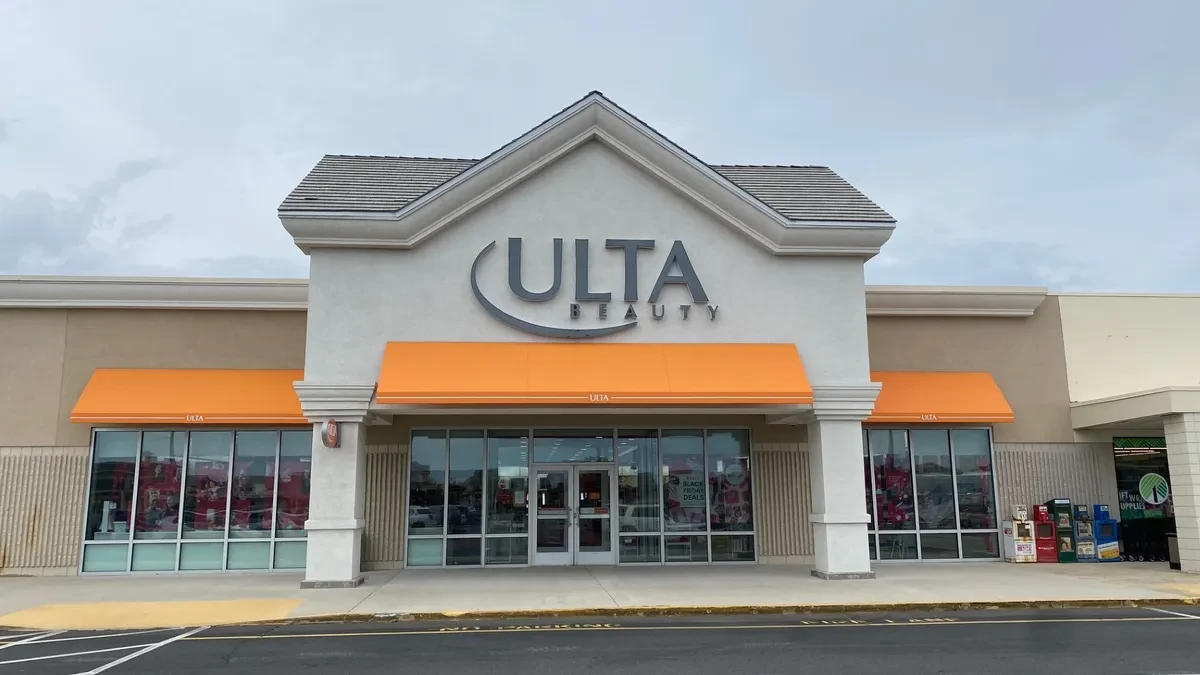
Beauty giant Ulta Beauty has drawn intense scrutiny and public criticism on social media this week following a viral campaign by the activist organization UltraViolet. The backlash centers on the retailer’s utilization of automated license plate reader (LPR) technology provided by surveillance firm Flock Safety at select retail locations across the United States.
Social media users flooded the comments sections of Ulta Beauty’s Instagram posts, expressing frustration, disappointment, and concern over privacy issues tied to the deployment of surveillance equipment in retail parking lots. The digital protest was sparked directly by UltraViolet’s coordinated advocacy campaign, which brought renewed attention to the expanding intersection of corporate retail security and automated public monitoring.
According to a source familiar with the company’s operations who spoke to Retail Dive, Ulta Beauty does indeed employ automated license plate readers from Flock at a small fraction of its nationwide store fleet. The technology is currently active at less than 1% of the beauty retailer’s approximately 1,500 stores spread across the country. Furthermore, the source emphasized that the cameras deployed at these specific retail locations do not incorporate facial recognition technology, attempting to alleviate some privacy concerns regarding the scope of data collection.
The controversy arrives at a time when Flock Safety is already facing widespread public pushback and scrutiny regarding its surveillance infrastructure. Over recent months, the company’s automated license plate readers have become targets of mounting public criticism, with reports of vandalism directed at the camera hardware increasing in various regions. In response to the rising public discontent and privacy worries, some local and state governments across the country are actively reconsidering or pausing the installation and use of Flock’s technologies within their jurisdictions.
Despite the intense public debate, corporate transparency from the involved parties remains limited. Ulta Beauty has not responded to inquiries regarding when its commercial relationship with Flock Safety officially began or how many total stores have tested the system. Similarly, Flock Safety did not respond to questions from Retail Dive regarding its ongoing corporate partnership with the beauty retailer.
The deployment of advanced surveillance tools by retailers highlights the persistent, industry-wide challenge of managing retail crime. Organized retail crime (ORC) remains a central focus for major industry trade groups, including the National Retail Federation and the Retail Industry Leaders Association. These organizations have actively lobbied lawmakers and pushed for federal legislation to combat organized theft rings that cost retailers billions of dollars annually.
Flock Safety explicitly lists organized retail crime as a primary use case for its technology on its corporate website. The company markets its systems to businesses by explaining that corporate security teams can add known offenders to custom LPR hotlists and receive automated alerts the moment a targeted vehicle enters a monitored parking lot.

Public marketing materials from the surveillance provider illustrate how these systems interact with law enforcement agencies to crack down on retail theft rings. In a blog post published in April of last year, Flock highlighted a case where its license plate reader cameras assisted the Fairfax County Police Department in Virginia to successfully identify and arrest suspects linked to a high-profile organized retail crime ring targeting multiple Ulta store locations.
The integration of Ulta into Flock’s client portfolio is further confirmed by automated channels provided by the tech vendor. When queried about whether the major beauty retailer is a paying customer, Flock’s artificial intelligence chatbot on its corporate website describes Ulta as one of its retail partners, stating that the company utilizes their technology to help identify repeat offenders and prevent fraud.
Internal company statements from Ulta Beauty underscore the operational pressures that prompted the adoption of such security measures. Rory Stallard, Ulta’s director of organized retail crime, noted that the retailer had experienced a noticeable increase in retail violence and security incidents following the COVID-19 pandemic. His remarks were documented in a recap post following Flock Forward’s public safety event held in August of last year.
Explaining the rationale behind adopting the technology, Stallard outlined the company’s security philosophy in an August 14 blog post from the previous year. He stated that the organization was actively looking for technological solutions that would help bridge the gap and improve collaboration with local law enforcement agencies. According to Stallard, the initiative centered closely on corporate culture, protecting frontline associates, and safeguarding store guests from escalating threats.

Stallard explained that by leveraging technology to help solve crimes at a faster pace, the retailer aimed to eliminate bad actors from its store environments, prevent potential criminal acts before they fully materialize, and transition the corporate security posture from a reactive approach to a proactive one. He concluded that Flock effectively matched the specific strategic capabilities the company wanted to implement.
Demonstrating ongoing engagement with the surveillance vendor, Stallard also attended the Flock Forward conference held last month. His participation was highlighted in a now-deleted LinkedIn post where he expressed appreciation for the networking opportunities the event provided, specifically mentioning the chance to connect with law enforcement personnel and private sector security professionals.
As public pressure and skepticism surrounding automated tracking systems continue to mount across the United States, Flock Safety updated its corporate terms and conditions in August. The adjustments were made amid a climate of growing public scrutiny over how automated license plate data is collected, shared, and utilized by private corporations partnering with law enforcement agencies.