





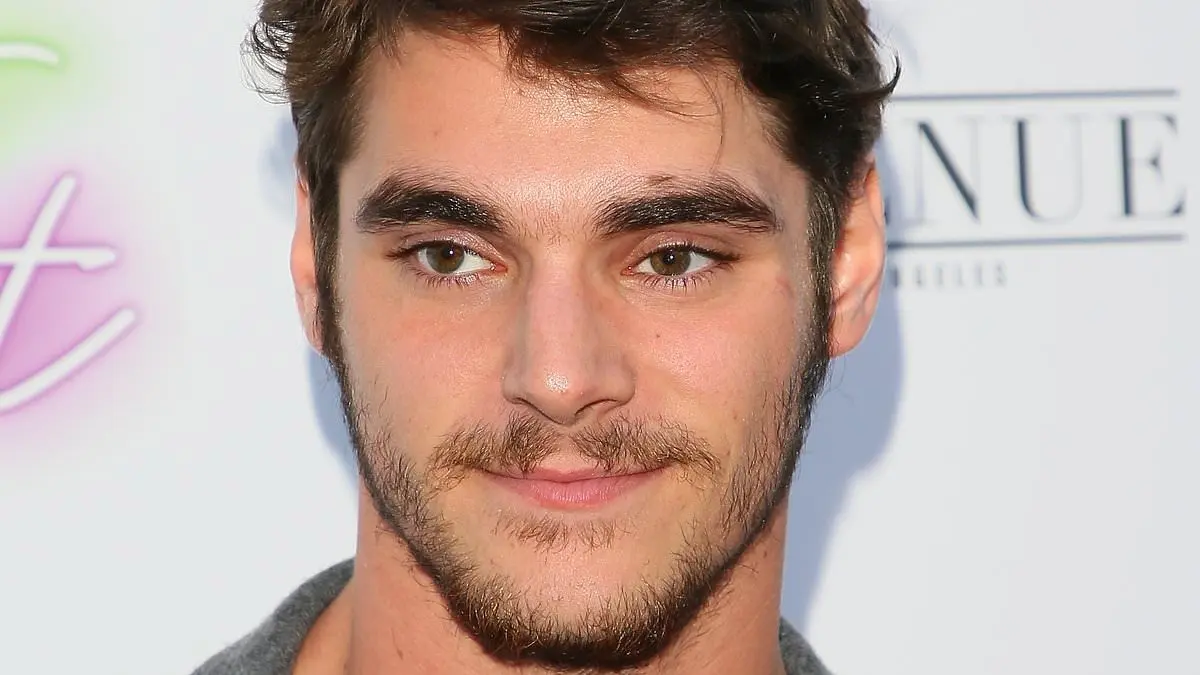
The entertainment industry and fans around the world are mourning the loss of RJ Mitte, the talented actor and passionate disability campaigner best known for his unforgettable role as Walter White Jr. in the critically acclaimed television drama Breaking Bad. Mitte, who navigated a lifelong journey with cerebral palsy and became a beacon of representation for actors with disabilities, died by suicide on Monday at his home in Brownsville, Texas. He was only 34 years old.
According to officials, emergency services were called to his Texas residence at 12:50 p.m. on Monday, and he was pronounced dead approximately 40 minutes later. While authorities confirmed the manner of death, no further details have been released. The sudden and tragic news has sent shockwaves through Hollywood, prompting an outpouring of grief, heartfelt tributes, and a profound industry-wide reflection on the ongoing challenges disabled actors face in securing mainstream opportunities.
Mitte was born with cerebral palsy, a neurological condition that affects movement, muscle control, posture, and balance. As a child, he had to wear leg braces and endure the vicious attentions of bullies. In a particularly brutal childhood attack, he even had his hand and foot broken. Yet, these early hardships forged a resilience that defined the rest of his life.
Born in Mississippi, Mitte was adopted by parents who divorced when he was only nine months old. Seeing little of his adopted father, he was raised in Texas and Louisiana by his mother. He only discovered that they were not his birth parents when a stepbrother accidentally blurted it out during an argument.
Tragedy struck the family soon after the birth of his sister, Lacey, who is 12 years younger than him. His mother was left paralysed in a car accident, placing an immense burden of responsibility on young RJ, who stepped up to help care for his baby sister. The family eventually relocated to Los Angeles after Lacey was cast in an advertisement at just 18 months old. Following in his sister’s footsteps, Mitte began working as a child actor, taking on extra roles—including appearances in Disney’s hit series Hannah Montana—and quickly became the family’s main breadwinner by the age of 13.
His big break arrived in 2007 when he auditioned for a new AMC drama series called Breaking Bad. The role of Flynn, the long-suffering, breakfast-loving son of Bryan Cranston’s chemistry teacher-turned-drug kingpin Walter White, specifically called for an actor with dark hair, prominent eyebrows, and mild cerebral palsy. Mitte fit the description perfectly, drawing directly from his own lived experiences, including the childhood bullying that his character also faced in the show’s first season.
Initially, producers had planned to write out and "kill off" his character early in the series. However, Mitte’s strong screen presence and dedication persuaded creators to keep him on for all five seasons of the show, which ran from 2008 to 2013 and is widely regarded as one of the greatest television dramas ever made.
Bryan Cranston, who shared the screen with Mitte for years alongside actress Anna Gunn, posted a moving tribute on Instagram expressing deep despair at the sudden passing of his "sweet son." Cranston recalled meeting Mitte when the young actor was just 14 years old.
"Born with cerebral palsy, he never—ever—allowed that challenge to be an excuse for anything," Cranston wrote, noting that Mitte met a demanding shooting schedule head-on with extraordinary determination.
Cranston acknowledged that when production began in 2007, Mitte was "pretty raw." Being a typical teenager, he occasionally "mischievously" ignored the advice of his on-screen parents, forcing him to "learn the hard way." Despite the passage of years since the show wrapped, the bond between the on-screen father and son remained strong. Cranston revealed that the two had been texting just a few weeks prior to Mitte’s death, trying to coordinate a lunch meeting. "I don’t know if that lunch would have changed his future… but I do know that I loved him," Cranston shared.
While Breaking Bad brought Mitte immense international stardom, carving out an equally high-profile acting career in the years that followed proved to be an uphill battle—a reality that the actor found increasingly frustrating.
Mitte’s career certainly did not dry up after the series concluded. He continued to work steadily across film, television, and modeling. He played Mind Master in the Netflix superhero series The Guardians of Justice and secured starring roles in various low-budget thrillers and horror films. He also modeled for major global brands, including Gap and Vivienne Westwood, and even tested his endurance by participating in the second series of Channel 4’s Celebrity Island with Bear Grylls.
Just 12 days before his death, Mitte walked the red carpet at the Los Angeles premiere of his latest independent film, the Amazon Prime romantic drama Talking To Strangers. In the film, he portrayed a guarded loner living with cerebral palsy who structures his daily life meticulously to avoid disappointment.
Yet, beneath his active professional life, Mitte harbored deep frustrations with the limitations placed upon him by Hollywood casting directors. While he publicly celebrated his identity and decried the industry’s obsession with physical perfection, private messages shared with friends revealed the heavy toll of systemic barriers. In 2017 text messages, Mitte expressed his exasperation at being repeatedly passed over for roles that were not explicitly written for disabled actors.
"When I go for a part, they sometimes tell me that it’s not a character with a disability, and I’m like why can’t the character be disabled?" he wrote to a friend. "They get real uncomfortable when I say that." In another message, he noted, "I can do any role, but some of [the casting agents and directors] are a**s who won’t even look at me."
Despite these barriers, Mitte used his platform to become a tireless advocate for disability representation in the media. He traveled the world speaking about inclusivity, even addressing the prestigious Oxford Union at just 22 years old as one of its youngest-ever speakers. He constantly challenged both the entertainment industry and fellow disabled individuals to reject self-doubt and societal limitations. "That’s all they hear," he insisted of people being told what they could or could not do. "Pero you have to look past that."
In his personal life, Mitte had found stability and romance. Just a year prior to his passing, he proposed to his girlfriend of five years, Kennedy Suarez, on her 30th birthday. Mitte last posted about Suarez, who works in corporate human resources, on social media in February to celebrate Valentine’s Day. While the exact status of their relationship in recent months remained private, reports indicate they were living together in the Brownsville home where he ultimately took his life.
In what appears to have been his final interview, given to The Joe Vulpis podcast just a week before his death, Mitte reflected on his outlook on life with characteristic optimism. "I live life to the fullest… I always try," he said. "I have a very finite amount of time."
Mitte leaves behind a legacy defined not only by his memorable work on Breaking Bad, but by his unwavering refusal to let his physical challenges define or limit his ambitions. He challenged Hollywood to open its doors wider and inspired countless fans around the world to look past adversity.
For confidential support, readers in the UK can call the Samaritans on 116 123 or visit samaritans.org. In the US, individuals can reach the Suicide & Crisis Lifeline by calling or texting 988.