






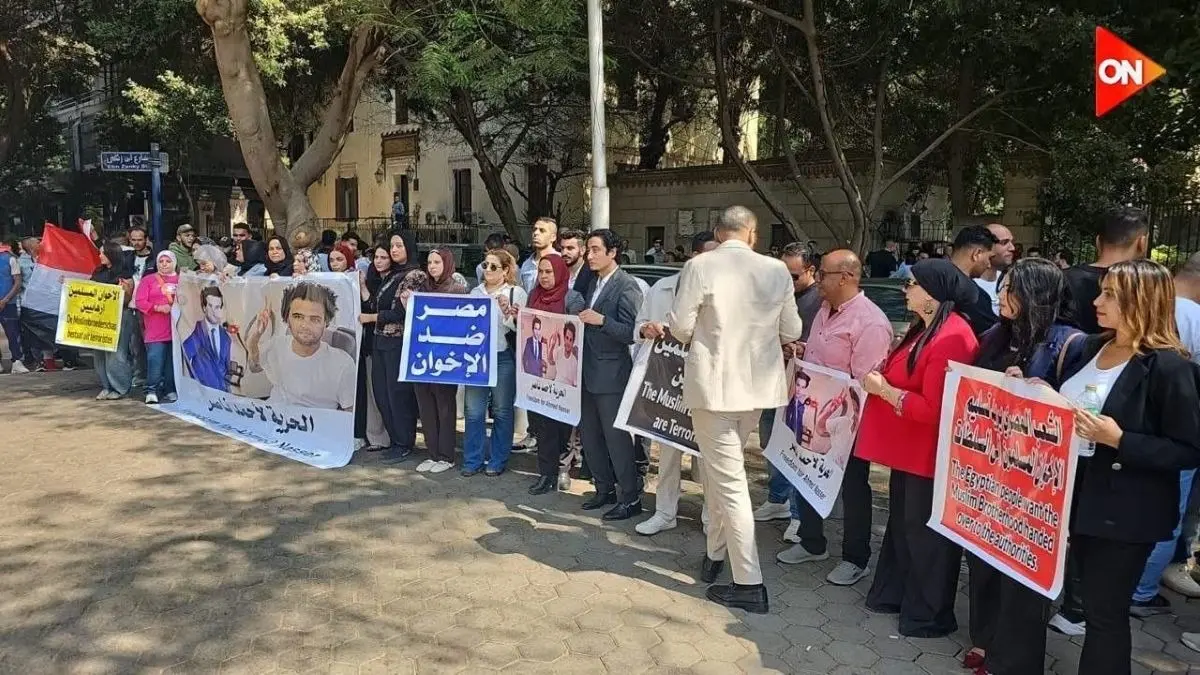
The Dutch embassy in the Egyptian capital of Cairo has officially announced its closure to the general public until further notice, following a tense nine-day standoff marked by continuous demonstrations outside its gates. The persistent protests ultimately escalated to a point where diplomatic staff had to be temporarily evacuated for their own safety, according to an official statement released by the embassy on social media.
The unrest gripping the diplomatic compound stems directly from a high-profile international legal case unfolding thousands of miles away in the Netherlands. Demonstrators gathered outside the embassy are aggressively demanding the immediate release of Ahmed Nasser, the deputy head of a prominent pro-government Egyptian youth organization. Nasser was detained by Dutch authorities on October 10 under circumstances that have since triggered a diplomatic friction between The Hague and Cairo.
According to reports from Dutch broadcaster NOS, Nasser was taken into custody on suspicion of making serious threats against Anas Habib, an Egyptian political activist currently residing in exile in the Netherlands. The legal proceedings against Nasser have already entered a more formal phase, with a Dutch court recently extending his pre-trial detention by an additional 14 days as prosecutors continue to investigate the nature and severity of the alleged threats. However, specific details regarding how Nasser is accused of threatening Habib have not yet been publicly disclosed by Dutch law enforcement or judicial authorities.
The roots of this unfolding crisis trace back to last summer, when Anas Habib captured international headlines through a dramatic act of political protest. In a video that quickly circulated across global media platforms, Habib filmed himself padlocking the heavy metal gates of the Egyptian embassy in The Hague. His provocative action was intended to spotlight and protest the prolonged closure of the Rafah border crossing by the Egyptian government, a bottleneck that severely restricted humanitarian aid and civilian movement between Egypt and the blockaded Gaza Strip.
Habib’s public stunt struck a nerve, sparking a cascading wave of copycat demonstrations and protests targeting Egyptian diplomatic missions in more than 16 countries worldwide. The coordinated wave of dissent posed a significant public relations and security challenge for the administration of Egyptian President Abdel Fattah el-Sisi. In response to the international embarrassment and security vulnerabilities, fervent supporters of President el-Sisi mobilized globally, organizing counter-demonstrations outside Egyptian embassies in various foreign capitals with the declared mission of "protecting" their nation’s sovereign diplomatic properties from further activist disruptions.
The geopolitical fallout from Nasser’s subsequent arrest in the Netherlands was swift and severe. Just days after Dutch authorities took Nasser into custody, Egyptian Foreign Minister Badr Abdelatty placed an urgent phone call to his Dutch counterpart, Tom Berendsen. During the high-level diplomatic exchange, Abdelatty formally demanded Nasser’s immediate release and pressed for significantly enhanced security measures and better physical protection for Egypt’s embassy and diplomatic personnel stationed in The Hague.
Dutch Foreign Minister Tom Berendsen later acknowledged the sensitive diplomatic exchange on social media, noting that the two ministers had engaged in frank discussions regarding the mutual safety of their respective diplomatic missions. Berendsen stated that they "discussed the need for progress on the security of our respective embassies and consular affairs," highlighting the delicate balancing act facing Dutch authorities as they attempt to manage domestic security, uphold the rule of law, and de-escalate tensions with Cairo.
For now, the immediate collateral damage of the escalating diplomatic dispute is borne by ordinary citizens seeking consular assistance in Egypt, as the Dutch embassy remains shuttered with no clear timeline for reopening. Local authorities in Cairo face mounting pressure to restore order around the diplomatic quarter, while diplomatic channels between the Netherlands and Egypt remain strained as the legal process surrounding Ahmed Nasser’s detention continues to play out in Dutch courts.