





However, despite their reputation as an eco-friendly swap, not all tote bags are created by businesses working sustainably. Behind the canvas exterior often lies a complex supply chain involving conventionally grown cotton, fossil-fuel-derived synthetics, and opaque labor practices. To help consumers navigate this crowded market, independent editorial teams continue to evaluate and curate highly rated brands through rigorous ratings systems designed to assess environmental, human, and animal welfare impacts.
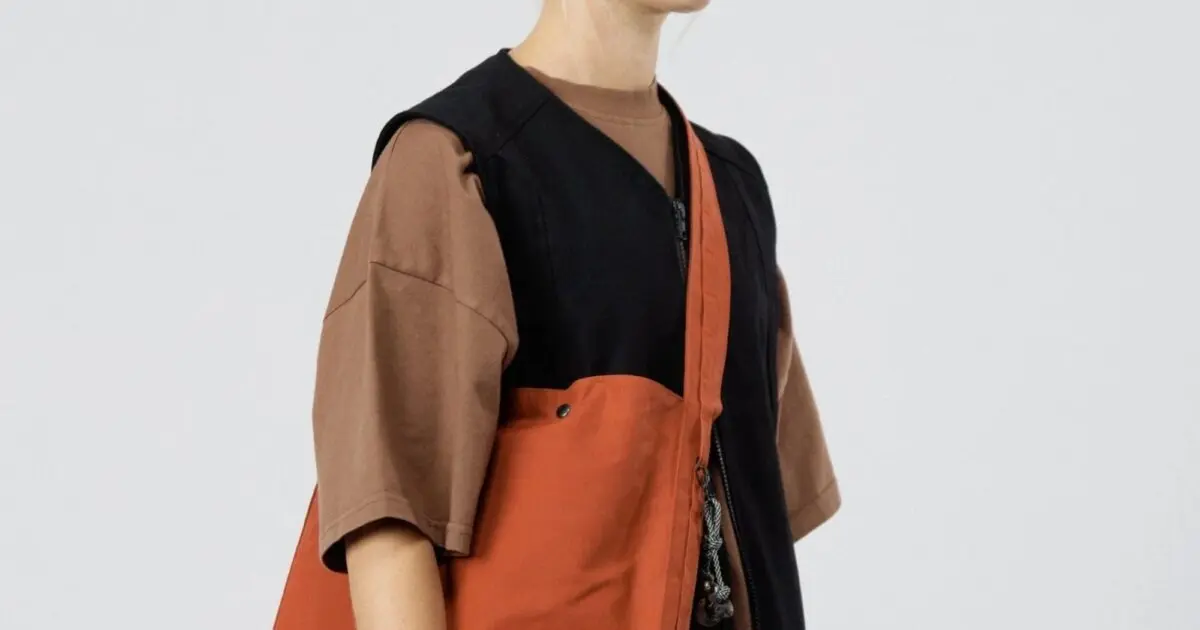
Recent updates to sustainable fashion roundups have highlighted a diverse array of more sustainable tote bags from top-rated brands. These selections span multiple categories, including vegan options from labels like Sans Beast, Mashu, and Svala, budget-friendly choices from Up-Fuse and Terra Thread, and innovative upcycled picks from Elvis & Kresse, E.L.V. Denim, and Lefrik.
What makes a more sustainable tote bag?
Understanding what separates a genuinely sustainable tote bag from standard retail merchandise requires a close look at materials and manufacturing standards. To start with, lower-impact materials play a foundational role. Totes are frequently manufactured from cotton-canvas, but conventional cotton farming is notoriously resource-intensive, requiring vast amounts of water and synthetic pesticides. Opting for certified organic cotton significantly reduces this environmental toll.
Meanwhile, polyester options—which are frequently utilized because they are durable, lightweight, and capable of carrying heavy loads—are typically derived from fossil fuels. This reliance directly contributes to greenhouse gas emissions and drives ongoing global demand for oil. For consumers who prefer the durability of synthetic fibers, experts consistently recommend choosing recycled polyester, which gives existing plastic waste a second life rather than extracting new virgin resources from the earth.
Animal-derived materials also demand careful consideration. High-end and luxury tote bags are frequently crafted from leather, a material associated with significant carbon footprints, land use, and animal welfare concerns. When shopping for premium accessories, sustainable fashion advocates advise either finding innovative vegan alternatives or seeking out certified leather options that adhere to strict environmental and ethical standards.
Beyond materials, longevity is a critical indicator of sustainability. A bag that falls apart after a few months of heavy use fails the core tenet of reducing waste, regardless of what fibers it was made from. Shoppers are encouraged to look for indicators of durability, such as quality manufacturing with robust stitching and securely attached handles, seams, and fastenings. These construction details ensure that the bag can stand up to frequent daily use and all the various items consumers routinely fill them with.
To meet these demanding criteria, various pioneering enterprises have emerged across the global market, each bringing a unique approach to eco-friendly design and ethical production.
Among them is Up-Fuse, a Cairo-based social enterprise dedicated to promoting an eco-conscious lifestyle through thoughtful design. Operating under the philosophy that one person’s trash is another’s fabric, the brand collaborates closely with Syrian, Ethiopian, and Sudanese female refugees living in Egypt. By employing displaced women and transforming discarded materials into durable lifestyle goods, Up-Fuse merges social empowerment with circular economy principles.
In Europe, brands like Ucon Acrobatics have taken a minimalist, functional approach to accessories. Ucon Acrobatics strongly believes in the idea of innovative, functional, and minimalistic products tailored for creative consumers. The brand manufactures its items using a high proportion of eco-friendly materials, including organic cotton, and directly integrates renewable energy into its direct operational facilities to meaningfully reduce its overall climate impact. Furthermore, the company places a strong emphasis on social responsibility, ensuring the payment of a living wage at the final stage of production.
For consumers seeking luxury alternatives that entirely avoid animal products, Svala has carved out a distinct space in the market. Svala specializes in creating luxury vegan handbags, purses, bags, and totes. Each item is handcrafted responsibly in Los Angeles, utilizing high-quality, premium vegan leather, cork, and Piñatex—an innovative natural leather alternative made from pineapple leaf fibers.
Similarly, Lefrik focuses heavily on the circular economy by giving plastic waste a second life. The brand designs and manufactures backpacks and accessories that seamlessly blend functionality, contemporary design, and smarter production practices, diverting plastic bottles from landfills and oceans.
Another standout in the vegan accessories space is Mashu, a British sustainable label specialising in handbags. Mashu holds a "Good" environmental rating from leading ethical fashion directories, crafting the exteriors of its bags with innovative vegan leather alternatives. To ensure complete alignment with ethical standards, the brand’s interiors feature vegan suede made entirely from recycled polyester, ensuring that style-conscious consumers never have to sacrifice their morals for fashion.
As consumer awareness deepens and regulatory scrutiny of corporate sustainability claims intensifies, the market for responsibly produced accessories continues to evolve. Editorial platforms update their selections frequently to reflect the most current brand ratings, ensuring that shoppers have access to transparent information regarding the true impact of their purchases on people, the planet, and animals.