






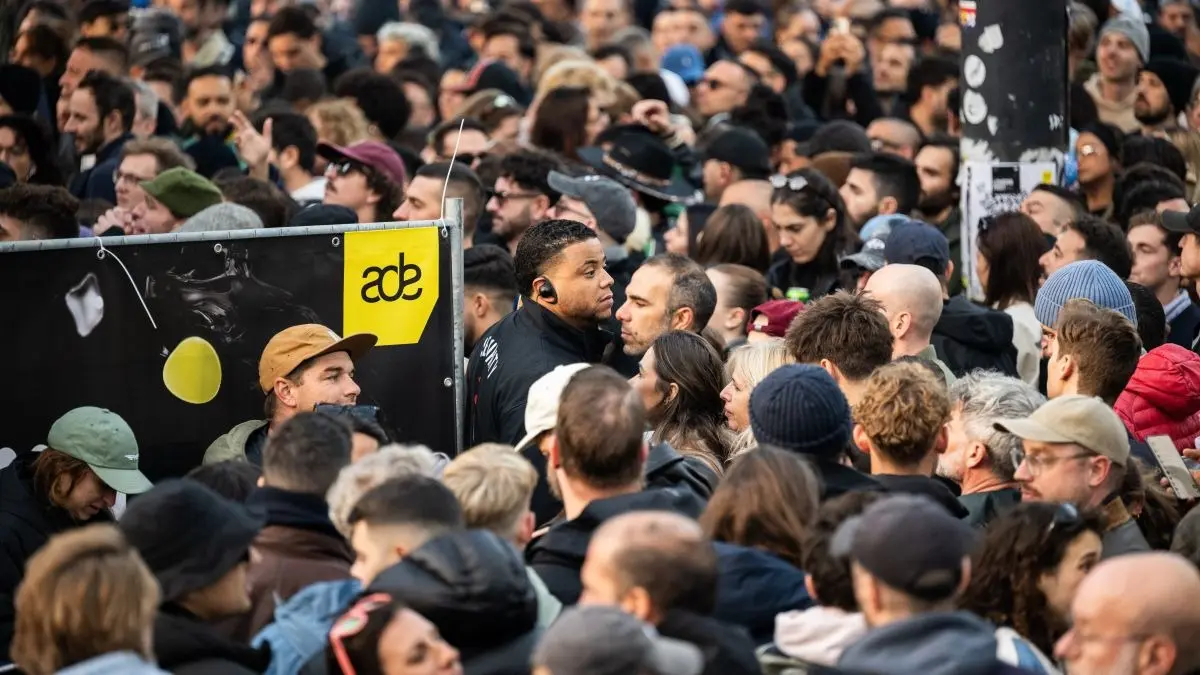
As Amsterdam comes alive with the pulsating rhythms of the Amsterdam Dance Event (ADE), the world’s largest electronic music celebration, festival organizers and municipal authorities have implemented a comprehensive suite of enhanced safety measures. The goal of this year’s coordinated effort is to ensure that every attendee feels completely secure in the city’s vibrant nightlife scene, fostering an environment entirely free from harassment, violence, discrimination, or any form of sexual misconduct.
To achieve this, a wide array of specialized initiatives has been deployed across various festival sites throughout the Dutch capital. These programs are specifically designed to provide techno lovers and electronic music enthusiasts with safe spaces to recharge, receive emotional or physical support, and navigate their journeys home during the late-night and early-morning hours.
Bike Buddies, Hosts and Check-Ins
At the DGTL festival site located on the industrial NDSM wharf, a dedicated team of cycling buddies has been organized to help festival-goers travel safely back and forth to the local ferry terminals. To prioritize their own safety while assisting others, these bike buddies operate strictly in pairs, guiding groups of attendees through the dimly lit transit corridors that surround the venue.
Complementing the cycling initiative, a Safe Check-In station has been established on the NDSM wharf. This dedicated hub remains open throughout the night to assist individuals who require physical aid, experience feelings of vulnerability, or simply need a quiet space to take a breather away from the intense energy of the dance floors. Additionally, attendees can utilize the station to charge their mobile phones, ensuring they maintain lines of communication with friends and family.
Meanwhile, at the Awakenings event in Halfweg, a similar philosophy of care is in place with the introduction of a Goodbye Host stationed near the main exits. These hosts keep a watchful, supportive eye on partygoers who are leaving the festival grounds on their own. The Goodbye Hosts provide practical assistance with route planning and public transportation schedules, while also offering mobile phone charging stations to ensure departing guests are not stranded with dead batteries.
Both major festival locations feature highly visible Awareness Teams. These specially trained groups are easily identifiable by distinct badges and vests, allowing distressed attendees to spot them quickly. The awareness teams are equipped to offer immediate emotional support and practical assistance to anyone who feels uncomfortable, overwhelmed, or unsafe at any point during the event.
Taking Back the Night
While these robust safety protocols are crucial for an event of ADE’s massive scale, several of the measures have evolved from ongoing safety campaigns established in the wake of previous tragedies. The bike buddies program, in particular, was originally conceived following the devastating murder of a teenager named Lisa, who was killed in August while cycling home alone. That tragedy sparked the widespread "Take Back the Night" campaign across the Netherlands, prompting event organizers to re-evaluate perimeter security and transit safety for solo travelers.
Nikki Schuurs, who oversees Social Safety at DGTL, explained the long-term commitment of festival organizers to addressing these critical issues. She noted that while social safety measures have been a priority at their events since the COVID-19 pandemic—primarily through trained awareness teams and dedicated social safety hubs—the landscape of security has necessarily expanded beyond the venue gates.
Schuurs emphasized that safety does not simply stop when the music ends on the dance floor. The Bike Buddies initiative was introduced directly in response to the community mobilization that followed Lisa’s murder, serving as a practical bridge between the festival grounds and the public transit network.
For festival visitors wishing to utilize the service, the Bike Buddy meeting point is located just outside the main event perimeter. Group rides are scheduled to depart systematically every 30 minutes between the hours of 21:00 and 07:00, leaving precisely on the hour and the half-hour to ensure maximum predictability and safety in numbers for all participating travelers.
These proactive measures arrive against a backdrop of renewed anxiety surrounding public safety in the Dutch capital. Public concern has heightened following the recent violent death of 29-year-old Hajar, whose remains were discovered inside a suitcase floating in the Amstel River. Investigators established that she had last been seen cycling with a man near the RAI convention centre. Authorities have since acted swiftly, arresting a male suspect in connection with her tragic death, an incident that has once again placed the spotlight on the vulnerability of individuals navigating the city streets at night.