






Swiss watchmaker Zenith is making a dramatic strategic shift, steering away from the fiercely competitive middle market to focus exclusively on ultra-high-end watchmaking. The realignment, announced by Chief Executive Benoit de Clerck during a meeting with employees at the historic manufacture in Le Locle, comes after several years of operating in the red and facing increasingly difficult headwinds across the global luxury sector. The sweeping reorganization will result in approximately 200 job losses, affecting both manufacturing operations at the historic home base and retail and distribution networks worldwide.
News of the restructuring first broke via the Swiss newspaper Le Temps, outlining a bleak combination of macroeconomic factors that forced the brand’s hand. Mr. de Clerck pointed to a stubbornly strong Swiss Franc, the impact of United States tariffs, and a noticeable softening of demand across critical luxury markets in the Middle East and Asia. For Zenith, a brand with a storied heritage and a prominent position within the luxury conglomerate LVMH, these cumulative pressures rendered the traditional middle-tier business model unsustainable.
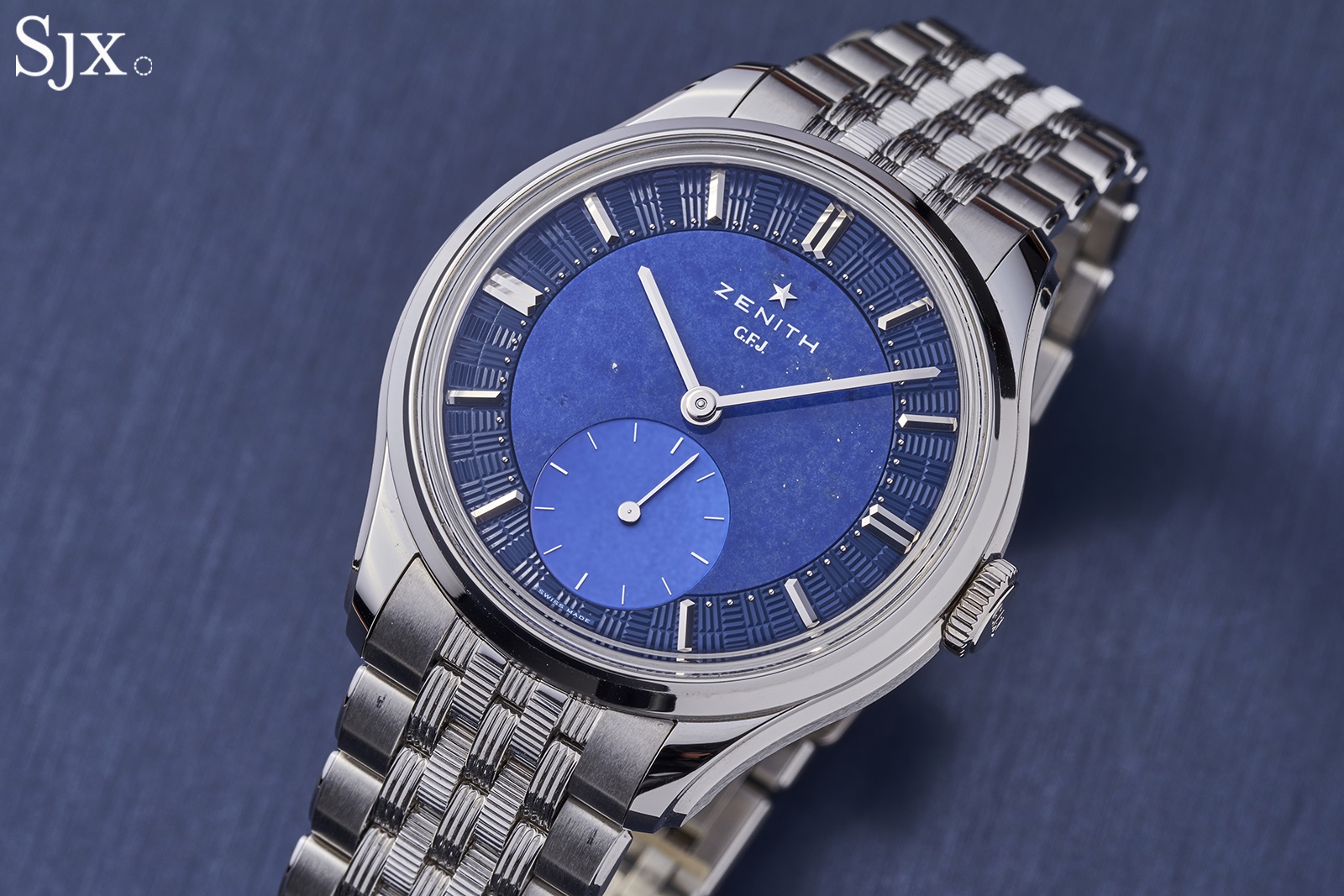
This strategic pivot upmarket was not entirely unexpected by industry insiders. The transition had been foreshadowed by the release of the exceptional GFJ line launched last year, a timepiece that showcased the brand’s high-end capabilities. Furthermore, the shift arrives in the wake of a broader leadership restructuring under Jean Arnault, who took charge of LVMH’s watch brands—encompassing Zenith, TAG Heuer, and Hublot. Mr. Arnault previously engineered Louis Vuitton’s successful ascent into fine watchmaking, bringing a renewed focus on elevated craftsmanship and exclusivity to the group’s horological houses.

The middle segment of the Swiss watch industry has grown increasingly brutal, characterized by high operational costs and relentless competition from both traditional rivals and independent makers. Zenith is far from alone in retreating from this punishing territory. During his address to employees, Mr. de Clerck specifically referenced parallel industry movements, such as the closure of Montblanc’s Le Locle factory, as competing brands similarly abandon lower-tier volume plays to seek higher margins and prestige further upmarket.
For Zenith, the restructuring lays bare a structural imbalance between its productive capacity and its current commercial footprint. The brand boasts a mature, highly capable manufacturing base alongside a wide distribution network, but these institutional assets have become disproportionately large relative to the actual production volume the brand has been able to generate and sell in recent years. Unable to continually feed this vast industrial infrastructure or keep its machinery fully operational under current market constraints, the company faces the painful necessity of shrinking its footprint.
The layoffs will be divided evenly across the enterprise. Approximately one hundred jobs, representing roughly half of the total workforce at the Le Locle manufacture, are under threat. A further one hundred positions will be eliminated within Zenith’s global retail and distribution divisions.
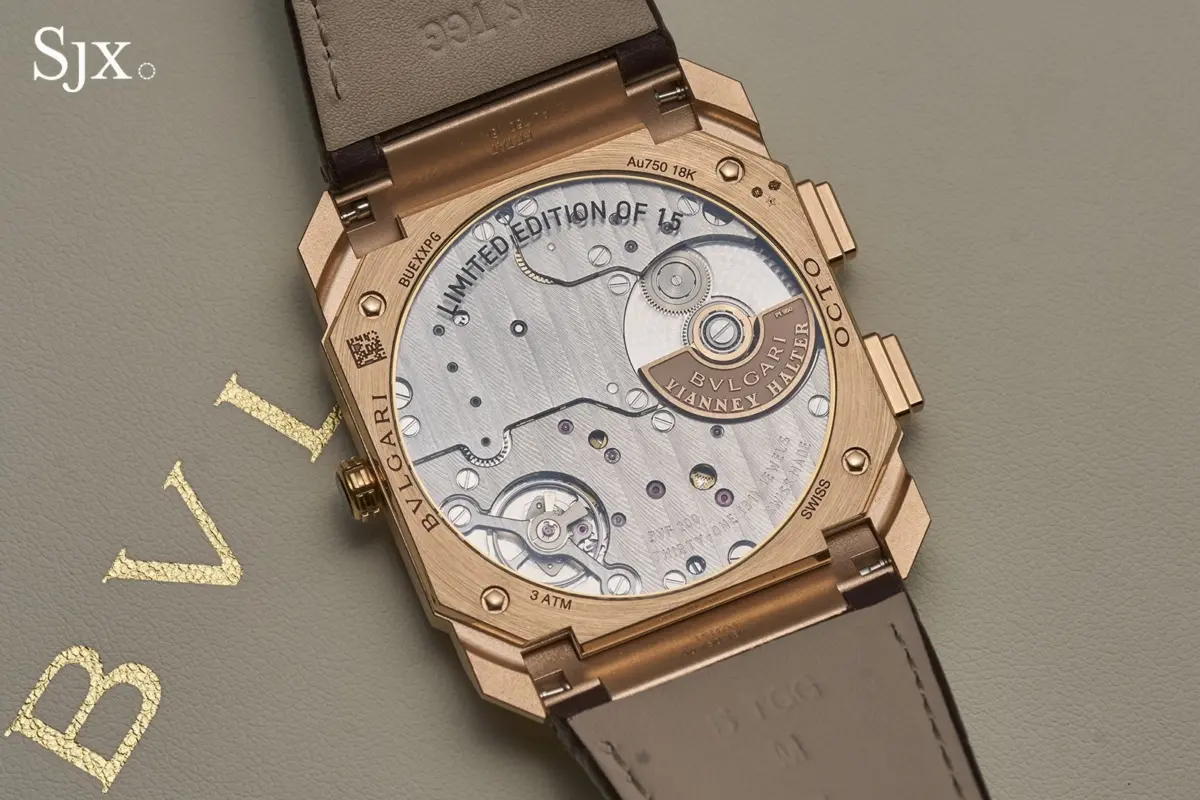
The contraction marks a sharp pivot from strategies laid out just a year prior. In 2024, LVMH had announced ambitious plans to leverage Zenith’s historic Le Locle manufacture to supply other group brands with proprietary movements. Hublot had already been utilizing Zenith movements for a decade, and the broader conglomerate envisioned an entire catalog of Zenith-made, in-house calibers that its various houses could select from.
Complicating this internal supply strategy, LVMH took a minority stake last year in La Joux-Perret, a movement manufacturer arguably better positioned geographically and structurally to meet the group’s diverse technical needs. Nevertheless, LVMH leadership was quick to quash external rumors suggesting a total divestment or abandonment of Zenith. Mr. de Clerck reassured Le Temps that the movement-supply side of Zenith’s operations will endure, noting that the brand enters the upcoming year with a full order book for its mechanical components.
The announcement has naturally drawn the attention of organized labor in Switzerland. Representatives from Unia, the country’s largest trade union, are scheduled to hold formal meetings with company management and affected employees to discuss the impending layoffs and potential mitigation measures, as detailed in reports by the union’s publication, L’Événement. As Zenith navigates this turbulent transition toward the upper echelons of horology, the coming weeks will prove critical in determining how the historic manufacture manages its workforce reduction while attempting to secure a profitable, ultra-exclusive future.