





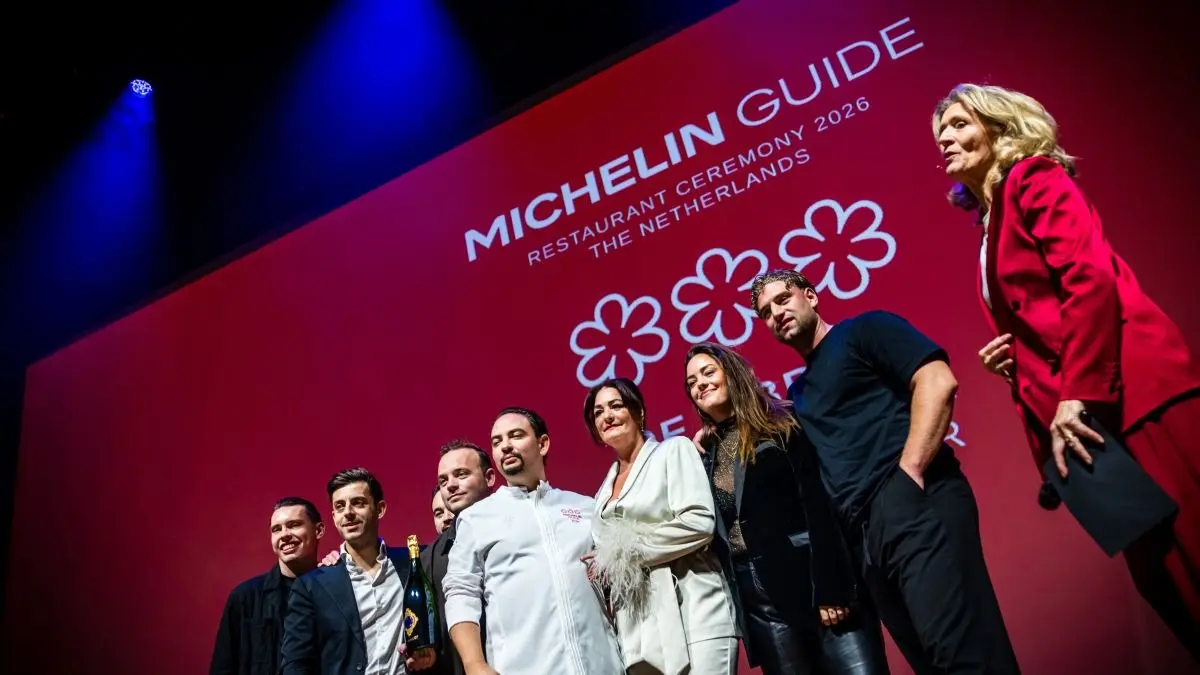
The culinary landscape of the Netherlands has undergone its annual reshuffle with the release of the 2026 Michelin Guide, bringing fresh acclaim to various corners of the country while maintaining a familiar anchor at the very pinnacle of fine dining. In total, nine Dutch restaurants have earned Michelin stars for the first time in this year’s edition, a testament to the evolving and resilient gastronomic scene across the nation. Among these newcomers, two establishments made an immediate and extraordinary impact by launching straight into the guide at the two-star level.
The grand total of starred establishments in the Netherlands now stands at 119, matching the exact figure from the previous year despite the inevitable ebb and flow of gains and losses across different regions. While certain areas rejoiced over breakthrough performances and prestigious special awards, other traditional hubs faced setbacks, most notably in Amsterdam, where the capital failed to secure any new stars and saw a couple of established names stripped of their previous accolades.
At the very top of the Dutch culinary hierarchy, De Librije in Zwolle continues to stand entirely alone. It remains the sole restaurant in the Netherlands to hold the coveted three-star rating, a distinction it has proudly maintained since 2004. The legendary establishment is navigating a new chapter following the passing of co-owner and chef Jonnie Boer in April 2025. Today, Nelson Tanate leads the kitchen alongside Thérèse Boer, carrying forward a legacy of culinary excellence that has defined the restaurant for over two decades and preserved its status as the crown jewel of Dutch gastronomy.
The most dramatic upward movements in the 2026 guide belong to Azurite in Delft and Suis in Schin op Geul, near Valkenburg. Both restaurants bypassed the traditional single-star debut to enter the guide directly with two stars, a rare and prestigious feat that highlights the exceptional caliber of their culinary operations from day one.
Azurite, located in the historic city of Delft, is spearheaded by chef Mario Ridder, whose return to the upper echelons of the culinary world has drawn widespread attention. Meanwhile, Suis achieved its remarkable two-star status just months after opening its doors. The restaurant welcomed its first guests at the end of April, following a high-profile move by chef Ralf Berendsen, who departed La Butte aux Bois to embark on this new venture in the picturesque hills of South Limburg.
Beyond the twin-star breakthroughs, seven other establishments across the Netherlands celebrated earning their first Michelin star, reflecting a geographic spread that highlights culinary talent far beyond the traditional major metropolitan centers. These new one-star restaurants include Nassau in Groningen, Le Epifaan in Veeningen within the province of Drenthe, and Wild Atelier, situated at the renowned De Echoput hotel in Hoog Soeren.
Further additions to the one-star family feature Bij Sidney in Loenen aan de Vecht, De Cuijt in Mierlo near Eindhoven, Rozewied in Kortgene in the province of Zeeland, and Ambrozijn in Valkenburg, which further solidifies the Limburg region’s strong showing in this year’s guide.
Several of the newly starred locations carry deep roots within the Dutch fine-dining community. Le Epifaan, for instance, is run by Jarno Eggen. Chef Eggen is well-known to connoisseurs of fine food for his previous tenure at the two-star De Groene Lantaarn in Staphorst prior to its closure, bringing that wealth of high-level experience to his current venture in Drenthe.
The success of Rozewied in Zeeland was doubled during the Michelin ceremony, as its talented chefs, Noémie Haentjens and Ferdy van Rijswijk, were jointly honored with Michelin’s prestigious Young Chef Award, recognizing their technical prowess, creativity, and bright future in the industry.
The individual accolades extended beyond the kitchen brigade into the essential front-of-house and beverage roles that elevate the modern dining experience. Matthijs Vrancken and Nouri Haj Romdhane of Brut172, located in Reijmerstok, were awarded the sommelier award for their expertly curated wine pairings and deep knowledge of viticulture. Additionally, Château Neercanne in Maastricht was celebrated for its exemplary standards, taking home the special award for service and reaffirming the historic estate’s dedication to classic hospitality.
However, the 2026 guide also brought difficult news for other establishments. The capital city of Amsterdam experienced a quiet year in the inspector’s notebooks, failing to secure a single new star. Furthermore, the Amsterdam dining scene suffered losses as both Daalder and De Juwelier were stripped of their stars, illustrating the rigorous and unsparing standards maintained by Michelin inspectors from year to year.
With the additions, losses, and upward trajectories factored in, the total count of starred restaurants in the Netherlands remains steady at 119, proving that while individual fortunes may shift, the overall health, ambition, and global competitiveness of the Dutch restaurant industry remain as vibrant as ever.