

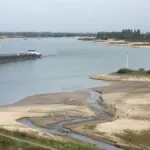




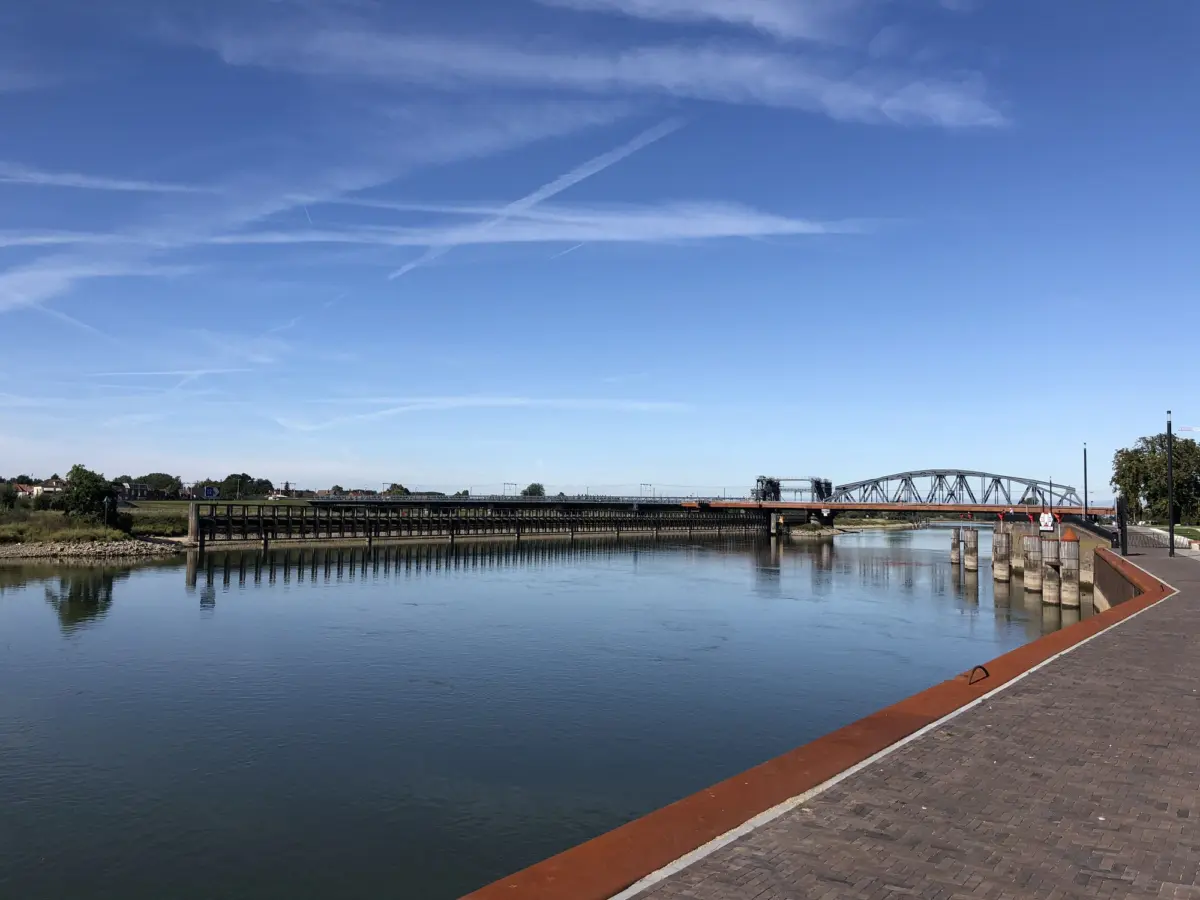
September 24, 2026 — Rijkswaterstaat, the executive agency of the Dutch Ministry of Infrastructure and Water Management, has imposed a strict one-way traffic system on the IJssel river in the eastern part of the Netherlands due to steadily falling river levels driven by ongoing summer drought conditions.
Beginning Friday morning, commercial barges and recreational boats traveling northbound from Arnhem toward Zutphen will be barred from taking their usual route up the river channel. Instead, vessels navigating these vital inland waterways will be forced to take a significant detour spanning up to 300 kilometers, substantially altering logistics and transport schedules across the region.
According to Rijkswaterstaat, the emergency measure became necessary because the water channel in the river has become too narrow and shallow to safely allow large ships to pass each other in opposite directions. The deepening crisis highlights the vulnerability of the Netherlands’ extensive inland shipping network to extreme weather patterns and prolonged dry spells.
The severe summer drought has brought the flow rates in major Dutch rivers down to unprecedented levels. Most notably, the Rhine—one of Europe’s most critical commercial waterways—has plummeted to a mere 600 cubic meters per second at Lobith, the designated checkpoint where the river crosses the border from Germany into the Netherlands. This drastic reduction in volume has sent a ripple effect through Dutch water management systems, forcing authorities to implement increasingly restrictive measures to maintain navigability and safety on major channels.
Koninklijke Binnenvaart Nederland, the trade association representing inland waterway users and commercial transport operators, expressed deep concern over the development, describing it as yet another heavy blow for a shipping sector that has already been forced to adopt significant operational limits amid the ongoing dry season. Inland shipping plays a crucial role in the Dutch and broader European supply chains, moving massive volumes of raw materials, manufactured goods, and agricultural products.
Andries de Weerd, a spokesman for Koninklijke Binnenvaart Nederland, elaborated on the mounting operational challenges in comments to Dutch broadcaster NOS. "We’ve been taking half or even one-third loads, and now we’re having to take the long route round, so unfortunately the costs are going to go up a little," de Weerd explained, underscoring the compounding financial and logistical pressure facing skippers and transport companies as they navigate the prolonged low-water period.
The restrictions on the IJssel river serve as a stark reminder of the broader economic and infrastructural implications of shifting environmental conditions in Western Europe. As Rijkswaterstaat continues to monitor river gauges and weather forecasts across the country, transport operators along the Rhine corridor and its tributaries must prepare for continued delays, altered routes, and reduced cargo capacities until autumn rains bring much-needed relief to the river basins.