





Manufacture La Joux-Perret (MLJP) has cemented its position as an increasingly vital supplier to the burgeoning ranks of independent watchmakers and micro-brands, delivering capable, reliable Swiss movements at accessible price points. While it operates on a fraction of the scale of its massive neighbor Sellita, the company has engineered a steady expansion through a pragmatic combination of selective automation, a streamlined and focused movement catalog, and targeted, careful investments in its production facilities.
This operational approach provides an instructive look at how contemporary Swiss watchmaking can successfully maintain its competitive edge while preserving the specialized skills required to produce everything from solar-powered quartz calibres to hand-finished tourbillons under a single roof. To gain a firsthand perspective on how these dynamics play out on the workshop floor, a recent visit to the manufacture in La Chaux-de-Fonds—one of the historical capitals of watchmaking nestled in the Swiss Jura mountains—offered a deep dive into the inner workings of MLJP.

A Primer on MLJP
The modern history of Manufacture La Joux-Perret is deeply rooted in the broader revival of mechanical complication watchmaking that took place during the early 1990s. Originally established in 1990 by Jean-Pierre Jaquet under his own name, the firm initially carved out a niche by supplying specialized movements, including complex shaped calibres and high-end complications, to the rapidly growing fine watchmaking segment.
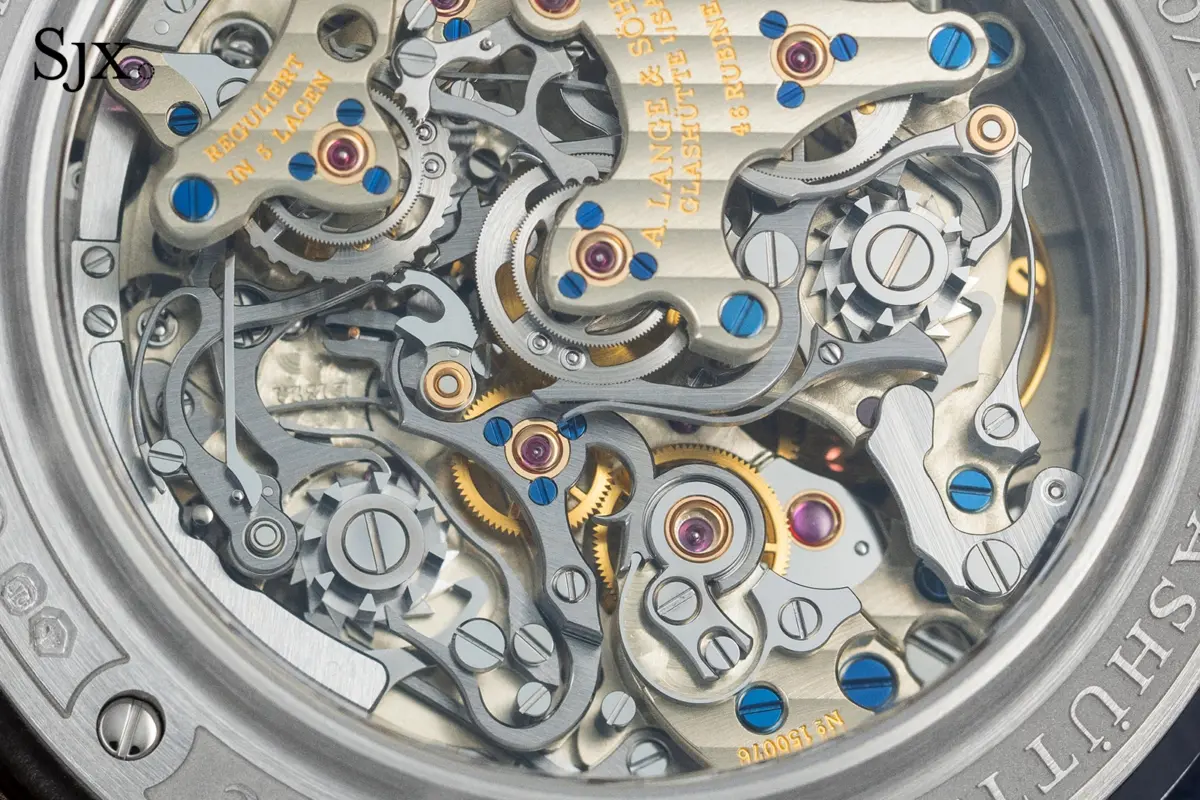
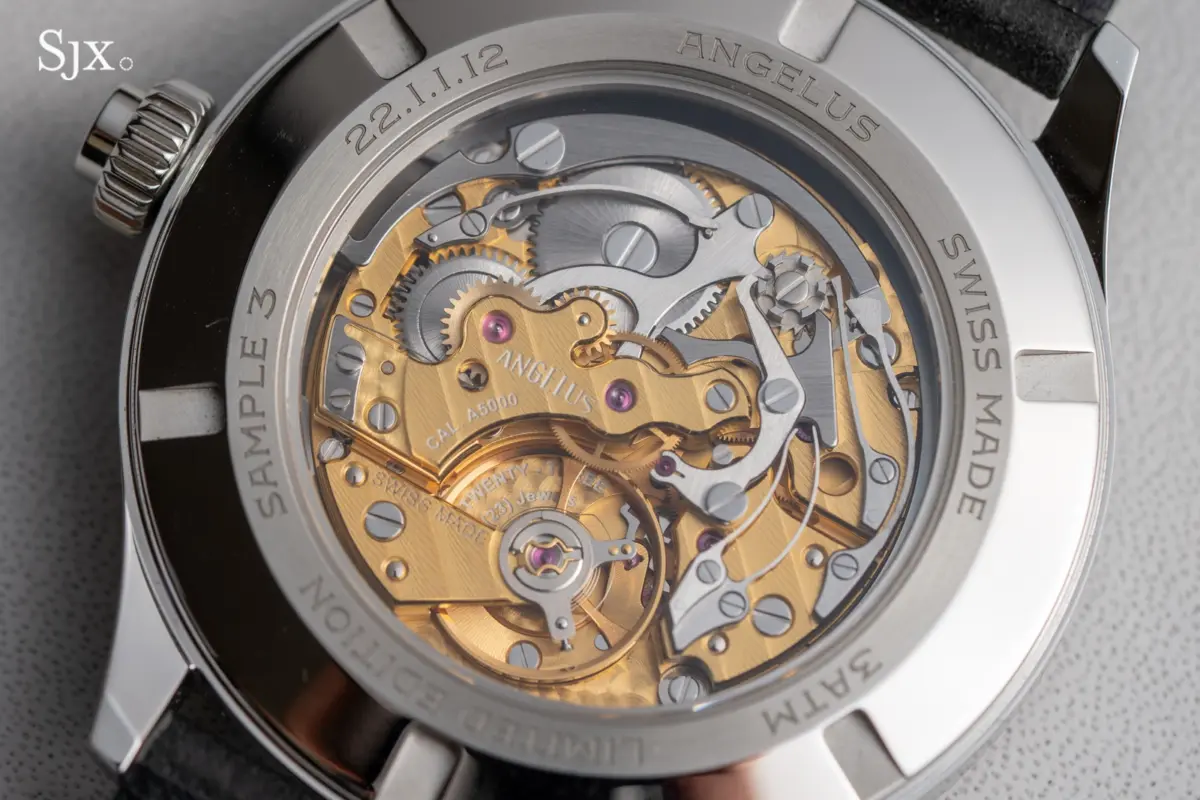
Among the enterprise’s most celebrated offerings from that era was a distinctive monopusher chronograph originally designed by master watchmaker François-Paul Journe and subsequently produced for prestigious clients such as Franck Muller and Girard-Perregaux. Bearing a loose lineage to the calibration platform designated as cal. 045MC—which Techniques Horlogères Appliquées (THA) previously developed for Cartier—this architecture remains in active production today as the cal. A5000, serving as one of the manufacture’s most prestigious and upmarket mechanical movements.

Following legal challenges involving its founder, the enterprise underwent a strategic restructuring and was officially renamed La Joux-Perret in 2005. A significant turning point arrived in 2010 when the firm acquired Arnold & Son from a former customer, providing the movement supplier with its very own customer-facing luxury marque. Just a year later, the company secured the intellectual property and commercial rights to the historically dormant Angelus brand, further expanding its proprietary watchmaking portfolio.
A major corporate milestone occurred in 2012 when Japanese manufacturing giant Citizen acquired MLJP for approximately CHF 65 million. The conglomerate harbored long-term ambitions to capture a meaningful share of the entry-level Swiss movement market by leveraging a new calibre based closely on Citizen’s proven Miyota 9000 series architecture. This calculated strategy has largely succeeded, with the immensely popular G100 platform emerging as the primary engine driving MLJP’s substantial commercial growth over the past decade.

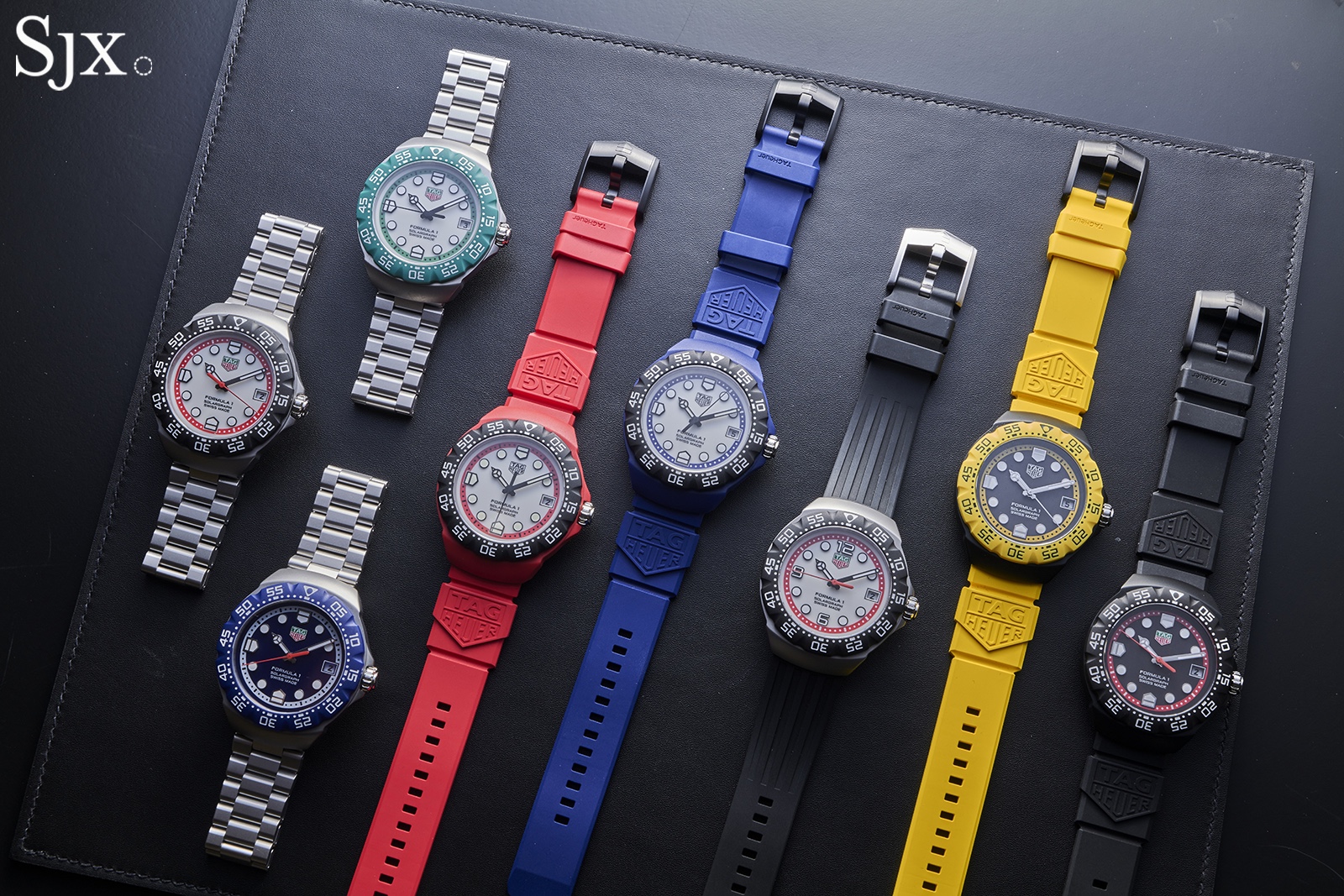
Citizen’s deep technical expertise also served as the foundation for another major growth vector: solar quartz technology. A collaborative venture initiated with TAG Heuer in 2022 successfully brought the Japanese parent group’s proprietary Eco-Drive solar energy system to a Swiss-made movement for the very first time. Today, this innovative product line accounts for approximately a quarter of MLJP’s total annual movement production. More recently, French luxury conglomerate LVMH signaled its strategic confidence in the supplier by acquiring a minority stake in MLJP, securing a degree of formal input on the long-term operational decisions of an increasingly critical industry partner.
A Three-Pronged Strategy
Today, Manufacture La Joux-Perret employs a workforce of roughly 130 people and manufactures approximately 200,000 movements annually. To contextualize these figures, the dominant Swiss volume leader, Sellita, produces roughly 1.5 million movements a year supported by a staff of around 800 employees. Consequently, MLJP operates at approximately 15% of Sellita’s scale in terms of total headcount and production output.
Despite the vast difference in operational scale, notable structural similarities exist between the two enterprises. Both factories are based in La Chaux-de-Fonds, situated literally on the same street. Furthermore, the commercial foundation for both companies rests squarely on a high-volume, utilitarian automatic mechanical movement.
For Sellita, that foundational product is the cal. SW200, which routinely accounts for slightly more than 50% of the company’s total volume. For MLJP, the direct equivalent is the cal. G100, which represents roughly 40% of the manufacture’s annual production output with approximately 80,000 units rolling off the assembly lines each year.
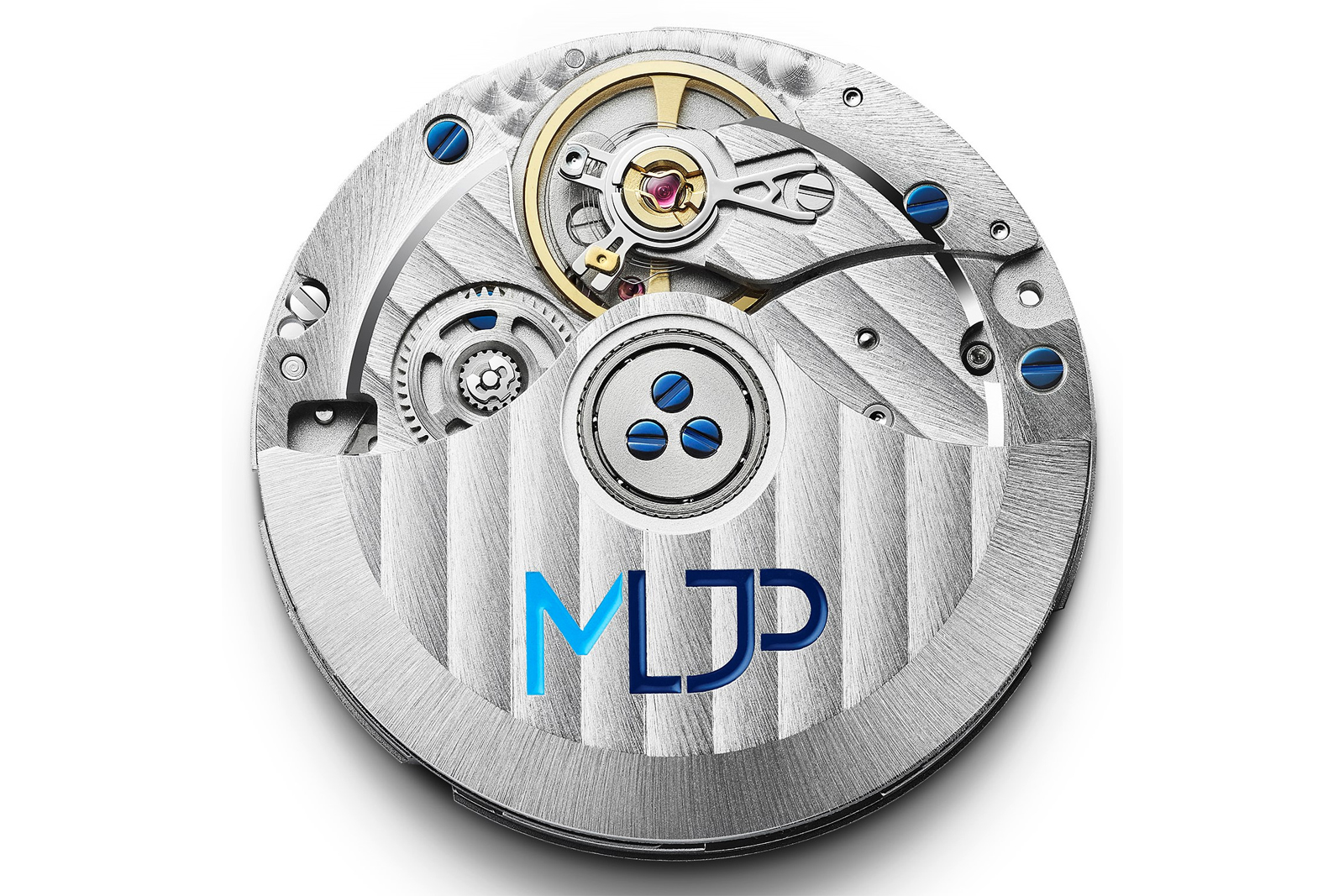
Prized heavily by brands for its robust 68-hour power reserve, the G100 serves as the standard-bearer for the firm’s mechanical catalog. This lineup has been trimmed substantially in recent years to maximize production efficiency across the board. By cutting the total number of individual movement variants by half, the manufacture has successfully freed up capital to invest heavily in advanced automation for its core calibres.
Despite this rationalization, MLJP continues to manufacture a diverse array of specialized movements. These include a column-wheel-equipped variant of the classic Valjoux 7750 chronograph architecture known as the cal. L100, alongside a newer, upmarket automatic movement designated as the cal. G200. Together, these mechanical variations comprise just one of the enterprise’s three core product pillars.

The second primary pillar is solar quartz, with an output of approximately 50,000 units produced annually. This category highlights the transformative impact of Citizen’s corporate stewardship. While Citizen was not the pioneer behind the invention of solar-powered quartz watches, the Japanese firm rapidly established technological dominance in the segment during the 1970s—a leading position it impressively retains half a century later. The solar quartz format represents an ideal solution for watch collectors favoring a low-maintenance, set-and-forget user experience, and MLJP has carved out a secure niche supplying Swiss-made solar quartz calibres to clients like TAG Heuer.
The third and final product segment comprises elite, high-end mechanical movements. These are produced primarily for the manufacture’s internal brands, Arnold & Son and Angelus, alongside select external independent clients. While this exclusive segment represents a modest sliver of MLJP’s overall output by volume—totaling roughly 1,000 calibres annually for Arnold & Son and another 300 for Angelus—these intricate movements showcase the profound technical breadth of the manufacturer and remain a significant source of institutional pride.

Pragmatic Automation
Over the past decade, MLJP has increased its overall production volume by a factor of 20. Remarkably, during that exact same timeframe, the company’s total headcount has merely doubled. This striking divergence is explained entirely by the firm’s pragmatic approach to manufacturing automation and the systematic rationalization of its product catalog.
Automation frequently remains a sensitive topic within the traditional luxury watchmaking sector, where brands routinely emphasize the irreplaceable value of human craftsmanship. MLJP, however, exhibits unusual transparency regarding its integration of robotics into the production lifecycle.

Rather than resembling a futuristic, pitch-black sci-fi laboratory, the reality of the automated watch factory is refreshingly straightforward. Conventional watchmaking machinery—some of it dating back to previous generations—is retrofitted with dedicated robotic handling systems designed to execute specific, repetitive physical tasks.
According to Jean-Claude Eggen, who served as CEO from May 2020 until earlier this year, the company strongly favors investing in standard, off-the-shelf machinery and readily available robotics whenever feasible. This strategy keeps initial capital expenditures manageable while ensuring that the equipment remains easy to service, maintain, and repair. Crucially, this philosophy preserves operational flexibility, allowing machines to be quickly repurposed as market demand shifts between different product lines. This adaptability enables MLJP to reallocate factory capacity dynamically without requiring entirely new capital equipment commissions.

This pragmatic philosophy is clearly visible in the application of Côtes de Genève movement decoration. For the cal. G100, the decorative striping is applied via a conventional CNC-controlled finishing tool, while a versatile, general-purpose robotic arm handles the physical transport of the components. The robotic arm systematically positions an individual bridge beneath the machining tool, removes it once the surface decoration is completed, and immediately loads the next blank part. With this straightforward mechanical enhancement, the finishing station can operate continuously around the clock with minimal human intervention.
When asked whether traditional hand-applied striping offers any tangible quality advantages, sales manager Jean-Charles Maillard explained that the process ultimately boils down to programming the precise tool path and applied pressure—the physical contact between the abrasive tool and the metal component remains identical regardless of whether a human or a robot guides it.

A more intricate application of automation occurs during pre-assembly, specifically in the delicate task of setting ruby jewels into movement mainplates and bridges. Here, an advanced, AI-assisted optical vision system scans a mixed tray of jewels to identify which ones are facing upwards, allowing a robotic picker to orient and organize them into separate dedicated trays by type. A secondary machine equipped with a rotating tool turret then retrieves the properly prepared jewels and precisely presses them into the respective plates and bridges.
Lubrication provides perhaps the clearest example of how automation elevates quality beyond simple productivity gains. A mechanical watch movement requires microscopic quantities of specialized oils applied to exact friction points. An improper application or a single missed lubrication point can instantly compromise the movement’s functionality. Furthermore, these minute quantities of oil are so tiny that visual inspection remains exceptionally difficult, even under high-powered magnification.

To eliminate human error, MLJP increasingly entrusts this critical task to automated oiling machinery that dispenses controlled micro-dosages at precise geographic coordinates. This technological shift drastically minimizes the variability inherent in repetitive manual operations where a momentary oversight can literally cause a watch movement to grind to a halt.
These integrated systems illustrate how thoughtful automation can actively enhance quality standards in an industry historically defined by manual dexterity. While automation has allowed MLJP to scale its output far beyond its workforce numbers, the primary function of the robotics is to absorb repetitive, fatiguing tasks, freeing up skilled technicians, machinists, and watchmakers to concentrate on complex operations requiring human judgment and artisanal experience.

Swiss Made
Visiting a watch manufacture often reveals unique corporate cultural influences. Having toured numerous facilities ranging from boutique artisanal workshops to massive industrial complexes, entering a Swiss movement factory owned by a Japanese industrial parent presented unique expectations. One might logically anticipate seeing evidence of Eastern tooling, such as Citizen’s renowned automatic lathe systems.
Instead, the tour revealed a thoroughly traditional Swiss operation utilizing much of the same classic tooling observed at historic houses like Vacheron Constantin and F.P. Journe. When asked specifically about the absence of Citizen automatic lathes, representatives explained that MLJP deliberately relies on Swiss machinery because local engineering firms can easily service and maintain the equipment.

The movements themselves easily exceed the regulatory thresholds for the "Swiss Made" designation, which legally requires a minimum of 60% of a watch’s value to be produced within Switzerland. MLJP pushes these percentages significantly higher: the G100 calibre is approximately 85% Swiss-made, while the L100 chronograph and solar quartz movements achieve near 100% Swiss production.
The slightly lower percentage for the G100 stems directly from its architectural kinship with the Miyota 9000 series platform, resulting in several minor peripheral components—including certain screws—being sourced from sister manufacturing facilities abroad. MLJP has determined that duplicating the local production of these minor generic components on-shore would add negligible value to an accessible entry-level calibre like the G100. This financial pragmatism largely explains why the unit cost of the G100 has risen at a much slower rate than competing market platforms in recent years.

The discovery that the solar quartz movements are nearly 100% Swiss-made came as a surprise, given the heavy Asian dominance in electronics assembly and the expectation of shared production with Citizen’s Eco-Drive lines. Even the raw material inputs are sourced locally; the solid brass rods that are cut, stamped, milled, tumbled, and decorated into mainplates originate directly from a Swiss metal supplier.
Quality from Start to Finish
The coveted Swiss Made label functions as a recognized hallmark of quality, and MLJP’s extensive internal testing protocols provide genuine substance to that reputation. Within the manufacture, a dedicated testing laboratory subjects new movement platforms to a punishing battery of stress tests designed to expose structural weaknesses long before commercial production begins.

Some testing procedures simulate prolonged wear over a decade, repeatedly cycling winding crowns and chronograph pushers thousands of times. Other tests are intentionally destructive, pushing movements and individual components to their absolute breaking points to establish strict performance limits.
Shock resistance is rigorously evaluated using specialized equipment, including pendulum impact testers that deliver controlled blows via a swinging hammer, alongside pneumatic shock-testing machines. Movements are additionally subjected to rapid fluctuations in temperature and humidity, as well as controlled magnetic fields.

Another vital diagnostic procedure is the torsion test, which measures how securely a gear wheel is affixed to its supporting arbor. The testing apparatus applies escalating rotational force until the wheel slips on its shaft, accurately recording the breaking point. Because this test permanently compromises the structural integrity of the tested part, it is performed strictly on random batch samples rather than every manufactured component.
Internal laboratory testing is further complemented by independent evaluations administered by the Laboratoire Dubois, which executes the rigorous Chronofiable accelerated-aging program. This testing protocol compresses the equivalent of six months of normal wear into a grueling 21-day period, subjecting test movements to 20,000 distinct impacts of varying intensities alongside severe thermal cycling.

Precision performance represents another domain where MLJP is elevating its ambitions. According to the manufacture, the newly introduced G200 calibre possesses the mechanical capability required to meet the stringent performance benchmarks of COSC’s Excellence chronometer standard, which includes comprehensive testing of the fully encased watch. The movement’s free-sprung balance wheel plays a critical role in this capability, facilitating superior long-term regulation compared to the standard G100.
The ultimate outcome of these exhaustive testing regimens is a robust catalog of calibres that genuinely honors the Swiss Made designation. This dependable quality has rapidly positioned MLJP as a preferred movement supplier for an elite group of avant-garde independent watchmakers, including MB&F and Konstantin Chaykin.

The Challenge of Industrialization
Developing a brand-new watch movement is often considered a straightforward engineering challenge compared to the complex task of figuring out how to manufacture it efficiently at scale. This pivotal phase, known in the industry as industrialization, involves selecting the ideal tooling, machining techniques, and assembly procedures tailored precisely to the expected production volume of the calibre.
Flat steel components, such as winding yokes and click springs for keyless works, offer a tangible example of this industrial calculus. For high-volume calibres, MLJP invests heavily in precision stamping dies that enable these parts to be punched out by the thousands. While the initial tooling development is expensive, that upfront cost is easily absorbed across tens of thousands of finished components.

Conversely, for smaller production series—such as the low-volume movements destined for Arnold & Son—those exact same flat steel components are produced using more artisanal methods. This choice is made not because manual fabrication confers a superior functional benefit, but simply because the labor-intensive process is ultimately more cost-effective once the exorbitant expense of dedicated stamping tooling is removed from the equation.
For small-batch movements, small flat components are frequently cut using wire electrical discharge machining (EDM). This advanced technology utilizes controlled electrical discharges between a fine microscopic wire and the metal workpiece to erode away material into the required shape. By utilizing wire EDM, virtually any flat geometric profile can be programmed and cut instantly, bypassing the need for an expensive, dedicated stamping die.

Consequently, the chosen manufacturing process depends just as heavily on anticipated production volume as it does on the specific part geometry. A production method that makes total economic sense for the G100 remains entirely uneconomical for a complex calibre produced in quantities of only a few hundred examples.
A similar strategic calculation governs the implementation of laser technology. MLJP utilizes both femtosecond and nanosecond lasers. While femtosecond lasers carry a much higher equipment cost, their ultra-short laser pulses minimize thermal burning—thereby eliminating the need for subsequent clean-up finishing—making them ideal for etching crisp brand logos and microscopic details. Simpler markings, such as jewel-count stamps, are applied using standard nanosecond lasers since minor discoloration marks can be easily polished away during routine finishing stages.

MLJP’s pragmatic approach to industrialization also entails recognizing when external specialization is required. While the manufacture produces the vast majority of its movement components internally, it strategically sources critical components like balance wheels, hairsprings, and complete escapements from specialized external suppliers. For the high-end G200 movement, these vital regulating organs are sourced from Atokalpa, the respected specialist entity belonging to the same corporate group as Parmigiani Fleurier and Vaucher.
The G200’s free-sprung balance may consequently look familiar to industry observers. Given the profound importance of the escapement and regulating organ to overall timekeeping performance, sourcing these specialized parts from Atokalpa effectively narrows the performance gap between MLJP’s mainstream catalog and elite movements from rival high-end suppliers like Vaucher.

External regulatory changes can also mandate operational pivots. In June 2018, the European Chemicals Agency significantly expanded regulatory efforts directed toward phasing out lead in industrial manufacturing. At MLJP, the ongoing transition to lead-free brass alloys necessitates a fundamental shift in machining practices. While traditional leaded brass can be machined efficiently in a dry environment, lead-free brass alloys must be cut wet, completely submerged in a continuous bath of specialized lubricating oil.
While leaded brass remained standard industry practice until recently—with luxury giants like Rolex noting in corporate sustainability reports an objective to transition entirely to lead-free alloys for new movements introduced from 2025 onward—component suppliers like MLJP have had to adapt their CNC programming accordingly.

These cumulative industrialization decisions exert a massive influence on final unit costs. The complex A5000 chronograph, for instance, is manufactured in very small quantities—amounting to only about 200 movements per year—making extensive automation financially unjustifiable. Pre-assembly and final assembly remain predominantly manual, and navigating the calibre’s tight mechanical tolerances demands the steady hands of highly experienced watchmakers. Consequently, the production unit cost of an A5000 exceeds that of an L100 chronograph by more than fivefold.
Even highly industrialized movements, however, ultimately require human intervention. MLJP’s solar quartz calibres feature fewer overall components, yet their production journey still culminates on a traditional watchmaker’s workbench for final assembly, testing, and quality validation.

Small-Batch Watchmaking
In many ways, MLJP’s dual operational personality—balancing massive industrial movement output with exclusive fine watchmaking via Arnold & Son and Angelus—bears a striking resemblance to a Kentucky bourbon distillery that produces high-volume everyday bottlings alongside ultra-rare, small-batch artisan releases. While the underlying methods, production volumes, and price points differ drastically, both categories benefit directly from the centralized technological capabilities of the parent producer.
Despite MLJP’s impressive industrial prowess, a surprising volume of traditional watchmaking takes place within the manufacture’s specialized ateliers. For Arnold & Son and Angelus, this encompasses meticulous movement assembly, fine adjustment, dial and hand fitting, and final casing operations—known industry-wide as T1 and T2 processes. Pascal Béchu, Managing Director of both prestigious brands, oversees the production pipeline for these high-end offerings.

Arnold & Son operates as the larger of the two marques, employing a dedicated staff of ten and achieving an annual production output of approximately 1,000 watches. Angelus maintains an even more exclusive profile, producing just 300 pieces annually, while tourbillon production across the combined portfolio hovers at roughly six movements per month.
While these output figures are undeniably small, Arnold & Son’s production volume of roughly 100 watches per employee highlights a healthy degree of industrial efficiency supported by the broader resources of the parent manufacture. Yet, these high-end calibres differ vastly from the mainline G100 and G200 in both mechanical complexity and artistic execution. While much of the baseline G100’s surface decoration is automated, elite movements receive intensive individual human attention.

At the dedicated finishing benches, master artisans utilize handheld rotary tools fitted with specialized polishing burs to meticulously work the internal and external bevels (anglage) of individual components. Other traditional equipment includes abrasive-tape finishing machines, which feed a narrow strip of micro-abrasive tape over a mechanical guide to impart a flawless satin finish across flat metallic surfaces.
The ongoing relationship between automated machinery and human craftsmanship remains a central topic regarding the execution of inward angles. While modern multi-axis CNC machining has evolved significantly, industry debates persist regarding whether automated equipment can flawlessly execute sharp interior corners—long regarded by purists as the definitive hallmark of hand-finishing. While technological advances have complicated that heuristic, making the mere presence of an inward angle less definitive than collectors once assumed, sales manager Jean-Charles Maillard maintains that the absolute finest aesthetic results still demand manual hand-bevelling and polishing.

Conclusion
Viewed in its entirety, Manufacture La Joux-Perret’s three-pronged operational strategy is remarkably clear. Mainstream mechanical calibres like the G100 generate essential production volume, solar quartz provides a distinctive market offering backed by Citizen’s proprietary technology, and high-end mechanical movements preserve the elite horological expertise upon which the company was originally founded.
What makes this diverse business model function seamlessly is a pragmatic approach to industrialization that carefully balances advanced automation with operational flexibility. Along the way, this philosophy yields unexpected trade-offs—demonstrating that at exceptionally low production volumes, a labor-intensive manual process can frequently remain the most economically sensible option.

Ultimately, MLJP illustrates how a specialized component supplier can successfully thrive in the shadow of a much larger industrial rival by making deliberate, calculated choices regarding its product catalog and manufacturing methodologies. By marrying predominantly Swiss production standards with selective automation and dedicated artisanal handwork, the enterprise offers a masterclass in preserving the capability to produce reliable, high-performing mechanical movements at accessible price points.