






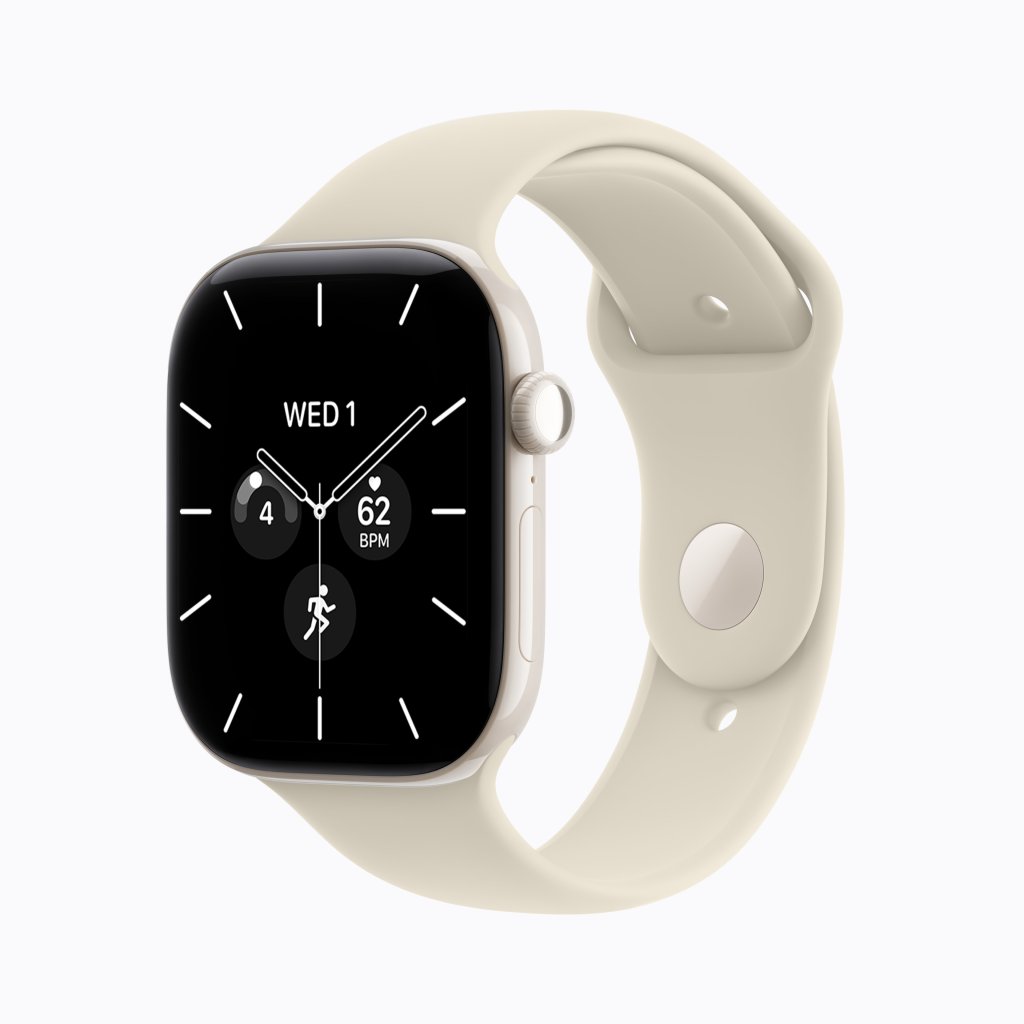
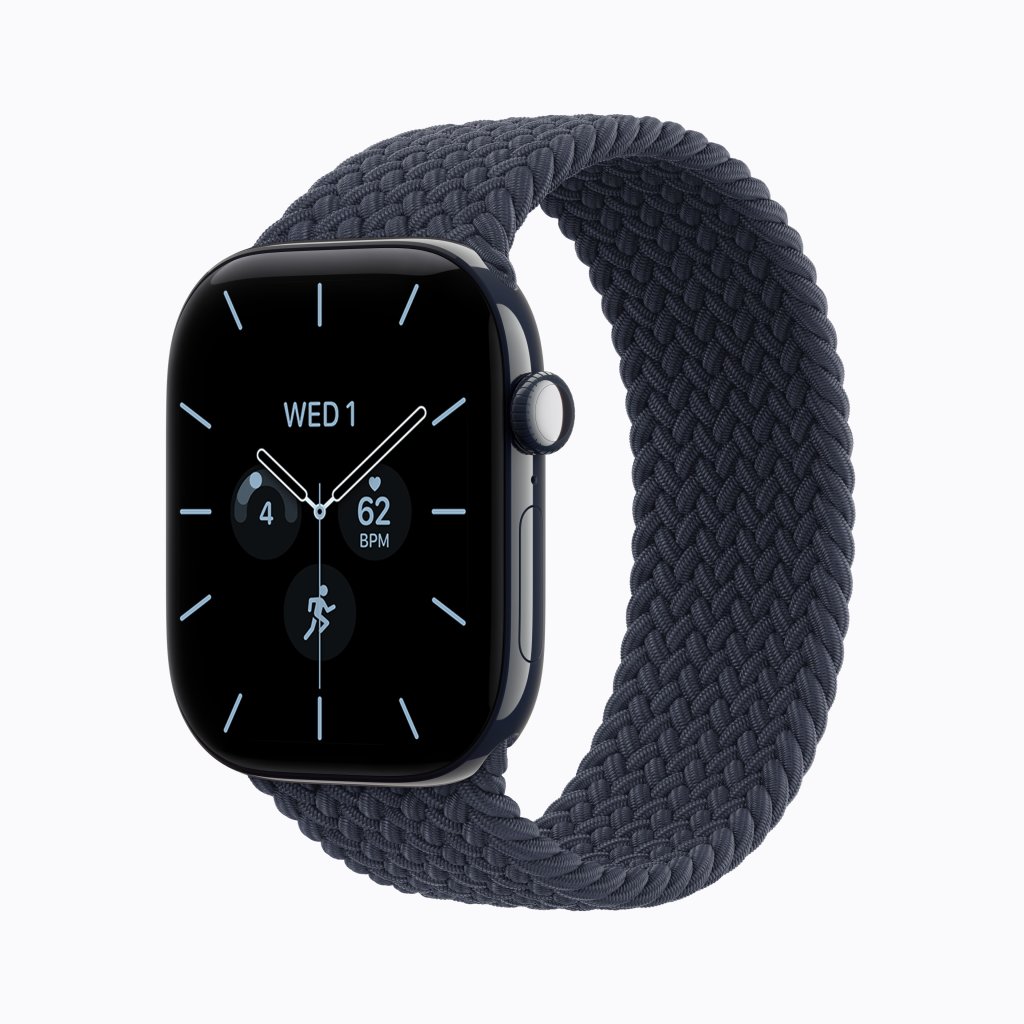
Apple has officially pulled back the curtain on its latest wearable generation, introducing the Apple Watch Series 12 and the Apple Watch Ultra 4, both scheduled to arrive in stores on September 18, 2026. Following an intensive week of testing ahead of the public launch, reviewers and tech analysts have turned their attention to the most significant hardware and design shifts in years. Most notably, the Series 12 marks the triumphant return of ceramic to Apple’s mainstream lineup for the first time since the Series 5 model debuted in 2019. Available in striking Pearl White and Night Blue variants, these ceramic cases undergo a rigorous, high-pressure manufacturing process more commonly associated with high-end Swiss watchmaking. Beneath the redesigned exteriors, both the Series 12 and the new Ultra 4 pack a completely overhauled Health Sensing System that dramatically increases data density by sampling the body every five seconds, paving the way for advanced daily readiness scores and deeper physiological insights.

The reintroduction of ceramic to the Apple Watch portfolio is a masterclass in materials engineering. Apple begins the fabrication process using ultra-fine zirconia powder—tinted pink for the Pearl White edition and gray for the Night Blue version—which is pressed into a mold while still pliable enough to machine the band slots, mechanical release buttons, and the precise opening for the Digital Crown. The cases are then subjected to a demanding multi-stage thermal treatment. In the first phase, Apple applies a 700-degree Celsius heat soak to burn away initial binders and shrink the casing down to its precise, final proportions. This is followed by a grueling second stage at 1,400 degrees Celsius under pressures exceeding 21,000 pounds per square inch. This extreme environment purges microscopic impurities and hardens the material while stripping out oxygen to alter the baseline color. A final third soak at 1,100 degrees Celsius floods the ceramic matrix with oxygen once more to coax out the desired hues with absolute precision.
Because the resulting ceramic material is exceptionally hard, Apple utilizes diamond-tipped tools and a meticulous six-step polishing process to achieve the final finish. According to early assessments, this intricate production cycle yields a subtle pearlescence that easily surpasses the visual depth of the older Series 5 ceramic models. The Night Blue variant, in particular, exhibits a dynamic visual character in everyday environments. Its tone subtly shifts depending on the surrounding lighting conditions and paired accessories—appearing deeper and darker when paired with a black Sport Band, or shifting toward a truer blue alongside a navy strap. Under direct, bright sunlight, the finish opens up entirely to display a multi-dimensional sparkle unlike anything previously seen on an Apple Watch.

Alongside the material update, Apple has refined the physical geometry of the Series 12. A newly designed protective glass profile extends further down the lateral sides of the watch body, effectively minimizing the visible perimeter of the case when viewed from directly above. This adjustment delivers a much cleaner, more streamlined aesthetic compared to previous ceramic iterations. While the ceramic Series 12 measures a slim 9.85 millimeters in thickness, it maintains a slightly wider and taller footprint than its aluminum and titanium counterparts. For instance, the 46mm Pearl White ceramic model tips the scales at 51.3 grams, notably heavier than the 39.5-gram aluminum equivalent. These models ship alongside color-matched sand or navy Sport Bands secured by custom ceramic pins, with pricing starting at $899.
Meanwhile, the rugged Apple Watch Ultra 4 retains its familiar titanium architecture but introduces notable updates to its accessory lineup. Most prominent among these are the new Translucent Ocean Bands, offered in kelp and gray colorways. These updated bands are notably softer and more pliable than previous iterations, significantly improving daily comfort while their translucent quality imparts a surprisingly ethereal aesthetic to an otherwise utilitarian, heavy-duty adventure watch.
While the exterior materials and band redesigns immediately catch the eye, the most transformative engineering updates reside on the underside of both the Series 12 and the Ultra 4. Flipping either wearable over reveals a thoroughly re-engineered sensor array designed to capture biometric data with unprecedented frequency. In previous generations, standard heart rate monitoring outside of active workouts relied on intermittent sampling every five minutes. The new Health Sensing System changes this paradigm entirely by taking continuous readings every five seconds, powered directly by the watch’s energy-efficient always-on processor.
This dramatic increase in data frequency allows the operating system to recognize physical exertion much faster. Consequently, the elevated heart rate experienced during routine, brief household chores now properly contributes toward daily calorie burn and exercise ring credits. Furthermore, heart rate variability—the subtle fluctuation in time intervals between consecutive heartbeats that serves as a key indicator of stress and physical recovery—is now captured up to 24 times more frequently than before.
The physical hardware underpinning this continuous data stream has been substantially expanded. The integrated ring of electrodes responsible for capturing the heart’s electrical rhythm during an electrocardiogram has multiplied from two to 32 discrete contact points, expanding wrist coverage by roughly 24 percent. Similarly, the optical sensor module has been redesigned. Rather than utilizing scattered square photodiodes, the system now isolates larger, highly efficient green LEDs within a dedicated central window, surrounded by a ring of eight individual photodiodes designed to capture reflected light from multiple angles. Capping this entire sensor assembly is a protective zirconia cover, fired in the exact same high-pressure thermal chambers as the ceramic watch cases, which seamlessly fuses opaque and crystal-clear layers into a single, highly durable component.
This influx of high-density biometric information forms the foundation of a brand-new feature called Readiness. Operating on a scale from zero to ten, Readiness synthesizes recent physical activity, cumulative training loads, baseline vitals, and sleep metrics against the wearer’s personal historical baseline. The resulting verdict spans from straightforward recovery advice to encouraging prompts like "Go For It." Crucially, the system provides transparent context for its evaluations, ensuring that a sudden score dip linked to an elevated overnight wrist temperature reads as an informative health nudge rather than an obscure puzzle. Day-to-day wear is further enhanced by interactive complications that plot metrics like stair climbs directly onto the watch face, alongside background vitals monitoring that flags readings straying outside a user’s typical personal range. The Readiness feature is exclusive to this new hardware generation and requires a baseline of seven consecutive nights of overnight sleep data to calibrate effectively.

All of the accumulated biometric data feeds directly into a thoroughly redesigned Health app, previewed within the latest iOS beta distributions. The interface features a dynamic Insights tab that consolidates the day’s key metrics into intelligent tiles that automatically reorder themselves as the hours progress. For users seeking a broader perspective on their long-term health, a more ambitious Longevity tab assesses eight distinct pillars of personal wellness. These encompass cardiovascular, metabolic, mental, and hearing health, alongside sleep patterns, nutritional intake, and overall mobility. Each category is rated across a spectrum from excellent to needs attention, drawing from watch sensor streams, third-party medical devices, clinical records, and brief user surveys.
Distilling these various metrics into a single overarching figure, the Health Age feature compares a user’s chronological age against a calculated biological equivalent derived from resting heart rate, VO2 max capacity, step counts, and active exercise minutes, weighted heavily by clinical guidance on longevity factors. Early users testing the system have reported tangible results, with personalized data outputs reflecting physiological ages significantly lower than their actual calendar years. As the Apple Watch Series 12 and Ultra 4 head toward their official retail release, these profound updates in both material craftsmanship and continuous physiological tracking signal a major step forward for personal health technology.