





In the intricate lexicon of design, historical ornamentation, and gemology, certain terms bridge the gap between ancient heraldry and fine jewelry. Among the most visually striking and historically rich of these concepts is the term "addorsed," a descriptor that carries profound weight for historians, collectors, and admirers of antique jewelry. Derived originally from the French word adosse, which translates to leaning or resting back against one another, the term describes a specific design motif in which two identical or complementary animals, objects, or typographical characters are placed symmetrically back to back.
While the concept may sound specialized to the casual observer, its visual impact is widespread, stretching from medieval coats of arms to the hallmark signatures of nineteenth-century master goldsmiths. Understanding the addorsed motif offers a fascinating window into how visual symmetry, symbolism, and branding have evolved across centuries of artistic expression.
The most traditional and perhaps most widely recognized application of the addorsed concept historically stems from the realm of heraldry. For generations, heraldic artists and designers utilized addorsed placements to convey balance, power, and narrative symmetry. When viewing traditional coats of arms, crests, and institutional emblems, observers frequently encounter pairs of animals—most notably lions, lambs, griffins, or eagles—positioned directly back to back. In these heraldic compositions, the addorsed arrangement was not merely a matter of aesthetic preference; it served a distinct visual and symbolic purpose. By placing creatures back to back, the design created a sense of expansive outward strength and vigilance, ensuring that the emblem appeared dynamic, balanced, and commanding whether viewed on a shield, a banner, or a wax seal.
Over time, the elegance and geometric equilibrium of the addorsed configuration naturally transitioned from the rigid rules of heraldry into the more intimate and decorative world of fine jewelry. During the nineteenth and early twentieth centuries, master jewelers frequently drew inspiration from classical antiquities and heraldic traditions, translating architectural and sculptural motifs into wearable art. This cross-pollination of design ideas allowed concepts like addorsed positioning to find a second life in the craftsmanship of rings, brooches, pendants, and maker’s marks.
Perhaps one of the most famous and historically significant applications of the addorsed motif in the decorative arts can be seen in the signatures and trademarks utilized by legendary nineteenth-century jewelers. Among them, the renowned Italian archaeological revival firm Castellani stands out as a prime historical example. Founded by Fortunato Pio Castellani in Rome, the firm achieved international acclaim for its meticulous recreation and interpretation of ancient Etruscan, Greek, and Roman goldwork. The Castellani family’s creations were not merely jewelry pieces; they were archaeological masterworks that captured the imagination of Europe’s elite.
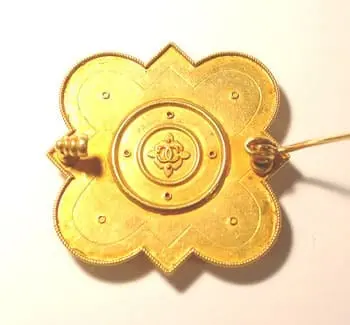
As part of their commitment to authenticity, prestige, and brand recognition, the Castellani firm utilized distinctive signatures and trademarks to authenticate their creations. Among these maker’s marks was a sophisticated cipher featuring back-to-back letters, specifically addorsed C’s. This characteristic mark, often subtly stamped into the precious metal of their intricate gold wirework and mosaic pieces, served as an ultimate guarantee of quality and craftsmanship. The use of addorsed initials in this manner bridged the gap between personal artistic branding and the grand visual traditions of heraldic design, creating a monogram that was both deeply personal to the maker and visually harmonious to the beholder.
Historical specimens bearing these rare signatures, such as the Castellani pieces featuring the addorsed C’s mark from approximately 1880, continue to command immense respect and fascination among contemporary antique jewelry experts and prestigious institutions. Specialized houses and galleries, such as Wartski—the renowned London-based firm celebrated for its expertise in Fabergé, antique jewelry, and historical objects of art—frequently document and preserve these remarkable markers of provenance. The presence of an addorsed maker’s mark on a nineteenth-century jewel provides modern historians with invaluable context, allowing them to trace the lineage, date of creation, and authorship of pieces that might otherwise remain anonymous.
The enduring appeal of the addorsed motif lies in its inherent symmetry. By mirroring forms back to back, artists across different eras have been able to achieve a sense of calm stability and formal elegance that single figures often lack. Whether embodied in the heraldic beasts of medieval crests or the finely struck maker’s marks of nineteenth-century Roman goldsmiths, the concept of things leaning together, back to back, remains a testament to the enduring power of thoughtful design. As collectors and scholars continue to study the minutiae of antique hallmarks and decorative arts, terms like addorsed serve as vital linguistic tools, decoding the hidden languages embedded within centuries of human craftsmanship.