





Silver has long occupied a unique place in human civilization. As a brilliant white metallic element, it is harder than gold yet softer than copper, standing second only to gold in both malleability and ductility. Represented on the Periodic Table by the chemical symbol Ag, silver is celebrated as an exceptional conductor of both heat and electricity. Because of its remarkable resistance to oxidation, it is classified among the noble metals. Throughout history, silver has played a pivotal role in the creation of fine jewelry and objets d’art, typically alloyed with other metals to provide the structural integrity required to maintain intricate shapes and delicate details.
Despite being comparatively inexpensive today when weighed against precious counterparts like gold and platinum, dismissing silver as secondary would be a historical miscalculation. At various points across the sweep of human history, silver was valued higher than gold. When examining the sheer volume of metal utilized in jewelry production over the centuries, silver’s usage dwarfs all other precious metals by a wide margin. Furthermore, this versatile white metal has driven far more technological breakthroughs in mining and metallurgy than any of its metallic cousins. Entire economies have risen and fallen on the availability of silver, and access to its deposits has frequently shifted the tides of war and altered the course of history.
Bronze Age Silver and Early Civilizations
The story of silver begins near the end of the fourth millennium BC, when innovative inhabitants of modern-day Turkey discovered that silver could be successfully extracted from lead through the process of cupellation. While surviving artifacts from this nascent period are exceptionally rare, those that remain offer a fascinating glimpse into the advanced capabilities of Bronze Age silversmiths.
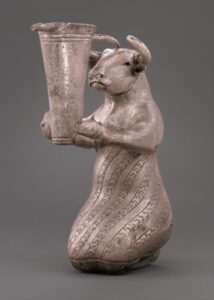
At the dawn of written history, silver served as a standard currency in Mesopotamia. Rather than circulating in the form of standardized coins, it was measured strictly by weight or shaped into utilitarian rings. The workshop of a Mesopotamian silversmith closely mirrored—and was often indistinguishable from—that of a goldsmith. Although silver is slightly less ductile than gold and demands more frequent annealing during fabrication, it can be cast, hammered into translucent sheets, engraved, embossed, worked in repoussé, and embellished with delicate filigree and granulation. Archaeological excavations have unearthed vessels, statuettes, and jewelry crafted from high-purity silver, yielding remarkably soft and luminous objects.
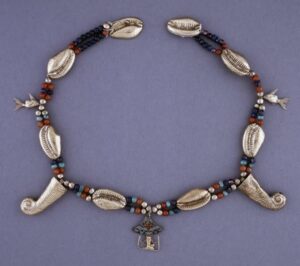
In ancient Egypt, craftsmanship frequently centered on the rare and exotic. The Egyptians placed immense value on items acquired from distant lands, such as lapis lazuli imported along arduous trade routes from Afghanistan. Silver arrived along these same perilous routes and was regarded with equal reverence, treated as an exclusive commodity far more precious than locally accessible gold from the Eastern Desert and Nubia. While some electrum may have been sourced regionally, pure silver required extensive importation, restricting its use exclusively to the upper echelons of society.
By roughly 1600 BC, the market value of silver had declined to about half that of gold, reflecting a substantial increase in global supply. By this era, the metal functioned as an abstract currency with a relatively stable value. Its popularity fluctuated according to prevailing fashions; the tomb of King Tutankhamun contained very few silver artifacts, whereas Pharaoh Sheshonq II was entombed within a breathtaking all-silver sarcophagus.
Further north and west, the Minoans and Mycenaeans engaged heavily in Mediterranean trade, handling substantial quantities of silver. Early Greek silver jewelry frequently appears in archaeological sites across the mainland, Crete, and Cyprus. Meanwhile, the Phoenicians played a transformative role by colonizing and trading across the Mediterranean, initiating the large-scale exploitation of Spanish silver deposits and distributing the metal throughout the classical world. Their commercial network permanently lifted silver out of its strictly exotic status, elevating its availability to unprecedented heights.
Classical Silver in Greece and Rome
For both ancient Greek and Roman societies, a reliable supply of silver was critical because their monetary systems—specifically properly minted silver coinage—depended entirely upon it. While fewer silver jewelry items survive from this era compared to gold, this discrepancy is largely attributed to centuries of continuous remelting and recycling. Surviving pieces demonstrate that silver was fashioned into every conceivable type of adornment, including finger rings, anklets, and armlets.
The Romans developed a particular fondness for niello, a surface decoration technique closely related to enameling but executed using silver sulfate rather than glass. Niello yielded a much tougher finish with a distinctive metallic luster rather than a vitreous one. During the Roman occupation of Northern Europe, this technique spread widely across the continent, leaving a lasting imprint on Anglo-Saxon artifacts in Britain and various finds throughout Eastern Europe.
Writing with his characteristic skepticism, the Roman author Pliny the Elder provided vivid contemporary accounts of Roman society’s obsession with silver in his Naturalis Historia. Pliny detailed the deep underground shafts required to mine silver ore, noting the immense hardships faced by miners working in Spanish excavations originally opened by Hannibal—mines that reportedly yielded hundreds of pounds of silver daily and required continuous, torch-lit drainage operations.
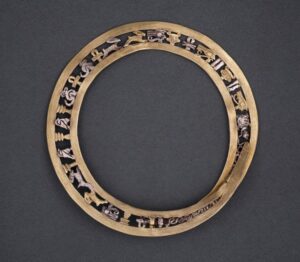
Pliny also documented elaborate testing methods used to evaluate silver quality, such as heating the metal on an iron shovel to observe color changes, and lamented the staggering escalation of luxury among his contemporaries. He observed how silver consumption evolved from the relative frugality of early Roman generals—who possessed mere fractions of what later citizens displayed—to an extravagant culture where wealthy Romans plated banquet couches, covered carriages in chased silver, and even adorned the mules of imperial favorites with precious metals. Artisans such as Mentor achieved legendary status for their embossed silver vessels, though the sheer market demand eventually degraded craftsmanship, leaving later generations to prize only antique, worn pieces where original designs had nearly vanished.
Celtic and Medieval Silver Traditions
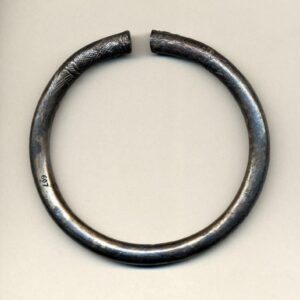
Celtic tribes utilized silver extensively alongside bronze to fashion decorative jewelry, including elaborate brooches, rigid torcs, and crescent-shaped lunulae. Prior to Roman incursions, the Celts did not use conventional coinage, relying instead on "ring money"—standardized rings of silver, copper, bronze, or gold intended strictly as a medium of exchange rather than personal wear.
With the collapse of Roman supply lines, gold grew exceedingly scarce across Europe, catapulting silver to the forefront of jewelry production. Germanic craftsmanship shifted toward functional items such as fibulae, disc brooches, penannular brooches, and belt buckles, usually fashioned from silver and occasionally gilded or inlaid with precious stones, particularly deep red garnets.
Following the onset of Viking expansion around 800 AD, vast quantities of silver flowed into Scandinavia, fueling a flourishing tradition of silversmithing. The discovery of rich Swedish silver deposits around the turn of the first millennium further cemented silver’s popularity. The black-and-white visual contrast of niello inlay remained a favored decorative choice, beautifully accentuating intricate Germanic engraving patterns, as exemplified by masterworks like the ninth-century Anglo-Saxon Fuller Brooch housed in the British Museum.
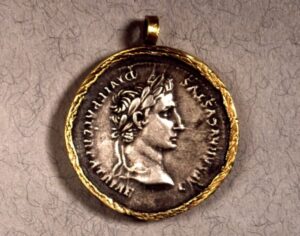
As medieval society evolved and Eastern trade routes reopened, gold regained its traditional status as the premier metal for elite jewelry. However, this same commercial expansion nurtured a burgeoning middle class eager to adorn themselves in fashions previously reserved for monarchs. Those operating on a tighter budget readily embraced silver. Jewelry designs also diversified away from strictly functional pieces toward purely decorative and symbolic ornaments, including finger rings, bangles, and pendants. By the close of the Middle Ages, the trade in silver jewelry and silverware became strictly regulated through formal assaying and hallmarking systems.
Renaissance, Baroque, and Georgian Silver
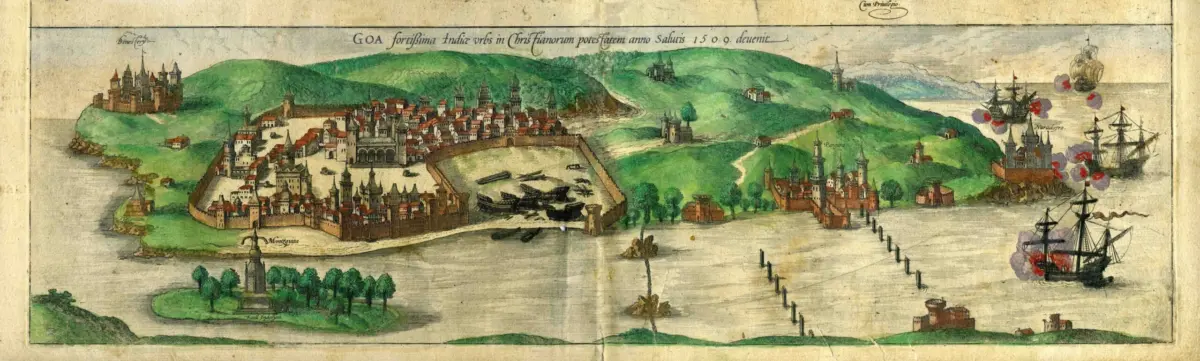
The Renaissance brought profound cultural shifts across Europe, spurred by revived trade, population recovery, and the intellectual influx of Byzantine exiles following the fall of Constantinople in 1453. The subsequent Age of Exploration transformed the global economy. Following Christopher Columbus’s voyage to the Americas, Spain and Portugal established dominance in the New World, marked by conquests like Pizarro’s subjugation of the Incas and Cortez’s defeat of the Aztecs. Beginning in 1546, massive silver discoveries in regions such as modern-day Mexico flooded global markets. While silversmithing techniques remained rooted in medieval traditions, the unprecedented influx of American silver ensured that the metal remained economically accessible for currency and jewelry alike.
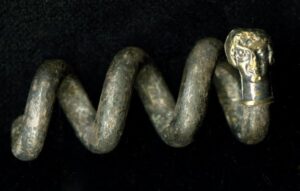
During the Baroque period spanning the seventeenth century, European powers vied fiercely for control over Atlantic shipping lanes carrying rich cargoes of South American silver. While fabrication methods remained largely consistent, two major innovations emerged. Portable timepieces became a significant novelty frequently housed in silver cases, and silversmiths began utilizing silver settings to mount diamonds. Direct maritime trade routes established with India allowed European jewelers to acquire superior diamonds in quantities previously unseen, and silver’s cool white luster provided the ideal complement to the colorless stones.
The Georgian era witnessed booming production as new South American silver deposits were continuously discovered. The practice of setting diamonds in silver became standard practice. While fine jewelry was frequently constructed using gold with silver-topped fronts, entirely silver pieces remained common, particularly in specialized mountings designed to maximize the brilliance of white diamonds. Furthermore, the introduction of die-striking technology in 1777 revolutionized manufacturing. By utilizing presses and drop hammers to stamp out standardized precious metal components, workshops could rapidly assemble jewelry by hand. This innovation birthed the world’s first mass-produced jewelry lines, making silver ornaments more affordable and widely available than ever before.
Victorian Silver and Industrial Evolution
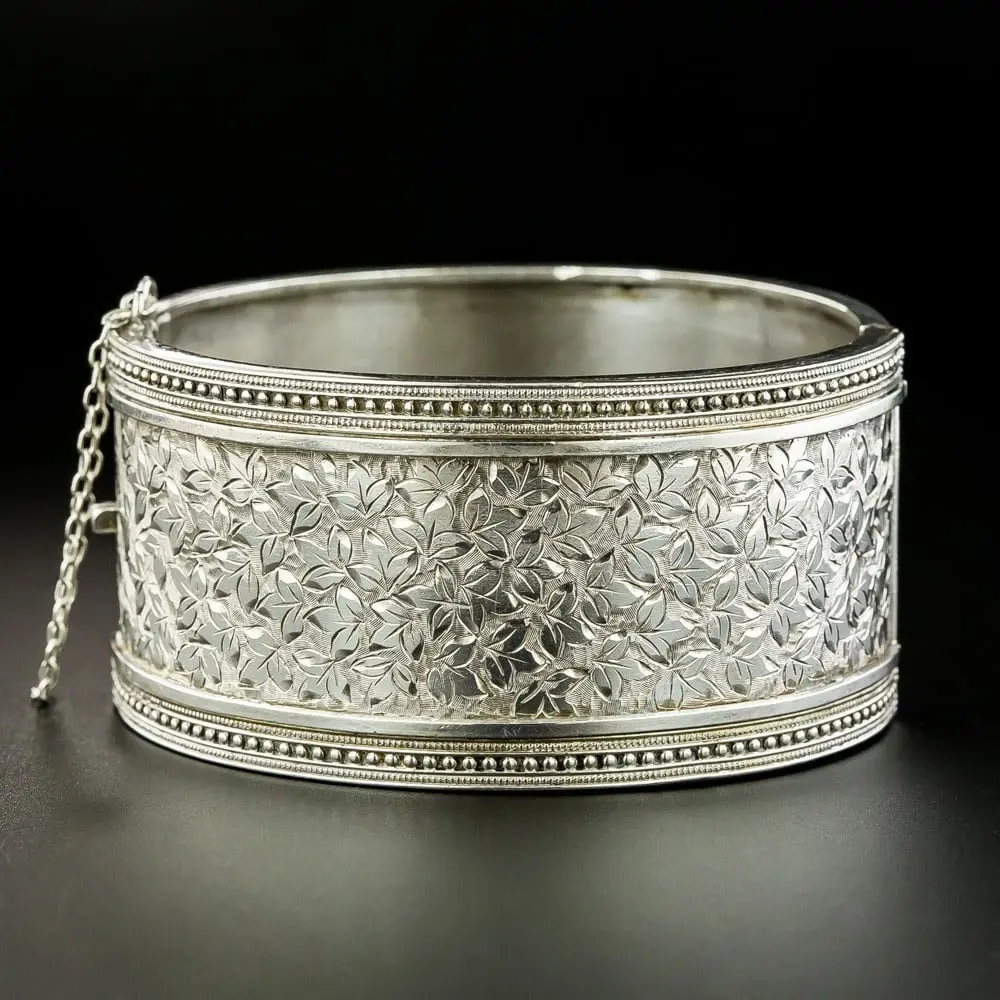
The Industrial Revolution left an indelible mark on Victorian jewelry manufacturing, heavily relying on the perfected techniques of stamping and die-striking. Silver became the primary medium for producing accessible, highly detailed accessories on a mass scale. A notable fashion trend emerged in 1848 after Queen Victoria and Prince Albert purchased Balmoral Castle in Scotland, sparking widespread demand for Scottish agate jewelry predominantly executed in silver.
Toward the close of the Victorian era, the Arts and Crafts movement emerged as a direct aesthetic reaction against industrial mass production. Championing artistic design over the intrinsic market value of materials, Arts and Crafts artisans favored silver over gold and preferred cabochon-cut stones in simple bezel settings over heavily faceted gems. Through every era of human history, from ancient Mesopotamian trade rings to the artistic workshops of the nineteenth century, silver has consistently demonstrated an unmatched versatility and enduring cultural significance.