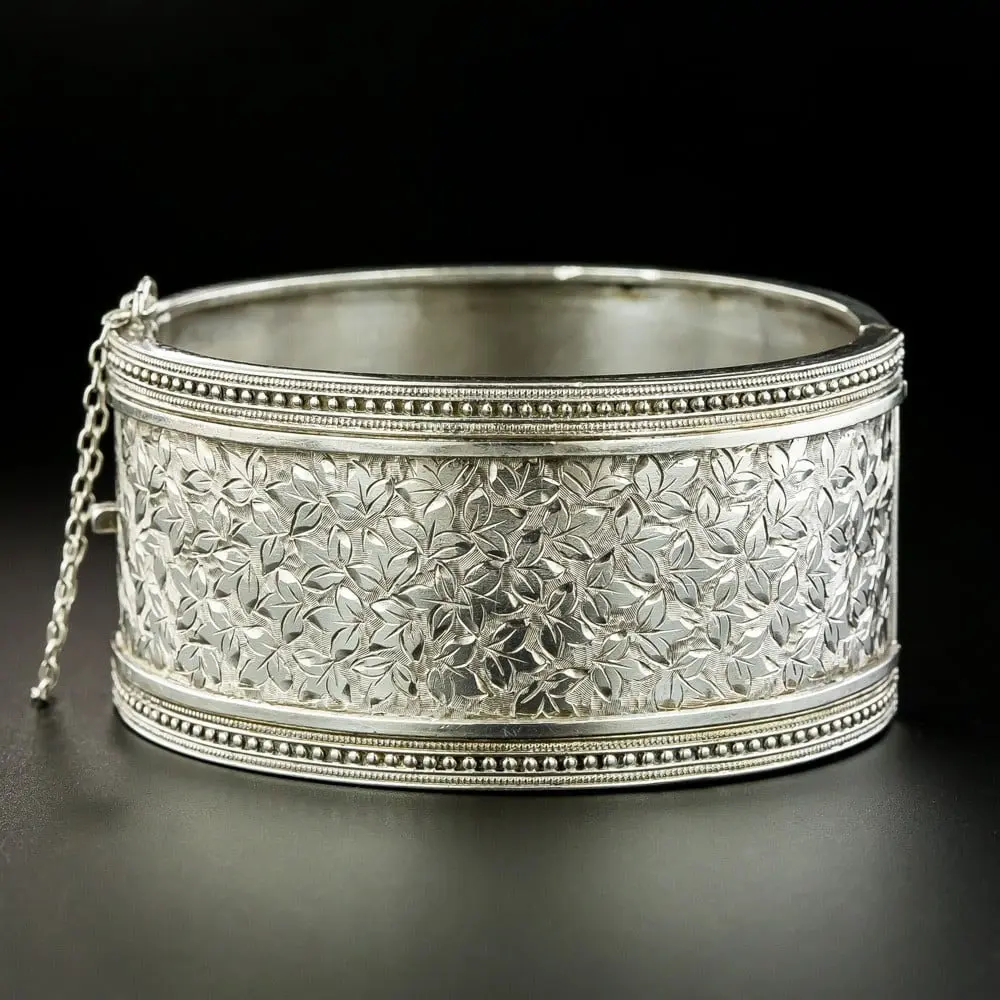
Silver has long occupied a fascinating and pivotal place in human civilization. As a brilliant white metallic element represented on the periodic table by the symbol Ag, it is harder than gold yet softer than copper, ranking second only to gold in both malleability and ductility. Beyond its physical properties, which include exceptional thermal and electrical conductivity, silver is celebrated as a noble metal due to its remarkable resistance to oxidation. Throughout history, this versatile material has served as a cornerstone for the production of fine jewelry and objets d’art, typically alloyed with other metals to provide the structural integrity required to maintain intricate shapes and delicate details.
While modern markets often price silver well below precious counterparts like gold or platinum, viewing the metal as secondary is a historical misconception. At various junctures, silver was valued more highly than gold. When examining the sheer volume of material used in jewelry and decorative arts across the centuries, silver’s utilization vastly outweighs that of all other precious metals. Furthermore, this luminous white metal catalyzed far more technological advancements in mining and metallurgy than its metallic cousins, directly shaping economies, shifting the balance of power in wars, and ultimately altering the course of human history.
Bronze Age Origins and Early Significance
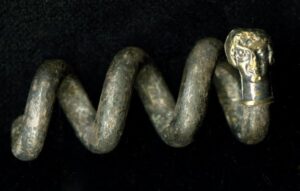
The story of silver traces back to the late fourth millennium BCE, when metallurgists in modern-day Turkey discovered they could extract silver from lead through a process known as cupellation. Although exceedingly few artifacts from this dawn of metallurgy have survived, those that remain reveal the extraordinary capabilities of Bronze Age silversmiths.
In Mesopotamia, silver emerged at the dawn of written history not merely as a medium for ornaments, but as a foundational currency. Utilized by weight or formed into rings rather than standardized coins, silver circulated widely. The Mesopotamian silversmith’s workshop often mirrored that of the goldsmith, frequently operating as a single enterprise. Although silver is slightly less ductile than gold and demands more frequent annealing during crafting, ancient artisans successfully cast, hammered it into paper-thin sheets, engraved, embossed, and decorated items using repoussé, filigree, and granulation techniques. Archaeological excavations of vessels, statuettes, and high-purity jewelry demonstrate the soft, pliable nature of these early objects.
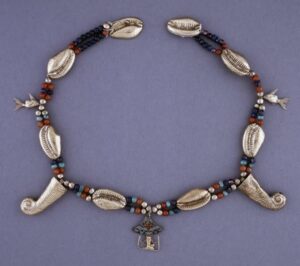
Meanwhile, ancient Egyptians harbored a deep fascination for the rare and exotic. Sourcing prized Afghan lapis lazuli along distant trade routes, Egyptians similarly coveted silver as an exceptionally exclusive material. While gold was readily available closer to home in the mountains of the Eastern Desert and Nubia—along with native electrum, a natural alloy of gold and silver—pure silver had to be imported. This scarcity made silver more valuable than gold during early dynastic periods, restricting its use exclusively to society’s elite.
By approximately 1600 BCE, however, the global supply of silver had expanded enough to reduce its market value to roughly half that of gold. It established itself as a stable, abstract currency. The popularity of silver frequently fluctuated with the tides of fashion; King Tutankhamun’s famed tomb contained very few silver items, whereas Pharaoh Sheshonq II was laid to rest within an entirely silver sarcophagus.
During the same era, the Minoans and Mycenaeans engaged in extensive maritime trade, circulating silver throughout the Greek mainland, Crete, and Cyprus. Later, the Phoenicians transformed the Mediterranean landscape by establishing colonies and exploiting rich Spanish silver deposits. Their aggressive commercial distribution brought silver out of its previously exclusive, exotic tier and saturated the classical world with unprecedented quantities of the metal.
Classical Trade, Currencies, and Roman Luxury
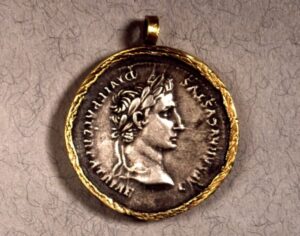
To both Greek and Roman societies, a steady supply of silver was an absolute necessity, serving as the bedrock of their monetary systems through properly minted silver coinage. While archaeological finds yield more surviving gold jewelry from this era—partly due to the perpetual recycling and remelting of silver objects—surviving artifacts confirm that silver was fashioned into finger rings, anklets, and armlets.
Romans developed a particular fondness for niello, a surface decoration technique closely resembling enameling but executed with silver sulfate instead of powdered glass. Niello yielded a tougher finish characterized by a distinctive metallic luster, spreading rapidly across Northern Europe and Britain through Roman occupation.
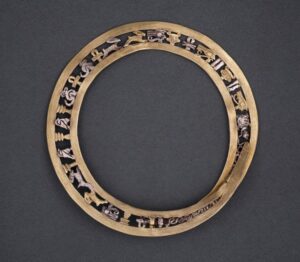
Roman historian Pliny the Elder captured the cultural obsession with silver in his encyclopedic work Naturalis Historia. Pliny documented the extensive underground mining operations in Spain, noting that Hannibal’s ancient shafts—such as the famous Baebelo mine—remained active and yielded hundreds of pounds of silver daily through grueling, continuous labor. He also detailed Roman testing methods, such as heating silver on an iron shovel to observe color changes, and lamented the staggering escalation of luxury among his contemporaries. From simple ancestral restraint, where statesmen dined off earthenware or limited their silver possessions to a few modest cups, Roman society descended into lavish excess. Pliny chronicled the meteoric rise of silver plate manufacturing, ornate banqueting couches plated entirely in silver, and extreme displays of wealth, such as Emperor Nero’s wife Poppaea shoeing her favorite mules with gold.
Celtic and Medieval Transformations
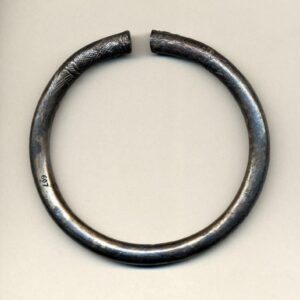
Celtic tribes relied heavily on silver alongside bronze to craft decorative brooches, torcs, and lunulae. Prior to Roman incursions, Celtic economies favored "ring money"—standardized rings of silver, copper, bronze, or gold used exclusively as currency rather than personal adornment.
As Roman supply lines collapsed and gold grew exceedingly rare in medieval Europe, silver firmly established itself as the primary metal for jewelry. Germanic jewelry focused heavily on functional items such as fibulae, disc brooches, penannular brooches, and belt buckles, frequently fashioned from silver, gilded, or inlaid with prized garnets.
Beginning around 800 CE, Viking expansions into northwestern Europe funneled vast quantities of silver into Scandinavia, where silversmithing flourished. The subsequent discovery of rich Swedish silver deposits near the turn of the first millennium cemented silver’s cultural prominence. The dark-white visual contrast of niello inlay remained exceptionally popular among Germanic tribes, beautifully accentuating intricate engraving work, as brilliantly exemplified by Anglo-Saxon masterworks like the ninth-century Fuller Brooch housed in the British Museum.
As medieval society evolved and Eastern trade routes reopened, gold reclaimed its status as the premier metal for elite jewelry. Yet, this same economic expansion fostered a burgeoning middle class eager for adornment previously reserved for royalty. Silver emerged as the accessible, affordable alternative. Jewelry designs simultaneously shifted from strictly utilitarian fasteners toward purely decorative and symbolic pieces, including finger rings, bangles, and pendants. By the late Middle Ages, the trade had matured sufficiently to introduce systemic hallmarking and assaying to guarantee metal purity.
Renaissance Exploration and the Influx of American Silver
The Renaissance bridged medieval traditions and modern global commerce. Triggered by recovering European populations following the plague, expanding northern trade centers, and the dissemination of classical knowledge following the fall of Constantinople in 1453, Europe entered an age of unprecedented exploration.
Following Christopher Columbus’s landmark voyage, European powers raced to claim territories in the New World. Spanish conquistadors like Pizarro and Cortés subjugated the Incan and Aztec empires, unlocking massive silver deposits—notably in modern-day Mexico beginning in 1546. Fleets transported staggering quantities of South American silver across oceans, fueling European trade and even flowing directly into China to secure Asian commodities. While traditional metalworking techniques remained largely unchanged, the sheer abundance of silver ensured it remained an affordable precious metal for a prosperous European middle class.
Baroque, Georgian, and Victorian Evolution
During the Baroque period of the seventeenth century, maritime powers including England, France, and the Netherlands competed fiercely for control of trade routes carrying silver-laden galleons from the New World. While silversmithing techniques largely held steady, the era witnessed distinct innovations, including the creation of silver timepieces and the revolutionary practice of setting diamonds in silver. The white metal perfectly complemented the colorless sparkle of diamonds, which were arriving in growing numbers from newly established Indian trade settlements.
This diamond-setting trend exploded during the Georgian era, buoyed by the discovery of rich diamond deposits in Brazil in 1727 alongside continued South American silver mining booms. Fine jewelry frequently paired gold foundations with silver-topped fronts, utilizing specialized cut-down collet settings designed to maximize the brilliance of the stones.
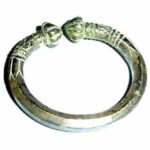
Furthermore, the late eighteenth century introduced die-striking technology in 1777, allowing manufacturers to stamp and cut precious metal components using heavy presses. This innovation ushered in the world’s first mass-produced jewelry lines. Because silver was readily available in massive quantities, large volumes of die-struck silver jewelry flooded commercial markets at lower price points than traditional handmade pieces.
The Industrial Revolution of the Victorian era perfected these stamping and die-striking techniques. Cultural shifts, such as Queen Victoria and Prince Albert acquiring Balmoral Castle in 1848, sparked a massive craze for Scottish agate jewelry predominantly mounted in silver.
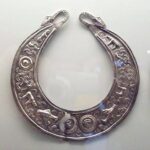
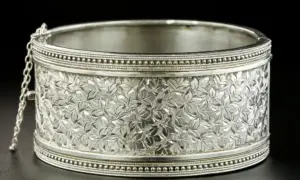
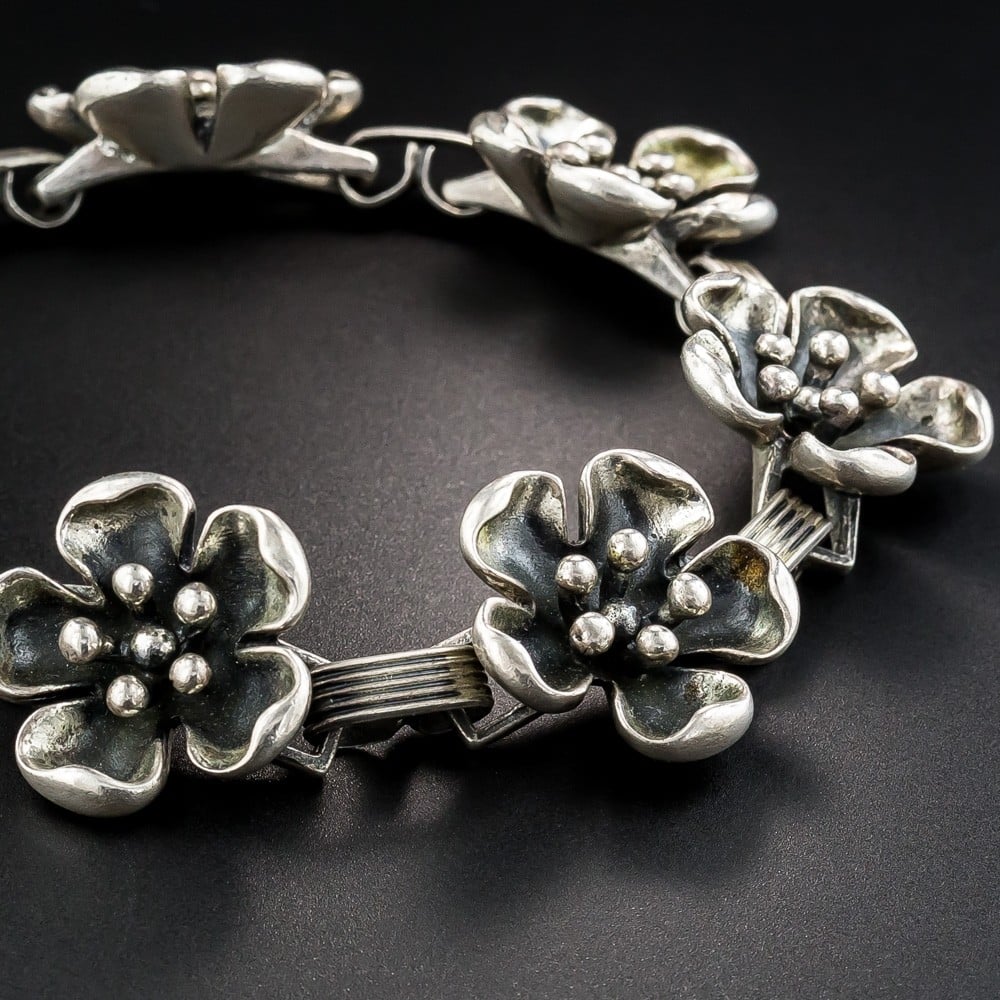
Toward the end of the Victorian era, the Arts and Crafts movement emerged as a deliberate ideological counterweight to industrial mass production. Valuing artistic design and hand-craftsmanship far above the intrinsic market value of raw materials, Arts and Crafts artisans favored silver over gold and preferred bezel-set cabochon gemstones over faceted stones. Through every era of human history, silver has repeatedly reinvented its place in society—demonstrating a remarkable capacity to adapt from utilitarian currency to high artistic expression.