




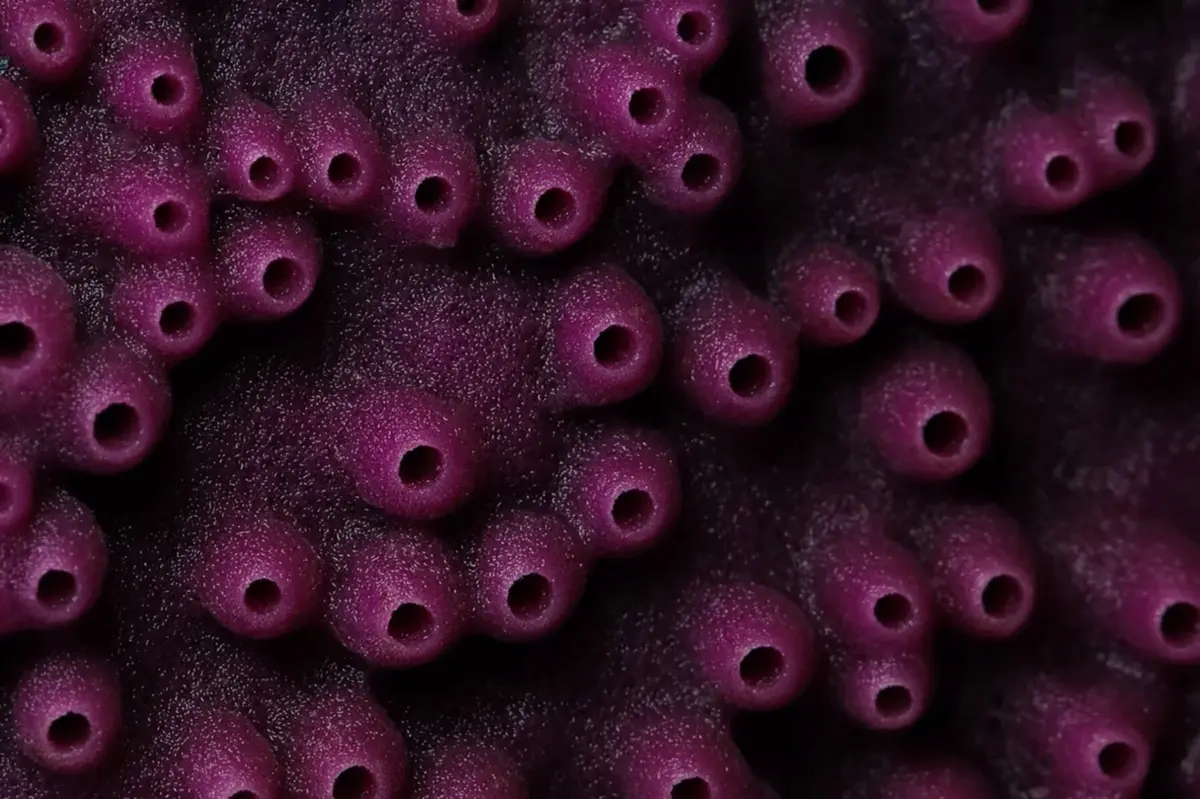
California-based artist Aron Sanchez-Baranda is inviting viewers to fundamentally reconsider how they perceive nonhuman life. Through a compelling collection of photographs and videos capturing marine organisms along the Californian coast, his work documents biological forms that appear simultaneously familiar and deeply alien. By shifting attention away from the urge to instantly identify and categorize these subjects, Sanchez-Baranda directs the viewer’s focus toward the raw sensations of encountering something that resists complete human understanding.
This distinct approach allows the presence, movement, and physical material qualities of these organisms to take precedence. Rather than serving as passive illustrations of biodiversity, the subjects in his photographs act as independent entities with their own rhythms and environments, prompting audiences to question the deep-seated assumption that the world exists primarily to serve human experience.
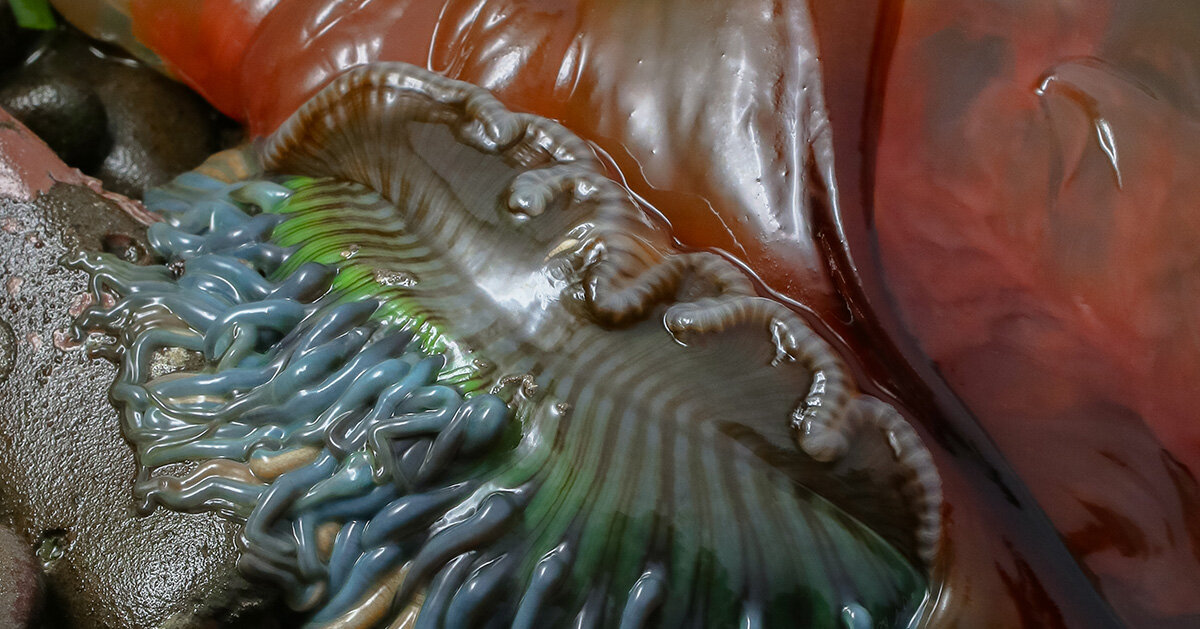
Encounters Beyond Explanation
Sanchez-Baranda’s relationship with observation began long before he developed a conscious, academic understanding of humanity’s place within the natural world. Reflecting on his early life, the artist explains that observing living organisms has always commanded the entirety of his attention from his earliest memories onward, describing the practice as inherently relaxing. Over time, this instinctive, lifelong fascination has evolved into a broader intellectual and philosophical questioning of human primacy. As he has continually reflected on his own place within a larger, more complex system, the idea of humanity occupying a central, dominant position has come to seem increasingly counterintuitive, or at the very least, deeply confusing.
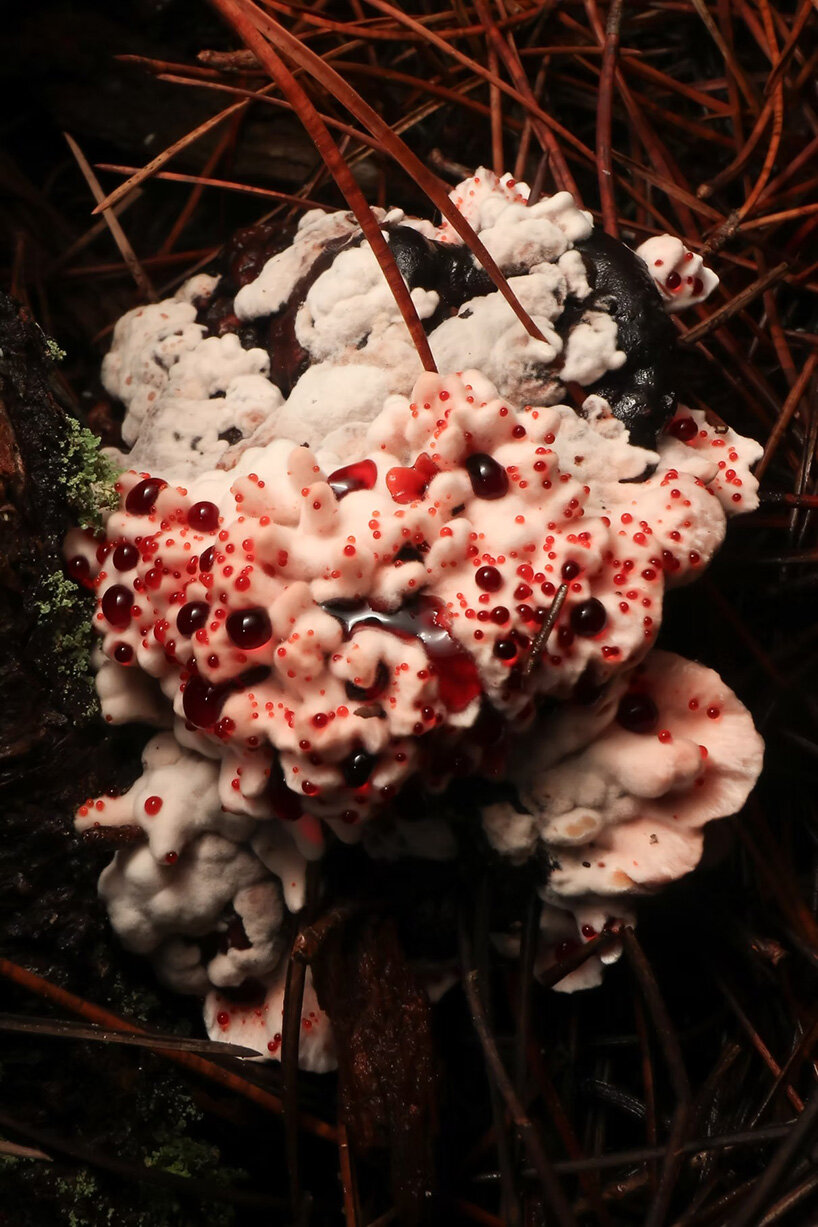
At the heart of his artistic inquiry is the fleeting, critical moment right before an encounter hardens into established knowledge. During this window, an unfamiliar organism can provoke curiosity, subtle discomfort, or profound fascination without immediately settling into a single, rigid interpretation. His photographic compositions deliberately create a mental and visual space for viewers to experience these alien-looking forms without instantly rushing to assign them familiar labels or textbook definitions.
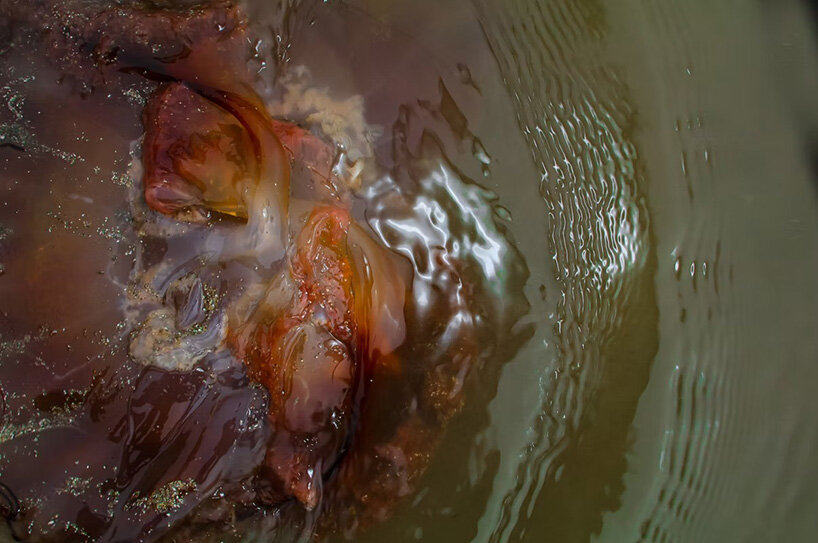
The artist’s creative process itself begins with radical openness. He frequently walks through specific coastal environments until a particular form or texture naturally catches his eye, or alternatively, he revisits the raw photographs and videos he has already recorded over time. From these excursions, he develops what he describes as a series of concentric experiments, a methodology that may ultimately crystallize into a single focused idea or branch out into several parallel directions.
Some of his images originate from a clear, pre-existing internal vision that he gradually shapes and refines through physical material. Others, however, emerge organically through the actual act of making, becoming recognizable only over time through a sort of automatism. Sanchez-Baranda traces his deep interest in how images affect the observer back to childhood experiences of cinema and music—mediums that simultaneously engaged and unsettlingly challenged his developing sense of reality. He has spent his career trying to recover a fraction of that early uncertainty, describing his core artistic interest as the abstraction of sensory responses. For him, the true significance of any encounter lies partly in its fierce resistance to immediate understanding, in the way a profound sensation can stubbornly linger long after the physical experience has passed.
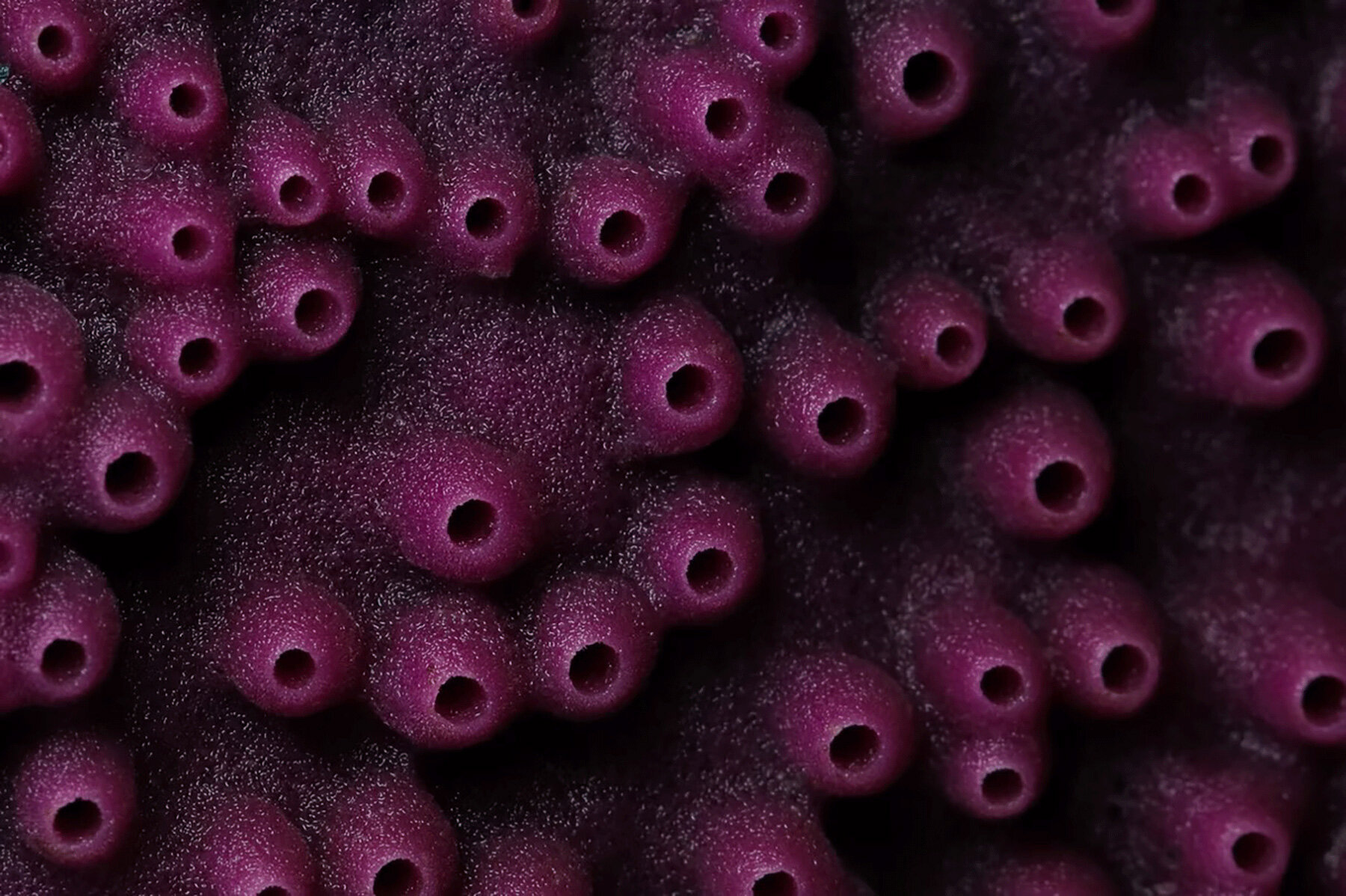
The intricate biological forms he documents regularly prompt viewers to ask for specific, factual information about what they are looking at. While Sanchez-Baranda does not dismiss this innate human curiosity, he actively questions the underlying assumption that an image of a living organism must always be accompanied by a neat, explanatory caption. Such rigid expectations, he suggests, can actively distract from the pure, unmediated experience he is trying to convey.
The lack of certainty and the ultimate permeability of those early, unstructured sensations persist directly in his work, driving what he pursues on a daily basis. While identifying an organism can undoubtedly provide useful scientific knowledge, it does not exhaust or replace the raw experience of encountering it face-to-face. By allowing uncertainty to permanently remain intact within his art, Sanchez-Baranda challenges the modern cultural expectation that looking at something should always lead directly to swift classification and intellectual mastery. Instead, he asks whether humanity can learn to attend to another form of life without making its meaning, its potential usefulness, or its direct relationship to ourselves the primary concern.
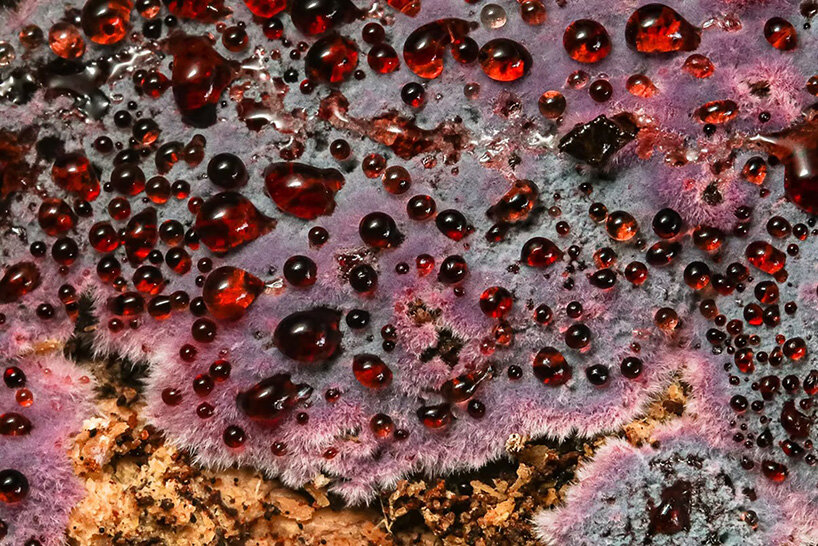
The Limits of a Human-Centered World
For the Los Angeles-based artist, this alternative way of looking also serves as a direct response to the exhausting conditions under which people experience the modern world. The continuous, overwhelming availability of digital information, constant analysis, and digital distraction can severely fragment human attention, frequently making it nearly impossible to remain present with a single, unbroken experience. People increasingly overlook singular activity, and human access to endless data can have a deeply fragmentary effect on perception. Furthermore, the ways modern societies understand time and memory have become overwhelmingly shaped by the data readily available to them, a cycle of collection and application that can ultimately undermine what Sanchez-Baranda characterizes as a natural human perspective.
His photographs and videos deliberately propose an entirely different kind of attention—one that is firmly grounded in direct, quiet observation rather than accumulated facts. The camera lens becomes a modest means of sharing, however incompletely, the profound experience of encountering an organism in person. For him, the act of observing them is entirely enough, and the work he produces endeavors to impart at least some fraction of that raw sensation he receives when encountering his subjects in the wild.
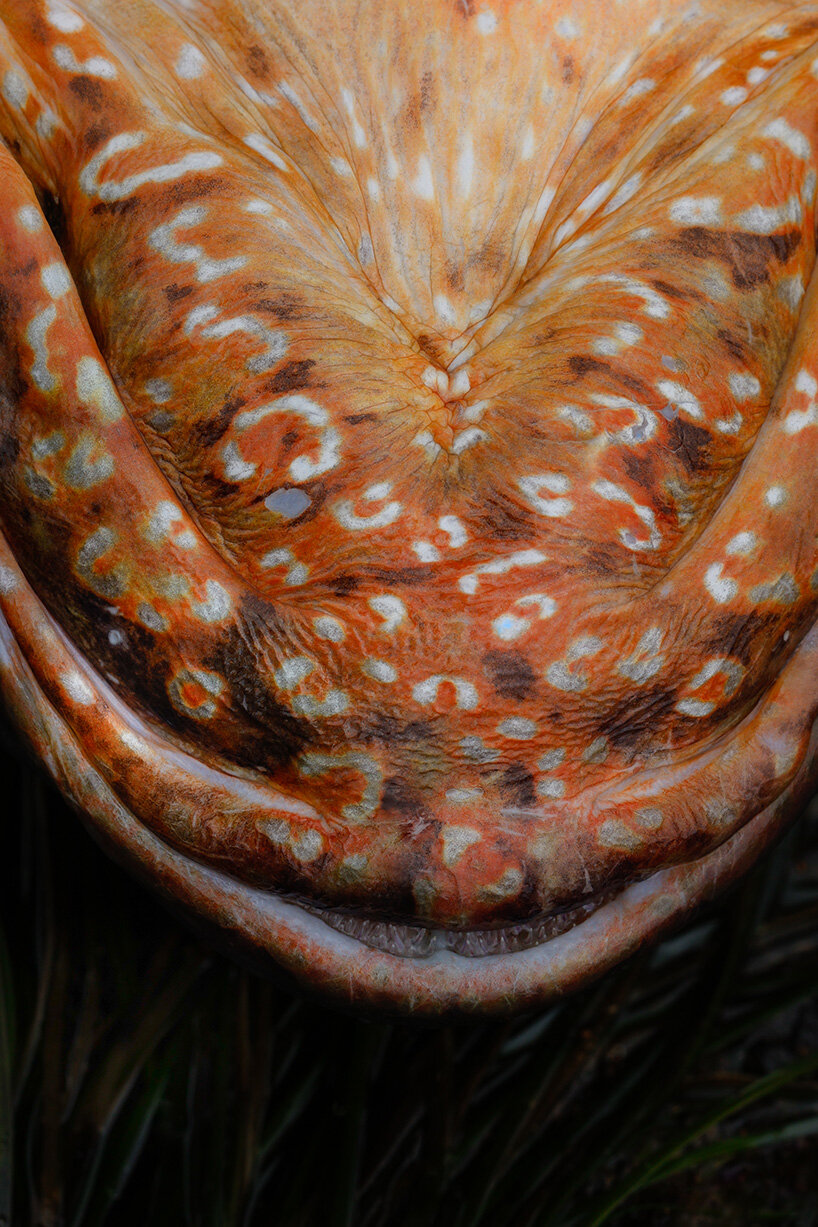
Sanchez-Baranda remains deeply realistic about the inherent limits of this artistic translation. A photographic image can never fully reproduce the total, immersive experience of being physically present in the immediate environment of another living organism. Consequently, the viewer remains permanently separated from the original encounter by the mechanical and digital conditions of documentation. Yet, he believes this partial reproduction holds profound meaning of its own. It emphatically suggests an alternative to a world stubbornly organized entirely around human experience. The strange, vibrant organisms he documents are not imagined inhabitants of a distant, speculative future; they exist right alongside us in the present moment, quietly following their own ancient rhythms and occupying marine environments that do not rely on human recognition to possess inherent value.
Becoming intimately familiar with these diverse forms of life has fundamentally enriched Sanchez-Baranda’s own daily existence. Looking ahead, he expresses a collective hope that society can benefit from examining what feels unfamiliar as humanity continues to grapple with its heavy, destructive impact on Earth.
Imagining a Future with Less
Sanchez-Baranda’s vision of a future shaped by a greater, more respectful awareness of nonhuman life is notably unsentimental and pragmatic. When asked what such a future might actually look like, he imagines a reality characterized by seemingly limited choices compared to the vast, unrestrained abundance many modern consumers are currently used to. The intentional reduction of human consumption, he argues, is an absolute necessity if any extended, sustainable future is to exist on this planet. Learning to perceive other forms of life differently does not, by itself, instantly resolve the sprawling environmental consequences of human activity. Any genuine shift in perspective must also directly confront the systemic drivers of consumption that dictate how people inhabit the planet and utilize its finite resources.
Rather than offering a detailed blueprint for an alternative society, or claiming that his art can single-handedly resolve the deep contradictions of a human-centered world, Sanchez-Baranda’s work simply makes room. It creates space for forms of life that do not need to justify their ongoing existence through human utility or needs, reminding us that human experience is merely one among countless ways of inhabiting the Earth. Ultimately, his work encourages viewers to pause before rushing to identify, explain, or assign economic value, allowing the quiet encounter itself to become a true form of attention.