





As the colder months approach, the classic puffer jacket remains an indispensable staple for everything from active outdoor pursuits to everyday urban commuting. However, the environmental toll of traditional winter wear has long posed a significant challenge for conscious consumers. Conventional puffer jackets produced by fast-fashion brands are frequently manufactured using fossil fuel-based polyvinyl chloride, commonly known as PVC, and are filled either with virgin polyester or duck down feathers acquired through ethically questionable supply chains. In response to these growing environmental and ethical concerns, the fashion industry has begun to see a significant shift toward more sustainable alternatives, transforming what a responsible winter jacket looks like in the modern marketplace.
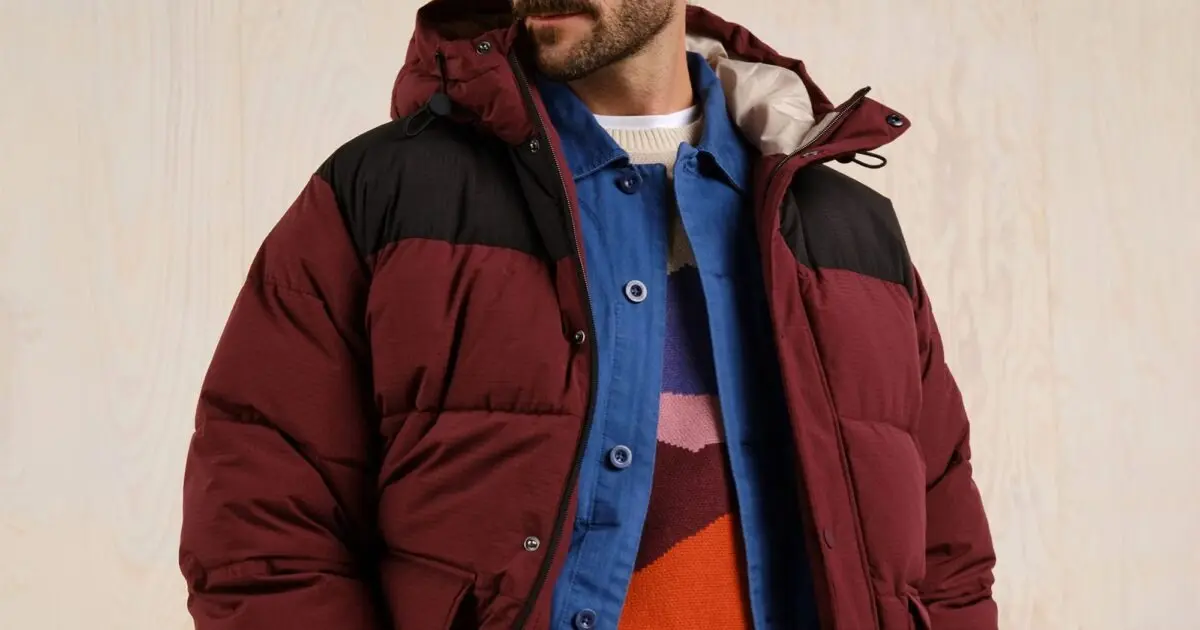
When examining the anatomy of a more sustainable puffer jacket, the differences in material sourcing and manufacturing become immediately apparent. Eco-friendly alternatives are typically crafted using a thoughtful combination of recycled materials and insulated with lower-impact alternatives to traditional duck down feathers. Instead of relying on conventional animal products or newly synthesized petroleum-based fibers, forward-thinking brands are turning to plant-based options like cotton, as well as recycled and recyclable polyethylene terephthalate, commonly referred to as PET plastic.
The use of recycled PET plastic, while not an absolute panacea for the textile industry’s pollution issues, serves a crucial role in diverting waste away from overcrowded landfills and keeping non-biodegradable materials in circulation for extended periods. Although recycled synthetics present clear environmental advantages over virgin polyester, experts advise consumers to remain selective when investing in these garments. Because recycled synthetic materials inevitably shed microplastics during the laundering process, their environmental impact requires careful consideration.
Fortunately, outerwear presents a unique case in sustainable wardrobe management. Unlike frequently washed garments such as standard T-shirts or everyday dresses, winter coats and heavy jackets are laundered much less often. This lower frequency of washing makes opting for recycled synthetics a considerably more agreeable and practical choice for cold-weather gear.
Ultimately, the decision to invest in recycled synthetics or to avoid them entirely comes down to individual consumer values. Shoppers are encouraged to act as the final decision-makers when choosing materials for themselves, weighing what matters most based on personal ethics and allowing informed perspectives to guide their purchases. For those who do choose to buy a recycled polyester or PET garment, additional steps can be taken to minimize environmental harm. Consumers should check whether the brand offers a take-back, repair, or recycling program for the garment’s end-of-life stage. Furthermore, washing garments less frequently, utilizing specialized laundry bags, or employing a guppy bag can significantly mitigate the inevitable release of microplastics into municipal water systems.
To meet the rising demand for responsible winter wear, a number of ethical brands have emerged with innovative approaches to outerwear design and manufacturing. Among these is Swiss brand NIKIN, which caters to consumers who prefer to wear their morals quite literally. NIKIN incorporates environmental activism directly into its business model by planting a tree for every product purchased, allowing buyers to proudly display their commitment to reforestation. The brand offers its products in a comprehensive range of sizes spanning from extra small to double extra large, making eco-conscious fashion accessible to a wider demographic.
Another notable brand addressing both environmental and sizing concerns is SeamsFriendly, a company dedicated to producing customizable clothing for women, men, and children across a diverse spectrum of body types, heights, and proportions. SeamsFriendly addresses the persistent industry issue of ill-fitting garments by offering extensive custom sizing options. For womenswear, the brand accommodates bust sizes ranging from twenty-six inches to seventy inches and waist sizes from nineteen inches to sixty-three inches, with specific adjustments for petite, regular, and tall heights. Menswear options feature chest measurements starting at thirty-four inches and extending to seventy-six inches and above, complete with complimentary custom sizing. A specialized children’s range is also available, ensuring that sustainable and well-fitted clothing can be secured for family members of all ages.
In Canada, tentree has established a prominent presence by taking an Earth-first approach to apparel manufacturing. The brand plants ten trees for every item purchased, a massive initiative aimed at actively regenerating global ecosystems and providing meaningful employment opportunities for planting communities worldwide. Having already planted more than sixty-five million trees, tentree constructs its garments under fair and safe working conditions using lower-impact and recycled materials. The brand’s clothing lines are typically available in sizes ranging from extra small to extra large, combining environmental regeneration with accessible everyday style.
Also operating out of Canada, BEDI focuses on the creation of high-quality, minimalist winter coats and bags. The brand distinguishes itself through the innovative utilization of unconventional salvaged materials, incorporating elements such as salvaged seatbelts alongside recycled nylon to construct durable, long-lasting products. BEDI’s thoughtfully designed collections are made available to consumers in sizes ranging from extra small to extra large.
Similarly, the Canadian outerwear brand Wuxly Movement bridges the gap between high-performance cold-weather gear and ethical manufacturing. By combining advanced technical fabrics with recycled materials, Wuxly Movement achieves elite performance standards without compromising its core commitment to animal welfare. Drawing deeply upon Canada’s rich heritage in quality manufacturing, the brand’s founder recognized an opportunity to innovate responsibly by developing high-performance winter wear that completely leaves animals out of the equation. Wuxly Movement’s comprehensive product range is offered in an inclusive sizing scale that spans from double extra small to triple extra large.