




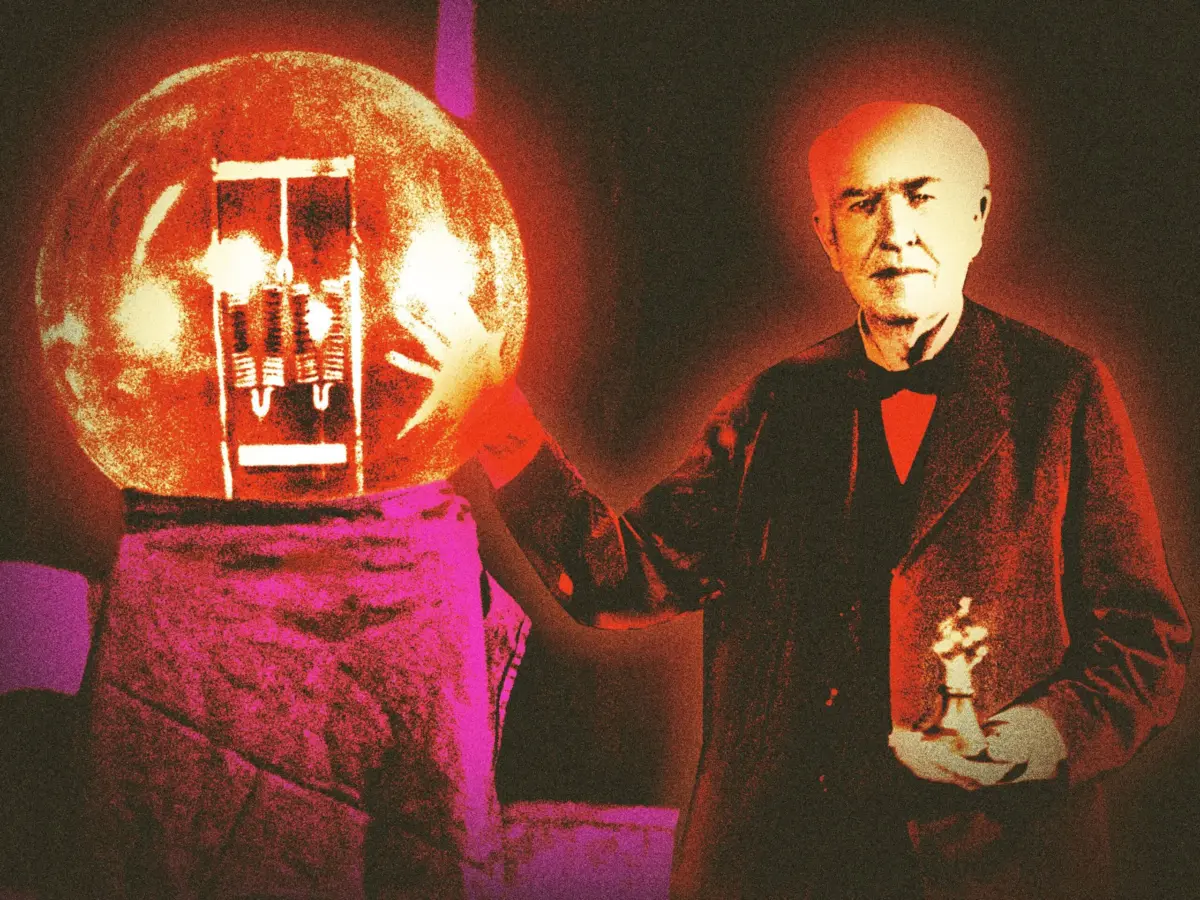
You do not need to move in elite biohacking circles or subscribe to the cutting-edge regimens of self-optimization advocates to notice that red light therapy has officially crossed into mainstream culture. A casual stroll through a local shopping mall or a quick look at modern skincare routines reveals a landscape increasingly illuminated by a distinctive crimson glow. Once restricted to exclusive medical spas and specialized facilities catering to followers of wellness figures like Dave Asprey, red light therapy has rapidly expanded into accessible consumer technology.
Today, light-emitting diode (LED) technology is built directly into everyday consumer products, ranging from targeted facial masks to percussive massagers like the Theragun. Manufacturers and wellness proponents promise an expansive suite of benefits, claiming the therapy can rejuvenate aging skin, accelerate post-workout muscle recovery, reduce systemic inflammation, and enhance cognitive performance.
While many wellness trends emerging from the industry’s fringes rely on fleeting hype, the foundational claims behind red light therapy rest on a substantial and legitimate scientific background. Technically speaking, the purported mechanism of action is
grounded in biological science that spans decades of academic research.
The Space-Age Origins of Light Therapy
The formal scientific exploration of red light therapy began not in cosmetic clinics, but in orbit. Researchers have documented and analyzed photobiomodulation since the 1990s, when the National Aeronautics and Space Administration (NASA) began testing specialized light-emitting diodes to facilitate plant growth during space missions.
"Red light therapy has been a well-documented and researched practice since the 1990s, when NASA introduced red-light emitting diode (LED) devices to help grow potatoes in space," explains Dr. Greg Hammer, a physician and professor at the Stanford University School of Medicine.
During these orbital agricultural experiments, scientists made an unexpected secondary observation regarding the astronauts handling the equipment. The red light emissions appeared to noticeably accelerate the healing of minor cuts and abrasions on the crew members’ hands.
"It was noted that the red light also helped to heal the wounds on the hands of the astronauts who were tending to the plants, which was significant since wound healing is usually slowed and impaired in space," Dr. Hammer notes. "With further research, this treatment was revealed to provide relief from several chronic disease symptoms, aid in the treatment and prevention for muscular and skeletal injuries, and promote overall brain health."
What began as a botanical experiment in zero gravity quickly evolved into a broad clinical discipline, sparking decades of medical inquiry into how specific wavelengths of light interact with human cellular biology.
How Red Light Works at the Cellular Level
In the years following NASA’s initial findings, red light therapy filtered into numerous medical disciplines, ranging from clinical dermatology to elite sports medicine. This expansion has been supported by a growing body of scientific literature exploring photobiomodulation—the process by which light energy alters cellular activity.
"The beauty of red light therapy lies in its versatility," says Dr. Gina Nick, a naturopathic physician and researcher. "Whether you’re looking to improve skin health, support muscle recovery, or enhance brain function, red light therapy offers a compelling, science-backed solution."
The scientific rationale underlying these varied applications comes down to cellular energy production. Red and near-infrared light wavelengths penetrate human tissue to interact directly with the mitochondria, the powerhouses of the cell. Exposure to these wavelengths stimulates the mitochondria to produce increased amounts of adenosine triphosphate (ATP). Because ATP serves as the primary chemical energy currency for virtually all metabolic and physiological functions, elevating its production provides cells with the energy necessary to repair damage, replicate, and maintain optimal function.
Dermatology, in particular, was an early adopter of this phototherapeutic approach, leveraging light energy to treat a variety of skin conditions and signs of aging.
"Dermatologists have probably been using these lights longer than any other field," says Dr. Robyn Gmyrek, an assistant clinical professor of dermatology at Columbia University. "Cells use that energy to make collagen, and the collagen repairs tissue and prompts skin rejuvenation. It’s really biologically activating."
Beyond dermatological applications like collagen synthesis and hair follicle stimulation, clinical research indicates that cellular stimulation via red light can enhance athletic performance, speed up muscle recovery following strenuous physical exertion, encourage nerve regeneration, and provide non-invasive relief for chronic low back pain.
Evaluating the Evidence: The Shift Toward Larger Clinical Trials
Despite the promising mechanisms and clinical observations, skeptics often point out that much of the historical research backing red light therapy relies on studies with small sample sizes.
For instance, a frequently cited 2014 German study investigated the efficacy of red light therapy for skin rejuvenation. The researchers found that subjects exposed to red light experienced a significant increase in collagen density along with a measurable reduction in fine lines and skin roughness compared to the control group. However, the trial evaluated a cohort of just 136 participants. While statistically meaningful for the sample, small trial sizes have historically made broader medical consensus slow to form.
Medical experts emphasize that this empirical landscape is actively shifting as larger, more robust clinical trials are launched to confirm early findings on a broader scale.
"All the things that we’re using it for are being validated," says Dr. Neil Paulvin, a regenerative medicine physician based in New York. "Right now they are smaller studies, but I know they’re trying to expand them to larger studies."
Over the next three years, several high-profile academic research initiatives are scheduled to publish data. These include a Harvard University study investigating whether targeted red light therapy can help slow the progression of complex neurodegenerative conditions such as Alzheimer’s disease and Parkinson’s disease. Simultaneously, researchers at Stanford University are conducting trials to evaluate red light as a non-pharmacological treatment for clinical depression, while a study at the University of Toronto is testing its capacity to alleviate chronic pain conditions.
Navigating Consumer Options and Best Practices
As consumer devices flood the market, medical experts advise individuals looking to incorporate red light therapy into their wellness routines to focus on applications that currently hold the strongest empirical support.
"Right now, the best bang for your buck would be skin, cognitive improvement, inflammation, and hair growth," advises Dr. Paulvin. "Those are the big four that we have the most data on right now."
Consumers today face a vast array of implementation options. Companies such as Kineon produce portable, targeted devices designed for easy transport in a gym bag, while brands like Joovv manufacture large, stationary LED panels intended for home installation. Beyond home-use hardware, full-body red light therapy chambers have become standard offerings at high-end wellness facilities and clubs, such as Remedy Place. Furthermore, consumer tech brands have integrated LED arrays into specialized tools, including facial masks from brands like Dr. Dennis Gross and Beauty Pie, as well as multi-modal recovery tools like the Theragun Pro Plus.
When determining treatment duration and frequency, specialists emphasize that protocol parameters depend heavily on the specifications of the given device—specifically its light wavelength and irradiance (power density output)—as well as the clinical goal. Users should carefully follow manufacturer protocols tailored to their specific hardware.
"I tend to tell people to aim for three to five times a week, but it really depends," notes Dr. Paulvin regarding general usage frequency.
Ultimately, medical experts agree that the single most critical variable governing the effectiveness of red light therapy is long-term compliance. Because cellular stimulation occurs incrementally, sporadic use yields minimal tangible results.
"I know it sounds basic, but people don’t do it," warns Dr. Gmyrek. "You can have the latest and greatest, but if you’re not going to be able to put this mask on three times a week for 10 minutes, then forget it. Just don’t even bother buying it."