




As consumers increasingly scrutinize the environmental footprint of their everyday accessories, the humble tote bag has found itself under the microscope. Editors and sustainability advocates are continuously evaluating the market to curate highly rated brands that meet rigorous ethical standards, helping shoppers make more informed purchasing decisions. From grocery runs and beach trips to carrying yoga mats or daily office essentials, tote bags are among the most heavily utilized items in a modern wardrobe. Yet, despite their ubiquity—found hanging in local coffee shops, supermarkets, and department stores alike—not all tote bags are created by businesses operating with environmental and social sustainability in mind.
To help consumers navigate this crowded market, industry experts have rounded up a diverse selection of more sustainable tote bags from top-rated global brands. The curated choices span vegan-friendly options from labels like Sans Beast and Mashu, budget-conscious alternatives from Up-Fuse and Terra Thread, and innovative upcycled pieces from Elvis & Kresse and E.L.V. Denim. This latest roundup reflects an ongoing effort to highlight brands that prioritize people, the planet, and animal welfare without sacrificing modern design or everyday functionality.
Understanding what distinguishes a genuinely sustainable tote bag from standard mass-market merchandise requires looking closely at materials, manufacturing processes, and labor practices. The evaluation begins with lower-impact materials, such as certified organic and recycled fibers. Traditional tote bags are frequently crafted from cotton-canvas, but standard cotton production often involves heavy pesticide use and intensive water consumption unless it is certified organic. Similarly, synthetic options like polyester are exceptionally useful for carrying heavy loads and resisting wear, but they are conventionally derived from fossil fuels. These virgin petroleum-based materials contribute directly to greenhouse gas emissions and drive the global demand for oil. For consumers who require the durability of synthetic fabrics, choosing recycled polyester is widely recommended as a more responsible alternative that gives existing plastic waste a second life.
Animal-derived materials represent another crucial factor in ethical fashion assessments. High-end tote bags are frequently manufactured using traditional leather, a material associated with significant carbon footprints, land use, and toxic tanning processes. To address these concerns, conscious shoppers are advised to seek out certified leather options that adhere to strict environmental and animal welfare standards, or alternatively, to explore high-quality vegan alternatives made from innovative plant-based or recycled materials.
Beyond material selection, longevity is a primary indicator of true sustainability. A bag that falls apart after a few months of use defeats the purpose of eco-friendly purchasing, as it quickly ends up in a landfill and fuels a cycle of overconsumption. Sustainable fashion analysts look for indicators of superior craftsmanship, including robust manufacturing standards, durable stitching, and securely attached handles, seams, and fastenings. These structural integrity markers ensure that a tote bag can stand up to the rigors of frequent, heavy use and safely hold all the items consumers rely on it to carry.
Among the brands leading the charge in ethical production is Up-Fuse, a Cairo-based social enterprise dedicated to promoting an eco-conscious lifestyle through creative manufacturing. Operating under the guiding philosophy that "one’s trash is another’s fabric," the brand collaborates closely with Syrian, Ethiopian, and Sudanese female refugees living in Egypt. By employing marginalized communities and transforming discarded materials into durable, unique products, Up-Fuse demonstrates how social responsibility and environmental stewardship can be seamlessly integrated into accessory design.
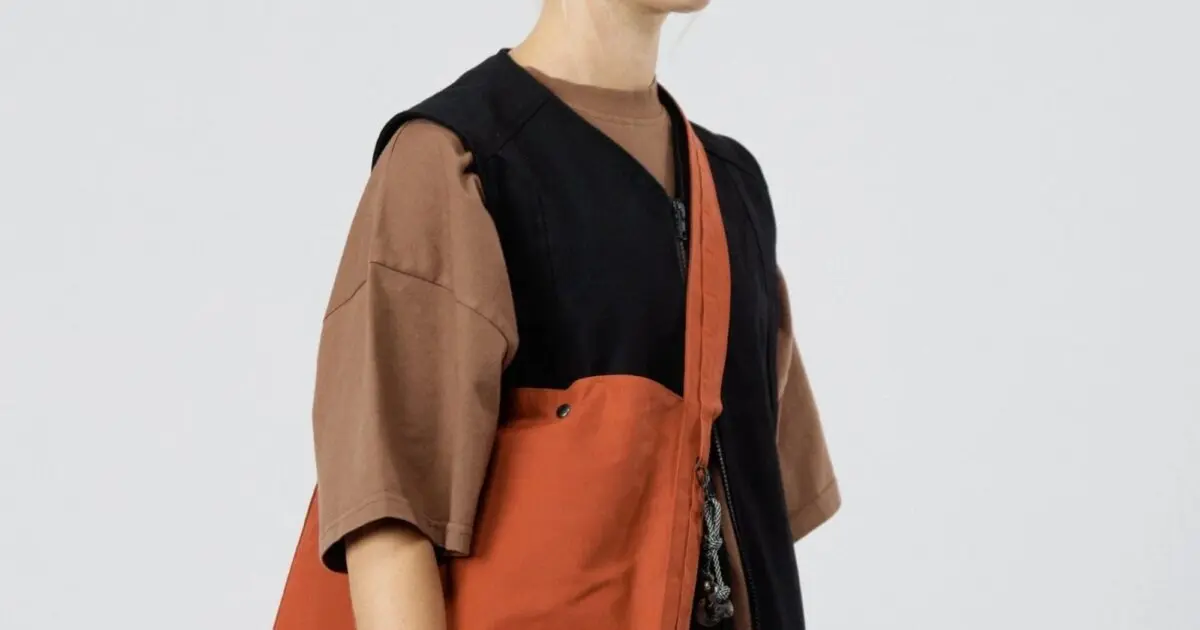
Another prominent name in the sustainable accessories space is Ucon Acrobatics, a brand that strongly believes in delivering innovative, functional, and minimalistic products tailored for creative consumers. The company constructs its product lines using a high proportion of eco-friendly materials, including organic cotton, which significantly reduces the ecological burden associated with conventional farming. In its direct operations, Ucon Acrobatics utilizes renewable energy to minimize its climate impact. Furthermore, the brand is committed to ensuring fair compensation by guaranteeing the payment of a living wage at the final stage of production, addressing both environmental and labor concerns within its supply chain.
For consumers seeking luxury alternatives free from animal products, Svala offers a sophisticated collection of handcrafted vegan handbags, purses, and totes. Each piece is responsibly produced in Los Angeles, utilizing high-quality premium vegan leather, cork, and Piñatex—an innovative natural textile made from pineapple leaf fibers. This commitment to cruelty-free materials ensures that luxury aesthetics do not come at the expense of ethical integrity.
Similarly, Lefrik focuses on transforming waste into functional fashion by giving plastic bottles a second life. The brand specializes in backpacks and accessories that cleverly blend everyday utility, contemporary design, and smarter production practices. By diverting plastic waste from oceans and landfills and converting it into durable fabrics, Lefrik addresses the global plastic crisis through thoughtful textile engineering.
British vegan accessories label Mashu has also earned a strong reputation for sustainable innovation, holding a favorable environmental rating. Specializing in handbags and totes, Mashu crafts the exterior of its products using cutting-edge vegan leather alternatives, while the interiors feature a luxurious vegan suede made entirely from recycled polyester. This meticulous attention to detail ensures that consumers never have to compromise their moral values in the pursuit of high-end style.
As the market for conscious fashion continues to evolve, frequent updates to editorial selections remain essential. Industry platforms regularly refresh their brand recommendations to reflect the most current ratings and ensure that consumers have access to verified, up-to-date information regarding corporate sustainability practices. Through comprehensive evaluations that assess the real-world impact of fashion and beauty brands on people, the planet, and animals, shoppers are increasingly empowered to make choices that align with their ethical principles.