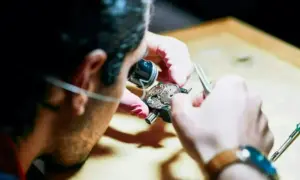






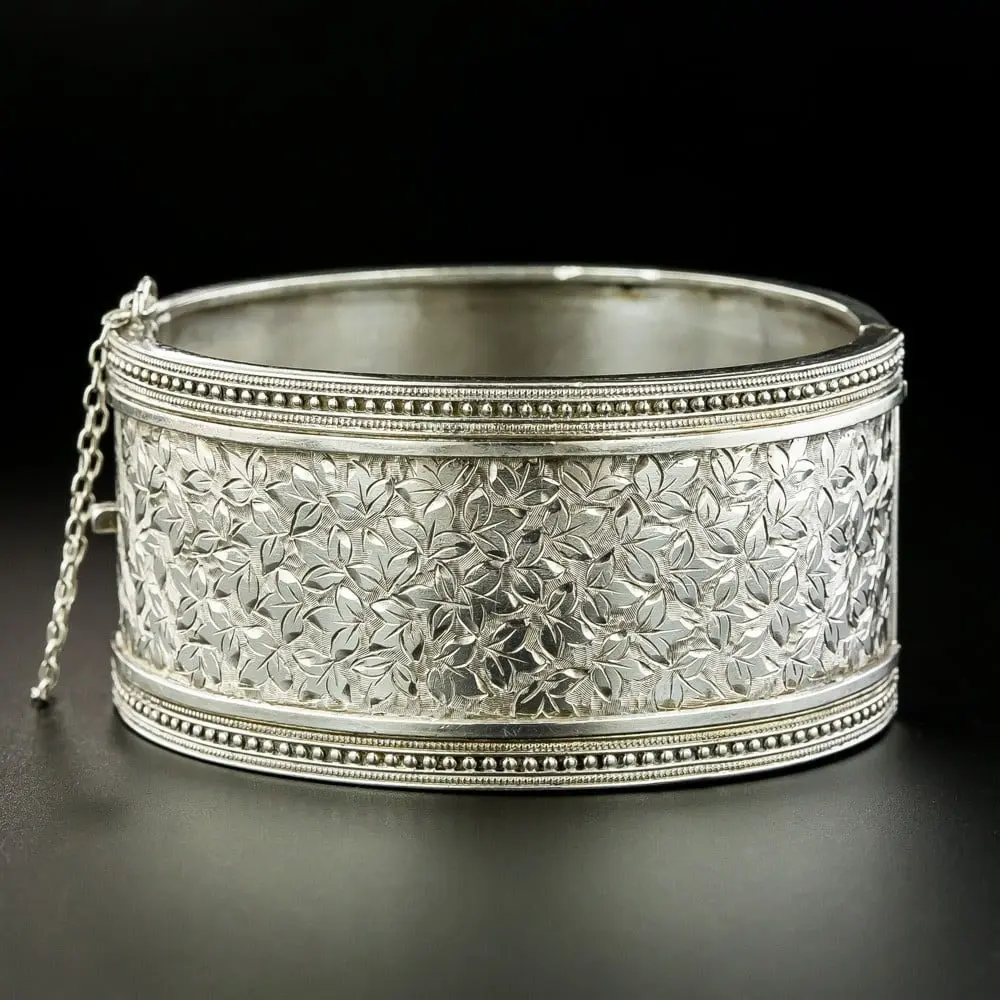
Silver, a brilliant white metallic element designated by the symbol Ag on the Periodic Table, occupies a unique and foundational place in human civilization. Harder than gold yet softer than copper, silver ranks second only to gold in both malleability and ductility. It boasts exceptional thermal and electrical conductivity, while its superior resistance to oxidation earns it a classification among the noble metals. Throughout history, silver has played a pivotal role in the production of fine jewelry, decorative objects, and coinage. Because pure silver is inherently soft, it has traditionally been alloyed with other metals to provide the structural integrity required to maintain intricate shapes and fine details.
Despite being valued less expensively than gold or platinum in modern times, dismissing silver as a minor precious metal would be a historical error. Across various eras, silver has commanded values higher than gold, and the sheer volume of silver utilized in jewelry and decorative arts outweighs that of all other precious metals by a substantial margin. Furthermore, the relentless pursuit of silver has historically driven far more technological innovation in mining and metallurgy than its precious metallic counterparts. Entire economies have risen and fallen on the availability of silver, and access to rich deposits has frequently shifted the tide of wars, directly altering the course of human history.
Bronze Age Origins and Early Civilizations
The documented history of silver metallurgy traces back to the late fourth millennium BCE, when ancient innovators in modern-day Turkey discovered that silver could be extracted from lead ore through the process of cupellation. While exceedingly few silver artifacts from this nascent period have survived the millennia, those that remain offer remarkable insights into the sophisticated capabilities of Bronze Age silversmiths.
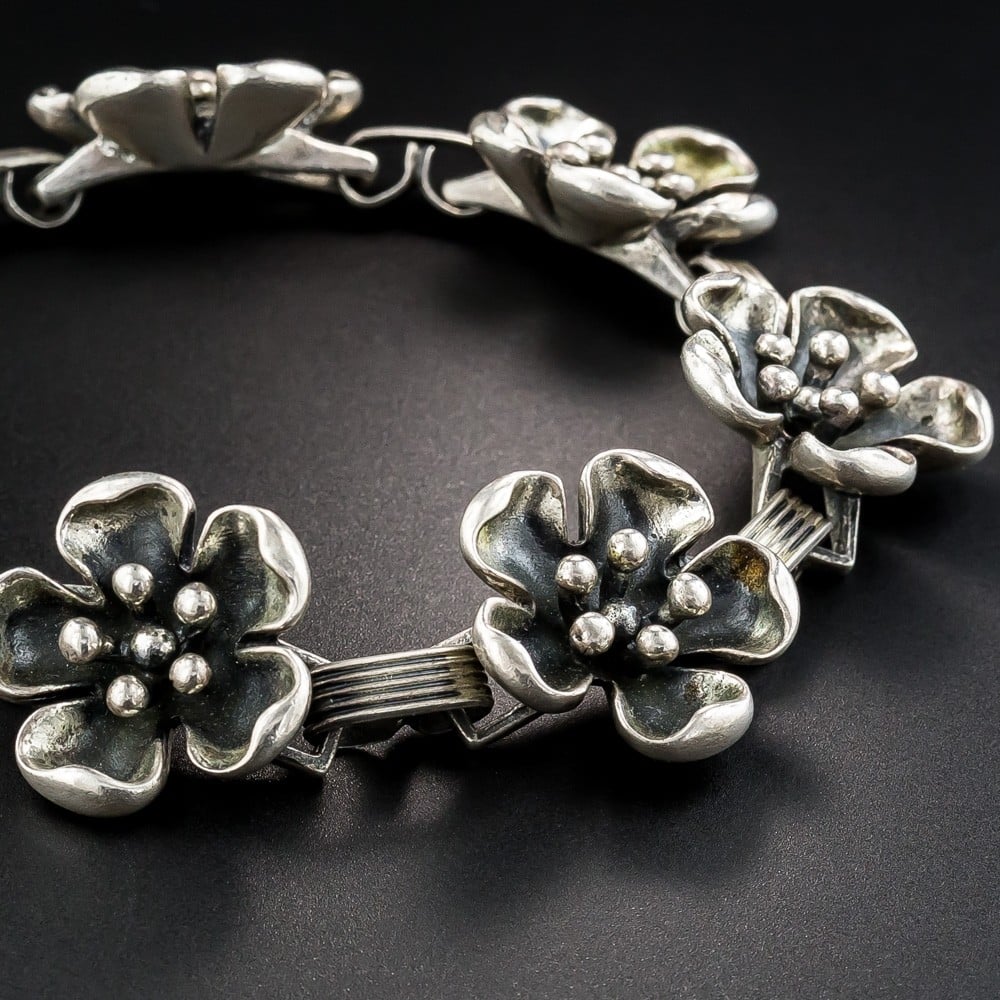
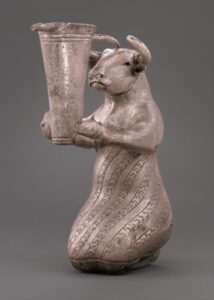
At the dawn of written history, silver served as a vital medium of exchange in Mesopotamia. Rather than circulating as standardized coins, silver functioned as a currency measured purely by weight or shaped into utilitarian rings. The workshop of the Mesopotamian silversmith closely mirrored—and was frequently shared with—that of the goldsmith. Although silver is slightly less ductile than gold and demands more frequent annealing during manufacturing, ancient artisans demonstrated that it could be cast, hammered into translucent sheets, engraved, embossed, worked in repoussé, and intricately decorated with delicate filigree and granulation. Surviving vessels, statuettes, and jewelry items indicate that high-purity silver was frequently utilized, resulting in remarkably soft objects.
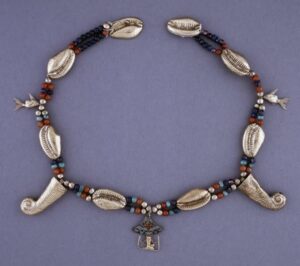
In ancient Egypt, the population held a profound appreciation for the rare and the exotic. While gold could be sourced locally from the mountains of the Eastern Desert and Nubia, pure silver had to be imported along arduous trade routes, mirroring the acquisition of prized Afghan lapis lazuli. Consequently, pure silver was valued more highly than gold during early periods, rendering it an exclusive commodity reserved exclusively for the societal elite. By approximately 1600 BCE, however, expanding global supplies had caused the value of silver to drop to roughly half that of gold, establishing it as a stable abstract currency. The popularity of silver subsequently fluctuated with the whims of fashion; notably, the tomb of King Tutankhamun contained very few silver artifacts, whereas Pharaoh Sheshonq II was interred within a magnificent all-silver sarcophagus.
Concurrently, Mediterranean civilizations such as the Minoans and Mycenaeans integrated silver extensively into their expansive trade networks, leaving behind a rich legacy of early Greek silver jewelry across mainland Greece, Crete, and Cyprus. Later, the Phoenicians played a transformative role by initiating the large-scale exploitation of rich Spanish silver deposits and distributing the metal throughout the classical world. Their commercial ventures effectively stripped silver of its exclusively exotic status, elevating global availability to unprecedented levels.
Classical Era Transformations
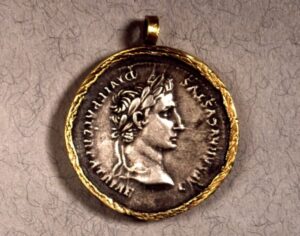
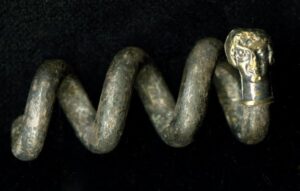
For both Greek and Roman societies, a reliable supply of silver was an absolute necessity, as their monetary systems relied heavily on properly minted silver coinage. While archaeological evidence suggests gold was preferred for personal adornment—partly due to the high rates at which silver jewelry was melted down and recycled over the centuries—surviving pieces demonstrate that silver was fashioned into every conceivable type of adornment, including finger rings, anklets, and armlets.
The Romans developed a particular fondness for niello, a surface decoration technique resembling enameling but executed using silver sulfate rather than glass. Niello yielded a much tougher finish characterized by a metallic luster rather than a vitreous one. As Roman influence expanded, the technique spread throughout Northern and Eastern Europe, leaving a distinct mark on Anglo-Saxon craftsmanship.
The Roman historian Pliny the Elder provided vivid, albeit characteristically skeptical, accounts of Roman society’s obsession with silver in his encyclopedic work Naturalis Historia. Pliny chronicled the treacherous nature of deep-shaft silver mining, noting that Spain produced the finest ore in the empire and recounting how Hannibal’s ancient mines still yielded vast quantities of metal. He detailed contemporary tests used to evaluate silver quality—such as observing color changes when heated on an iron shovel or checking how a polished surface reacted to human breath—and lamented the staggering extravagance of Roman elites who decorated banqueting couches, household utensils, and even travel carriages with chased silver, contrasting these modern excesses with the austere frugality of early Roman generals.
Celtic and Medieval Developments
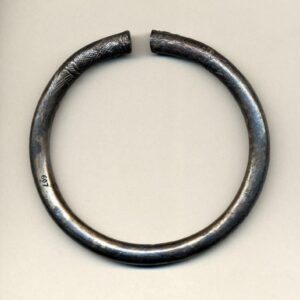
Celtic tribes utilized silver extensively alongside bronze to create decorative brooches, torcs, and crescent-shaped lunulae. Prior to Roman expansion, Celtic societies bypassed conventional coinage in favor of "ring money"—standardized rings of silver, copper, bronze, or gold intended strictly as currency rather than personal wear.
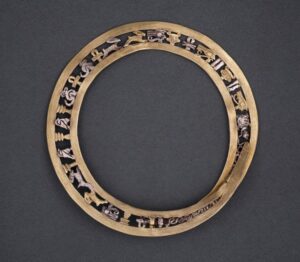
Following the collapse of Roman trade routes and supply networks, gold became an extreme rarity in Europe, propelling silver to the forefront of jewelry manufacturing. Germanic and Anglo-Saxon jewelry of this period consisted largely of functional items such as fibulae, disc brooches, penannular brooches, and belt buckles fashioned from silver, occasionally gilded or inlaid with garnet gemstones. The niello technique remained immensely popular among Germanic tribes, who utilized the stark black-and-white contrast to accentuate intricate native engraving patterns.
The ninth-century Fuller Brooch, housed in the British Museum, stands as a masterwork of Anglo-Saxon silver and niello craftsmanship. This circular, convex brooch of hammered sheet metal features an openwork outer zone encircling a central roundel. The central field depicts personifications of the Five Senses, dominated by a three-quarter-length figure of Sight holding foliate sprays, surrounded by panels depicting Taste, Smell, Touch, and Hearing against a meticulously nielloed background.
As medieval society evolved and eastern trade routes reopened, gold reclaimed its status as the premier metal for elite jewelry. Nevertheless, international trade simultaneously fostered the growth of a prosperous middle class eager for personal adornment. Individuals operating on a more modest budget increasingly turned to silver. Jewelry designs shifted away from purely functional items toward decorative and symbolic pieces, including finger rings, bangles, and pendants. By the close of the Middle Ages, the trade in silver jewelry and silverware became heavily regulated through the establishment of formal assaying and hallmarking systems.
Renaissance, Baroque, and Georgian Expansion
The Renaissance period brought renewed economic vitality driven by revived trade with the Levant and the post-plague recovery of European populations. Following Christopher Columbus’s historic voyage and the subsequent age of exploration, Spanish conquistadors such as Pizarro and Cortés subdued the Incan and Aztec empires, unlocking immense mineral wealth. The discovery of major silver deposits in regions like modern-day Mexico in 1546 flooded European markets with unprecedented quantities of the white metal, ensuring that silver remained a staple of both currency and affordable jewelry production.
During the Baroque period spanning the seventeenth century, European powers established enduring colonial bases in the New World, leading to fierce naval conflicts over treasure galleons laden with South American silver. While manufacturing techniques remained largely traditional, the era witnessed the emergence of silver timepieces and a major technological shift: the use of silver settings for diamonds. As intensified trade routes with India brought diamonds directly to Europe without Arabic intermediaries, silversmiths discovered that silver settings beautifully complemented the colorless brilliance of these stones.
The Georgian era experienced a continuation of this boom, fueled by a steady influx of South American silver and newly discovered diamond deposits in Brazil beginning in 1727. Fine jewelry frequently combined gold bodies with silver-topped fronts, and the distinctive cut-down collet settings characteristic of Georgian design were invariably crafted from silver to accentuate the white fire of the diamonds. Furthermore, the introduction of die striking in 1777 revolutionized manufacturing. By utilizing presses, drop hammers, and metal dies to stamp and cut components for manual assembly, workshops initiated the era of mass-produced jewelry, allowing vast quantities of affordable, die-struck silver items to reach the consumer market.
Victorian Industrialization and Arts and Crafts
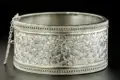
The Industrial Revolution of the Victorian era profoundly transformed jewelry manufacturing, with silver serving as a primary medium for mechanized stamping and die-striking techniques perfected over the course of the nineteenth century. Cultural trends, such as Queen Victoria and Prince Albert’s acquisition of Balmoral Castle in 1848, sparked a widespread craze for Scottish agate jewelry, which was predominantly executed in silver in keeping with Northern European traditions.
Toward the close of the Victorian period, the Arts and Crafts movement emerged as a direct ideological reaction against industrial mass production. Artisans of this sub-movement prioritized artistic design and handcraftsmanship over the intrinsic financial value of raw metals and gemstones. Rejecting faceted stones in favor of bezel-set cabochons, Arts and Crafts jewelers overwhelmingly favored silver over gold, cementing the metal’s enduring reputation as a medium of choice for artistic expression.