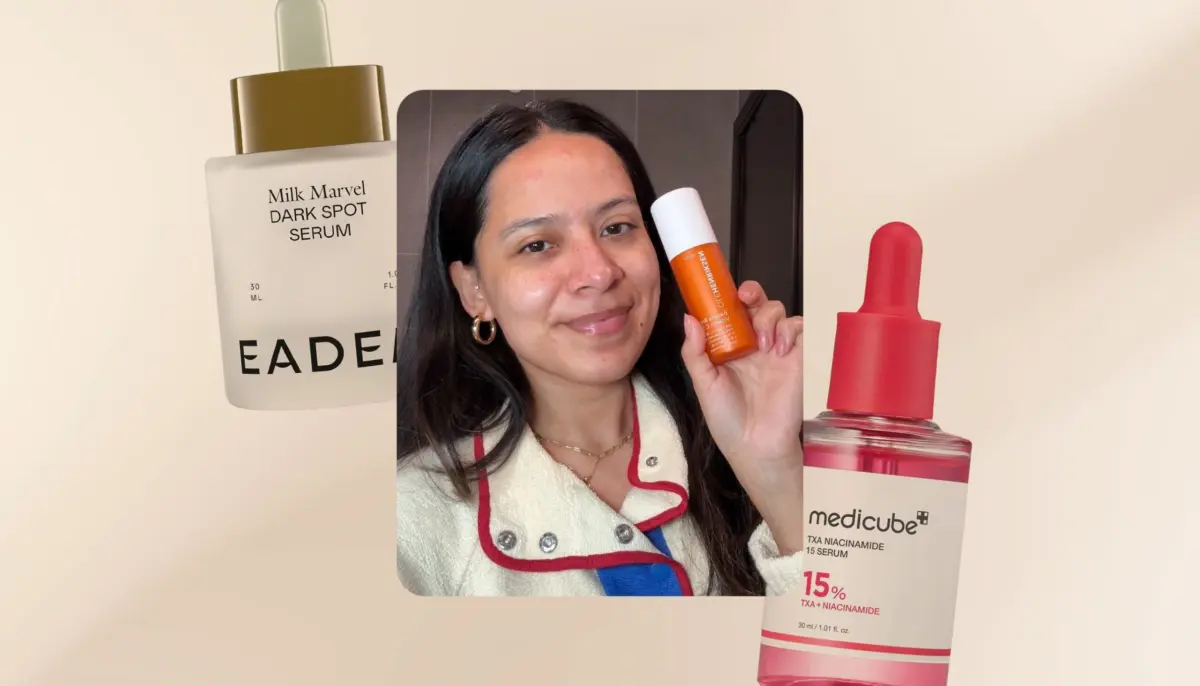
Achieving an even skin tone is a common skincare goal, yet dealing with stubborn dark spots often requires navigating a complex market of correctors, active ingredients, and conflicting advice. Whether referred to as age spots, sun spots, melasma, or post-inflammatory hyperpigmentation resulting from acne, areas of extra pigment can be frustratingly persistent. According to leading dermatologists, while these marks frequently fade over time, understanding the root causes and utilizing targeted skincare formulations can significantly accelerate the resurfacing process and restore balance to the complexion.
What Causes Dark Spots?
At its core, a dark spot is simply an area of extra pigment in the skin, as explained by Dr. Castilla. These pigmentary issues can manifest in various forms. Sun spots and age spots are typically the result of cumulative ultraviolet exposure, whereas melasma is frequently triggered by hormonal fluctuations, such as those experienced during pregnancy or menopause.
While time and the skin’s natural shedding cycle can cause these marks to diminish independently, topical treatments can drastically shorten that timeline. Ingredients such as prescription-strength hydroquinone, retinol, and other proven brighteners work to accelerate skin resurfacing and minimize localized pigment accumulation, notes Dr. Rachel Nazarian, a board-certified dermatologist in New York City.
What Ingredients Should You Look for in a Dark-Spot Corrector?
Effective dark-spot correctors function by breaking down existing hyperpigmentation while simultaneously preventing new spots from forming. They achieve this largely by inhibiting the transfer of melanin to surrounding skin cells, according to Dr. Dendy Engelman, a board-certified dermatologist in New York City. However, achieving these results depends heavily on the specific active ingredients included in the formulation.
Dermatologists universally recommend looking for alpha hydroxy acids, such as lactic acid, glycolic acid, and malic acid, alongside retinol, vitamin C, and niacinamide. For newer dark spots and lingering acne scars, Dr. Engelman also recommends kojic acid, a natural brightening agent derived from fermented rice.
Different acids serve distinct purposes within a comprehensive skincare regimen. Glycolic and lactic acids help speed up cellular turnover and fade surface-level pigmentation, while beta hydroxy acids like salicylic acid are especially beneficial for addressing dark spots caused by acne, according to Dr. Ellen Marmur, a board-certified dermatologist and founder of MMSkincare. Because acids can sometimes provoke irritation, particularly in sensitive skin types, moderation is vital. For individuals who cannot tolerate traditional AHAs, poly-hydroxy-acids offer an alternative. PHAs provide gentle exfoliation and slough off dead skin cells using smaller molecules that penetrate more softly, reducing the likelihood of irritation.
Retinol, a derivative of vitamin A, tackles hyperpigmentation by stimulating rapid cell turnover. Regular use gradually fades dark marks while delivering broad benefits for the overall health, appearance, and function of the skin, Dr. Engelman notes. Because retinol can induce dryness and irritation initially, dermatologists advise building tolerance gradually—starting with once-weekly applications, advancing to twice weekly, and eventually increasing frequency to every other day or daily use as tolerated.
Vitamin C operates through a dual mechanism. It actively reduces melanin production while simultaneously serving as a powerful antioxidant capable of neutralizing the free radicals triggered by sun exposure or skin trauma, explains Dr. Brooke Jeffy, a board-certified dermatologist. This protective antioxidant capability makes vitamin C a staple in daytime dark-spot correctors.
Other highly effective lightening agents include tranexamic acid, cysteamine, azelaic acid, soy, and arbutin. These components work synergistically to suppress melanin synthesis and enhance cellular turnover, gradually lifting unwanted discoloration. While hydroquinone remains a powerful prescription option for lightening stubborn pigment, dermatologists emphasize caution. Dr. Engelman notes that hydroquinone is not always safe for deeper skin tones and can, in certain cases, paradoxically exacerbate hyperpigmentation in individuals with darker complexions.
How to Incorporate Dark-Spot Correctors Into Your Routine
Structuring a daily skincare regimen requires careful timing to maximize efficacy and prevent adverse reactions. Dermatologists generally recommend applying dark-spot correctors containing vitamin C, beneficial acids like glycolic or azelaic acid, and alpha arbutin during your morning routine. Conversely, retinol should be reserved for the evening, as it can heighten the skin’s sensitivity to ultraviolet radiation.
Experts also caution against combining certain active ingredients simultaneously. Using retinol and a high-potency vitamin C serum at the same time, for instance, frequently leads to unnecessary irritation and compromised skin barriers, according to Dr. Castilla. Above all, consistency is paramount, and daily sunscreen application remains the single most critical step in safeguarding the skin against recurrent or worsening hyperpigmentation, stresses Dr. Hope Mitchell, founder of Mitchell Dermatology.
What Fades Dark Spots the Fastest? How Long Can It Take?
Patience is an unavoidable aspect of treating hyperpigmentation. Most dark spots require approximately eight to 12 weeks of consistent treatment before noticeable fading occurs, according to Dr. Marmur. Deeper or older pigment deposits can take several months to resolve, and incidental sun exposure can significantly impede progress, reinforcing the necessity of daily broad-spectrum SPF.
For those seeking the most rapid results, dermatologists frequently advocate a combination approach. This strategy often pairs prescription-strength pigment inhibitors—such as retinoids, hydroquinone, tranexamic acid, or cysteamine—with rigorous sun protection and, when clinically appropriate, in-office procedures like chemical peels or laser therapy, explains Dr. Rambhia. Regardless of the chosen treatment modality, daily sun protection is treated as nonnegotiable by skin specialists. Without consistent defense against ultraviolet rays, treated dark spots can persist, darken further, or quickly return.
Are Dark Spots Different Than Age Spots?
The terminology surrounding skin discoloration can often cause confusion. While many people use various terms interchangeably, dermatologists point out that dark spots encompass a wide spectrum of clinical presentations. Sun spots, medically known as solar lentigines, are frequently referred to colloquially as age spots. Other forms of hyperpigmentation include post-inflammatory marks from acne, freckles, melasma, and seborrheic keratoses. Although each condition shares the characteristic appearance of localized pigment accumulation, their underlying triggers and precise medical classifications vary.
How to Treat Dark Spots on the Face and Body
Addressing hyperpigmentation is not limited to facial care. While facial dark spots can be treated via professional procedures like laser resurfacing, microdermabrasion, and chemical peels, over-the-counter dark-spot correctors remain the most accessible and cost-effective daily option.
When treating discoloration on the body, individuals should look toward targeted body lotions and creams formulated with retinol, brightening vitamin C, and anti-inflammatory niacinamide. Regular physical or chemical exfoliation is also encouraged to clear away dead surface skin cells that can make pigment appear dull or trapped. As with facial care, diligent sunscreen application remains vital across all exposed areas of the body to prevent existing spots from darkening further.
What You Should Avoid Mixing With Dark-Spot Correctors
A common pitfall in treating hyperpigmentation is over-exfoliating or combining too many aggressive actives at once. Dr. Kseniya Kobets, director of cosmetic dermatology at Montefiore Einstein Advanced Care, highlights that her primary concern with dark-spot correctors is the tendency of patients to layer conflicting products. Because most correctors already contain exfoliating acids or vitamin A derivatives, introducing separate retinoids, acid toners, harsh physical scrubs, or chemical peels can easily overwhelm the skin barrier.
Experiencing excessive redness, peeling, or irritation does not translate to faster or better results. In conditions like melasma and post-inflammatory hyperpigmentation, excess inflammation can actually stimulate melanocytes to produce more pigment, worsening the original concern. Dermatologists advise keeping routines balanced by pairing corrective treatments with soothing, hydrating ingredients like hyaluronic acid and rich moisturizers to calm the skin.
How Evaluations Are Conducted
The selection of effective dark-spot correctors relies heavily on foundational ingredients backed by rigorous dermatological research. Editorial teams and skincare contributors with diverse skin types—ranging from mature and dry to acne-prone and sensitive—typically evaluate these formulations over extended periods ranging from weeks to several months, with some users maintaining certain products in their regimens for years.
During testing phases, evaluators closely assess product textures, scents, absorption rates, and immediate post-application comfort. Particular attention is directed toward monitoring changes in sun spots, general discoloration, acne scars, and overall hyperpigmentation after initial weeks of use, followed by long-term tracking to ensure sustained results. Products that successfully earn editorial approval are those that demonstrate reliable efficacy and become permanent staples in daily skincare regimens.