





Jeff Johnson keeps a running ledger of ultimates tucked away in his mind—the ultimate board short, the ultimate pair of pants, the ultimate photographic frame. Every so often, through patience and persistent execution, one of those mental concepts transforms into a tangible reality. During his 13-year tenure at Patagonia, where he worked primarily behind the camera, this habitual pursuit of essentialism produced the Rover. A stripped-down running and climbing shoe, the Rover ultimately earned the prestigious Outside Gear of the Year award, cementing Johnson’s eye for functional, unpretentious design.
When Steven Tiller, the founder, CEO, and chief designer of footwear brand SeaVees, reached out in 2020 to propose a collaborative project, Johnson already had his answer and the structural outline of a boot ready to go. The two men had crossed paths roughly a decade earlier when Tiller expressed interest in reviewing the skateboarding imagery that would eventually populate Johnson’s 2018 book, Way High Kick Turn. Discovering an immediate rapport, realizing they both lived in Santa Barbara—the coastal California home base of SeaVees—and sharing a mutual appreciation for understated craft, they agreed to create something together, even though the exact nature of the project remained undefined at the time.
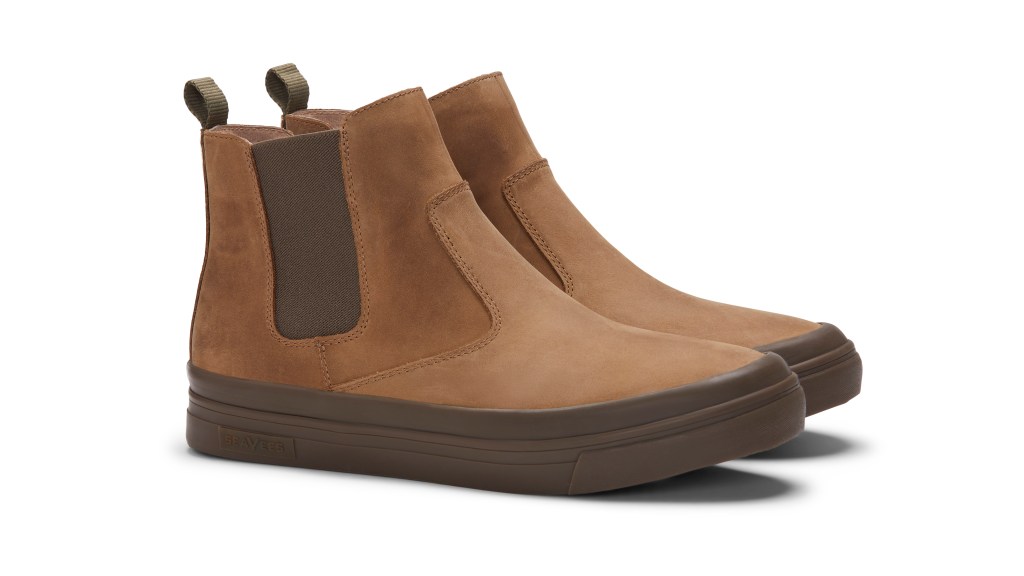
Raised on Vans, Johnson eventually gravitated toward SeaVees, a transition he playfully describes as "growing up a little." By the time the collaboration materialized, he already owned key structural components of what would become his co-designed footwear: a pair of Coronado sneakers, a one-off Chelsea boot, and the Mariners, characterized by vulcanized rubber foxing that rides unusually high up the leather upper. Combining these distinct elements established the foundation for the Beyond & Back Boot, a clean slip-on silhouette bearing the visual profile of a 1950s sandlot sneaker matched with the robust build of a modern outdoor boot.
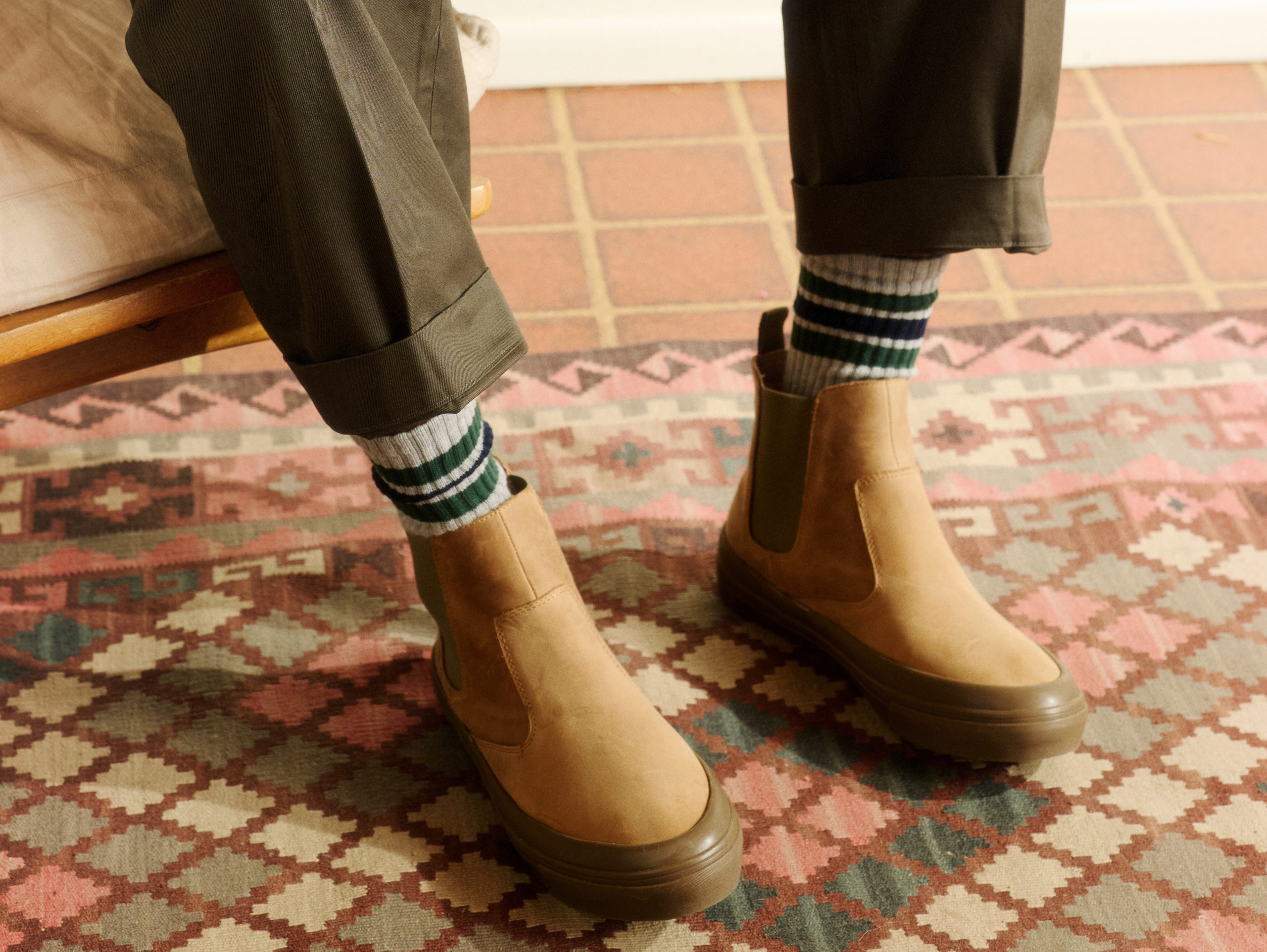
Originally conceived as a single, limited production run, the silhouette has instead blossomed into the brand’s best-selling style, shattering internal sales velocity records for SeaVees. Now entering its V2 iteration, the line introduces the specialized Vibram sole Johnson initially envisioned from day one, alongside a curated pairing of brand-new colorways. COOL HUNTING recently spoke with Johnson to discuss his design philosophy both for and beyond footwear, the enduring creative inspiration he draws from Patagonia’s founder, and what it truly means to successfully execute a singular creative vision.
Finding Balance in Design: The Story Behind the Orange Gore
Reflecting on the unexpected details that define the footwear, the conversation naturally turned to a distinctive feature of the original release: its non-negotiable flash of bright orange. When asked why that specific hue was chosen, Johnson expressed his deep affinity for the color, noting that while he would never wear an entirely orange outfit, he appreciates deliberate, restrained hits of vibrancy.
Recalling the design process, Johnson explained how Tiller mocked up an initial pair featuring light-colored leather paired with orange elastic gore panels stretching up the side of the shoe. Struck by the sample, Johnson immediately voiced his enthusiasm. However, after Tiller declared the design and colorway finalized, the designer’s internal doubts surfaced. Operating from a heart-led, non-business-minded perspective rather than a purely commercial one, Johnson found himself lying awake that night worrying about market reception.
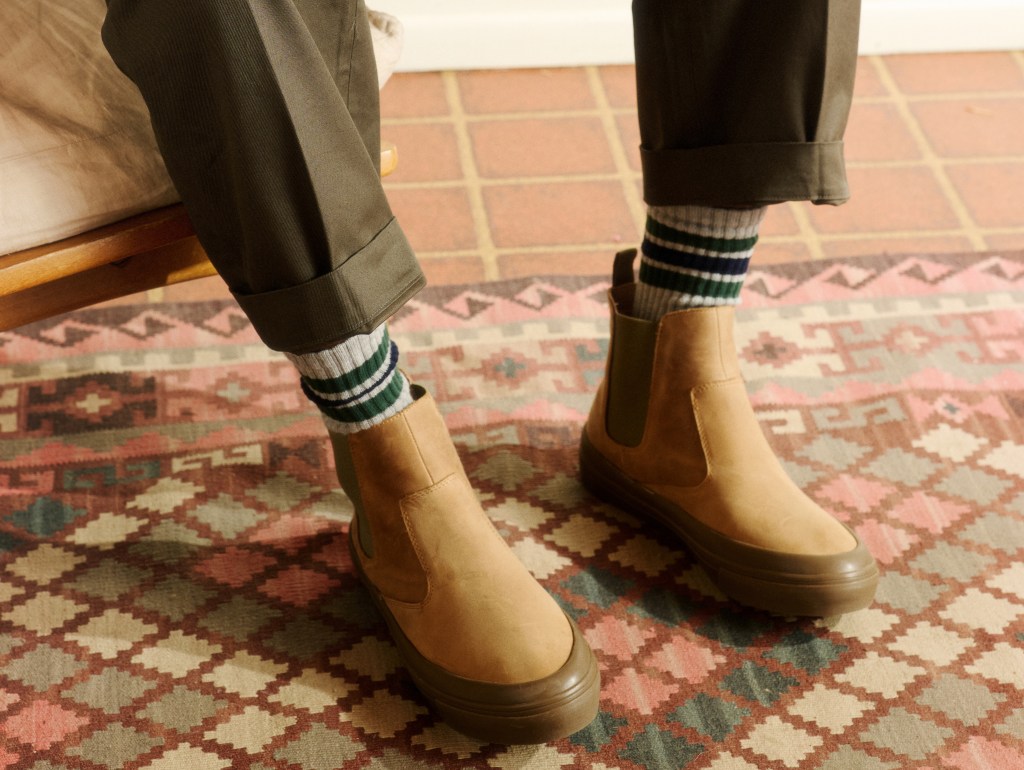
Doubting whether everyday consumers would embrace orange on their footwear, he placed a late-night phone call to Tiller, confessing his anxieties and fearing they were making a misstep. Tiller, however, remained steadfast, reminding him that the core mission of the project was to construct the ideal shoe specifically tailored to Johnson’s personal taste. That vote of confidence ultimately carried the design across the finish line, though both creators initially anticipated a quiet, one-off release rather than a runaway commercial phenomenon.
Surpassing Expectations and Refining the Outsole
The Beyond & Back Boot quickly defied conventional retail expectations. Johnson fondly recalled a lunch conversation where Tiller expressed astonishment that they were actively selling heavy boots during the middle of summer—a seasonal anomaly for the brand. Demand proved so robust that SeaVees had to scramble to secure emergency stock to keep pace with the summer sales momentum. Now several seasons deep, the project has allowed the duo to experiment with a variety of color palettes, turning an unexpected experiment into an enduring staple.
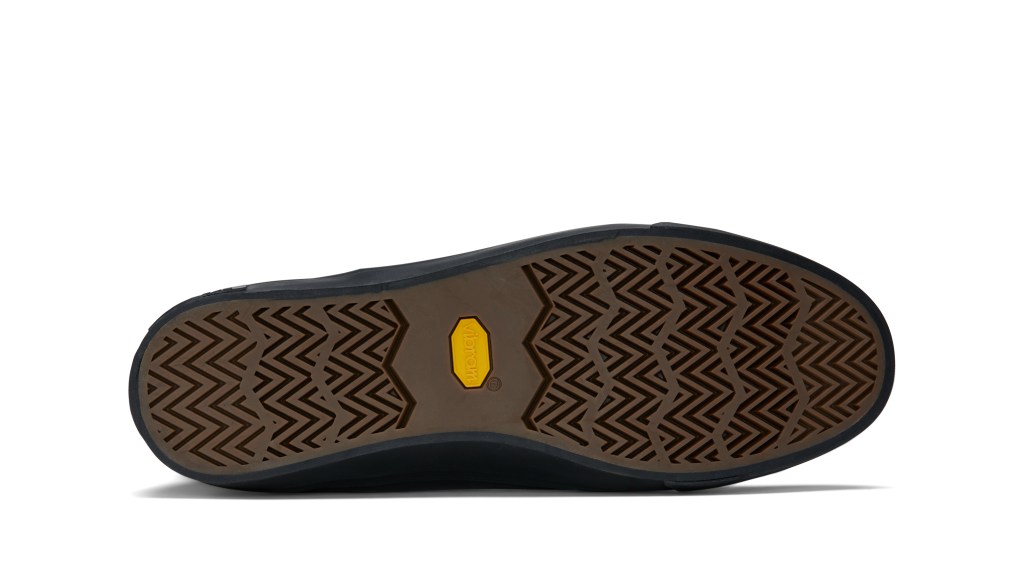
Addressing the evolution of the hardware, the conversation shifted to the sole. From the outset, Johnson was determined to integrate Vibram rubber into the design. Early on, however, technical limitations made that ambition seem impossible; because Vibram required the use of its proprietary molds, and because they lacked a vulcanized Vibram mold at the time, Tiller initially dismissed the idea as unfeasible.
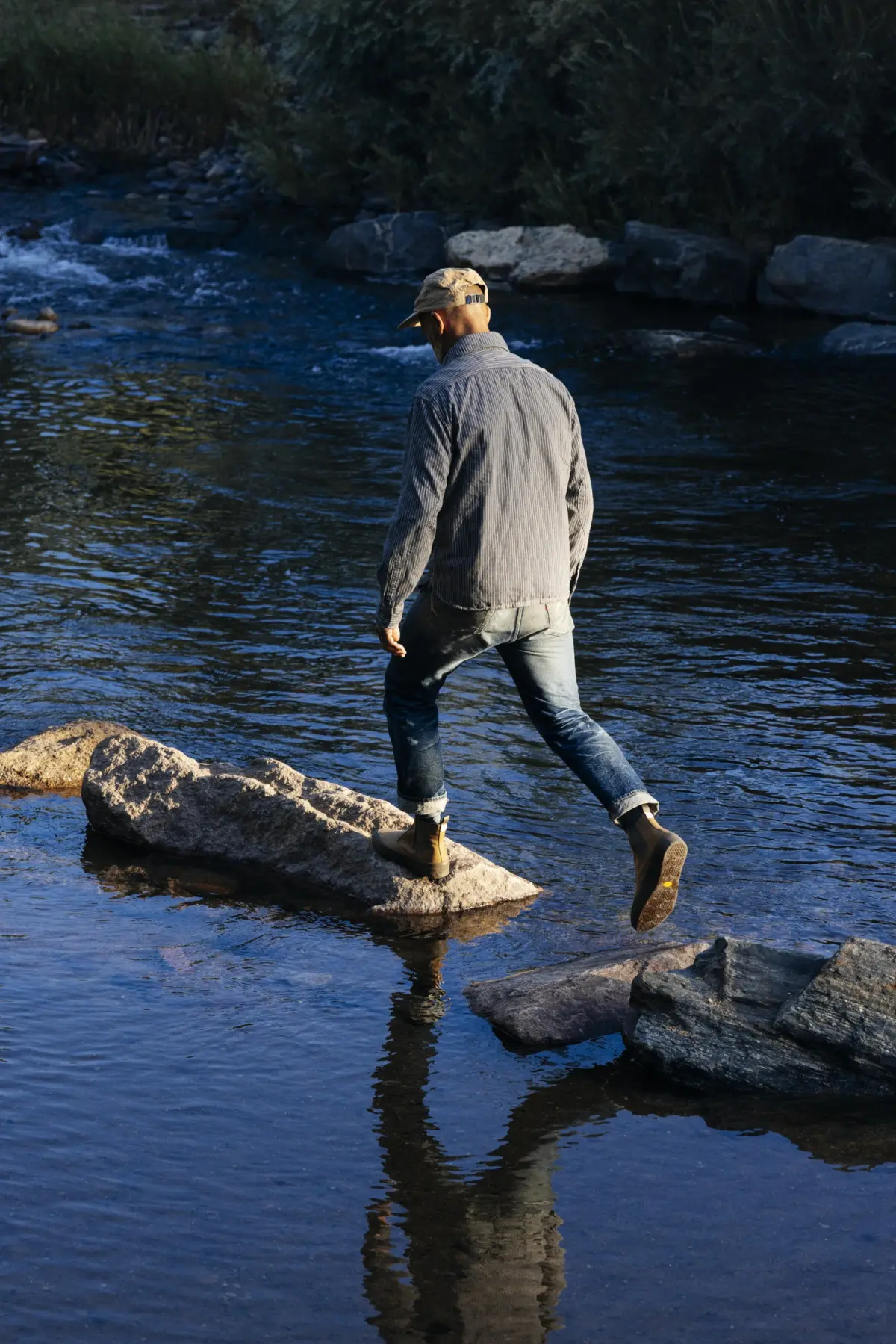
Persistence eventually paid off. When Tiller approached Vibram again after witnessing the shoe’s market success, the sole manufacturer agreed to develop a custom, vulcanized Vibram outsole specifically for the collaboration. For Johnson, who frequently finds himself navigating sketchy mountain terrain or working near rivers where reliable grip is essential, the upgrade delivered tangible performance benefits. While not intended as a technical mountaineering or climbing boot, the sticky rubber outsole provides the necessary traction for rock-hopping across riverbeds or standing securely on granite slabs.
Photography, Leica, and the Personal Meaning of Tuolumne Meadows
Every pair of the Beyond & Back Boot comes accompanied by a black-and-white print captured by Johnson. With a photographic career spanning more than two decades, Johnson maintains an archive of hundreds of thousands of images, making the selection process a deliberate exercise in curation. The chosen photograph holds deep personal significance, having been captured at Tenaya Lake in Tuolumne Meadows—a landscape where Johnson has spent countless hours climbing nearby cliffs and camping.
So profound is his connection to the region that Johnson has instructed his family to scatter his ashes there upon his passing. Pointing to his preferred tool—a Leica M11 Monochrom digital rangefinder—Johnson highlighted the intentionality behind the shot. Because the camera shoots strictly in monochrome without color processing options, it mimics the uncompromising commitment of traditional film photography. The resulting composition captures a perspective near the classic vantage point once photographed by Ansel Adams, depicting people lounging on a rock in the middle of the lake with a graphic, timeless feel that resonates deeply with both the photographer and the design team.
Simplifying the Creative Process in an Age of Excess
In an era dominated by digital noise, algorithmic content generation, and over-designed consumer goods, the success of both the boot and the accompanying photography underscores the enduring value of editing, simplicity, and discernment. Discussing this philosophy, Johnson invoked Antoine de Saint-Exupéry, the pioneering French aviator and author of The Little Prince, whose guiding principle was famously adopted by Patagonia: "Perfection is achieved, not when there is nothing more to add, but when there is nothing left to take away."
Johnson applies this reductionist ethos to both his industrial design and his photographic framing. While some visual artists use photography to capture chaotic environments, Johnson continuously works to edit out the non-essential, striving for clean, graphic simplicity. This minimalist mindset mirrors a frequent maxim from Patagonia founder Yvon Chouinard: "The more you know, the less you need."
Whether observing masters of outdoor sports who carry only a few dialed-in tools, streamlining technical climbing gear to shed unnecessary weight, or surfing with just a board and boardshorts rather than relying on extra equipment, Johnson champions a streamlined approach to living and creating. Although everyday life with children resists complete minimalism, maintaining that guiding principle across photography, outdoor pursuits, and product design ensures that the work remains grounded, functional, and honest to its core purpose.