The presentation of the single malt is as deliberate as its liquid composition, featuring a unique circular bottle designed to symbolize multiple conceptual layers. The round geometry serves as a visual reference to the whisky’s patient maturation role within the continuous, unbroken cycle of time, while simultaneously echoing the organic round shape of the Valdespino sherry wine’s palomino grapes. This careful attention to narrative design extends seamlessly into the product’s custom packaging.
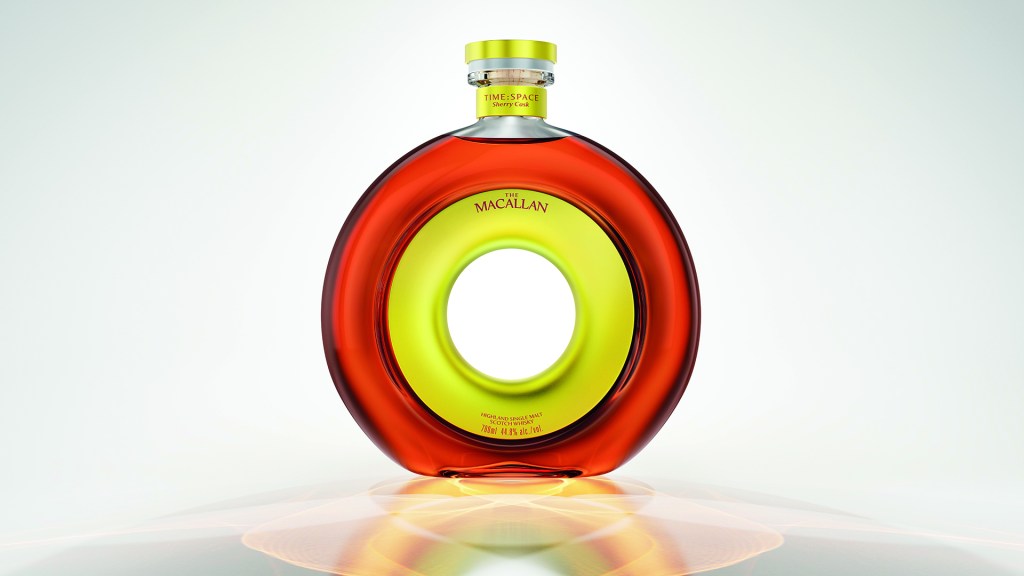
To achieve the exact emotional resonance of the spirit, The Macallan’s design team sought inspiration from the vivid appearance of illuminated grapes basking in the Andalusian sun. Eschewing standard color-matching systems, the team crafted a bespoke hue by manually mixing paints across paper and metal mediums. According to the brand, this meticulous physical process yielded a color that transcends any conventional Pantone swatch, successfully capturing the distinct mood and emotion of that exact, sunlit moment in Spain.

While anchored by heritage-driven production methods, the luxury beverage market continues to run parallel with broader consumer interests in high-end lifestyle artifacts, contemporary home design, and thoughtful curation. Alongside major spirits releases, the cultural and retail landscape sees a diverse array of limited editions and specialized consumer goods drawing attention from collectors and enthusiasts alike.
Among these notable offerings is a rare artistic collaboration between Dom Pérignon and visionary artist Damien Hirst, who has introduced a limited-edition presentation for the 2010 Rosé Champagne, priced at $500. Unlike many Champagne houses that prioritize stylistic consistency across standard product lines, Dom Pérignon operates exclusively on a vintage-only model, releasing bottles only when a specific year’s harvest warrants expression. For this release, Hirst revisited his iconic 2001 Kaleidoscope series, reinterpreting the champagne house’s traditional crest and label into repeating, geometric patterns. The resulting visual language features a pink and red palette for the 2010 Rosé and a blue and purple counterpart for the Vintage 2018 edition, which is priced at $305. The 2010 vintage itself emerged from an unusually complex climate cycle, characterized by a cool spring, a hot summer, and severe dryness followed by an intense August deluge. This meteorological volatility accelerated grape maturation and required a rapid harvest, resulting in a vintage defined by a distinct structural tension between light and darkness.
In the realm of horology and design ephemera, collaborations continue to yield unique collector’s items. Independent watch dealer Analog:Shift partnered with Éditions de la Tour to release a specialized set of vintage watch-inspired playing cards priced at $29. Curated by Analog:Shift founder James Landin, the standard 52-card deck showcases 52 distinct timepieces, translating horological history into printed art. The numerical cards utilize blueprint-style technical illustrations, while the court cards are brought to life through full-color depictions, reflecting the intricate details and styles found in vintage watch collecting.

Similarly, high-end design objects have found intersection with philanthropy and fine writing accessories through a collaboration between independent watchmaker MB&F and Swiss luxury writing instrument brand Caran d’Ache. The resulting GorillaSharpener, priced at 850 Swiss Francs and limited to just 300 pieces worldwide, reimagines Caran d’Ache’s iconic desktop pencil sharpener. Finished in an Alpine Frost blue barrel, the functional art piece is supported by detailed silver gorilla arms and legs capable of sharpening both round and hexagonal pencils. Each purchase of the 300-piece limited run includes a dedicated mounting clamp, a set of pencils, and a direct donation to the Dian Fossey Gorilla Fund, making the desktop accessory both a collectible mechanical sculpture and a charitable contribution. The item is distributed globally through MB&F’s network of M.A.D. Galleries, lounges, and labs across Geneva, Dubai, New York, Beverly Hills, Silicon Valley, Paris, Singapore, and Taipei.

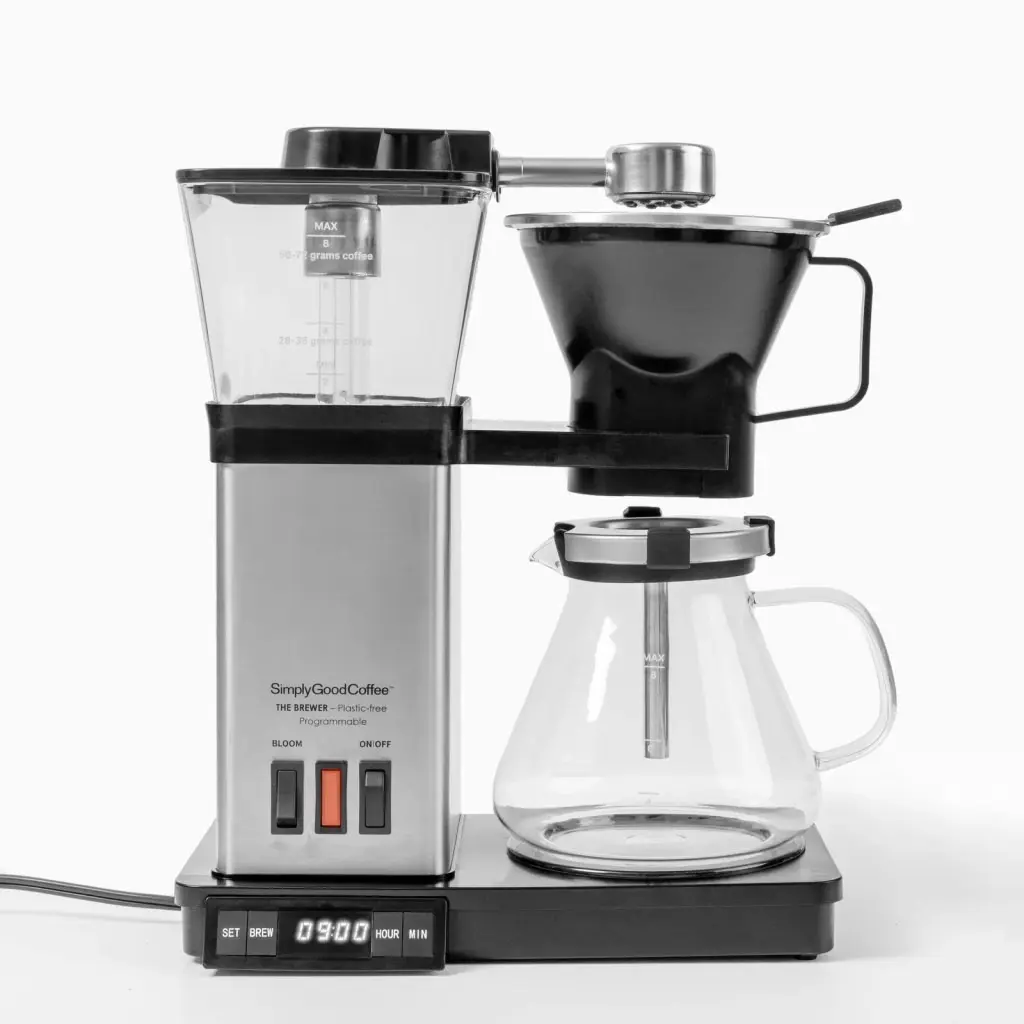
The intersection of lifestyle, daily rituals, and high-end manufacturing is further reflected in household appliances and functional goods. The market for home coffee equipment has seen innovative shifts toward sustainable and health-conscious engineering, highlighted by Simply Good Coffee’s Plastic Free Programmable Coffee Brewer. Originally priced at $520 and currently retailing at $400, the machine was developed with the explicit objective of eliminating all plastic components from the brewing path. While manufacturing entirely plastic-free appliances requires significantly more time and production expense—explaining the industry-wide reliance on plastic parts even in premium brewers—the resulting appliance offers consumers a cleaner kitchen profile where heated beverages do not interact with synthetic polymers. The machine functions like a standard programmable brewer while delivering increased structural durability and reduced reliance on replacement parts over time.
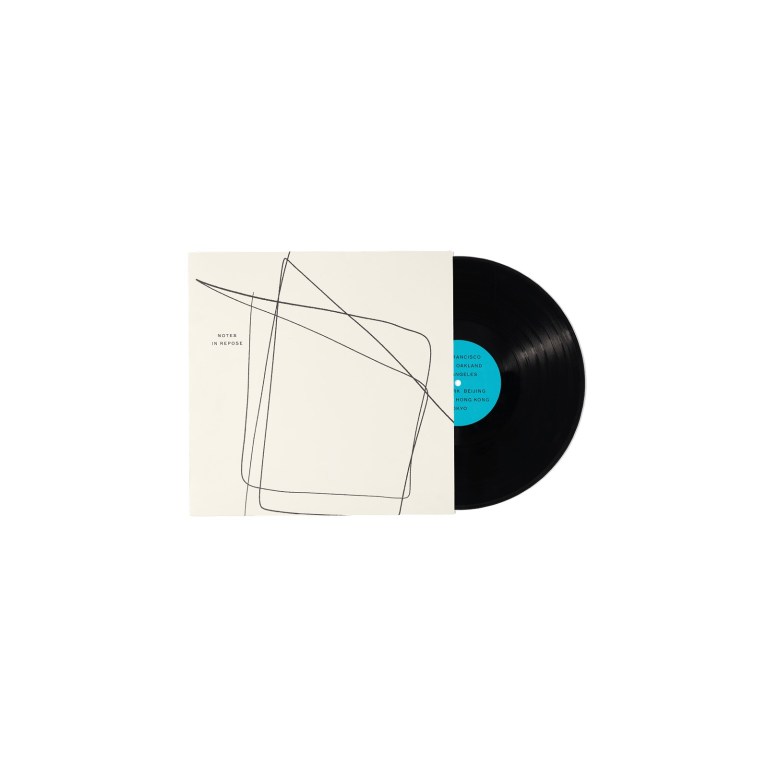
In the audio and specialty beverage sectors, brands continue to explore sensory storytelling. Blue Bottle Coffee introduced its debut vinyl LP release, Notes in Repose, priced at $49. Pressed on heavyweight 180-gram vinyl with a runtime of 44 minutes, the record features 11 contemporary jazz compositions recorded live across various Blue Bottle cafes. Participating artists include Gary Bartz alongside Adrian Younge and Ali Shaheed Muhammad, Makaya McCraven, Jeff Parker, Angel Bat Dawid, and the Kyoto Jazz Sextet. The project was conceived to celebrate the brand’s Signature Blends, drawing a direct conceptual parallel between the tension and improvisation of jazz music and the meticulous blending and roasting of specialty coffee.
In the non-alcoholic beverage category, Hitachino Nest expanded its portfolio with the introduction of its Yuzu Ginger Non-Ale beer, priced at $6 per bottle. Brewed using premium hops and traditional malts, the non-alcoholic expression delivers the zesty, lively, and lightly floral characteristics of yuzu and ginger while utilizing a lighter carbonation profile than traditional ales, catering to growing consumer demand for complex alcohol-free alternatives.

Design-forward solutions have also influenced the technology and pet care sectors. Matic introduced its advanced Robot Vacuum + Mop, priced at $1,495. Designed and assembled in California, the robotic cleaning device utilizes five onboard cameras and advanced computer vision to map and navigate interior spaces, operating efficiently in low or zero-light environments while ensuring all mapping and spatial data remains strictly on-device for user privacy. The unit features a HEPA-12 containment bag equipped with gel-forming salts that solidify vacuumed liquids, eliminating the need to empty a separate dirty liquid reservoir during maintenance.

Meanwhile, pet care accessories have embraced functional luxury, as seen with The Foggy Dog’s Tartan Reversible Rain Jacket, priced at $65. Available in red or green tartan patterns that reverse into solid colors, the water-resistant jacket features quilted insulation, a dedicated leash access point, and a snap pocket designed to hold waste bags or treats for cold-weather walks.

From high-altitude apparel collaborations—such as the 25th-anniversary Arc’Teryx and Beams capsule collection featuring the recycled-material Gamma Jacket priced at $300—to everyday cultural artifacts like Kuboki Tatami’s $20 smartphone mats designed to encourage presence during meals, the contemporary market continues to value objects that merge purposeful engineering with thoughtful narrative design.