






At The World’s 50 Best Bars 2026, revealed in Milan earlier this month, the undeniable momentum behind Asian cocktail culture took center stage on the global stage. More than a dozen bars representing major Asian metropolitan hubs secured coveted spots within the prestigious global Top 50 list. Among them, Hong Kong’s renowned Bar Leone made headlines by claiming the title of The World’s Best Bar for the second consecutive year, while Milan’s own Moebius Milano followed closely behind at No. 2, earning the distinction of Best Bar in Europe.
The general outcome of the awards reflected a broader, ongoing shift in what both discerning drinkers and industry professionals increasingly value. In Japanese and broader Asian bar cultures, a cocktail is rarely considered in isolation. Instead, elements such as ice, glassware, temperature, texture, pacing, physical setting, and attentive service coalesce to form a holistic experience. Here, technical skill is not deployed as a mere performance of expertise, but rather as a genuine means of making a guest feel deeply considered.
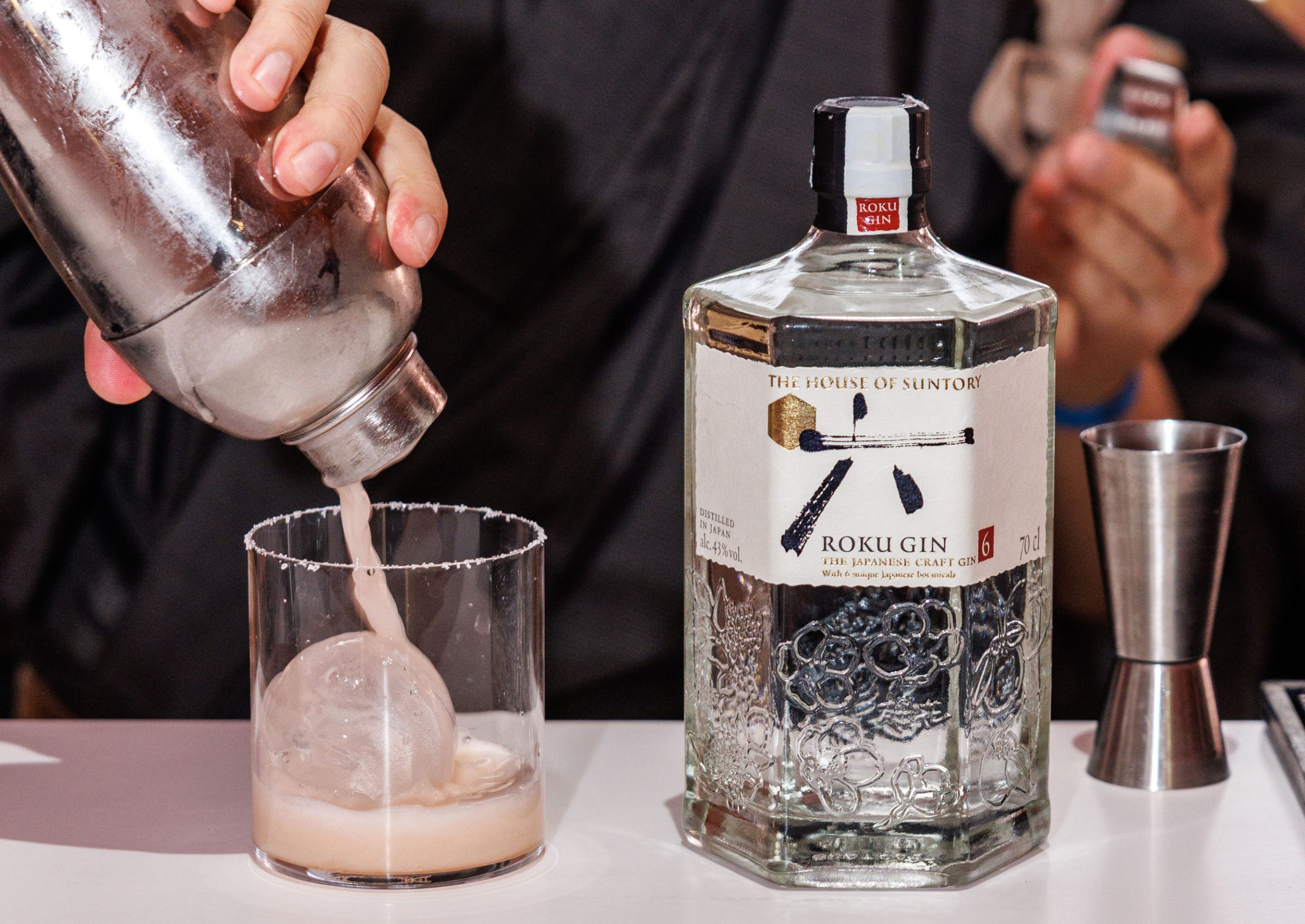
Japanese cocktail culture has long made an exquisite art of these intricate details. Its enduring values of meticulous craftsmanship and thoughtful hospitality are rapidly becoming an influential vocabulary within the global bar scene. The widespread appeal lies not only in a recognizable aesthetic, but equally in an approach that seamlessly marries discipline with ease, ritual with sociability, and innovation with a profound attentiveness to tradition.
During The World’s 50 Best Bars Week in October, Milan transformed into a temporary, vibrant meeting point for international bartenders, bar owners, and hospitality professionals. Across the city, an energetic circuit of guest shifts, masterclasses, exclusive dinners, and private tastings created a dynamic atmosphere. It functioned simultaneously as an industry summit, a social occasion, and an international showcase for a profession that has steadily evolved to become more collaborative and globally connected than ever before.
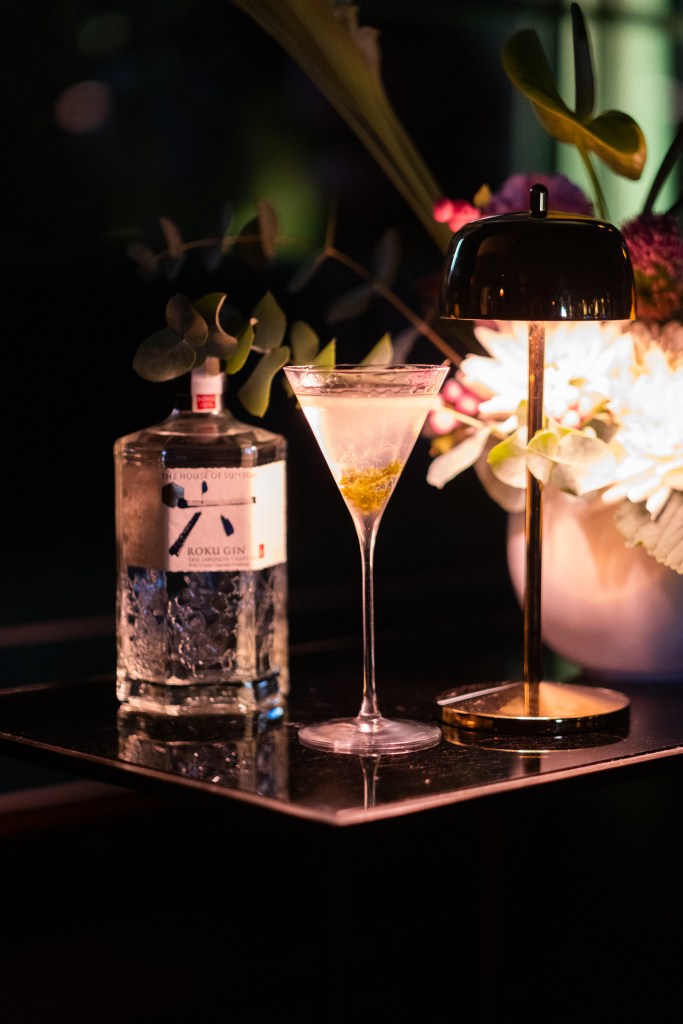
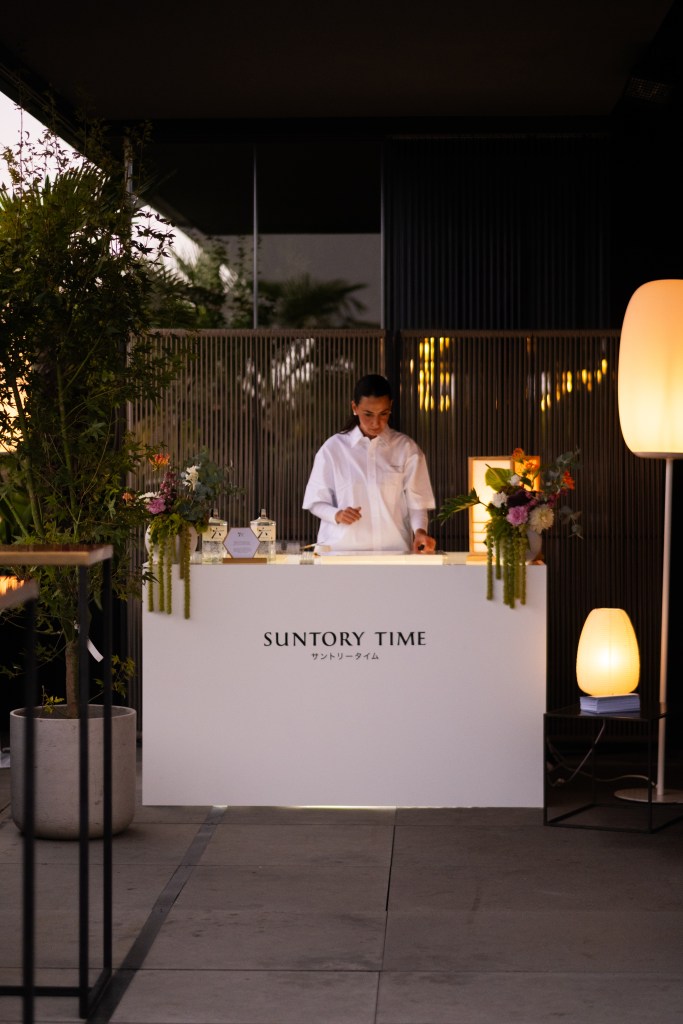
Against this backdrop, at Ceresio 7, the acclaimed rooftop restaurant and bar in Milan, The House of Suntory presented Suntory Time—a dedicated platform designed to explore the artistry, seasonality, and refined hospitality shaping modern Japanese drinking culture. The program brought core spirits like Roku Gin, Toki Japanese Whisky, and Haku Vodka into a series of engaging conversations and curated tastings centered around contemporary expressions of Japanese craftsmanship. The underlying approach remains rooted in the meticulous attention to detail that characterizes Japanese bartending, stretching from the careful sourcing of local ingredients and the construction of a drink to its final presentation and the quality of interaction between bartender and guest.
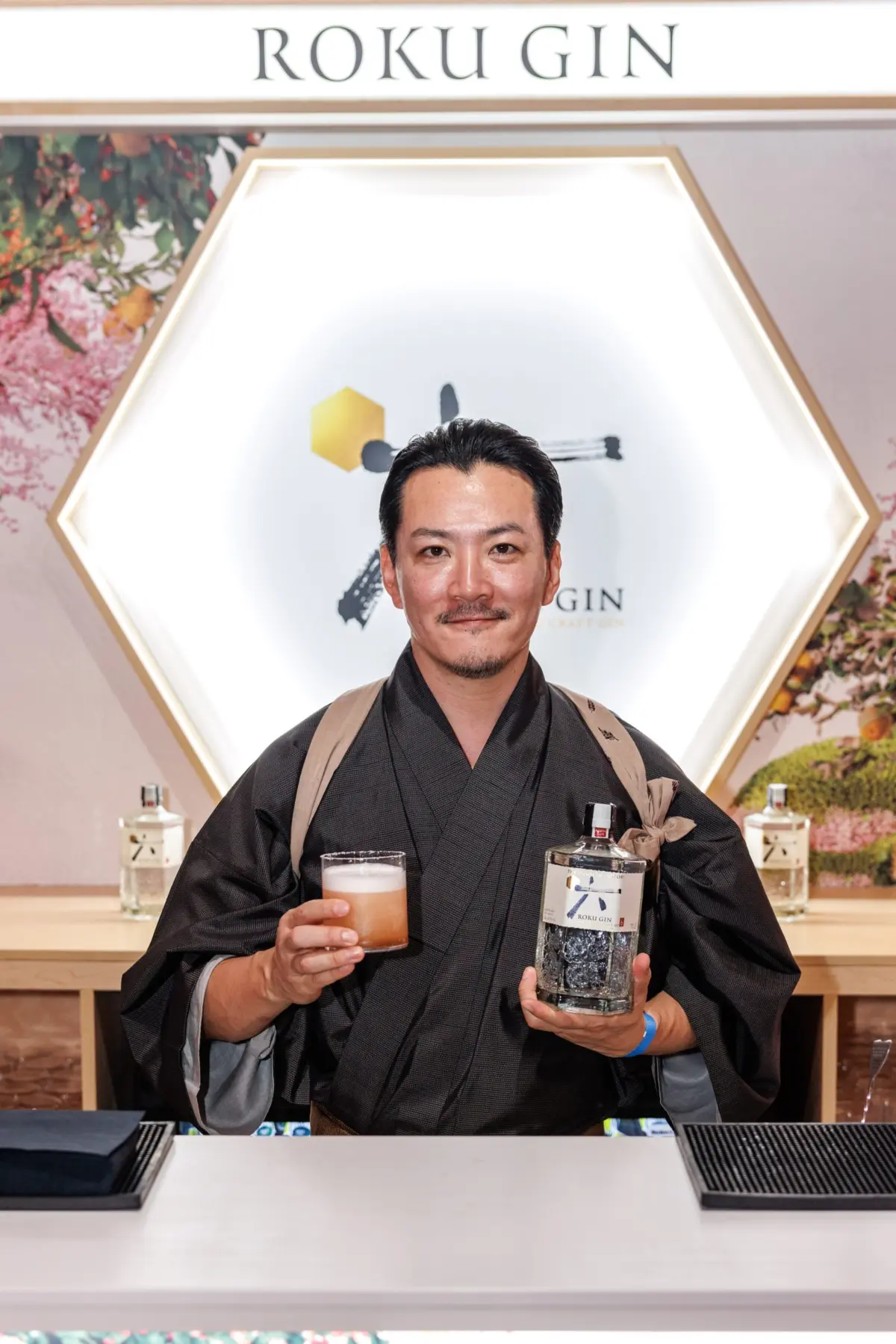
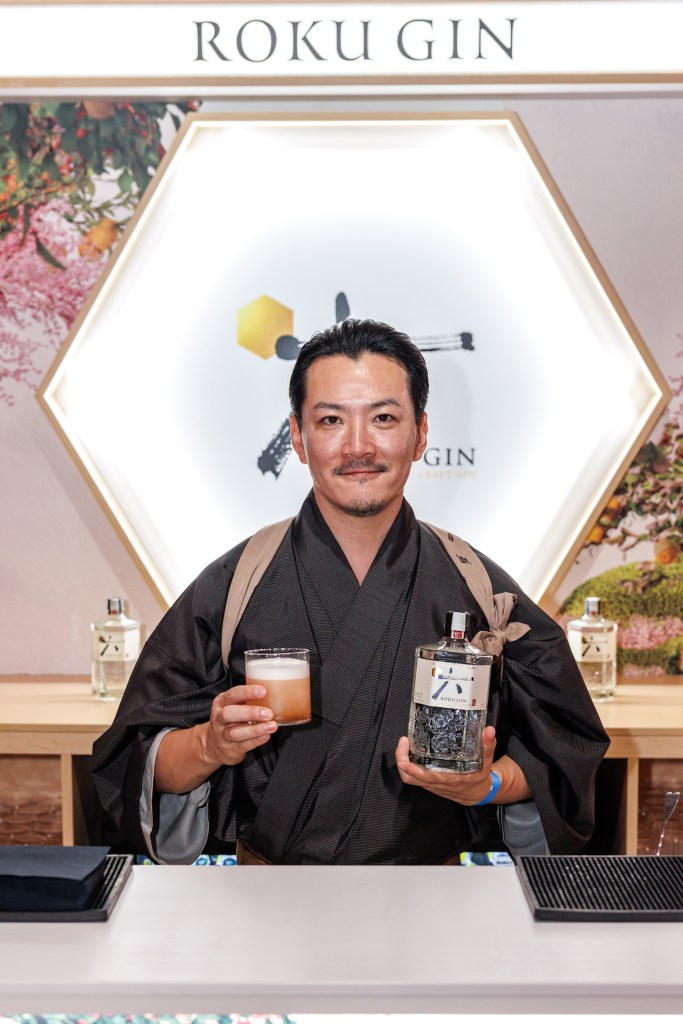
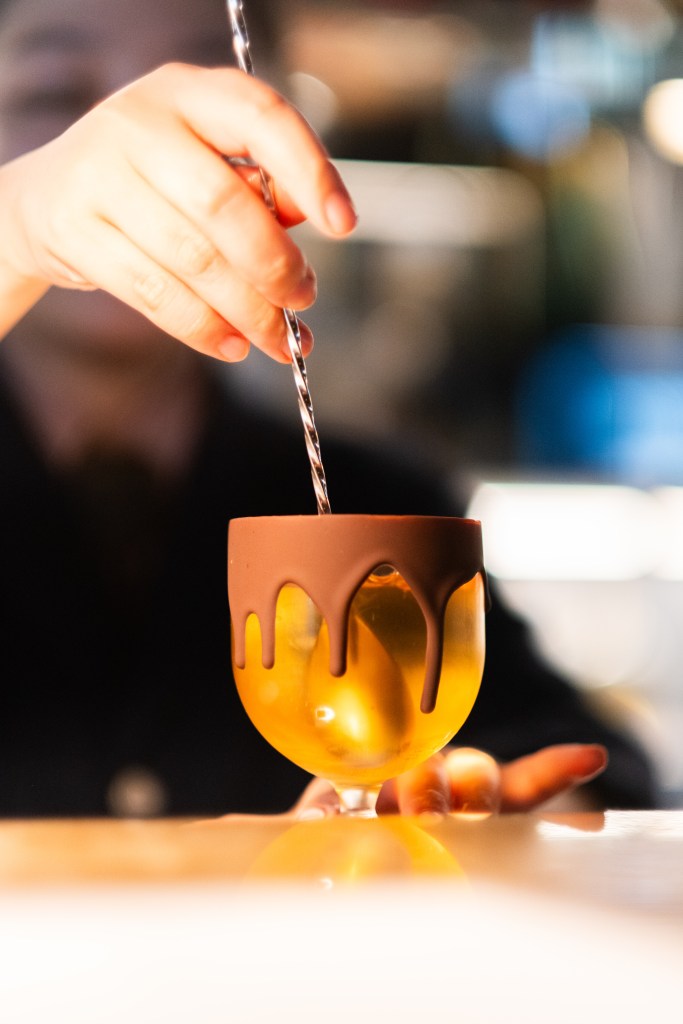
One of the week’s most closely watched appearances came from Shingo Gokan, the celebrated Japanese bartender and entrepreneur behind New York’s Sip & Guzzle and Hong Kong’s Gokan. In April, Sip & Guzzle was named No. 1 in North America’s 50 Best Bars 2026 and received the title of The Best Bar in North America. At Ceresio 7, Gokan brought his characteristic balance of technical rigor and approachable warmth to a guest shift centered on Japanese ingredients and playful flavor profiles. Among the standout creations was his astounding Omatsuri Banana, which combined Toki Japanese Whisky, rich miso, dark chocolate, and caramelized banana—a dessert-adjacent cocktail that brought savory and sweet notes into exquisite balance.
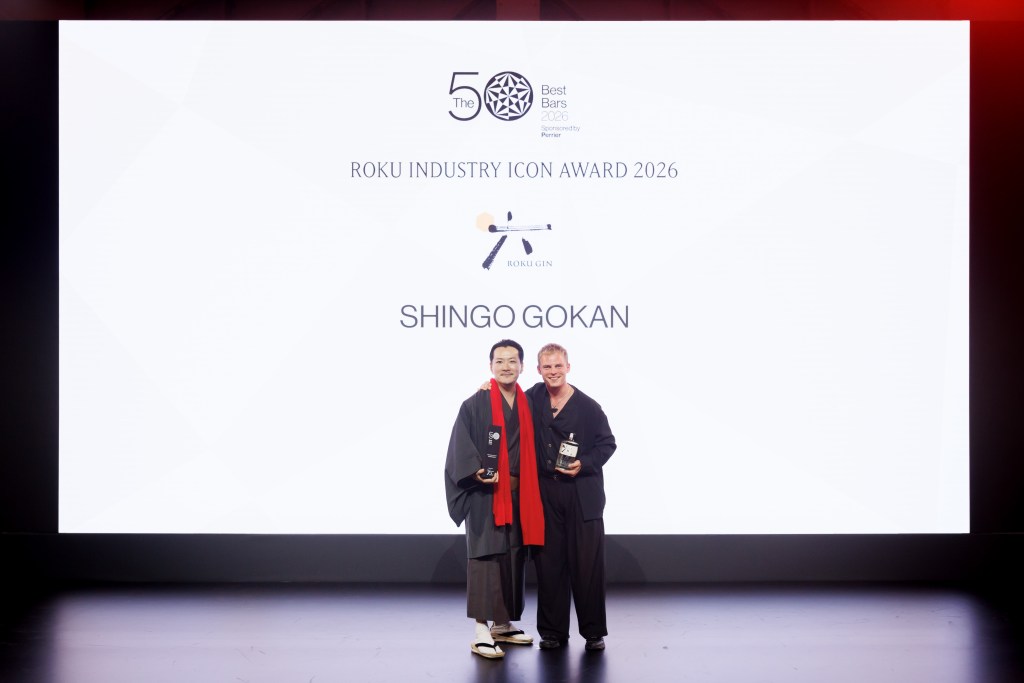
Later, during the main awards ceremony held at the historic Palazzo del Ghiaccio, Gokan received the Roku Industry Icon Award 2026. Sponsored by Roku Gin, the accolade recognizes an individual who has made an outstanding, lasting contribution to the global bar industry. In Gokan’s case, the honor acknowledged an influence that extends far beyond the walls of any single establishment. Over his career, he has built an international reputation as a bartender, founder, mentor, and operator, helping to establish a sustainable model of Japanese-inspired hospitality that travels easily across diverse cities and cultures.
Earlier that same day, Julia Momose—chef, bartender, and the creative force behind Chicago’s Kumiko—led an intimate masterclass at Ceresio 7 for the Suntory Time programming. Her session explored the delicate ritual of the Toki Highball, utilizing a familiar and accessible format to illustrate the precision, restraint, and sensitivity to ingredients that define Japanese cocktail-making. Momose was recognized on the 2026 global extended list of The World’s 50 Best Bars at No. 70, following a stellar previous year in which her Chicago establishment won World’s Best Bar and Best U.S. Restaurant Bar at the 2025 Tales of the Cocktail Spirited Awards.
For Momose, however, the professional journey always begins with a deeply personal memory. Her path into the industry was sparked during a visit to a speakeasy bar in Kyoto, where she experienced her first cocktail and witnessed firsthand the transformative magic of hospitality. That formative encounter inspired her to create similar experiences for others, eventually leading her toward the dream of opening her own bar upon relocating to the United States.
She ultimately found the ideal home for that vision in Chicago. Embracing the city’s welcoming atmosphere, people, and vibrant food-and-drink culture, she established Kumiko in the city’s West Loop. There, she strives to bring together Japanese heritage, seasonal ingredients, and a genuine sense of care. Momose describes her ongoing role as an ambassador for Japanese culture with a mixture of profound pride and responsibility, noting a desire to challenge lingering stereotypes while sharing a culture that celebrates individuals, specialized products, and enduring traditions.
That ambition finds its clearest expression through omotenashi, a traditional Japanese approach to hospitality that Momose describes as careful listening and an unwavering respect for what each individual guest needs in a given moment. Sometimes, she observes, that means offering space and quiet contemplation; at other times, it calls for engaging conversation. With every guest who walks through the door, her approach centers on offering omotenashi, turning the simple act of serving a drink into an opportunity to share the values, stories, and poetry of Japanese culture.
This philosophy highlights the most consequential aspect of Japanese bar culture’s growing global relevance. Its expanding influence is not merely a matter of adopting an imported visual language—such as minimalist interiors, Japanese whiskies, or ceremonial ice carving—though those elements remain compelling. Rather, it represents an exportable model of care, where the ultimate goal is to make the guest feel genuinely recognized without transforming the act of service into a hollow performance of attentiveness.
The broader Suntory portfolio gave physical expression to these ideas throughout the week in Milan. Roku Gin draws its inspiration from shun, the traditional Japanese concept of enjoying ingredients strictly at their seasonal peak, utilizing native botanicals to give gin a distinctly Japanese perspective. Toki Japanese Whisky represents the vibrant energy of contemporary Tokyo, successfully bridging traditional Japanese whisky with modern, social drinking occasions. Meanwhile, Haku Vodka, produced from 100% Japanese white rice, offers a smooth profile characterized by a soft, subtle sweetness intended to support individual expression within a wide variety of cocktails. The relationship between seasonal philosophy and design is further exemplified by expressions like the Roku Sakura Bloom Edition, a limited-edition gin inspired by the sakura season and the Japanese custom of hanami, or flower viewing, featuring a soft floral profile complemented by a subtle saline note from blossom leaves.
A striking example of how Japanese drinking culture is deeply rooting itself across Europe can be found in Milan’s Ronin, a dynamic multi-level destination for nightlife experiences. The venue successfully brings together several distinct formats traditionally associated with Japanese social life: an izakaya and listening bar that pairs drinks with small dishes, an intimate cocktail bar featuring private karaoke rooms and focused on Far Eastern mixology, a dedicated restaurant, and quieter cocktail lounge spaces. The vibrant atmosphere draws crowds of varied generations, integrating drinking into a broader modern ritual of food, music, and late-night conviviality. Conceived by local entrepreneurs, this Japanese-style hospitality venture is increasingly capturing the attention of nightlife operators across the continent.
The week’s events in Milan underscored that the ongoing rise of Japanese and Asian bar culture reaches far beyond numerical rankings and accolades. It represents a fundamental shift in how the international drinks community defines quality: precision without rigidity, seasonality without empty nostalgia, and hospitality that remains sensitive to the individual rather than performative for its own sake. At a time when the world’s leading bars are drawing from increasingly international reference points, Japanese cocktail culture continues to offer a resonant proposition—that the most memorable drink is not merely crafted with technical skill, but served with unwavering attention, warmth, and care.