




The Aesthetic Period of Victorian jewelry emerged not merely as a shift in ornamentation, but as a profound cultural and artistic rebellion against the rigid conventions of the past. As the 19th century wound down, Victorians grew increasingly disillusioned with heavy-handed historicism, industrial mass production, and the overbearing furnishings of previous decades. Seeking a way out of past constraints, artists, craftsmen, and fashionable women alike moved toward a philosophy of more refined artistic taste.
This spirit of reform drew heavily from visionaries like William Morris, who fought tirelessly to keep the handcrafted ideals of the Middle Ages alive amidst the relentless march of the industrial revolution. In 1884, following Morris’s inspirational example, a dedicated collective of craftsmen formed the Art Workers’ Guild. Shortly after, in 1886, a complementary group of visionaries established the Arts and Crafts Exhibition Society. Together, these two influential groups set out to win over the public with authentic, beautifully crafted work that prioritized intrinsic artistic merit over sheer material wealth.
A New Era of Feminine Independence
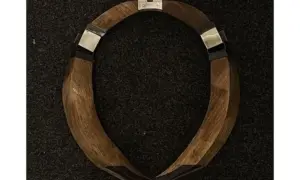
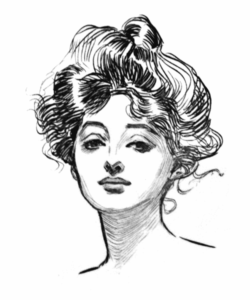
The changing social landscape for women provided fertile ground for this artistic revolution. Immortalized in the iconic 1890 illustrations of Charles Dan Gibson, the "Gibson Girl" hairstyle and persona captured a radical new archetype of womanhood. The modern woman portrayed in these drawings was independent, fun-loving, self-aware, and self-assured. Elaborate hairstyles required essential new accessories, including hair combs carved from tortoise shell and intricately embellished with fine gemstones.
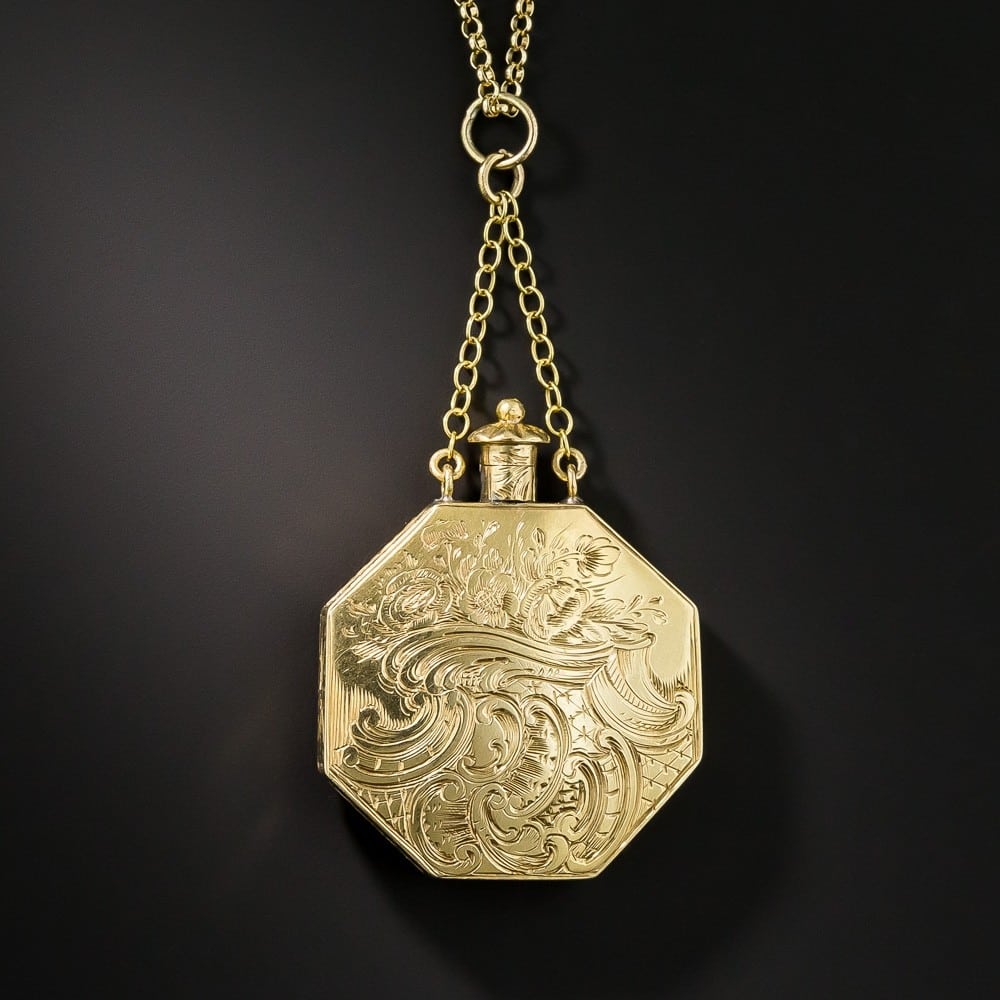
Simultaneously, dramatic shifts in lifestyle altered feminine wardrobes entirely. New sporting activities for women, such as bicycling and golf, demanded greater freedom of movement and practical wardrobe adjustments. Long chains became indispensable accessories because they kept a woman’s hands free while holding essential daily items like coin purses, watches, and lorgnettes. For adventurous ladies who enjoyed taking long rides by themselves, whistle bracelets transformed from novelties into absolute necessities, allowing them to summon help from a two-mile radius if needed.
Women were stepping firmly into the business world and the political arena. In 1885, they founded the Primrose League, followed closely by the Women’s Liberal Federation in 1886, working furiously toward achieving the right to vote. Young women flooded university campuses, pursuing higher education while taking an active, passionate interest in sports and leisure pursuits. Fashionable women actively cultivated an aura of slight naughtiness or frivolity, signaling to the world that they were thoroughly modern, or fin de siècle.
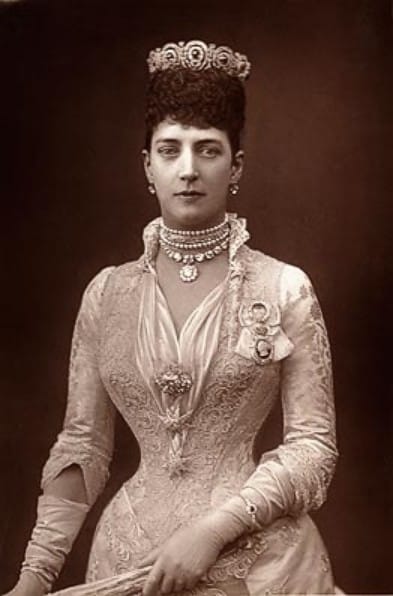
Despite the introduction of these functional jewelry necessities, the overarching trend in daily wear shifted toward minimalism. In general, women wore significantly less jewelry, keeping ornamentation to a bare minimum during daylight hours. Diamonds, in particular, were widely perceived as being in exceptionally poor taste during the day. By 1890, the Jewellers’ Association grew genuinely alarmed, fearing that modern women had abandoned jewelry altogether. In a desperate bid to save the industry, they appealed directly to the Princess of Wales for assistance. While she graciously purchased a few pieces and attempted to set an influential example, grand evening events like dress balls and the opera remained virtually the only occasions that brought out any significant display of jewels.
Exhibitions, Innovations, and the Smaller Scale
Throughout the 19th century, international exhibitions played a crucial role in introducing the public to groundbreaking innovations in art and industry. Celebrating the 400th anniversary of the discovery of America, Chicago hosted the monumental 1893 Colombian Exposition, where the undeniable star of the show was electricity. Visitors stood awestruck before fabulous, brilliantly illuminated displays crafted by some of America’s top design houses, including Tiffany and Gorham. Case after case of Victorian chains, rings, bracelets, earrings, and watches were met with tremendous public enthusiasm.
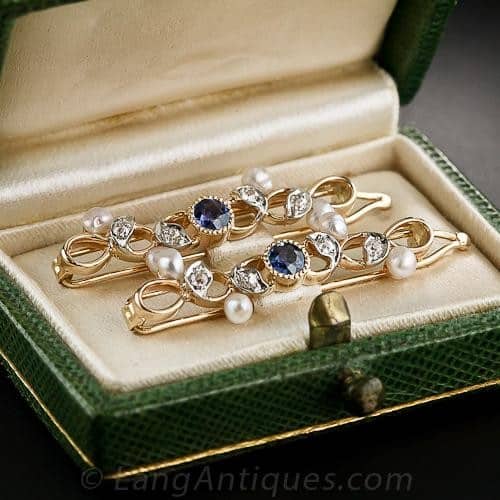
The jewelry on display marked a distinct departure from previous decades, featuring a much lighter touch and a smaller scale. Heavy, cumbersome Victorian brooches were systematically replaced by smaller pins scattered gracefully across the bodice of a dress. For evening wear, diamond brooches were frequently pinned directly into the hair. Furthermore, with the latest Victorian hairstyles exposing the ears, small stud earrings became highly desirable.

Breaking with Tradition: The Rise of Arts and Crafts and Art Nouveau
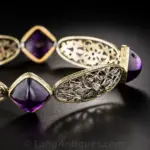
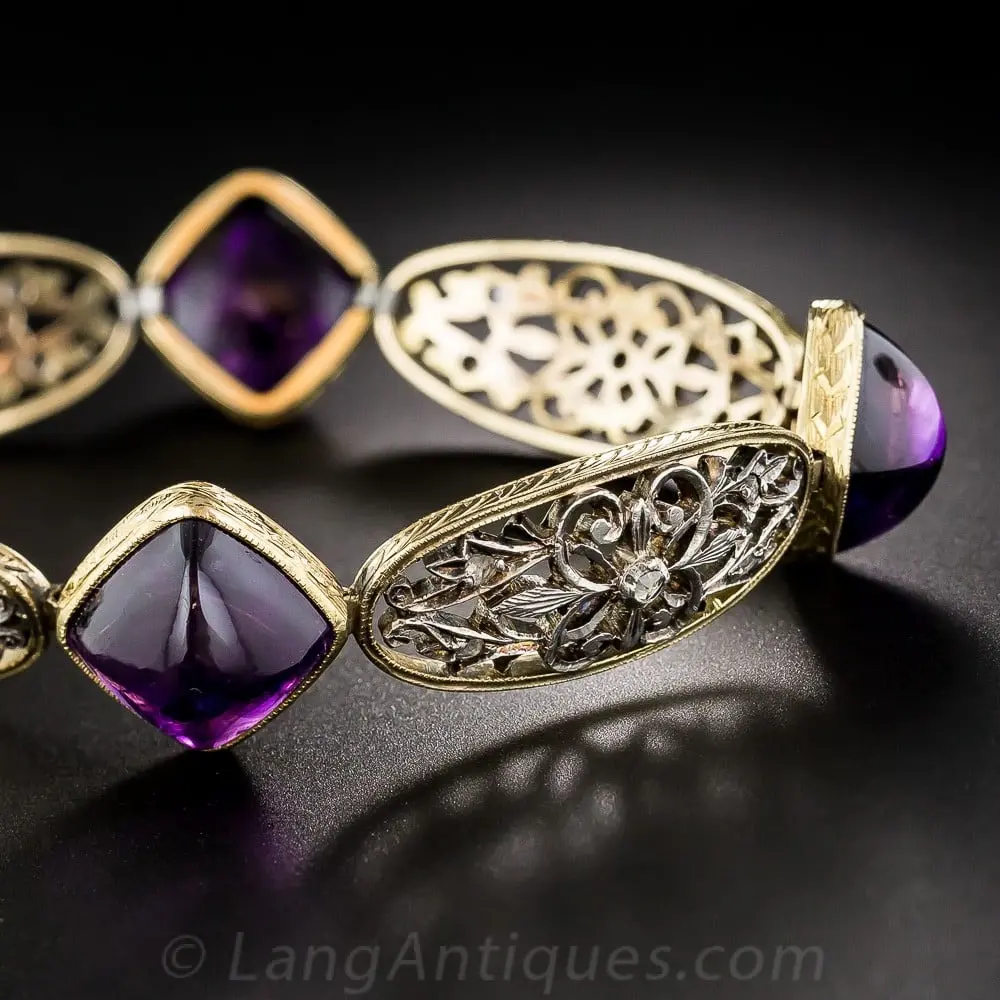
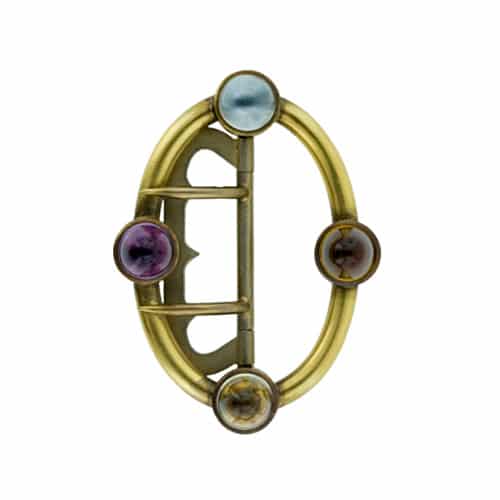
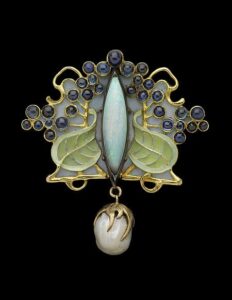
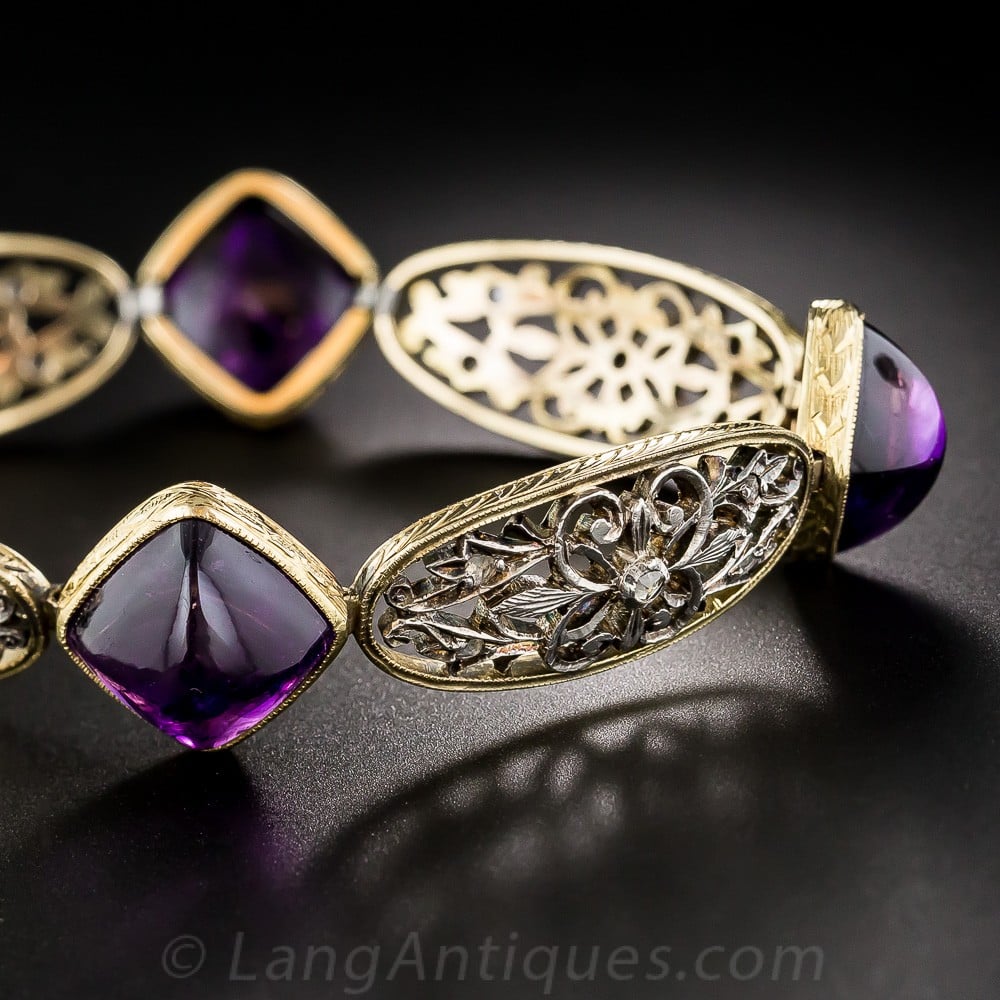
The new generation of jewelry designers felt genuine disgust at the blatant, uninspired copying of historic jewels and the heavy-handed creations of their predecessors. Determined to break completely with imitative traditions, they sought to forge an entirely new path. Soft curves, organic natural shapes, and more delicate color palettes emerged as a direct reaction against the heavy industrial aesthetic of the past. Gemstones were increasingly cut en cabochon, showcasing a distinct preference for amethysts, emeralds, and opals.
C.R. Ashbee, a prominent leader in the Arts and Crafts movement, stood at the forefront of this design revolution. Operating under the conviction that jewelry should be designed strictly for its intrinsic beauty rather than its material value, Ashbee utilized pink topaz and amethyst set in dull silver or gray gold. Other avant-garde jewelers quickly followed his lead.
Concurrently, the Art Nouveau style was blossoming in France, spearheaded by visionary designer René Lalique. Lalique pioneered the use of feminine heads with long, waving hair, soft-colored stones, simple floral motifs, and delicate enamels. By introducing genuine fantasy and originality into his work, he created an utterly un-derivative style. In England, critics and tastemakers viewed his creations as the triumphant culmination of the new aesthetic, making Lalique’s jewelry an instant, massive hit among the "new" Victorians.

Evolving Materials and Conventional Elegance
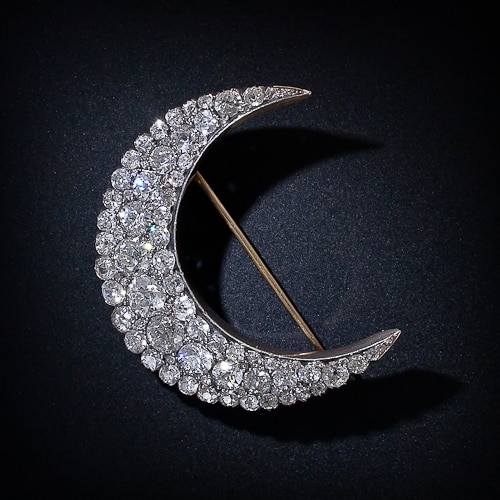
While avant-garde styles captured the imagination of artists, a more conventional type of jewelry remained widely popular among traditional women of the era. However, even these classic looks underwent a transformation toward simplicity, typically featuring a single prominent gemstone. Jewelers specialized in curating exceptional selections of precious stones for their clientele. Diamonds remained the undisputed favorite for special occasions, with diamond rivières, tiaras, and bracelets set in silver-topped gold dominating elite social circles.
This traditional jewelry was notably lighter and more delicate than that of previous eras. Stones were set in an airy, open manner that minimized visible metal as much as possible. Technical advancements in manufacturing during the late 1880s made platinum a viable and increasingly popular metal for secure diamond mountings. Later, near the end of the century, the outbreak of the Boer War temporarily cut off the vital supply of diamonds from South Africa, prompting alternative gemstones to regain a portion of their former popularity.
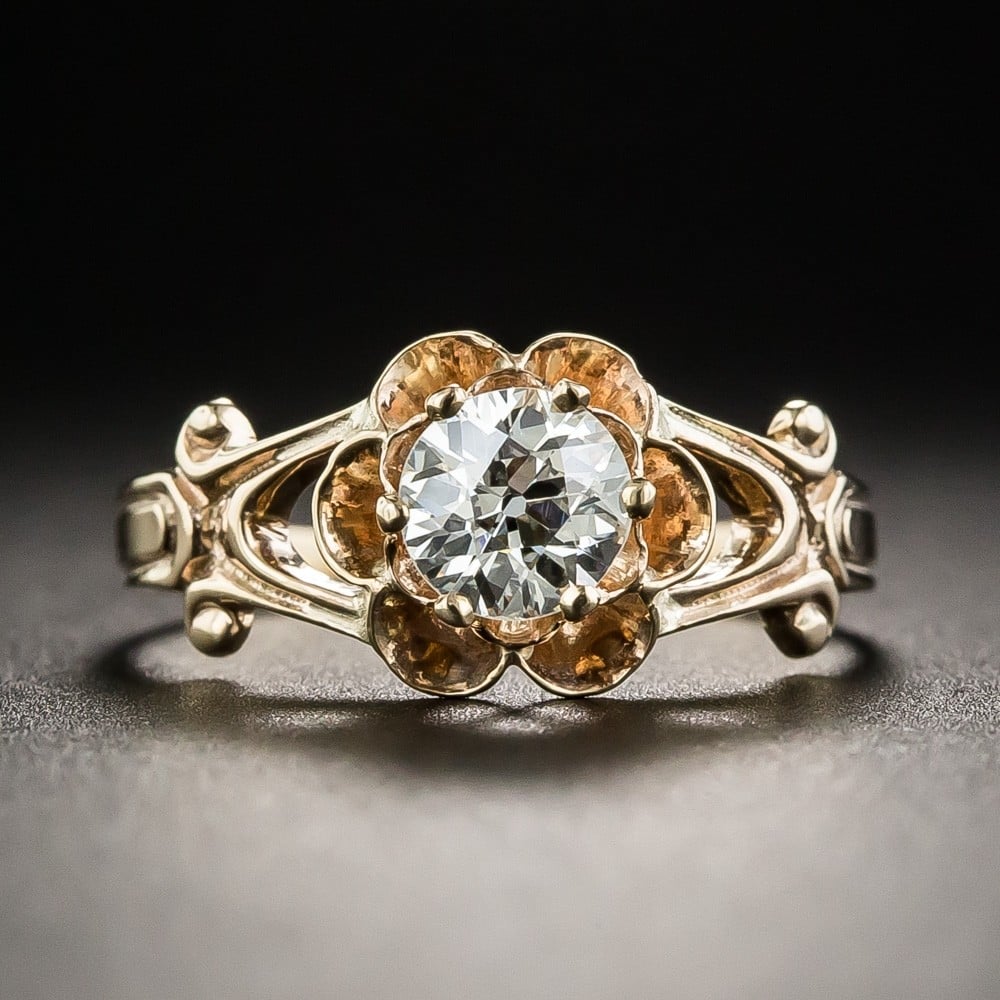
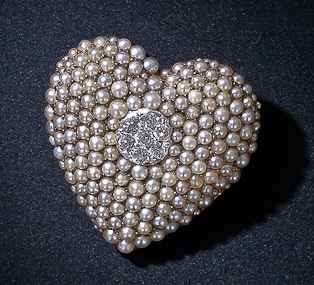
A distinct design known as the lace pin—a short bar or safety pin featuring a delicate design on top—alongside classic bar brooches and slender pendant necklaces, captured the public imagination. These pieces were often decorated with motifs of shamrocks, dimensional stars, knots, and hearts. Some of these jewels were crafted on such a minute scale as to seem almost invisible, yet their absolute novelty rendered them deeply charming.
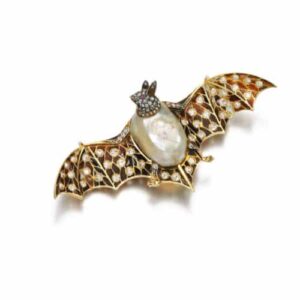
The relentless cultural appetite for novelty jewelry continued to drive the industry forward, with designers constantly introducing fresh concepts. The "honeymoon" brooch, charmingly shaped as a tiny bee perched upon a crescent moon, became an instant favorite. Other whimsical novelties included diamond-encrusted chickens, jeweled lizards, frogs, and wise owls.
Cultural Influences and Global Inspirations
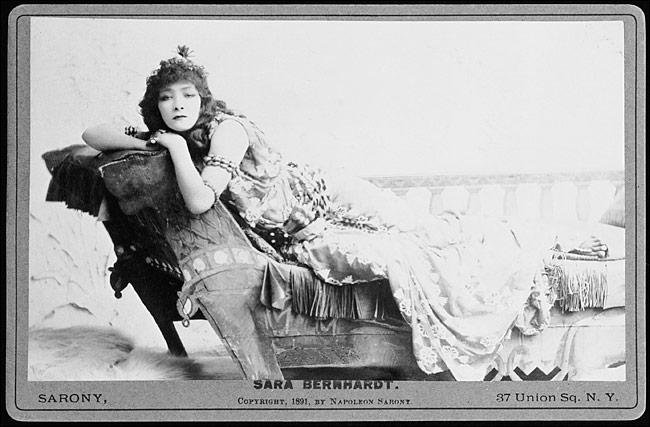
Those seeking a fresh aesthetic drew inspiration from a myriad of cultural figures and global events. When the legendary actress Sarah Bernhardt starred in Cléopâtre in 1891, she wore striking Egyptian-motif jewelry featuring turquoise set in silver. Her immense popularity meant that where Bernhardt led, society eagerly followed, sparking a widespread revival of Egyptian-styled ornaments.
Similarly, traditional jewelry from India surged in popularity following eye-catching displays at the Exhibition of 1886. Unlike their previous fascination with Greek and Etruscan antiquities, English jewelers did not attempt to precisely copy Indian designs. Instead, the completely handmade nature of the pieces, characterized by a deliberate lack of symmetry and mathematical precision, appealed profoundly to those seeking something entirely authentic. In another fascinating trend between 1885 and 1889, hand-pierced escapement covers—originally designed during the 17th and 18th centuries to protect a watch’s balance wheel and staff—were up-cycled and repurposed into unique earrings, bracelets, and pendants.

The End of an Era
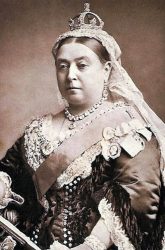
The extended British Royal Family maintained an undeniable, powerful influence over global fashion and jewelry trends throughout the period. The signature dog-collar necklaces and cascading ropes of pearls worn by the Princess of Wales were emulated across the globe. Following the passing of Queen Victoria in 1901, King Edward VII and Queen Alexandra would carry these defining tastes forward, seamlessly guiding high society into the vibrant next era of jewelry history.