






Kenya’s Amboseli National Park is globally renowned as a sanctuary for wildlife, providing a protected habitat for more than 400 bird species and over 55 types of mammals. Yet beyond its famous fauna, the 392-square-kilometer park is defined by a deeply tactile and striking landscape. A journey across the reserve reveals an earthy mosaic of glistening salt flats, rich red clay, bleached savannah grasses, verdant patches of sage, rigid sedge stalks, and spiky, yellow-barked acacia trees. The area’s distinct color palette, characterized by warm golden light and diverse organic textures, forms the foundational aesthetic for the nearby Kitirua Plains Lodge, the latest addition to the A&K Sanctuary portfolio.
A&K Sanctuary, the premier hospitality collection operated by luxury travel pioneer Abercrombie & Kent, continues to expand its global footprint. The brand currently oversees a collection of 13 luxury safari lodges, a fleet of six riverboats, and plans to introduce a high-end Airstream camp in Bolivia by 2027. Kitirua Plains Lodge represents its newest Kenyan property, occupying a prime site within a 128-acre private conservancy that directly borders Amboseli National Park and offers sweeping views of Mount Kilimanjaro, affectionately known to locals as "Kili."
While many traditional safari destinations lean heavily into the classic canvas tent aesthetic, Kitirua Plains Lodge adopts an entirely different visual and architectural direction. Luxury Frontiers, a South Africa-based design firm responsible for the property’s master planning, architecture, and interior design, drew inspiration directly from the surrounding ecosystem and the cultural ethos of the neighboring Maasai community. The Maasai have long practiced a lifestyle centered on living in absolute harmony with the natural environment. Consequently, the lodge avoids slick, modern finishes in favor of gently curved walls, natural stone tiles, dried-grass textile art, rich mango wood panels, and handwoven sisal ceilings. The result is an off-grid sanctuary whose intentional design blends seamlessly and respectfully into the open plains.

According to Guy McGregor, Managing Director of Luxury Frontiers, the firm’s philosophy is rooted in listening to the land. "Our approach is to understand and draw inspiration from the place, its vernacular architecture, local communities, cultures, materials, and environment," McGregor explains. He emphasizes that the entirely African design team brings an authentic appreciation for the diverse contexts found across the continent, allowing them to respond directly to the specific sense of place, culture, and character of each location.

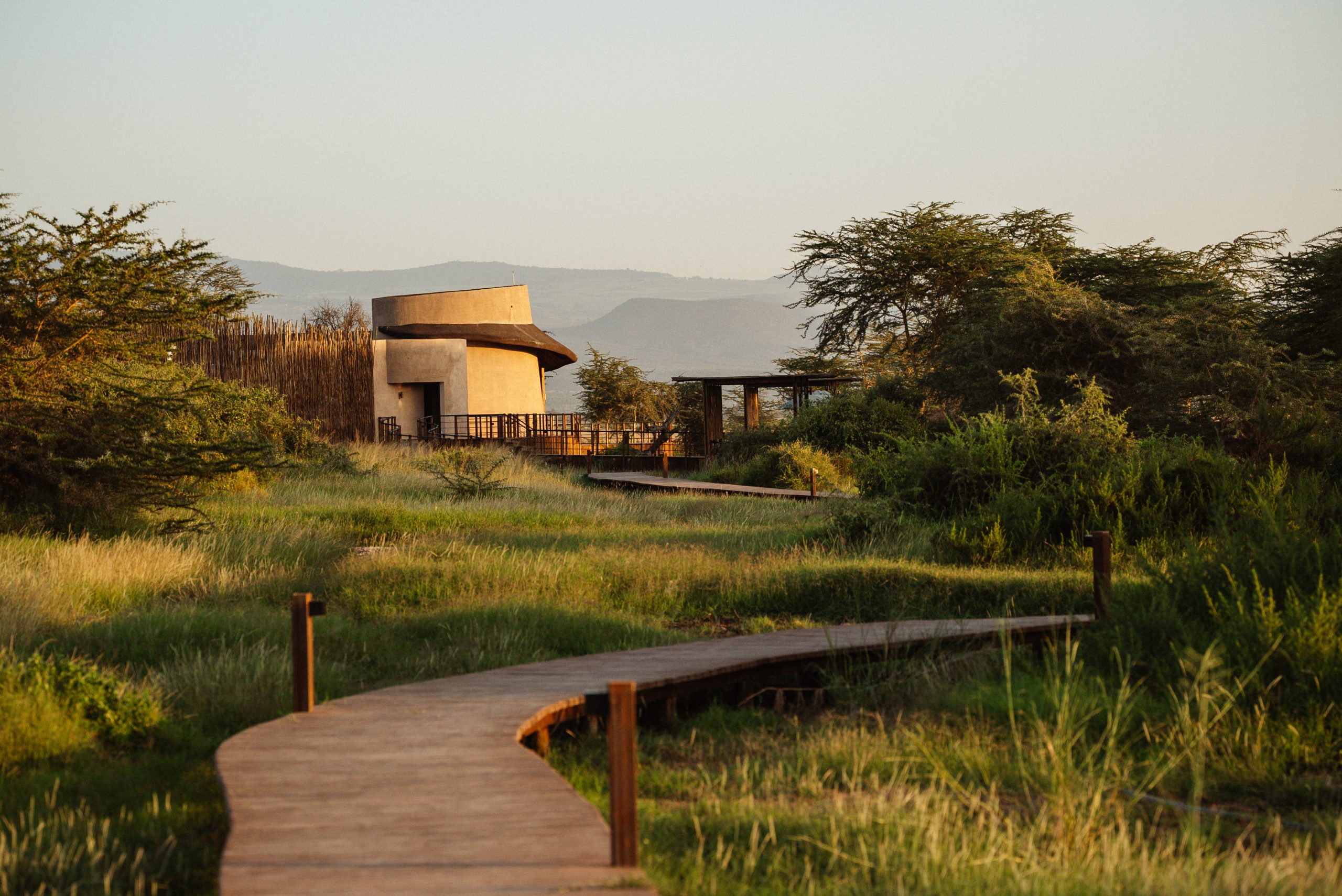
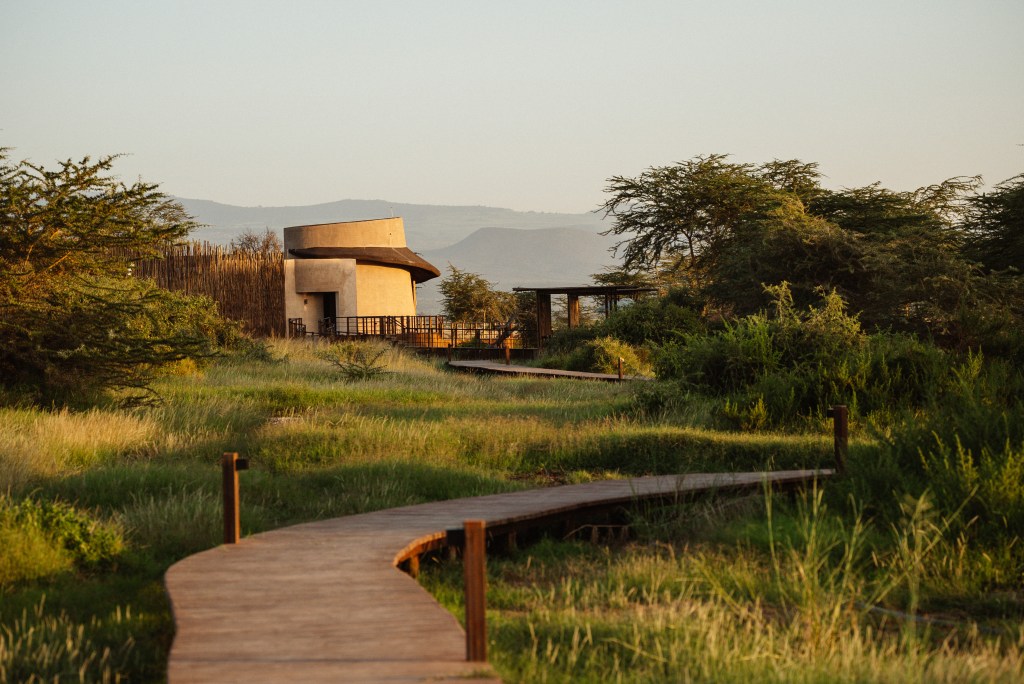
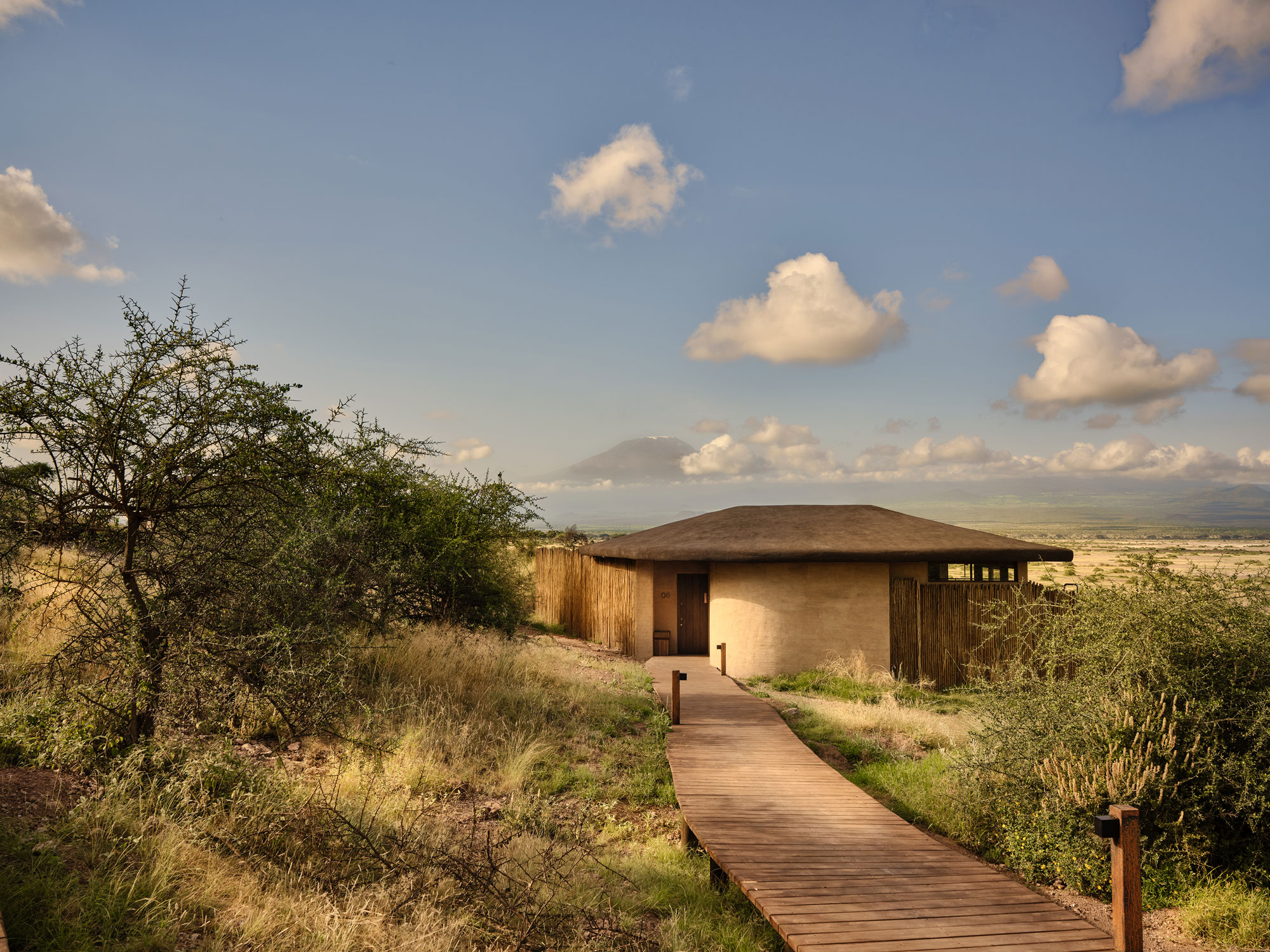
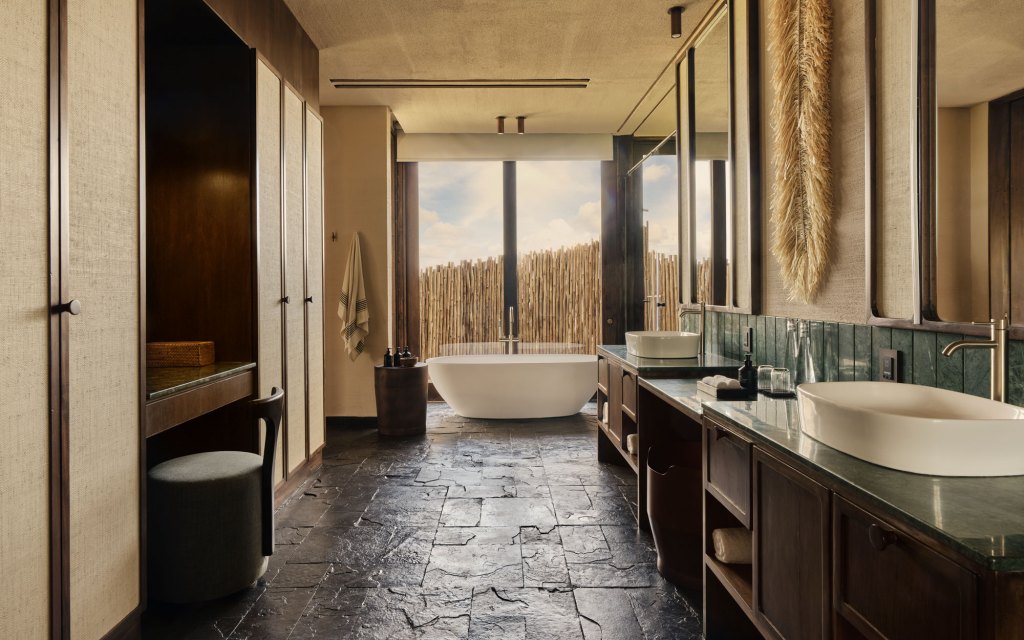
Officially opened for bookings in June 2026, Kitirua Plains Lodge features 11 spacious guest suites alongside two multi-bedroom units designed specifically for families or small travel groups. Guests approach their accommodations via gently curving pathways made of cypress wood accented with oxidized bollards, leading to completely private, low-slung freestanding villas. Each suite is strategically positioned along the natural slope of the land to maximize unobstructed views of Mount Kilimanjaro. Interiors boast both indoor and fully private outdoor showers, deep soaking bathtubs positioned beside panoramic windows, expansive bedrooms, and comfortable sitting rooms featuring floor-to-ceiling screens that open directly onto private verandas.
These verandas serve as ideal vantage points for observing local wildlife as animals congregate at nearby watering holes throughout the day. Visitors frequently spot giraffes, zebras, wildebeests, and large herds of elephants, alongside an abundance of birdlife. Staff members also recount fond encounters with local wildlife, including a resident hippopotamus affectionately nicknamed "Hank the Tank."
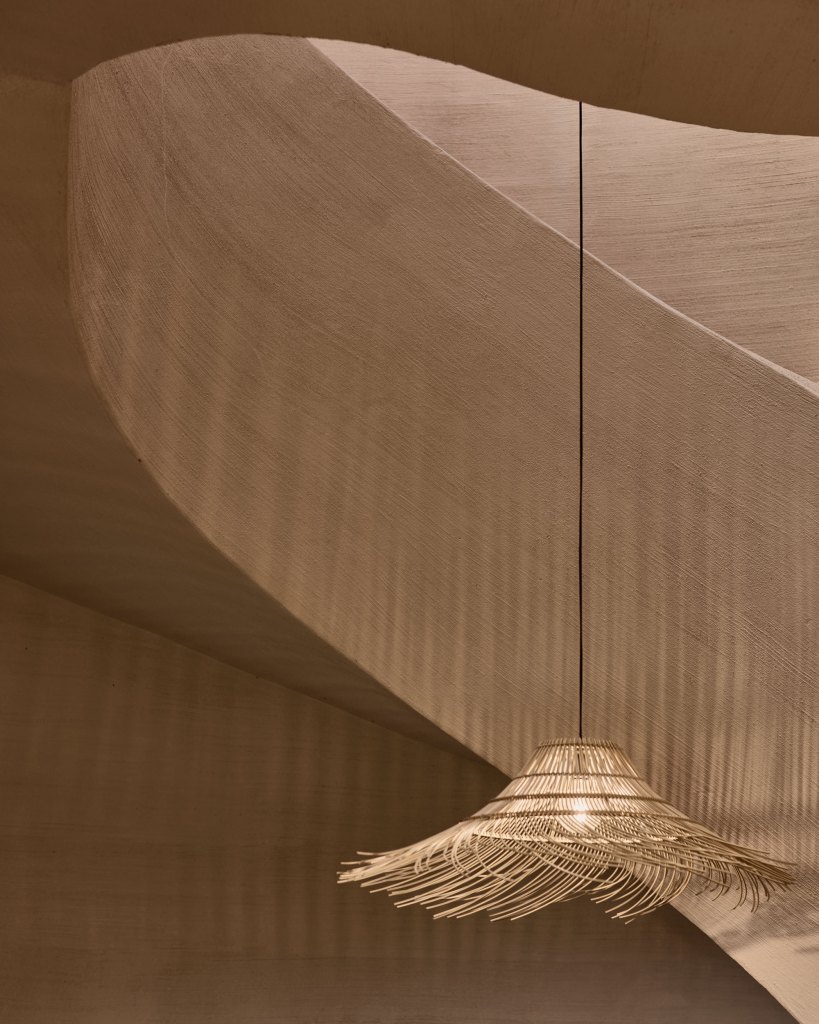
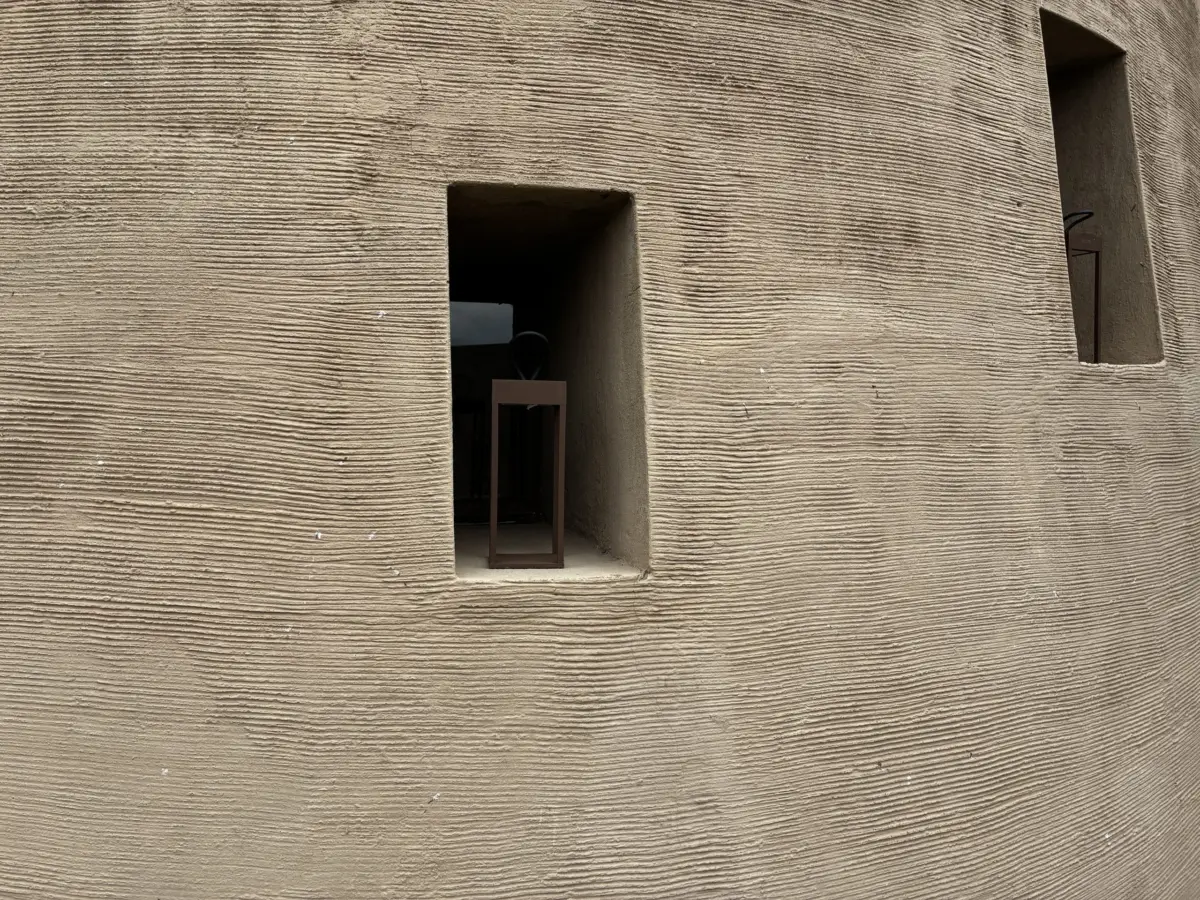
The dedication to natural, locally sourced elements extends deep into both the private guest quarters and the expansive communal areas. Washrooms feature locally quarried Verde marble tiles, while Mazeras stone floors evoke the ash-colored dust of the plains and the dark expanse of the African night sky, where guests are treated to unobstructed views of the Milky Way and falling shooting stars. Sisal ceilings introduce a layer of organic warmth, and roughly 90 percent of the African teak and mango wood furnishings are manufactured entirely within Kenya. Even the textured plaster walls incorporate actual soil harvested directly from the site, creating a subtle camouflage effect that merges the architecture with the surrounding earth.
These architectural and design choices reflect the enduring influence of the semi-nomadic Maasai people who have inhabited the region for centuries. "Guided by Maasai principles on living alongside nature, the design respects the land as something to exist within rather than dominate," McGregor notes. "The result is an interior that feels connected to where it is, rather than something that could have been placed anywhere."

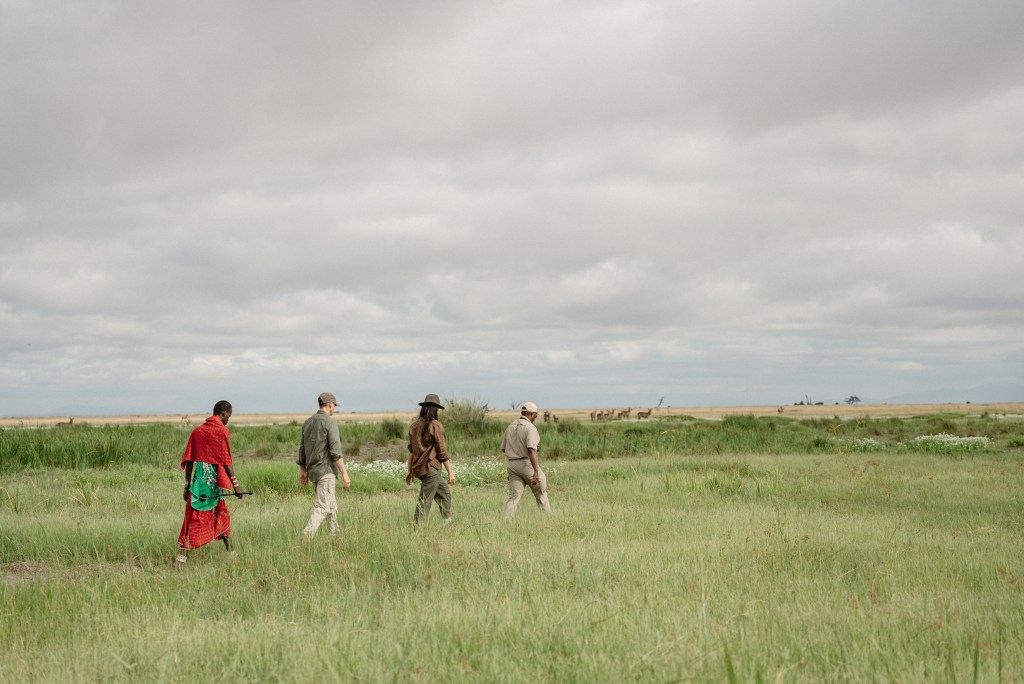
The lodge maintains a deep, collaborative partnership with its Maasai neighbors, leasing the land from the community to foster a mutually beneficial relationship. Several members of the local Maasai community are employed directly at the lodge, including naturalist guides like David Kilelo, who hosts evening fireside conversations and educational walking safaris. Furthermore, guests have the opportunity to engage in broader community development through A&K Philanthropy, the nonprofit arm of Abercrombie & Kent dedicated to community-first conservation. Initiatives supported by the network include the construction of new local schools and the implementation of clean drinking water programs, such as the LifeStraw Water Filter initiative for students. Visitors can also explore nearby artisan markets featuring handcrafted beaded jewelry, painted vessels, and carved wood pieces created by the women of the tribe.
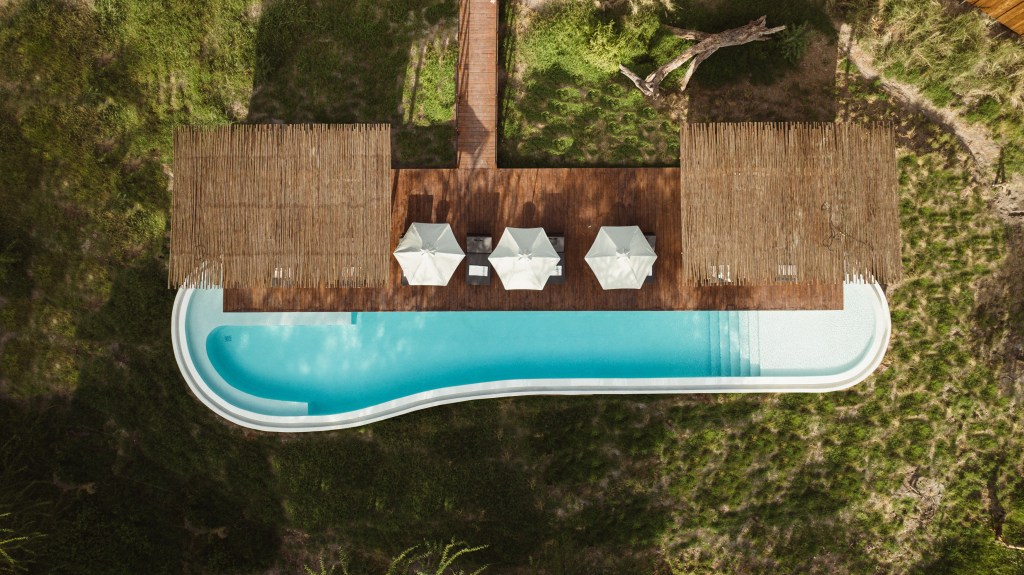
At the heart of the property, communal spaces such as the dining rooms, open-air patios, and salt-water infinity lap pool are designed to frame the majestic landscape while offering the comfort of a sophisticated outdoor living room. Guests gather around sunset fires—known locally as bomas—to share stories and utilize complimentary Leica binoculars and scopes provided on the observation decks to scan the horizon for wildlife, including playful vervet monkeys inhabiting the nearby acacia canopy following morning game drives.
The integration of local artistry was not an afterthought, but a core driver of the construction process. Luxury Frontiers collaborated extensively with regional makers and craftspeople. "Sourcing was not a process that followed design at Kitirua; it became one of the tools through which the design was made," McGregor explains. "We spent time in Kenyan markets, artisan workshops, and manufacturing studios, understanding what was being produced, how materials were worked, and where there was an opportunity to create something specific to the site."
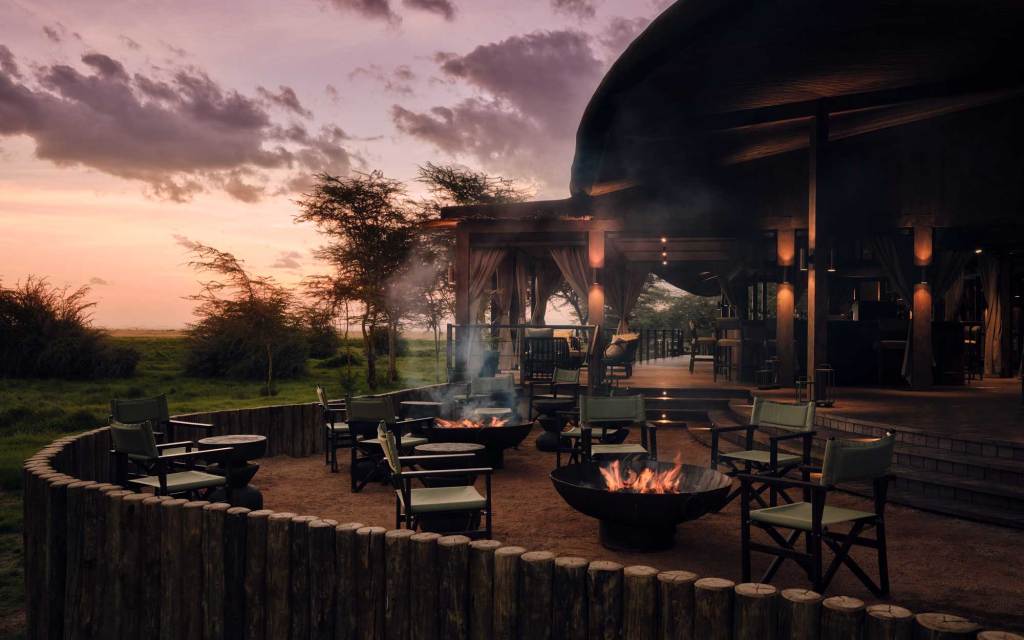
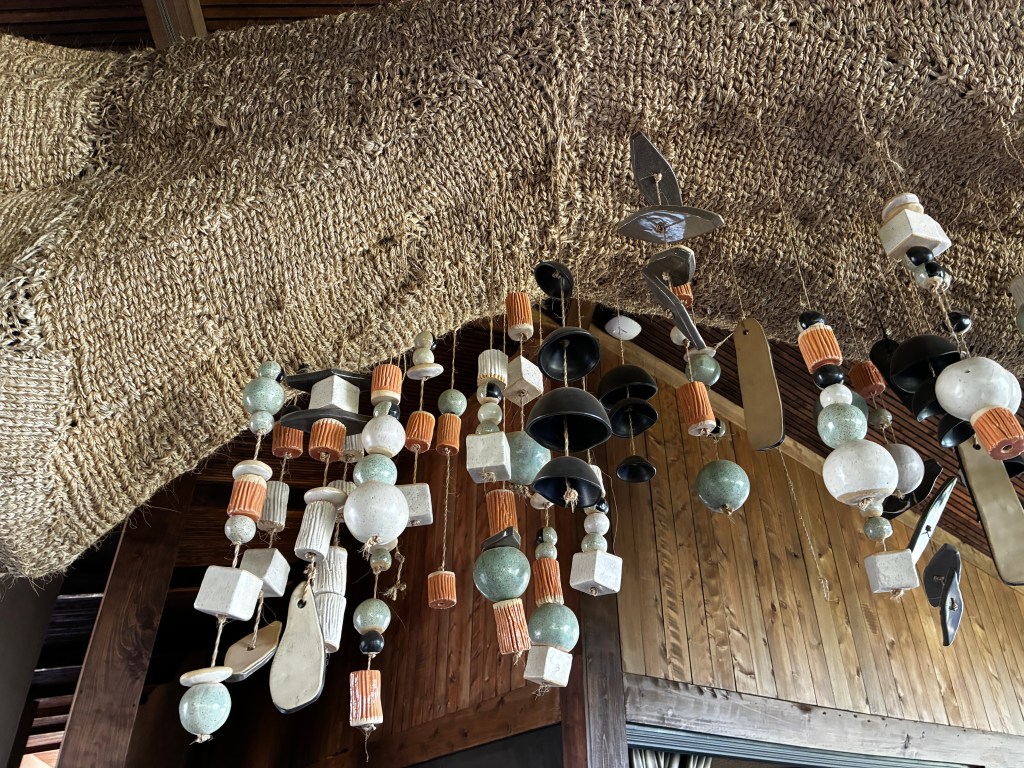
Collaborating studios include Lucidity, which produced custom grass-woven tactile artworks, and Ceramiqa, which crafted a striking lobby installation made from hand-shaped natural clay beads sourced from the Mount Kenya foothills. Additional partners include Afrika Yetu, a Nairobi-based social enterprise that engaged women artisans to craft signature woven ceilings and welcome accessories; Tira Studio for bespoke furnishings; Kitengela for custom glasswork; and Rusty Fundi for textured steel elements like the fireplace hoods and boma firepits, which have been left to weather naturally over time. When specialized manufacturing fell outside Kenya, the team looked exclusively within East Africa to maintain short supply chains and authentic regional character.
Environmental stewardship at Kitirua Plains Lodge extends well beyond sustainable material sourcing. The entire property operates on photovoltaic solar power, and building orientations were meticulously planned to optimize natural cross-ventilation and daylighting. Reflecting the core conservation values of its Maasai neighbors, the lodge employs comprehensive resource management systems, including rainwater harvesting, greywater recycling, and on-site wastewater treatment, ensuring a minimal ecological footprint on the fragile savannah ecosystem.