





The autumn 2026 beauty landscape is witnessing the high-profile return of one of hair styling’s most enduring classics: the French braid. Across red-carpet premieres, television screens, and digital style feeds, tastemakers and high-profile celebrities have firmly established the traditional woven hairstyle as a defining look for the season.
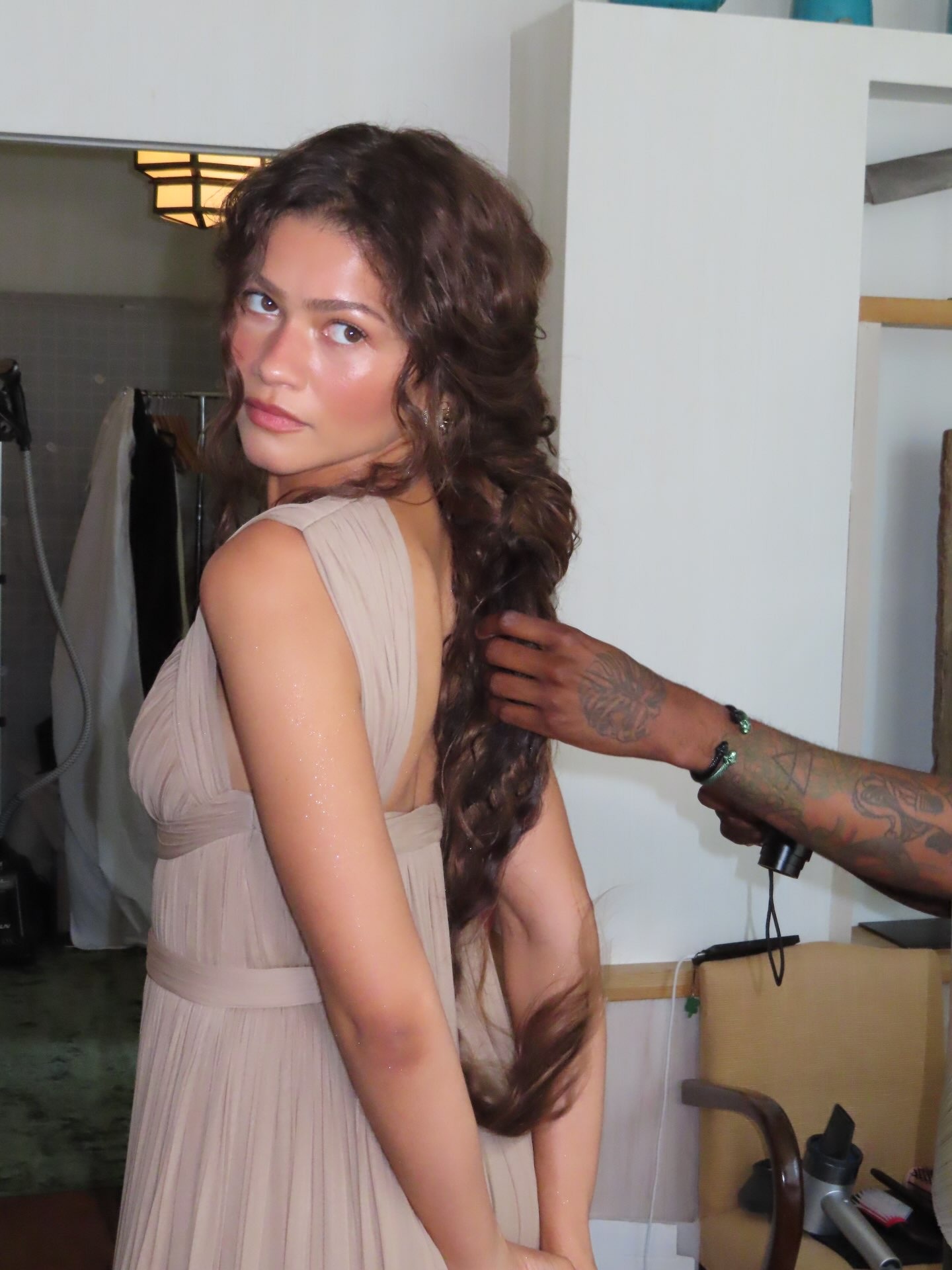
The revival has been punctuated by several notable appearances from prominent cultural figures. Zendaya captured widespread attention with an ethereal, Athena-coded fishtail braid at the premiere of The Odyssey. Shortly after, actor Ella Rubin debuted a striking French braid for her role in Sterling Point, while supermodel and style icon Gigi Hadid was similarly spotted wearing the classic hairstyle. Together, these moments have propelled the traditional plait back into the mainstream fashion conversation, proving that heritage hair techniques hold immense enduring appeal in contemporary styling.
Despite its ubiquitous European-sounding moniker, the history of the French braid extends far beyond France. Anthropological and historical records indicate that the earliest depictions of complex hair braiding have deep roots in North Africa. Ancient stone paintings and artifacts document braiding techniques dating back thousands of years. Historically, these intricate styles served as visual markers within communities, used to signify age, personal identity, social rank, and marital status. While various iterations of woven hair have existed across global cultures for millennia, the specific configuration recognized today as the "French braid" gained widespread popularity within Western media and fashion publications during the 19th century.
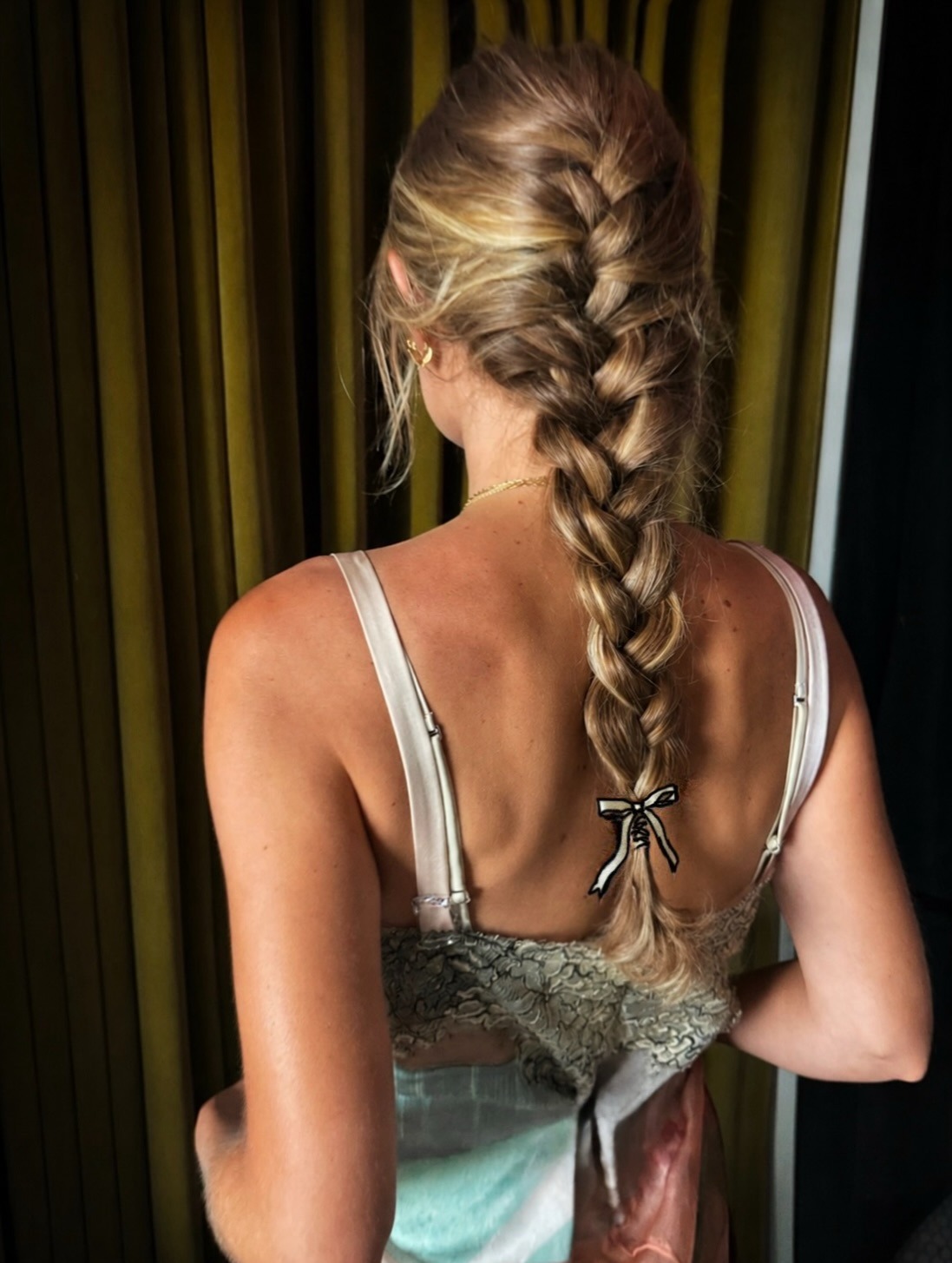
Structurally, the classic French braid is a three-stranded hairstyle that begins at the crown of the head and weaves downward. It is characterized by sitting closely against the scalp as small sections of hair are gradually incorporated into each strand with every crossover. This differentiates it from its close counterpart, the Dutch braid. While a French braid involves crossing the outer sections over the middle section in an alternating left-to-right pattern, a Dutch braid requires the sections to be crossed under the middle section. The underhand technique of the Dutch braid results in a more voluminous appearance that projects outward from the head, whereas the traditional French braid remains sleek and flat against the scalp.
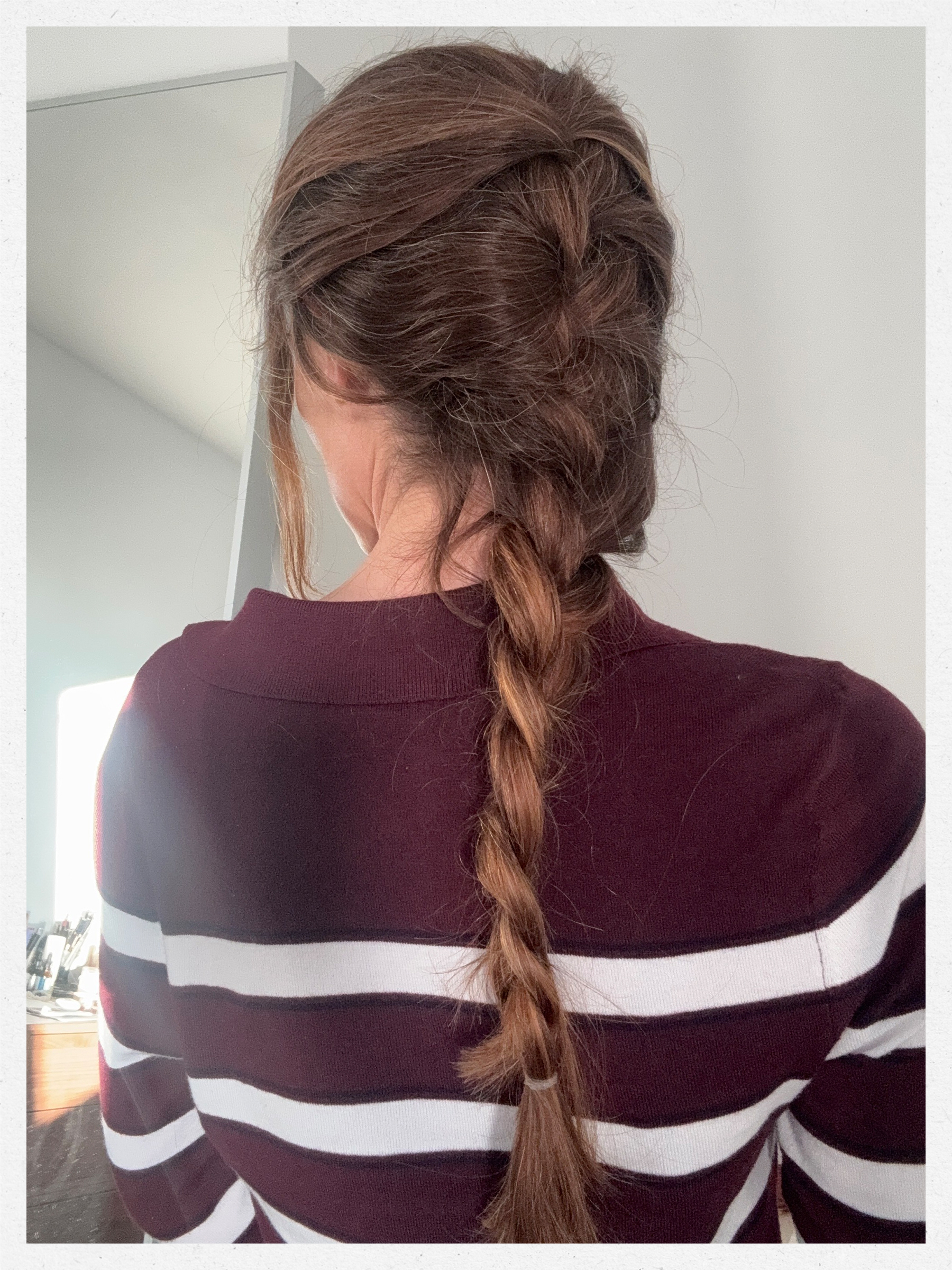
While the technique can initially appear intricate to those unaccustomed to self-styling, industry experts and beauty professionals note that replicating the look is surprisingly straightforward with a modest amount of practice. Because the method builds directly upon the mechanics of a standard three-strand plait—with the simple addition of gathering new hair into each section as the hands move down the head—it remains accessible even to novices.
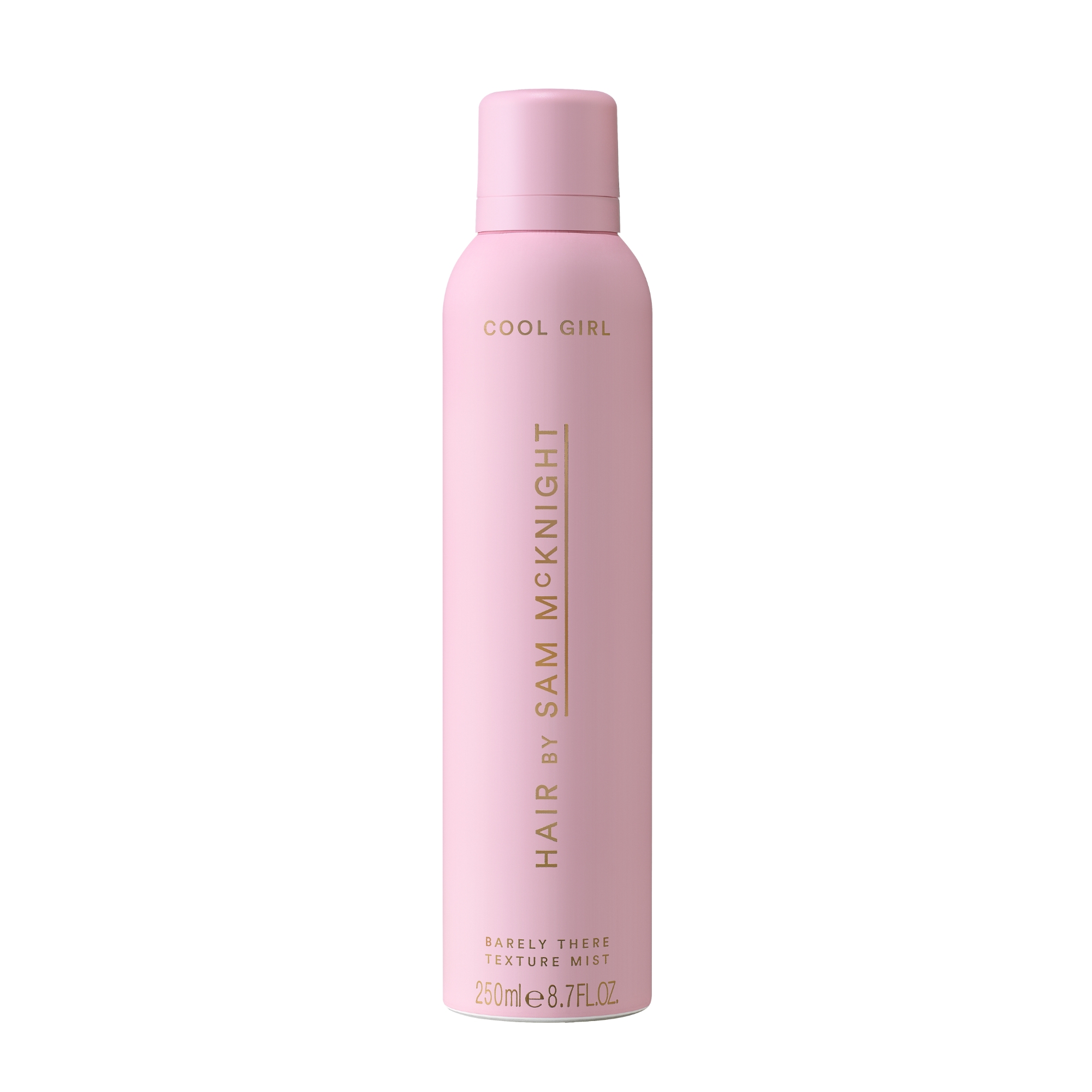
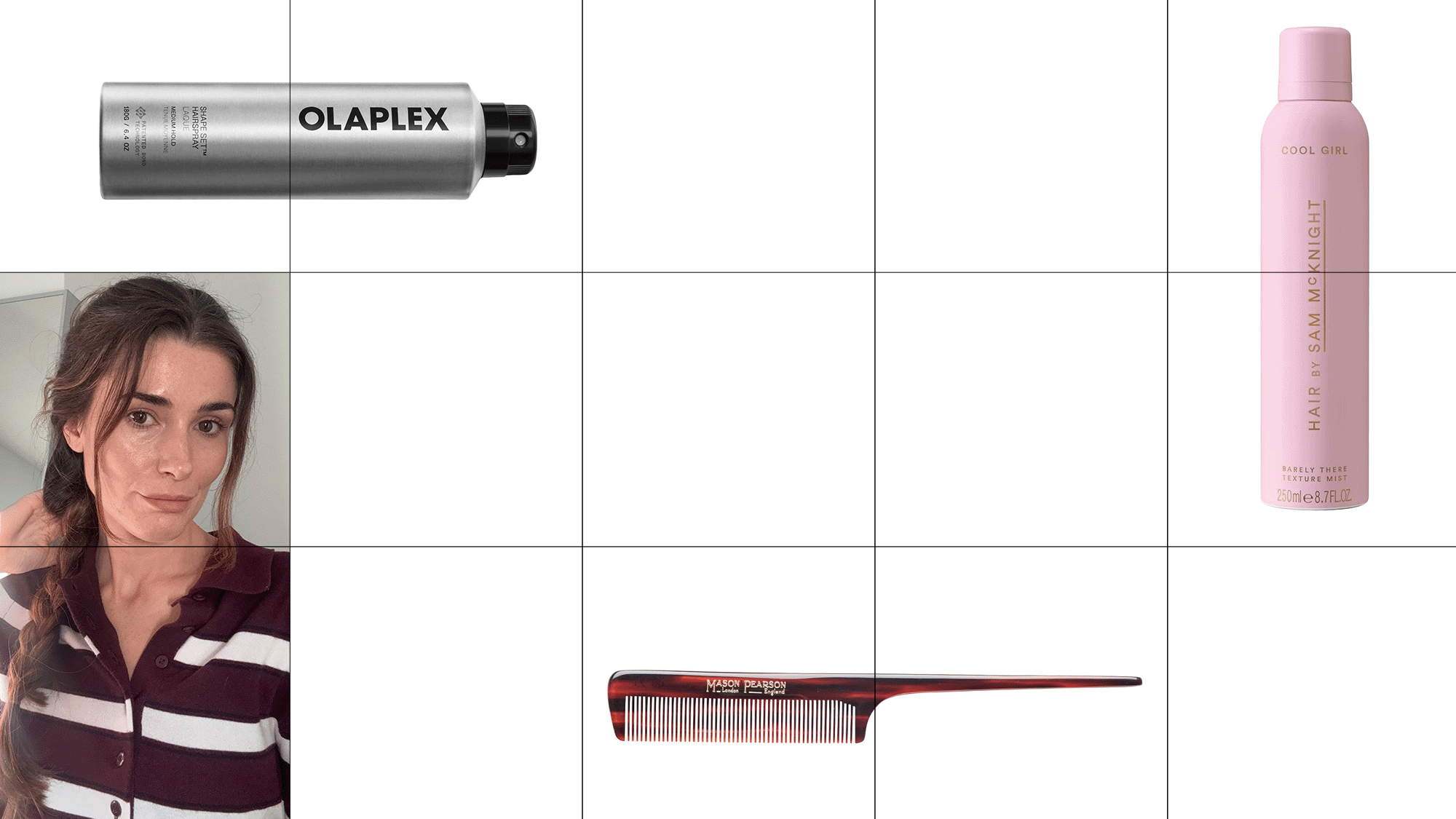
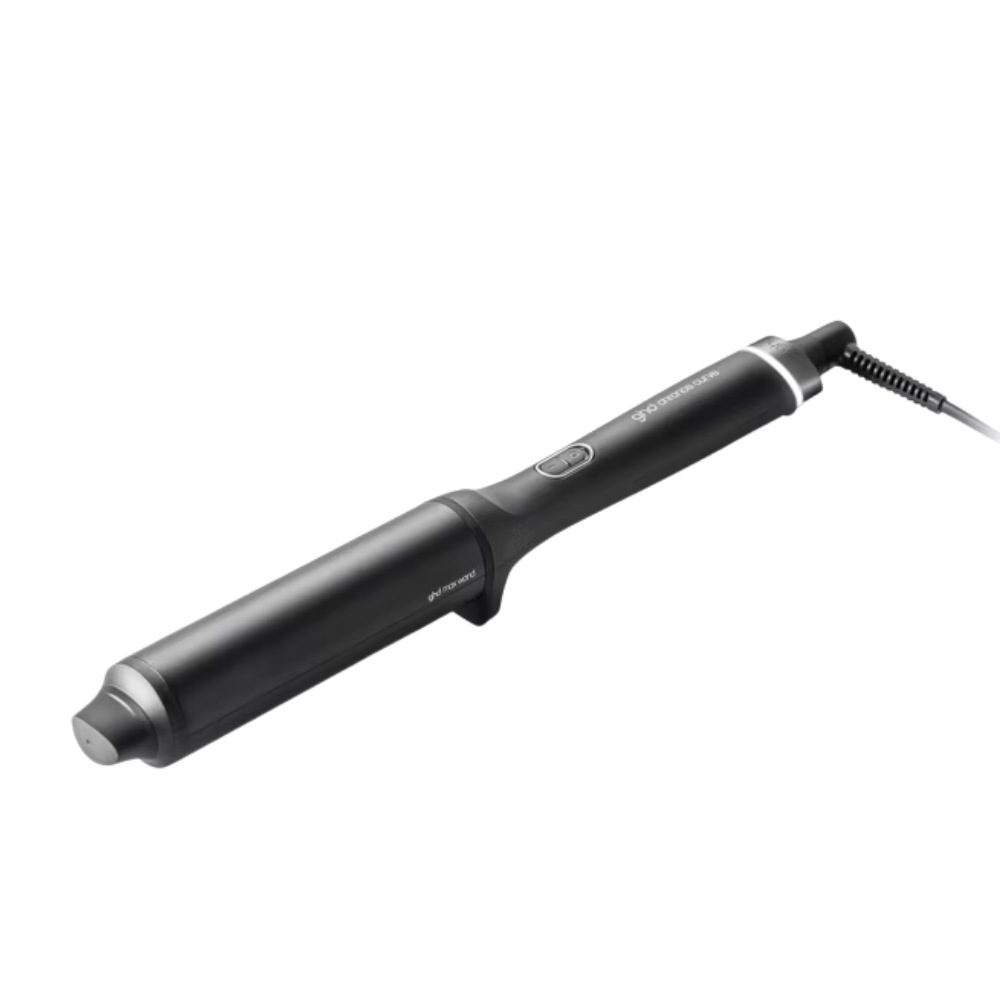
Achieving a polished result often begins with proper hair preparation. Professional stylists frequently recommend executing a French braid on second-day hair, particularly for individuals with fine, straight, or naturally slippery hair. Skipping a fresh shampoo allows natural oils to provide the hair with additional friction and grip, which helps keep the woven sections secure. For those working with freshly washed hair, introducing a mist of texturising spray can create the necessary hold. Individuals with straight hair textures may also opt to use a curling wand beforehand to build natural volume, texture, and grip, ensuring the finished braid holds its shape throughout the day. Conversely, those with naturally curly or wavy hair often find their texture provides sufficient natural hold, allowing them to bypass additional styling products entirely.
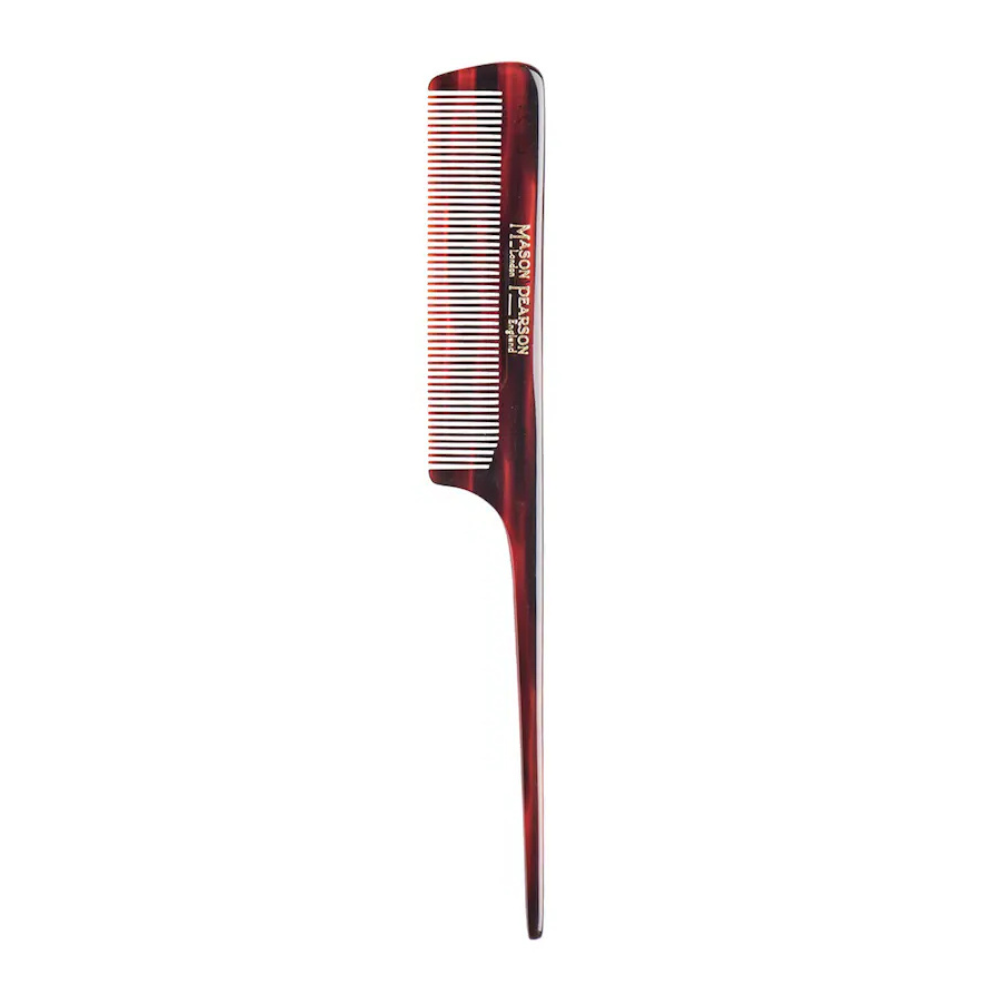
The foundational process begins by thoroughly brushing through the hair to eliminate any knots or tangles. Styling typically commences by sectioning off a triangle-shaped portion of hair at the crown, which is then divided into three equal-sized strands. The plaiting action starts by crossing the left section over the middle, followed by the right section over the new middle strand, establishing the initial foundation of the braid.
As the styling continues downward, the core technique requires progressively gathering small, new sections of loose hair from the sides of the head and integrating them into the main strands before each crossover. This sequential addition is maintained consistently until the hands reach the nape of the neck, at which point all loose hair has typically been incorporated into the three main sections. From that point, the remaining length of the hair is braided to the ends in the manner of a standard, traditional plait, and secured securely with a hair tie.
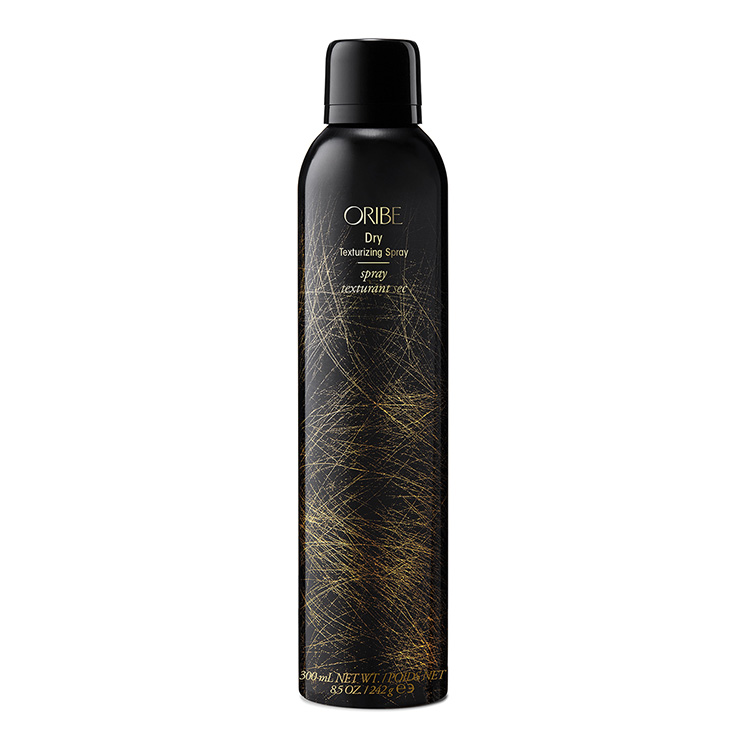
To adapt the classic look for contemporary preferences, many stylists incorporate modern finishing touches. Loosening face-framing layers and small tendrils around the hairline can soften the overall aesthetic, lending the French braid an effortless, undone feel. Gently pulling at the edges of the completed braid can also add volume and a slightly relaxed appearance, moving away from overly rigid perfection. Final touches often include a light mist of flexible hairspray to lock the style in place, while optional products such as a nourishing hair serum or oil can be applied to the ends for added shine. Alternatively, a texturising spray can be misted through the lengths for a messier finish, or a specialized curl cream can be used to define any loose waves or tendrils left framing the face.

Ultimately, the resurgence of the French braid highlights a broader shift toward timeless, accessible hairstyling that bridges historical heritage with modern celebrity influence. While mastering the rhythmic addition of hair requires initial patience and dexterity, the technique offers a versatile and enduring option for everyday wear as the autumn season progresses.