





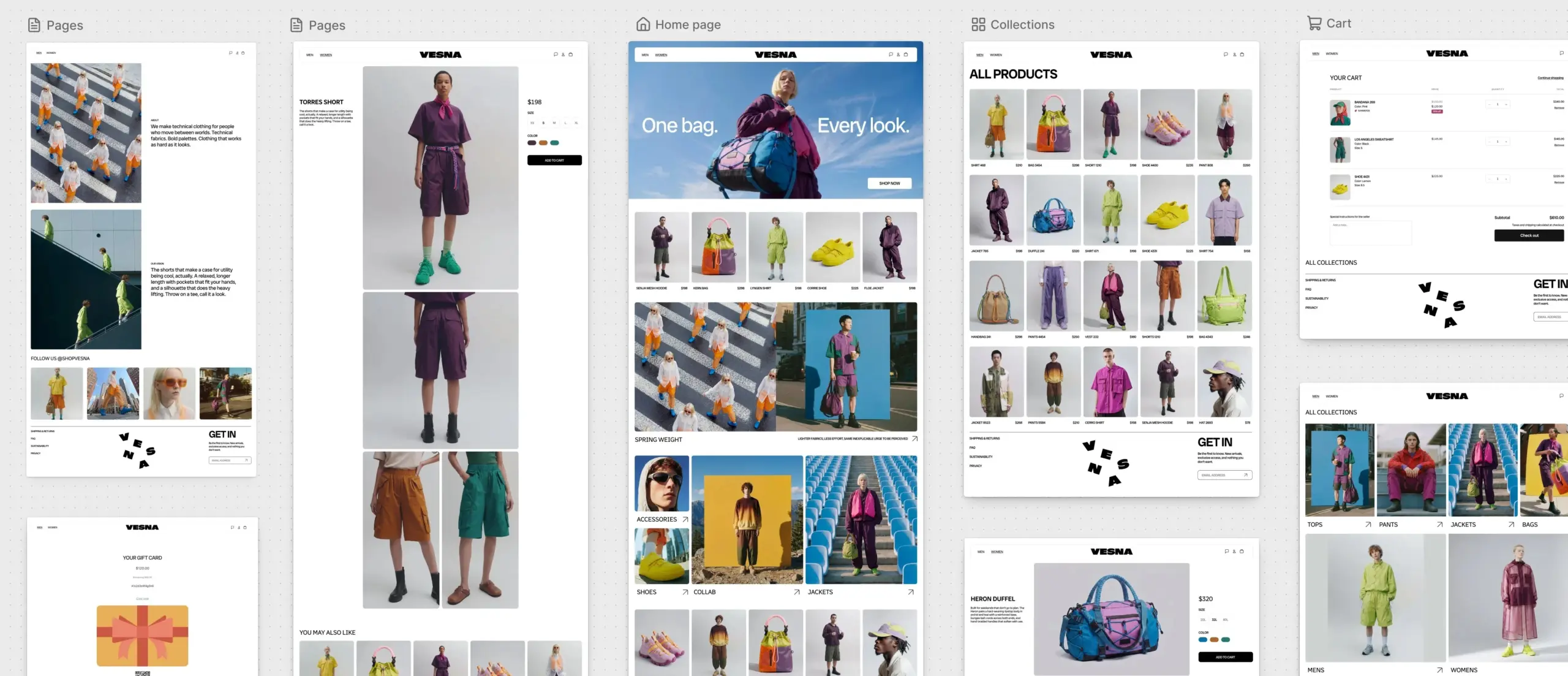
Shopify has taken a significant step forward in the evolution of e-commerce web design by introducing a brand-new site-building tool called Canvas. Unveiled on Thursday, the innovative platform allows merchants to set up and customize their online Shopify stores simply by having a conversation with artificial intelligence. While Shopify has long offered a robust and capable no-code website builder, previous iterations typically required users to select a pre-designed theme and manually rearrange modular sections and blocks. For merchants who wanted deeper customizations, complex layout changes, or unique visual features, the path forward usually meant diving into underlying code or hiring a specialized developer.
With the arrival of Canvas, that dynamic shifts dramatically. Merchants can now interact directly with Shopify’s built-in AI agent, Sidekick, guiding the creation and refinement of their digital storefronts through natural language. As the AI processes instructions and implements changes, Canvas displays the results in real time. This immediate visual feedback allows store owners to observe how their online presence comes together as a cohesive whole or zoom in to fine-tune specific details, ensuring total creative control without the traditional friction of manual web development.
According to Shopify, this interface does not rely on a static preview image. Instead, it renders the actual underlying code behind the store in real time. This technical distinction means merchants can immediately test the page’s full interactivity, evaluate animations, and examine how layouts adapt across different screen sizes, from mobile devices to desktop monitors. Furthermore, Sidekick is equipped to take screenshots of the workspace as modifications are made, giving the AI visual context so it sees the exact same things the merchant sees as the site continuously updates.
The launch of Canvas arrives as part of a broader, industry-wide shift toward a future where building a complex website no longer demands direct coding proficiency. It joins a growing wave of AI-powered site-building solutions introduced by major industry players like Wix, Squarespace, Webflow, and Framer, alongside modern vibe-coding platforms such as Lovable and Replit. As these technologies mature, they are rapidly redefining what it takes for a non-technical entrepreneur to bring a professional digital product or storefront to life on the internet.
Despite the heavy emphasis on conversational creation, Canvas does not lock users into a purely textual workflow. Merchants still retain the flexibility to click on individual elements on the screen to make direct modifications if they prefer a hands-on approach. However, the core premise of the tool is designed around efficiency, anticipating that most users will simply tell Sidekick what they want to achieve through intuitive chat prompts.
Sidekick itself is not an entirely new addition to the Shopify ecosystem. The AI agent has already been utilized by merchants to write code, build custom applications, tweak theme settings, and execute various store management tasks. Until now, however, those capabilities had not been unified into a comprehensive, end-to-end site-building product. Canvas changes that by providing an immersive canvas where users can view their entire store at once, pan and zoom across the layout, and execute live updates directly within the site’s actual files.
To make this seamless workflow possible, Shopify engineers equipped Sidekick with the specialized ability to work directly with underlying theme files. They also simplified the broader theme architecture so that the store’s structural logic, design parameters, and overall architecture would be much easier for Sidekick to interpret, navigate, and modify autonomously.
Because the product is still in its early stages of deployment, there are naturally areas where Canvas will need to expand and improve over time. Certain advanced features and integrations are notably absent from the initial launch lineup. For instance, third-party theme support, app blocks and extensions, multiple markets, translations, gradual rollouts, and routine theme updates are not yet supported by the tool. Additionally, Canvas is currently restricted to desktop computers. However, company representatives have indicated to TechCrunch that these limitations are temporary, with plans to introduce broader support and functionality as the product matures beyond its initial release phase.
Looking ahead, as Canvas grows more robust and feature-complete, it holds the potential to make online entrepreneurship significantly more accessible. By lowering the technical barriers to entry, the tool could open doors for aspiring business owners who lack the financial resources to hire professional developers and designers, or who simply do not have the available time to learn how to code from scratch.