




The University of Groningen (RUG) in the Netherlands is pressing forward with a high-profile international research collaboration focused on the Dead Sea Scrolls, choosing to maintain its partnership with Israeli institutions despite mounting external protests and a formal appeal from nearly two decades’ worth of its own faculty members.
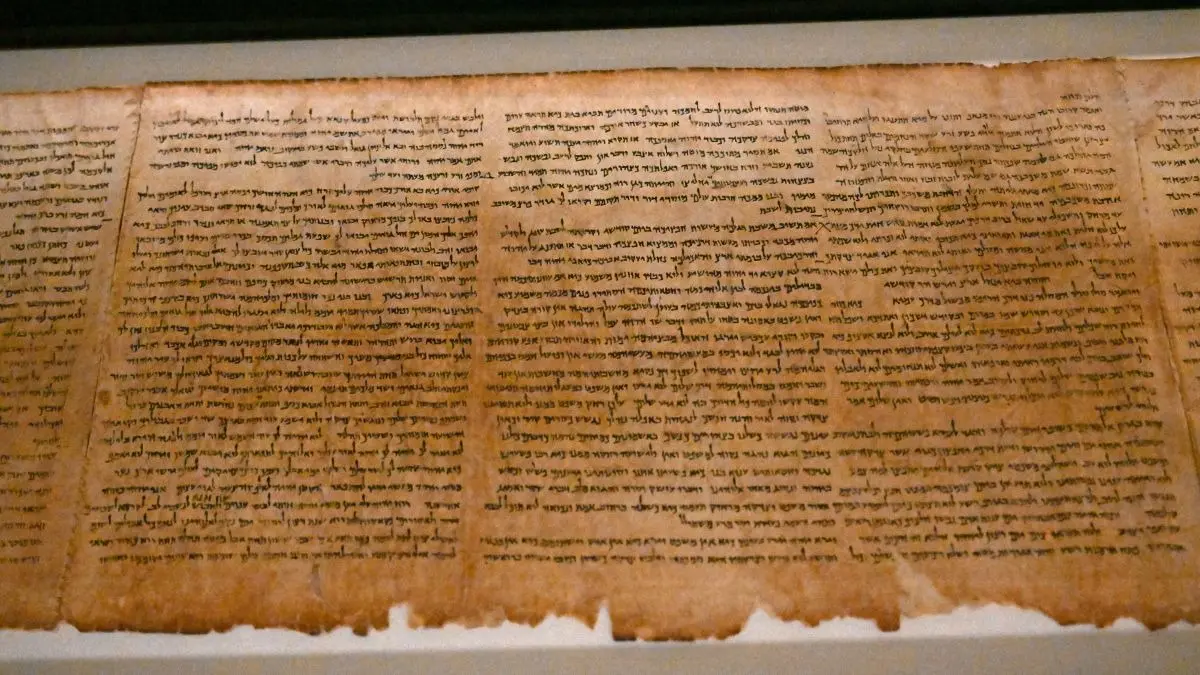
The controversy centers on a major scientific initiative funded by the European Research Council, which awarded RUG professor Mladen Popović a €2.5 million grant in June for a comprehensive five-year study into the origins of the ancient manuscripts. The project aims to utilize advanced chemical analysis and artificial intelligence technologies to meticulously examine tiny samples of parchment, papyrus, and ink. By analyzing these physical components, the research team hopes to uncover vital clues regarding where and how the manuscripts were manufactured.
However, the academic endeavor has become deeply entangled in geopolitical tensions. The research is being conducted in direct partnership with the Israel Antiquities Authority (IAA), the official state body that maintains physical custody of the vast majority of the collection.
The Dead Sea Scrolls are widely regarded by historians and archaeologists as one of the most monumental archaeological discoveries of the twentieth century. Consisting of a vast collection of ancient Jewish manuscripts—many of them biblical texts written in Hebrew, Aramaic, and Greek—the documents were uncovered between 1947 and 1956 across various archaeological sites in the West Bank, most notably within the caves surrounding Qumran.
The geopolitical status of these artifacts shifted dramatically following the 1967 Six-Day War, when Israel occupied the West Bank and East Jerusalem. During this period, the manuscripts were transferred from the Palestine Archaeological Museum, also known as the Rockefeller Museum, in East Jerusalem to the newly established Israel Museum in West Jerusalem. Critics and Palestinian advocates have long argued that this transfer and the subsequent management of the collection have effectively cut off Palestinian access and oversight regarding their own cultural heritage, casting a long shadow over any modern scholarly work involving the texts.
Origins Study Sparks Campus and Regional Backlash
The partnership with the IAA quickly drew public opposition. In August, local activist and protest groups penned an open letter addressed to the University of Groningen’s executive board, demanding an immediate halt to the research project. The signatories argued that collaborating with a state body like the IAA serves to legitimize the ongoing Israeli occupation of Palestinian territories and normalizes institutional ties amid widespread violence and humanitarian crises throughout the region.
At the time, the university’s executive board acknowledged the gravity of the situation, describing the humanitarian conditions in the Middle East as "heartbreaking." Nevertheless, the board responded in late August by affirming that the research would continue as planned, maintaining that the geopolitical events of the region were separate from the academic merits of the scholarly investigation.
This initial institutional stance, however, failed to quell the discontent within the university’s own academic ranks. In October, the controversy escalated significantly when 18 professors from the university formally petitioned the executive board to reconsider its position and freeze the collaboration.
Marcel Brus, an emeritus professor of international public law at the University of Groningen and one of the prominent signatories of the appeal, voiced deep ethical concerns regarding the institutional partnership. "By working together, the RUG gives the Israeli institution recognition, legitimacy, and prestige," Brus stated, framing the academic cooperation as an issue of complicity in the face of ongoing injustice. Echoing a broader moral argument among the dissenting faculty, Brus added, "Anyone who remains neutral in a situation of injustice has sided with the oppressor."
Beyond the immediate ethical debate surrounding the partnership with the IAA, critics have also pointed to broader legislative developments in Israel that threaten to alter the legal and administrative landscape of the region. Of particular concern is a proposed Israeli law that seeks to bring archaeological management and oversight in the West Bank and Gaza directly under Israeli jurisdiction. Human rights advocates and legal scholars have warned that such legislative measures could be utilized to further consolidate control and help Israel lay formal claims to disputed territories under the guise of archaeological preservation.
University Defends Scientific Independence and Necessity
Faced with sustained internal pressure and public scrutiny, the executive board of the University of Groningen issued a detailed explanatory statement on November 11 to clarify its definitive stance on the matter.
The board emphasized that the research project possesses a strictly defined and legitimate scientific objective. According to the university, successfully completing an investigation of this scale into the origins and material composition of the Dead Sea Scrolls requires direct, unimpeded access to the ancient manuscripts—access that can only be granted and facilitated by the IAA, which holds custody of the primary source material.
In its statement, the university sought to draw a sharp distinction between academic cooperation and political alignment. The board asserted that the collaborative scientific venture "does not constitute endorsement of government policy" and maintained that the rigorous academic study of ancient Jewish history and religious texts must be preserved independently of contemporary political conflicts and state actions.
Despite the clear division of opinion between the institution’s leadership and a vocal segment of its faculty, the University of Groningen has indicated no intention of altering its course, ensuring that the controversial project investigating the ancient past will move forward amidst the complex realities of the present.