






October 30, 2026 — Authorities and business owners across the Netherlands are bracing for potential civil unrest this weekend, fueled by circulating online calls on social media platforms that appear to be inspired by ongoing youth-led protests in neighboring European nations.
Reports emerging from Dutch media outlets indicate that encrypted messaging applications such as Telegram and Snapchat have become hubs for organizing unauthorized demonstrations and potential riots. Major urban centers, including The Hague, Maastricht, and Eindhoven, have been explicitly named in these online forums, prompting a swift response from local educators, law enforcement agencies, and commercial enterprises fearing property damage and looting.
The alarming digital chatter follows weeks of widespread demonstrations and violent unrest across France, Italy, and Spain. Those movements initially ignited over deep-seated grievances concerning education systems, economic pressures, and declining living standards among the younger demographic. While peaceful student mobilization was the intended start in those countries, many of the gatherings quickly degenerated into intense confrontations with police, widespread vandalism, and targeted looting of commercial establishments. Similar concerns have similarly crossed borders into Germany, where youth groups have utilized digital networks to organize parallel protests timed around the Halloween weekend, prompting law enforcement in cities like Frankfurt to signal a zero-tolerance approach to public disorder.
In the Netherlands, the digital mobilization has reached a level of specificity that has alarmed local authorities. According to investigative reporting by the Dutch daily AD, online groups have openly shared instructions and incitements targeting commercial hubs. Although no official applications for public protest permits have been submitted to municipal authorities—a mandatory legal step for organized demonstrations—police departments maintain standard protocols of monitoring online forums for potential threats. However, law enforcement representatives have declined to comment publicly on the specifics of the current intelligence, keeping their operational strategies close to the chest as the weekend approaches.
The gravity of the online threats has already forced civil institutions to take defensive measures. In Maastricht, the tone of the social media messages—which explicitly included calls to loot local shopping centers—was considered severe enough to prompt school administrators to issue direct warnings to parents. Local broadcaster L1 News reported that the regional Limburg police force fully backed the schools’ decision to communicate the potential risks, highlighting a collaborative approach between educational authorities and law enforcement to deter vulnerable teenagers from participating in illegal activities.
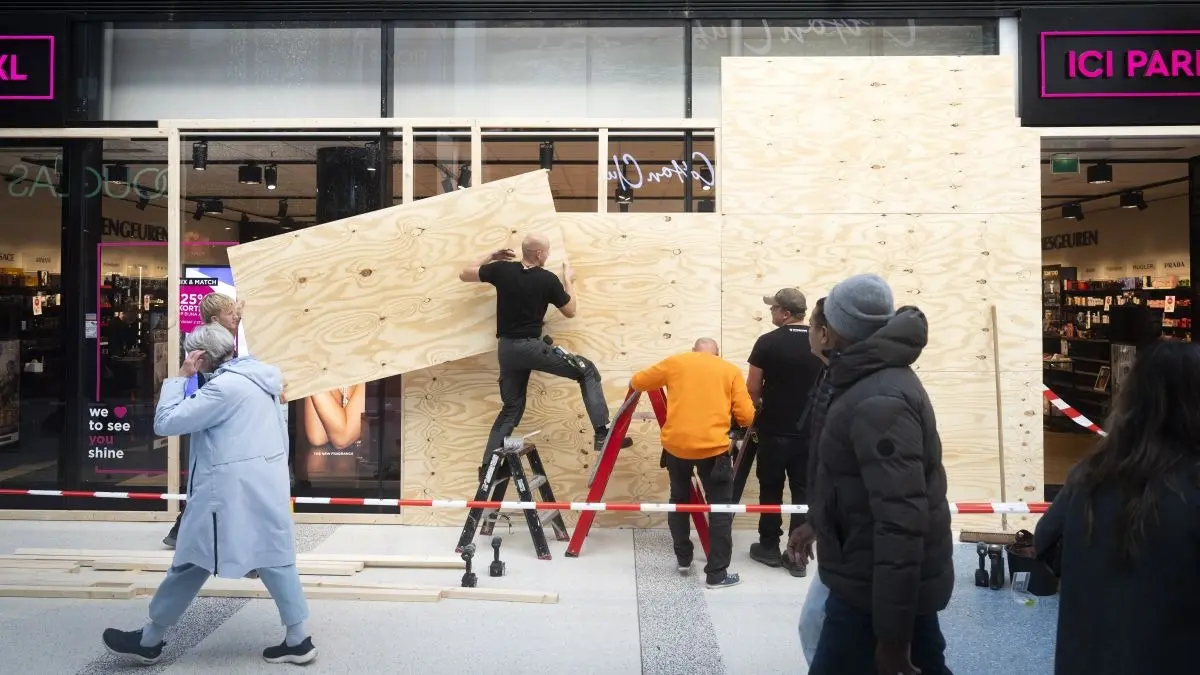
Nowhere is the palpable sense of anxiety more visible than in the political capital of The Hague. Business owners in the city center have begun taking matters into their own hands, boarding up their storefront windows with plywood as a precautionary measure against potential riots and looting sprees. According to local broadcaster Omroep West, specific messaging groups have circulated plans for youths to gather on the expansive Malieveld grounds before moving to target nearby commercial districts and shopping centers. The sight of retail workers securing glass facades recalls previous bouts of civil unrest, underscoring the high stakes for local merchants who are unwilling to leave their livelihoods unprotected.
As law enforcement agencies across the country remain on high alert, community leaders and officials continue to monitor the rapidly evolving digital landscape. The convergence of international protest movements and domestic online organizing has created a volatile atmosphere, leaving Dutch cities watching the weekend approach with cautious apprehension.