

By Iñaki Laguardia
October 14, 2026
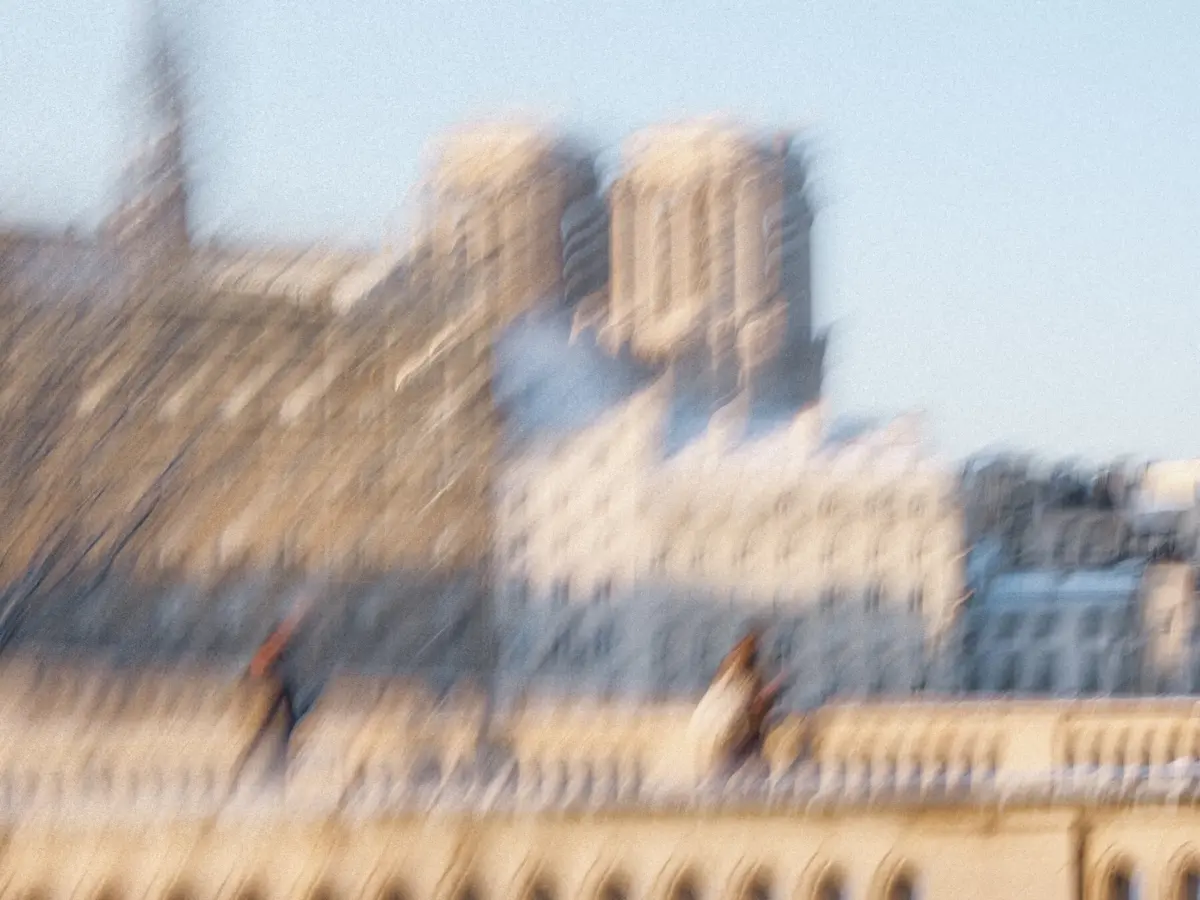
Does the Paris of the great Impressionist painters truly still exist, or has it been entirely swallowed by the relentless pace of modern life, glass towers, and digital distraction? French photographer and videographer Alix Urien believes the answer lies not in what we look at, but in how we look. Across her evocative series Circa 2020s, captured between the historic streets of Paris and the shifting coastlines of Normandy, Urien transforms ordinary, contemporary scenes into photographs and videos shaped by the soft light, vibrant colors, and fleeting sensations of nineteenth-century Impressionism.
Rather than attempting a literal, costumed recreation of famous masterpieces through a camera lens, Urien delves into the emotional threads connecting different generations. Her work suggests that while cities, architectures, and societal structures inevitably evolve, certain core human experiences—a quiet glance across a café, the sudden break of sunlight through a canopy of trees, the blur of a crowded boulevard—remain remarkably unchanged.
"Impressionism was an answer to a changing world," Urien explains, reflecting on the industrialization, urban transformation, and accelerating pace of life that accompanied the birth of the artistic movement in the 1800s. "They looked for the poetry in their everyday lives," she observes, noting how painters of that era found deep inspiration in nature, intimate social circles, and familiar surroundings.
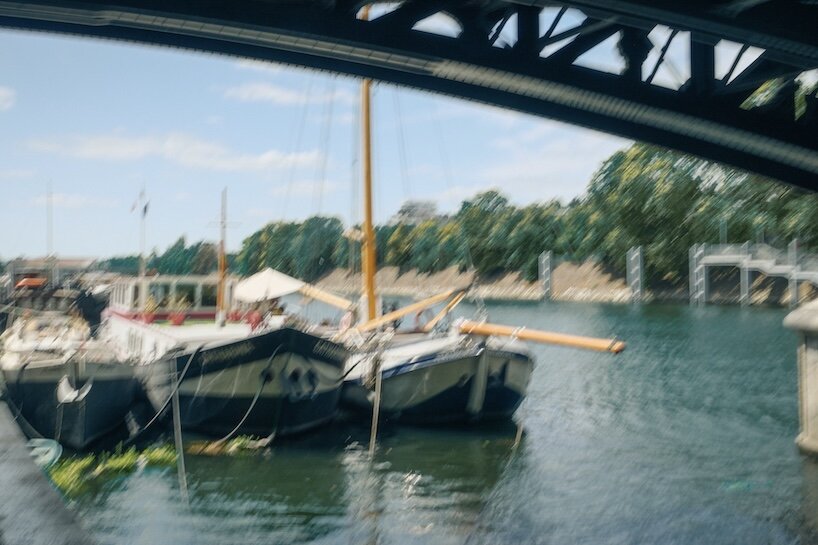
Now, exactly a century after the death of Claude Monet in 1926, the photographer sees striking, almost uncanny parallels between the nineteenth century and the modern day. In an era defined by overwhelming technological change, algorithmic noise, and an increasingly restless global society, the simple, intentional act of observing one’s immediate surroundings can feel surprisingly radical. Urien’s lens captures this radical stillness amidst the chaos of contemporary life.
Finding Impressionism in Contemporary Paris
To understand Urien’s artistic vision is to understand her unique relationship with the French capital. Paris has served as an ongoing, evolving subject for her exploration over the better part of a decade. After returning to the city from London in 2019, Urien began discovering her home country’s capital anew through a photographer’s eyes. Despite its sprawling size and extraordinary density of history, she found a city that could still occasionally feel like an intimate, slow-paced village.
Hidden museums, overlooked neighborhood corners, and independent art shops revealed themselves to her alongside the rapidly changing character of Paris’s diverse arrondissements. Over a span of seven years, she has continuously returned to familiar locations across different seasons and everyday encounters. In doing so, she has meticulously observed how the exact same physical setting can take on an entirely contrasting atmosphere from one moment to the next. For Urien, photography and video have become vital mediums for tracing these subtle, ephemeral transformations.
This deep fascination with the city’s multi-layered identity also forms the foundation of Paris is for the Dreamers, her forthcoming photography book project. Conceived somewhere between an artistic collection and a deeply personal guide to the capital, the book challenges rigid perceptions of what Paris is supposed to be.
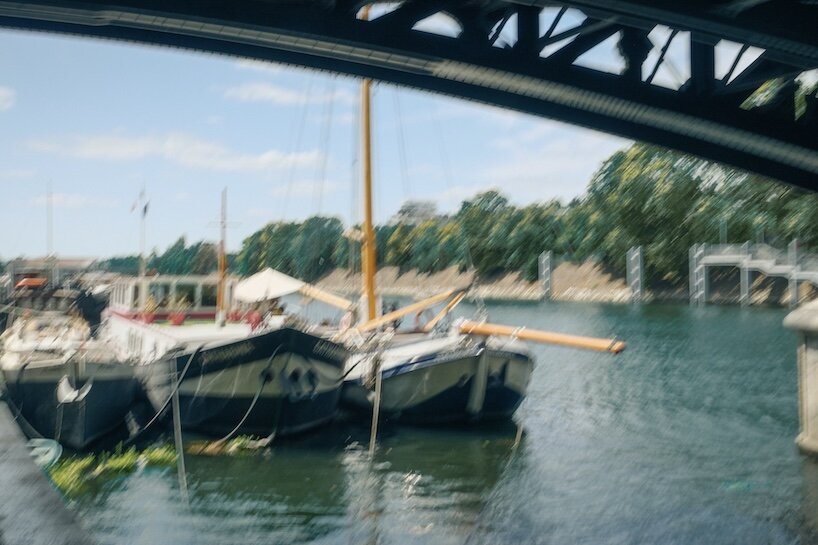
"We all have our own idea of a Paris shaped by paintings or movies," Urien reflects, emphasizing that the real, breathing city continues to evolve organically alongside its seasons, shifting stories, and everyday inhabitants. Her work deliberately avoids becoming an exercise in hollow nostalgia, nor does it attempt to preserve Paris like an artificial, open-air museum frozen in time. Instead, her imagery suggests that the atmospheric world of the Impressionists never truly disappeared; it simply requires a fundamentally different way of looking.
Painting with Movement, Light, and Color
The technical and artistic process behind Urien’s work begins firmly in reality—with an ordinary, unscripted moment unfolding naturally before her lens. From that initial baseline, she begins experimenting with movement, captured directly in-camera rather than manipulated afterward through digital editing shortcuts. This intentional technique introduces a degree of unpredictability and organic fluidity that directly echoes the spontaneity and visible texture of an Impressionist brushstroke.
"I’m drawn to the physicality and randomness of it, to the fact that I can never fully control the outcome," Urien explains. Rather than pursuing the clinical precision and hyper-sharp documentation usually associated with modern commercial photography, she actively embraces uncertainty. By doing so, she allows her images to drift away from rigid documentation and toward something intensely sensory. The resulting visual artifacts occupy a poetic middle ground somewhere between a physical photograph and the hazy, emotional memory of a scene.
Color theory plays an equally vital role in constructing her compositions. Drawing heavily on the lessons of nineteenth-century masters, Urien works with fragmented touches of light and color to emphasize the underlying psychological atmosphere of a frame.
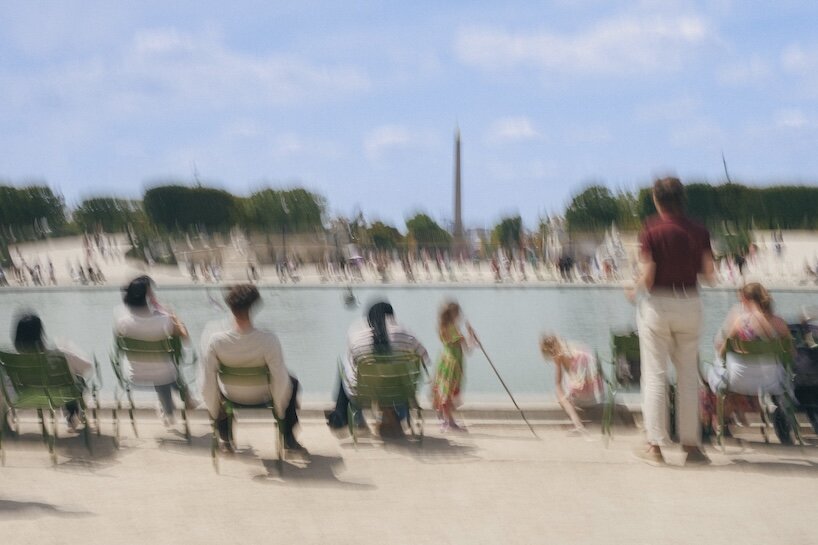
Yet, her engagement with Impressionism goes far beyond mere aesthetics or stylistic imitation. Just as the invention and popularization of photography in the nineteenth century forced classical painters to radically reconsider the purpose of their medium, Urien sees a striking parallel in the existential questions raised by artificial intelligence today. In response to an increasingly synthetic visual culture, she observes a renewed, passionate interest in experimental approaches to image-making—approaches where human personality, flaw, and creative intuition matter vastly more than technical perfection. For Urien, the camera is never merely a tool for mechanically reproducing physical reality, but rather a profound means of interpreting how that reality actually feels.