




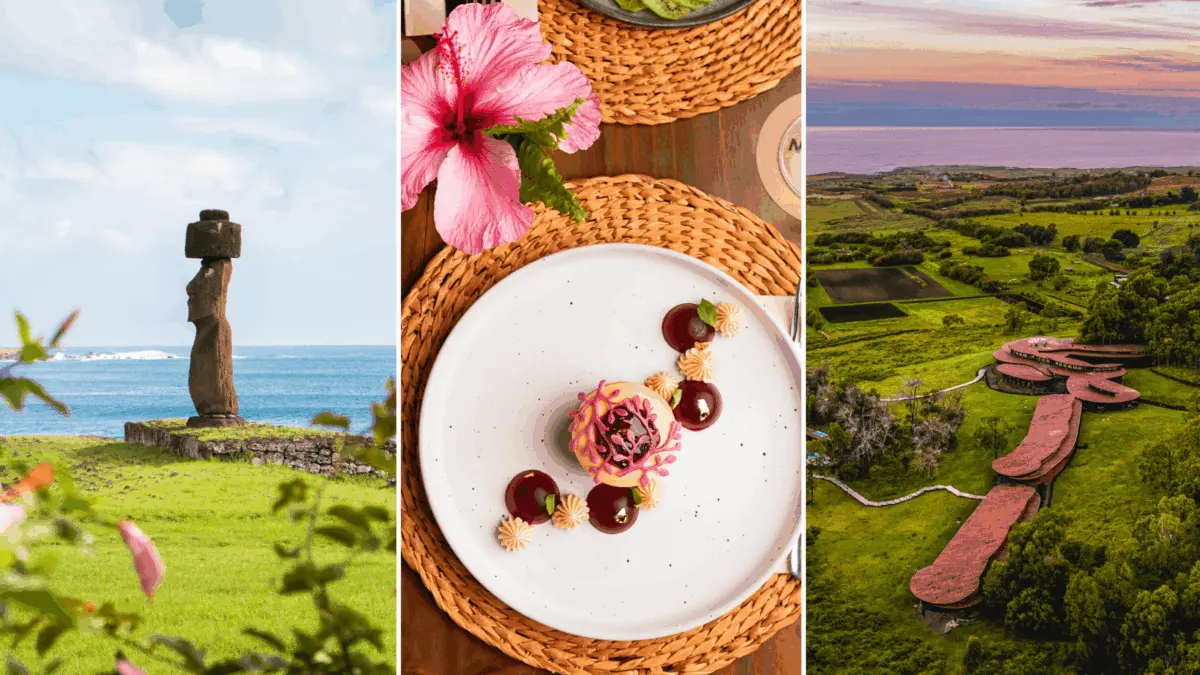
At 1,292 miles from its closest inhabited neighbor, Pitcairn Island, and 2,200 miles from continental Chile, Rapa Nui—widely known as Easter Island—takes geographical isolation to an extreme. Here, situated at the lonely eastern perimeter of Polynesia, the vast and empty horizon appears to curve with the very shape of the Earth. It is an extraordinary backdrop for one of archaeology’s most enduring and heavily debated mysteries: Why did a society of ancient Polynesians carve nearly 1,000 monolithic human figures, known as moai, haul them across rugged volcanic terrain to distant ceremonial platforms over the course of centuries, and ultimately topple them all to the ground?
While researchers continue to put forth various hypotheses regarding ecological collapse, resource competition, and shifting societal structures, definitive answers remain elusive. This lack of resolution only deepens the profound aura of mystery surrounding an already dramatic landscape, exerting a timeless allure that continues to draw travelers from across the globe.
Today, this remote Chilean territory functions essentially as an open-air archaeological museum. Many of its enigmatic moai—which serve as monumental representations of revered Polynesian ancestors—have been carefully returned to their upright positions following seven decades of meticulous international and local restoration efforts. Yet, to view Rapa Nui exclusively through the lens of its monumental and superhuman past is to overlook a significant portion of its living history. The island’s distinct Polynesian culture remains a vibrant and vital presence, anchored primarily in its sole town, Hanga Roa. Here, evening hours come alive with the cheerful strumming of ukuleles and the rhythmic energy of hip-swirling traditional dances. Beyond the town limits lie expansive, wind-swept volcanic plains, a vast and dynamic ocean, and a culinary scene that draws deeply upon both the island’s rich heritage and its abundant maritime setting.
Getting to and Around Rapa Nui
Reaching this isolated speck of land requires a deliberate journey. Unless travelers arrive via one of the roughly dozen annual cruise ships that dock at the island—including expedition vessels such as the National Geographic Resolution and Silversea’s Silver Cloud—access is almost exclusively by air through Mataveri International Airport, widely recognized as the most remote commercial airport in the world. LATAM Airlines serves as the sole commercial carrier connecting Rapa Nui to the mainland, operating at least one daily flight from Santiago, a journey that spans approximately five and a half hours and crosses two time zones.

Upon arrival, visitors typically establish their base in the town of Hanga Roa, from which they organize day excursions to the various archaeological sites scattered across the territory. Because the island is relatively compact, these historical locations are generally no more than a half-hour drive from one another.
The administration of the territory experienced a significant shift in 2017, when the Chilean government officially transferred the administration of Rapa Nui National Park to the Ma’u Henua Indigenous Community, an organization governed by elected members of the local Rapa Nui population. In the years since taking over stewardship, the community has implemented measures to manage visitor volume and mitigate the pressures of overtourism. Among these measures is an increase in park entrance fees, which currently stand at approximately $100 USD (95,000 Chilean pesos). These funds support broader initiatives aimed at encouraging longer visitor stays, fostering deeper cultural connections, and enforcing robust protections for the fragile and historically priceless moai.
A central policy change enacted by the administration requires visitors to explore all archaeological sites situated outside the immediate boundaries of Hanga Roa in the company of a certified local guide. Consequently, the practice of independent exploration via rental cars or bicycles, once common among tourists, has become less prevalent, ensuring that visitors engage more deeply with the historical context while safeguarding the physical integrity of the monuments.
Where to Eat
Seafood naturally dominates the culinary landscape of Rapa Nui, where the local tuna is caught fresh daily and frequently served raw in preparations such as ceviche, carpaccio, or tiradito, which features thinly sliced fish drenched in a spicy citrus sauce. Dining establishments across Hanga Roa and the wider coastline leverage this maritime bounty. Te Moai Sunset, for instance, serves a particularly artistic version of tiradito. When paired with a traditional pisco sour and sweeping views overlooking the modern Moai de la Paz—the "Peace Moai"—it offers an idyllic setting for watching the sun sink into the Pacific.

Similarly, restaurants like Te Moana serve preparations of local mahi-mahi paired with roasted Rapa Nui sweet potatoes in a relaxed, tiki-inspired environment. For a more direct connection to the island’s working maritime community, La Kaleta offers dockside ceviche lunches that allow diners to watch local fisherfolk return with their catch against the backdrop of the rugged coastline.
Beyond traditional seaside fare, Hanga Roa harbors unexpected culinary gems. Kotaro has long operated as a quiet secret within the town—a small, distinct Japanese restaurant renowned for an impeccable tasting menu governed by strict dining protocols, such as restrictions on children and casual conversation with the chef. For those seeking alternative seafront dining, Neptuno Sunset is situated near the end of the airport airstrip, slightly removed from the town center. While the kitchen specializes in generous seafood pastas, meals here and elsewhere across the island are traditionally concluded with po’e, a sweet, dense sponge cake crafted from mashed ripe bananas.
What to Do and Explore
First-time visitors frequently anticipate that Rapa Nui will mirror the dense, jungle-clad hills typical of other Polynesian destinations such as Hawaii or Tahiti. Instead, the terrain is defined predominantly by rolling grassy plains, bearing a striking visual resemblance to the countryside of Ireland. Although the northern coast features two inviting sand beaches at Ovahe and Anakena—both suitable for swimming—Rapa Nui is not a conventional resort destination, and traditional sunbathing invariably takes a backseat to the historical and cultural gravity of the moai.
The stewardship of Rapa Nui National Park encompasses two primary archaeological complexes dating back to the height of the moai-building era: Rano Raraku and Ahu Tongariki. The latter stands as the island’s largest ahu, or ceremonial stone platform, supporting 15 restored statues that present a dramatic silhouette against the horizon at sunrise. Rano Raraku, by contrast, is a volcanic crater and quarry site where ancient craftspeople carved roughly 95% of the island’s monolithic sculptures. Approximately 400 statues remain abandoned in situ within the slopes of the quarry, caught at various stages of excavation and construction. Dozens of additional ahu sites, many featuring restored moai, are distributed across the island’s geography.

Another major historical focal point is Orongo, a reconstructed stone village perched precariously on the precipitous rim of the Rano Kau volcano. Orongo served as the vital ceremonial center for religious festivals dedicated to Makemake, the primary creator god in the island’s traditional cosmology. Directly offshore from Orongo lie Los Motu, a cluster of small, rugged islets that played a central role in the annual Tangata Manu, or "Birdman," competition practiced from the 17th through the 19th centuries. This high-stakes ritual involved a perilous descent down the sheer cliffs of Rano Kau, a swim across shark-infested Pacific waters to the islets, and a climb up the opposing sea cliffs to retrieve the first unbroken egg of a sooty tern.
Today, the waters surrounding Los Motu have transitioned from a historical site of ritual competition to a premier destination for underwater exploration. The gin-clear visibility allows snorkelers and scuba divers to observe vibrant coral formations alongside 142 marine species endemic to the area, including the rare Easter Island butterflyfish. Operations like the Mike Rapu Diving Center provide guided aquatic excursions for visitors looking to experience the marine ecosystem.
On land, opportunities for physical exploration extend to hiking routes ascending Terevaka, the highest geographic point on the island at 1,675 feet, as well as treks across the barren and windswept Poike Peninsula. The peninsula houses several lesser-visited archaeological points of interest, including ancient petroglyphs and a massive rock formation carved in the likeness of a human face.
Modern Polynesian culture remains vibrant among the island’s population of approximately 7,750 residents. While souvenir shops throughout Hanga Roa offer mass-produced replicas and colorful shell necklaces, travelers seeking authentic local artistry can visit Mana Gallery on the northern end of town, which showcases original paintings, traditional woodcarvings, and handcrafted jewelry.

Community-led cultural initiatives also shape the contemporary social fabric. The Toki Rapa Nui music school, co-founded by internationally acclaimed classical pianist Mahani Teave, hosts occasional concerts and offers guided tours of its sustainable Earthship building, constructed in the shape of an eight-petal flower. More widely attended are the evening Polynesian dance performances staged by local groups such as Kari Kari and Te Ra’ai. The latter performance is typically paired with an umu feast, a traditional meal cooked underground using hot stones in an authentic earth oven. For those interested in contemporary interpretations of local musical traditions, venues like Iti Lafken offer showcases of modern Polynesian soundscapes.
Where to Stay
Accommodation options on Rapa Nui span a range of styles and budgetary considerations, though prices generally reflect the logistical challenges of the island’s remote location and its reliance on imported resources from the Chilean mainland.
For travelers seeking a fully immersive experience, Explora Rapa Nui offers all-inclusive stays featuring daily excursions led by specialized local guides. Situated roughly 15 minutes outside Hanga Roa, the property is recognized for its striking architectural design, culinary program, and knowledgeable expedition team. Closer to the town center, Nayara Hangaroa—a member of The Leading Hotels of the World—provides greater flexibility through à la carte booking arrangements. The property features an oceanfront swimming pool, multiple dining venues, and oval-shaped guest rooms architecturally modeled after the traditional dwellings found in the Orongo ceremonial village.
More moderately priced accommodations include Hare Nua Hotel Boutique, centrally located within Hanga Roa and noted for its distinctive design, and Pikera Uri Eco Lodge, which offers garden-surrounded rooms and serves as a convenient base for travelers wishing to explore the surrounding landscape on horseback.

As conservation efforts continue to balance the influx of global tourism with the preservation of fragile cultural heritage, Rapa Nui remains a singular destination where profound historical enigma and living Polynesian culture exist side by side at the edge of the Pacific.