





As the calendar turns and the vibrant, effortless sunlight of summer gives way to the shorter days and longer nights of autumn and winter, homeowners face a familiar seasonal shift. While the warmer months invite natural light directly through open blinds and wide windows, the colder seasons demand a complete rethinking of interior illumination. As natural daylight fades earlier each evening, households increasingly turn indoors, seeking cozier, more intentional ways to light their living spaces. This transition—from the stark brightness of natural daylight to the carefully curated warmth of artificial lighting—becomes the primary method for restoring a sense of comfort, hospitality, and emotional warmth to the home.
Yet, this seasonal pivot offers a unique opportunity for interior transformation. Rather than undertaking expensive renovations, purchasing new furniture, or committing to permanent wall treatments, homeowners can radically alter the fundamental essence of their living spaces simply by reimagining their lighting design. According to design experts and smart-lighting manufacturers, lighting possesses the remarkable ability to transform a home’s emotional temperature entirely, shifting effortlessly from cool, crisp whites to the rich, amber glow of a late-autumn sunset. This flexibility makes lighting the single most crucial tool for adapting a home’s atmosphere as the seasons change.
Sherry Ye, chief marketing officer at the global smart-lighting brand Govee, notes that the arrival of early dusk often creates a distinct visual void within a home. By strategically layering warm light, homeowners can fill this void, softening cold architectural surfaces and mimicking the natural amber warmth of a fading sunset. This approach, Ye explains, allows individuals to reclaim their living spaces as comforting, protective sanctuaries during the darker, more challenging months of the year.
Design Each Room Around How You Want It to Feel
To help households navigate this seasonal transition, lighting brands and interior designers are increasingly emphasizing room-by-room strategies that prioritize emotional resonance alongside raw functionality. Govee’s comprehensive lighting guide identifies three core interior zones—the living room, the bedroom, and the home office—and highlights how flexible smart-lighting solutions can be deployed to shape the distinct mood required for each area as autumn takes hold.
Cozy Connection in the Living Room
Lighting does far more than simply illuminate a room; it actively dictates how the space makes its occupants feel. From fixture placement to color selection, different combinations yield distinct emotional outcomes. In the living room, the overarching goal during the colder months is to cultivate a cocoon-like sanctuary. The space should feel warm, inviting, and comfortable, while simultaneously encouraging socializing, relaxation, and human connection.
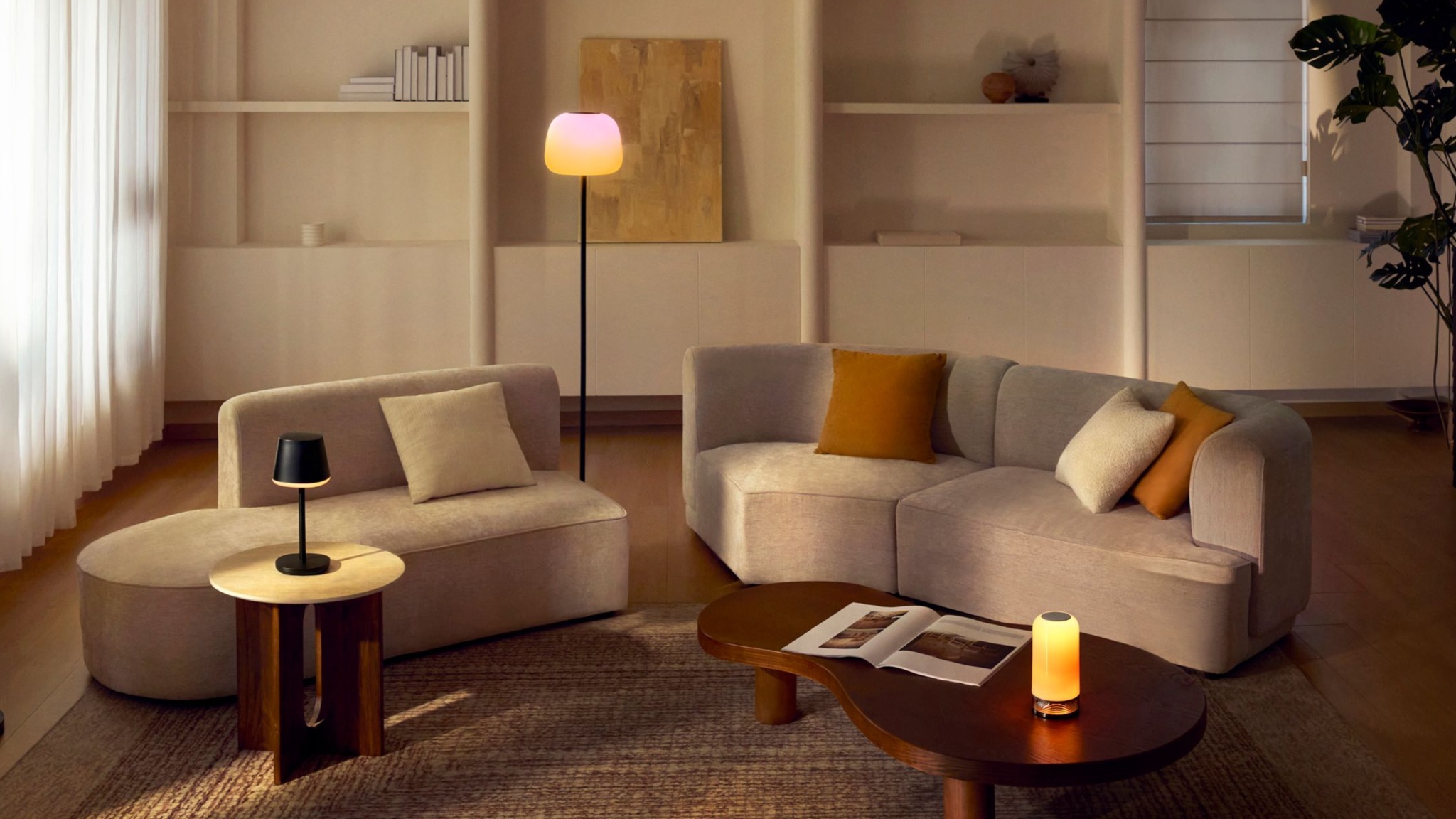
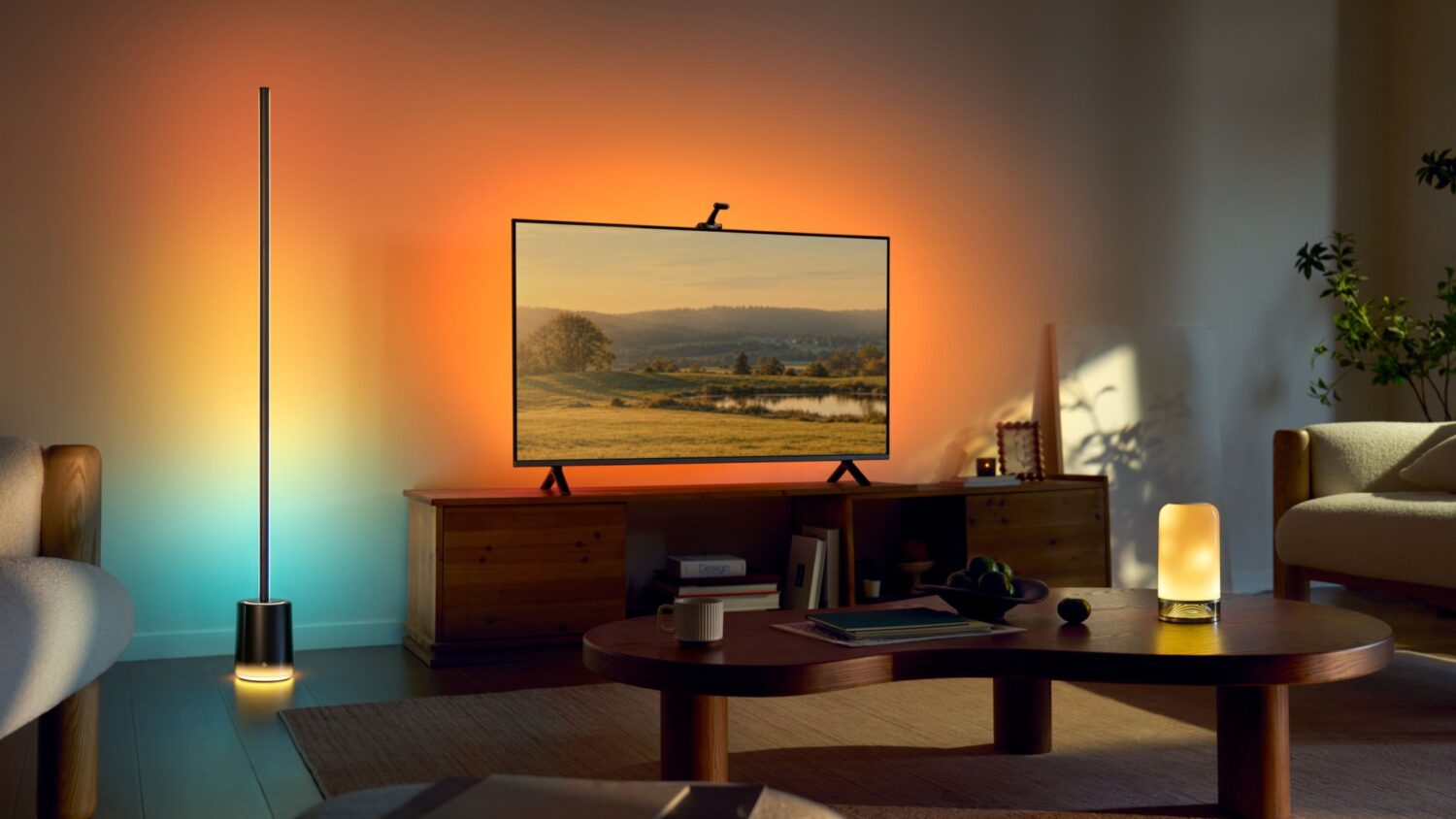
Achieving this atmosphere requires a deliberate strategy of layered lighting deployed at varying heights throughout the room. Rather than relying on a single overhead source, homeowners are encouraged to surround the primary seating area with a cozy, enveloping glow using multi-directional fixtures. For instance, utilizing a double-sided accent lamp, such as the Govee Floor Lamp 3, allows users to wash an entire corner and adjacent wall in soft, diffused light.
Complementing this with a smaller table lamp placed strategically on a side table introduces an intermediate level of illumination, adding depth and visual interest to the space. Furthermore, placing a specialized display backlight, like the Govee TV Backlight 3, directly behind a television screen helps to soften the stark contrast between a brightly lit display and a dark, shadowy wall. Together, these layered light sources bathe the room in a rich golden illumination that never feels overpowering. Instead, it gently draws people inward, fostering an intimate and deeply welcoming environment as evening settles outside. The modern convenience of smart-lighting technology means that all of these sources can be simultaneously dimmed and adjusted from a single mobile application, allowing the room’s atmosphere to soften gradually as the night progresses.
Peace of Mind in the Bedroom
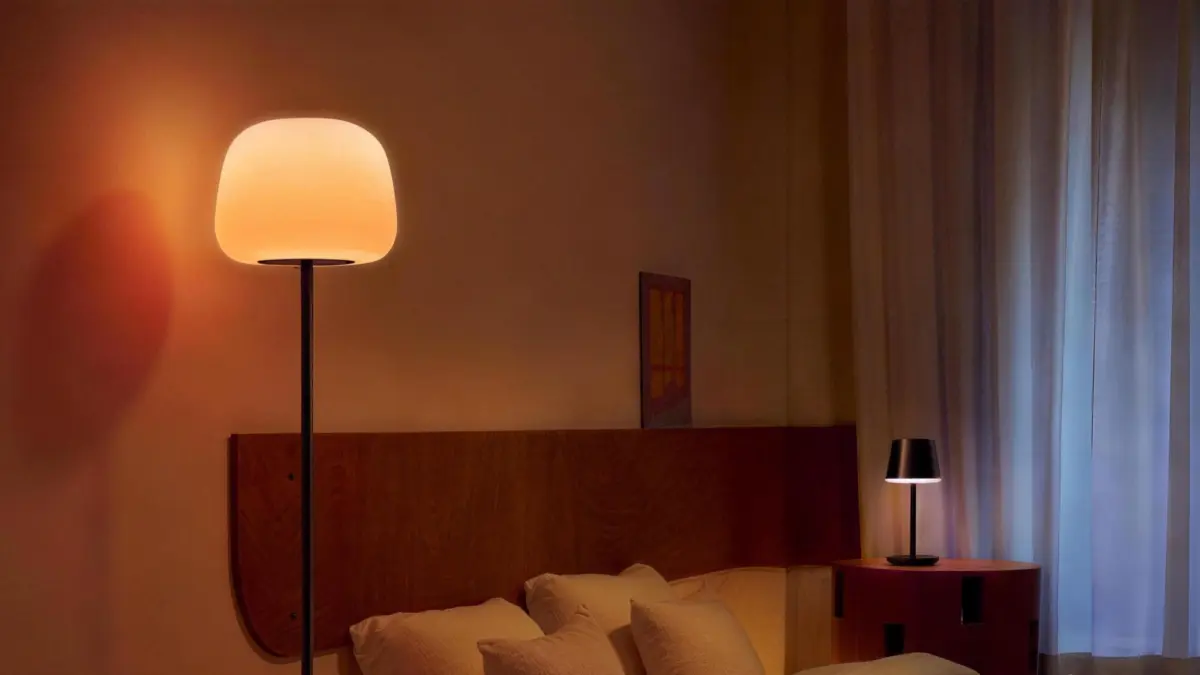
In stark contrast to the social and communal focus of the living room, the bedroom demands an entirely different lighting philosophy. Rather than centering on connection and activity, this private space must prioritize rest, relaxation, and psychological wind-down. The ideal lighting scheme here relies on soft, indirect illumination that naturally aligns with the human body’s circadian rhythms, easing the transition from wakefulness into deep sleep.
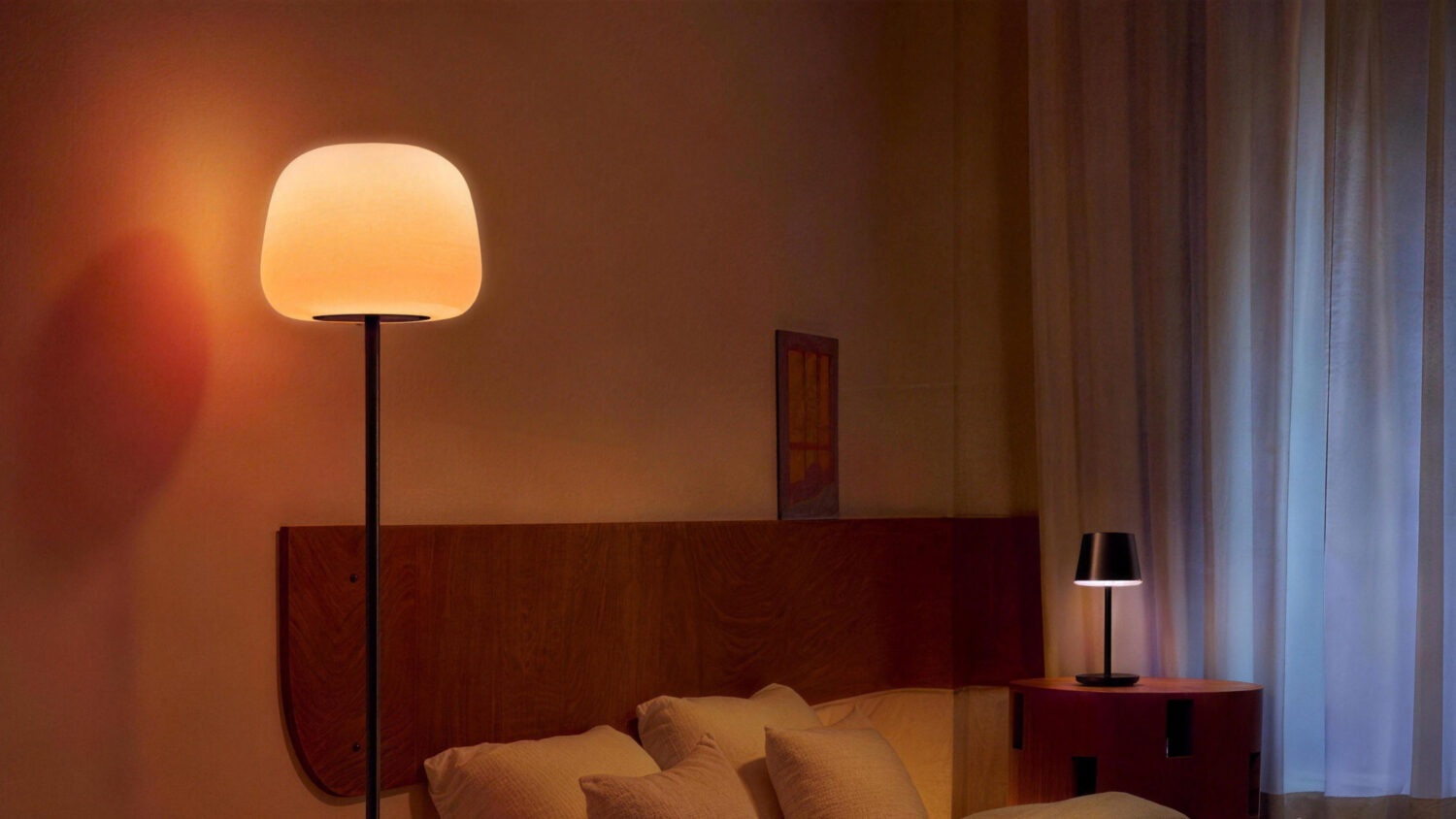
To maintain a restful atmosphere without relying on harsh overhead glare, interior lighting strategies often combine wide-reaching floor lamps with classic bedside illumination and subtle linear accents. By integrating fixtures like the Govee Lantern Floor Lamp and the Govee Table Lamp Classic with the gentle, diffused halo effect of a continuous strip light, such as the Govee COB Strip Light 2 Pro, homeowners can create a balanced, low-intensity visual environment. When applied discreetly to headboards or architectural ledges, these strip lights can emit a subtle, calming glow utilizing desaturated blue and purple accents, alongside warm white tones ranging between 2500K and 2700K. The combination of the floor lamp’s wide reach and the table lamp’s gentle wash helps quiet an active mind, providing balanced and restful illumination just before bedtime.
Friendly Focus in the Home Office
When shifting focus to the home office, functionality naturally takes center stage, yet designers warn of the fine line between a streamlined, productive workspace and an environment that feels sterile or unwelcoming. The key strategy in this zone is finding a careful balance between clear, highly functional task lighting and soft, comforting accent illumination that counters the clinical feel of a traditional workspace.
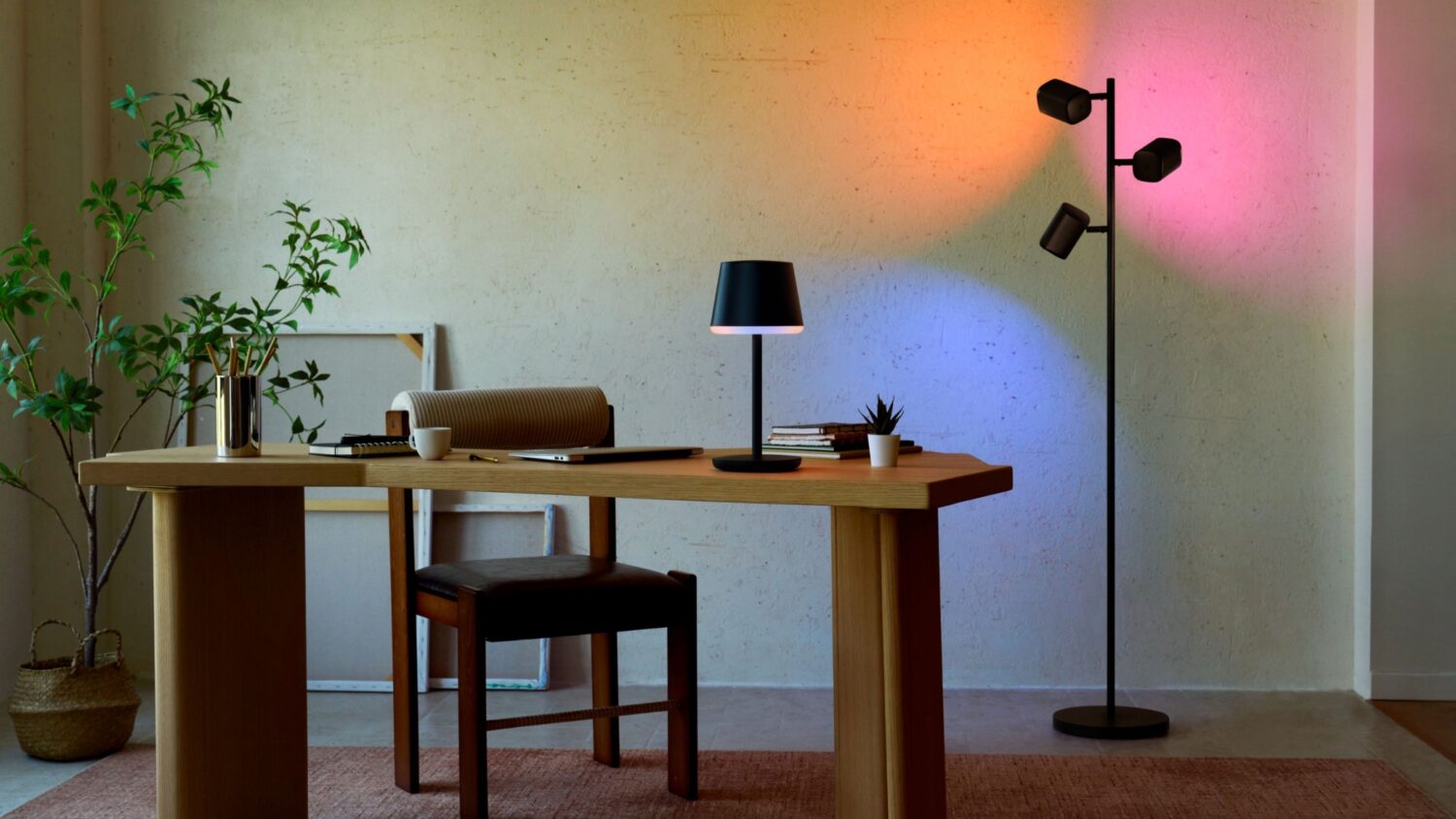
A well-designed home office often anchors its functional layout with an energizing overhead source, such as the Govee Sky Ceiling Light. Emitting a clear, focused white light in the 4000K to 6000K range, this type of fixture enhances concentration, reduces eye strain, and provides necessary visibility for detailed daily tasks. However, to prevent the room from feeling cold and uninviting during long winter work sessions, this cool task lighting must be softened at the edges. Incorporating warm accent pieces, such as the Govee Tree Floor Lamp and the Govee Table Lamp Classic, introduces humanizing warmth into the periphery. As Sherry Ye explains, this deliberate contrast prevents eye fatigue, keeps the mind alert, and ensures the room remains warm, human, and inviting, even during the darkest months of the year.
Shaping Mood Through Color and Placement
While raw brightness remains a fundamental tool in any lighting designer’s repertoire, factors such as color temperature, dynamic lighting effects, and precise fixture placement play an equally significant role in shaping a room’s emotional landscape. Lighting affects human occupants on both a physiological and a psychological level, prompting an immediate bodily reaction to the difference between a cozy reading nook and the crisp, task-oriented illumination of a kitchen workspace.
This reaction is deeply rooted in human biology. Color temperature acts as an internal biological clock, signaling wakefulness or rest depending on the Kelvin scale. Warm, low-Kelvin light—ranging from the intimate flicker of candlelight to soft warm white—instantly signals safety, relaxation, and rest to the human nervous system. Conversely, cool white light promotes alertness, concentration, and focus, making it ideal for workspaces and kitchens but less suited for evening relaxation areas.
In addition to color temperature, advanced visual effects such as gradients and smooth color transitions tap into the body’s natural preference for dynamic environments, successfully mirroring the gradual tonal shifts found in nature. By playing with saturation and multi-tone blending, homeowners can introduce subtle depth and rich texture to walls and surfaces that might otherwise appear flat or static during the dim winter months. Modern smart-lighting technology is increasingly engineered to achieve this, offering single fixtures and flexible light strips capable of smooth color transitions that highlight the organic character of natural materials like wood grain, linen, and stone.
Fixture placement is equally critical to a successful lighting design. Strategically positioned accent lighting can draw the eye toward hanging artwork, indoor plants, architectural backsplashes, or other focal design elements, while indirect lighting can soften hard structural surfaces and introduce a sense of volume. For many homeowners, experimenting with these variables can be daunting, but flexible smart-lighting systems eliminate the need for expensive rewiring, allowing users to test adjustments in placement, brightness, color, and atmosphere until the desired emotional mood is successfully achieved.
Making Seasonal Changes Without Redesigning the Room
Homeowners instinctively recognize the profound influence that lighting exerts over their living environments, often serving as the invisible foundation upon which every successful interior design choice rests. Describing light as the invisible architecture of a space, design experts emphasize that a room can be furnished with the finest materials and decorated with exquisite art, but without thoughtful lighting, those elements remain flat and uninspired. Light fundamentally dictates how human perception registers color, texture, scale, and proportion.
As the seasons turn and daily life moves indoors for the colder half of the year, this underlying architectural influence becomes more critical than ever. Fortunately, because lighting is inherently adaptable, it provides an effortless way to reenergize a home without requiring the purchase of new furniture or the complete replacement of existing seasonal decor. During the fall and winter, this adaptation translates directly into the creation of sheltered, cozy corners and soft, intimate interiors that counteract the chill of the outside world.
Advanced smart-lighting portfolios are designed to make this seasonal transition entirely seamless, offering intuitive controls and customizable scenes that evolve alongside the calendar. Furthermore, as the festive winter holiday season approaches, strategic decorative lighting equipped with dynamic color-changing capabilities allows households to elevate the celebratory atmosphere while maintaining overall visual cohesion throughout the home.