




Ever since Mattel first introduced the iconic Barbie DreamHouse to the world in 1962, it has served as an imaginative backdrop for generations of young designers to play, experiment, and bring their boldest spatial visions to life. For decades, the DreamHouse has represented a playground of possibilities where color, scale, and architecture could be manipulated without real-world constraints. Now, thanks to an innovative new collaboration between Barbie and Pinterest, that exact spirit of unbridled exploration is making the leap from plastic toy rooms into actual, tangible residential homes. Utilizing Pinterest’s advanced AI-powered Restyle tool, design enthusiasts and nostalgia-driven adults alike can now reimagine their very own interior spaces through five distinct, carefully curated DreamHouse-inspired aesthetics.
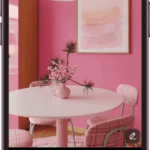
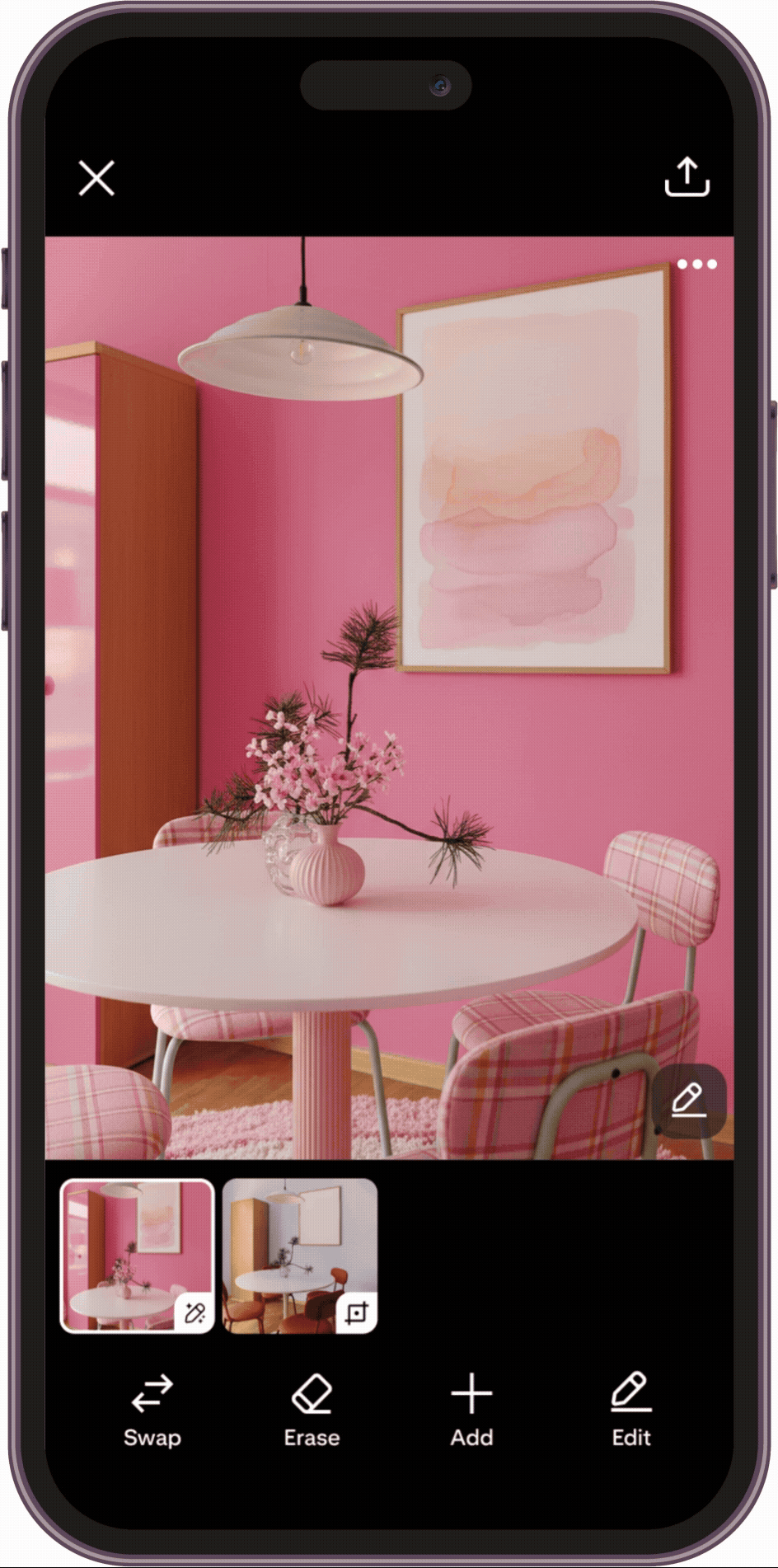
Launched last month in beta, the Restyle tool represents a significant leap forward in how everyday consumers interact with interior design technology. By leveraging cutting-edge visual artificial intelligence, the feature allows users of all ages to virtually experiment with room layouts, wall treatments, furniture, and accessories. The process begins simply enough: a user uploads a direct photograph of their actual living room, dining room, bedroom, or any other interior space they wish to transform. Once the photo is uploaded, they can explore a variety of sophisticated design directions that completely alter the visual DNA of the room while maintaining the original architectural footprint and perspective of the space.
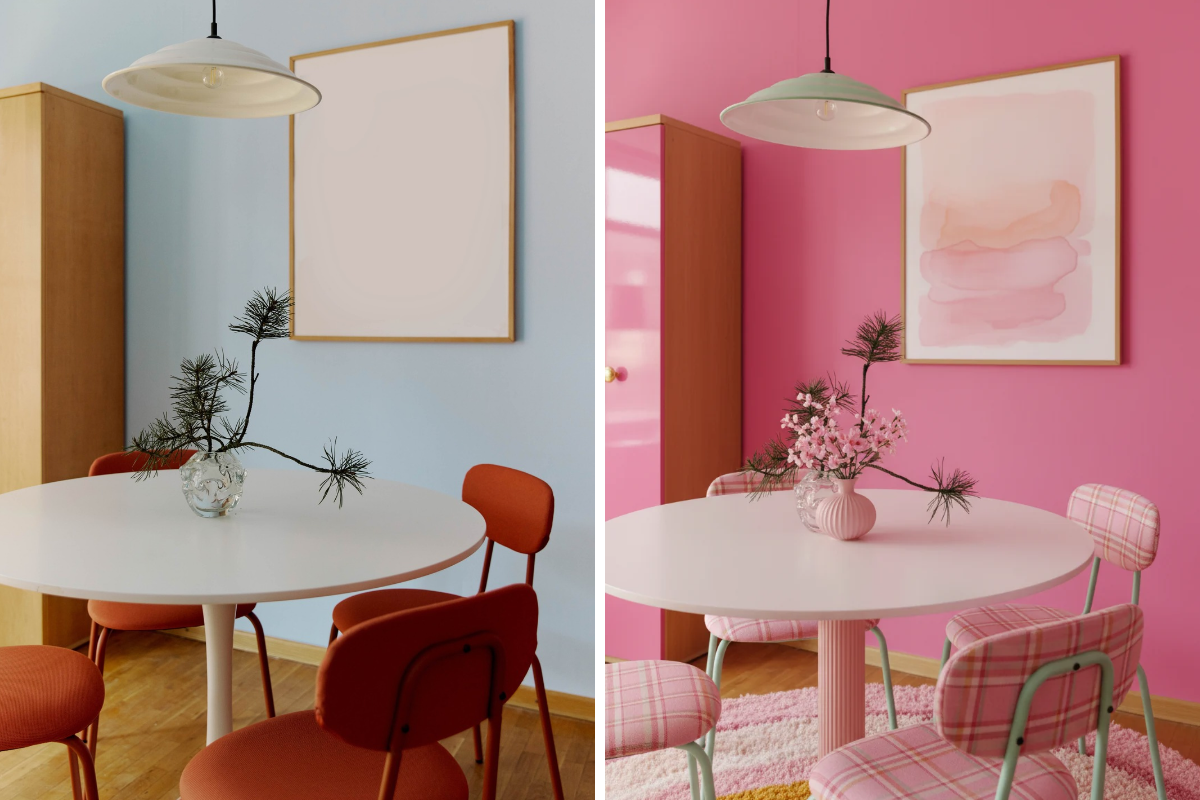
This bridging of digital imagination and physical reality addresses a long-standing challenge in the home decor market. According to Sara Pollack, Vice President and Global Head of Consumer Marketing at Pinterest, people frequently visit the platform harboring grand visions for how they want their personal living environments to look and feel, yet translating those abstract ideas into a physical room remains a formidable hurdle. With the introduction of the Restyle feature, Pinterest is actively working to bridge that gap. Pollack notes that the tool gives everyday people a practical, highly engaging way to experiment with disparate design styles, observe firsthand how colors, furniture pieces, and decorative accents interact within their actual spatial dimensions, and ultimately discover real-world products that bring their unique creative visions to life.
Rather than locking users into a singular, overwhelmingly monochromatic Barbie-pink paradigm, the new Barbie collaboration introduces five diverse DreamHouse-inspired styles that expand the boundaries of what domestic Barbiecore can be. The curated aesthetics include mid-century Americana, chalet chic, superstar glam, Victorian romance, and modern coastal. Each of these distinct styles offers a unique starting point for home decorators, moving well beyond Barbie’s signature hot pink to explore a much broader spectrum of interior design movements. From nostalgic retro mid-century influences to relaxed, breezy contemporary spaces and opulent historical gestures, the collection proves that the DreamHouse universe has matured into a sophisticated repository of architectural and interior references.
Once a user selects their preferred Barbie DreamHouse aesthetic within the Restyle interface, the platform provides robust customization capabilities to fine-tune the environment. Users can seamlessly refine their newly rendered rooms by adding entirely new furniture pieces, swapping out mismatched accessories, or adjusting the placement of decorative elements. Furthermore, the Restyle technology accommodates dynamic user control, allowing individuals to effortlessly remove existing physical objects from their original photographs or describe entirely new modifications using simple, intuitive text prompts. This fluid combination of image recognition, style transfer, and generative text capabilities ensures that no two room transformations are identical, empowering homeowners to put a deeply personalized stamp on their digital redesigns.
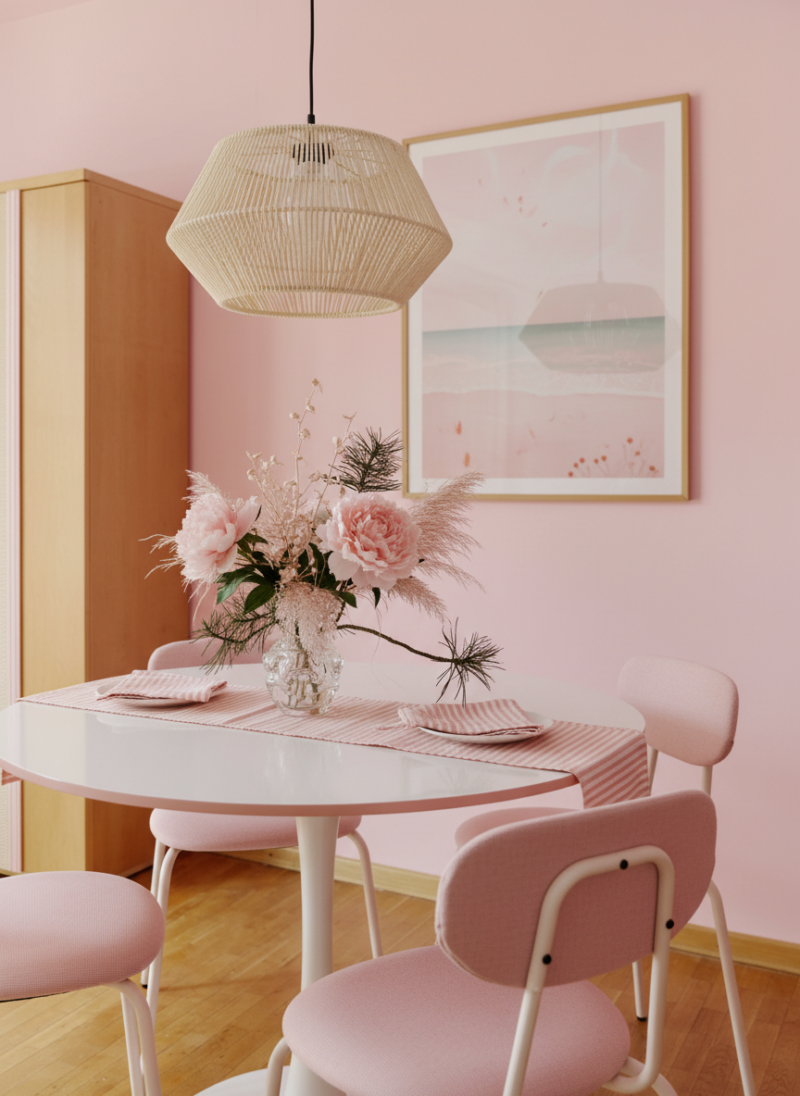
The timing of this collaboration taps directly into a massive, measurable cultural resurgence surrounding the iconic doll’s architectural universe. While fascination with the Barbie DreamHouse typically begins in early childhood, the data clearly demonstrates that it is a passion many people never truly outgrow. According to internal metrics released by Pinterest, platform searches for the "Barbie DreamHouse aesthetic" have surged by a remarkable 72 percent. At the same time, consumer interest in related spatial concepts has exploded, with searches for "pink apartment ideas" and "pink dorm aesthetics" rising by an astonishing 224 percent and 120 percent, respectively. Zooming in further, specific interior design elements associated with the trend—ranging from bold pink wallpaper and statement lighting fixtures to textured rugs and ornate decorative mirrors—are rapidly gaining traction across the platform’s global user base.
Ultimately, the partnership between Pinterest and Barbie shifts the paradigm from passive digital consumption to active spatial experimentation. For years, millions of users have saved immaculate, highly curated interior design concepts onto digital inspiration boards, often leaving those ideas confined to the screen. The integration of the DreamHouse aesthetic into Pinterest Restyle transforms that dynamic, allowing users to test out how these vibrant, playful design philosophies might actually translate into the physical confines of their own apartments and houses.
As Sara Pollack emphasizes, the collaboration with Barbie makes the process of home decoration remarkably playful, successfully bringing five distinct DreamHouse aesthetics into an interactive environment where people can explore, personalize, and ultimately craft a domestic space that feels entirely and uniquely their own.

To ensure the experience reaches design enthusiasts wherever they are searching for inspiration, the Barbie and Pinterest collaboration is rolling out across multiple channels. The digital experience is currently accessible through official Barbie content, select targeted Pinterest searches, and curated idea boards hosted directly on Barbie’s official Pinterest profile. For those looking to experience the intersection of technology and physical design in the real world, the campaign is also hitting the road in a massive, 26-foot-long pink Barbie experiential truck. Throughout the months of October and November, the eye-catching vehicle is scheduled to make stops in major metropolitan areas including New York City, Dallas, and Los Angeles. At each stop, members of the public are invited to step inside the truck to test out the Pinterest Restyle tool firsthand, explore immersive interactive design installations, and participate in exclusive promotional giveaways.