



AMSTERDAM — Investigators from the Netherlands Food and Consumer Product Safety Authority (NVWA) have raided the residential homes and business premises of two livestock traders in the province of Overijssel as part of an expanding criminal investigation into alleged agricultural fraud, unregistered cattle movements, and the transport of severely sick animals.
The coordinated enforcement actions, which took place on September 30, were publicly disclosed by the NVWA on Wednesday. During the multi-site raids, law enforcement and food safety officials seized extensive business administration records, mobile communication devices, used livestock ear tags, and specialized pliers intended for the removal of official identification markers.
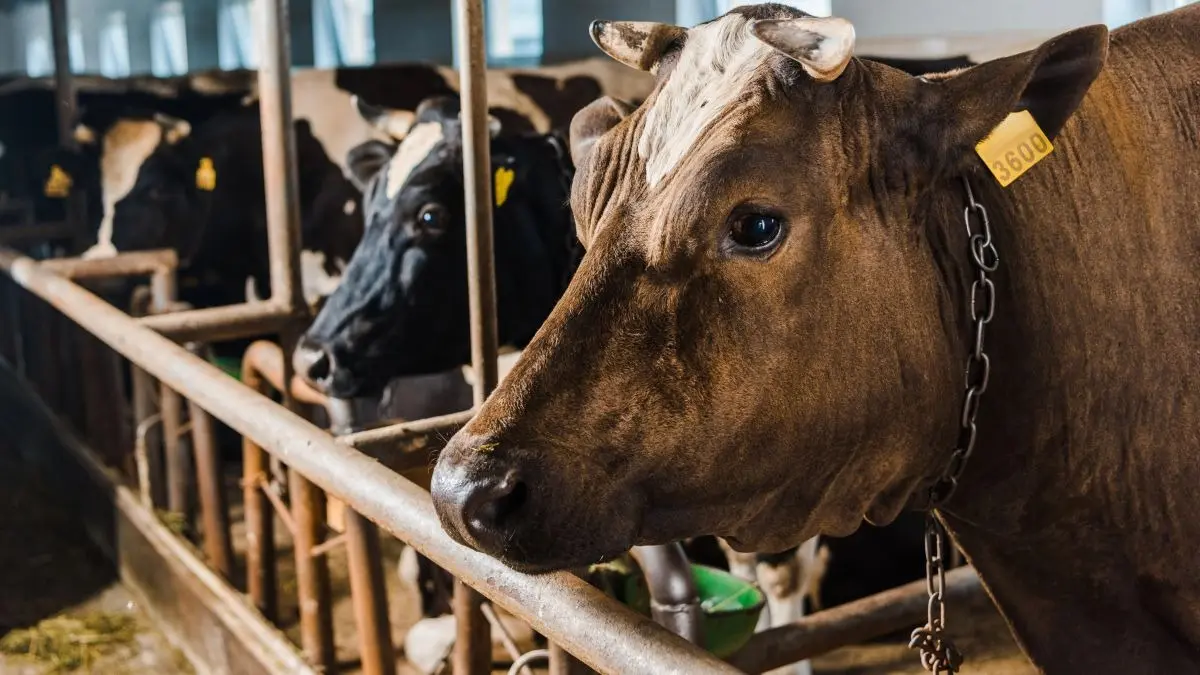
The operation highlights ongoing regulatory concerns regarding the traceability of livestock within the Dutch agricultural sector. Under strict national and European Union regulations, every bovine animal born or imported into the Netherlands must be officially registered and fitted with a distinctive ear tag bearing a unique tracking number. This rigid identification system is considered vital for public health and biosecurity, ensuring that animals can be traced rapidly in the event of a dangerous disease outbreak—such as foot-and-mouth disease or bovine spongiform encephalopathy—or if chemical contamination is detected further down the meat supply chain.
According to findings released by the regulatory board, the scale of the irregularities uncovered at the Overijssel locations was substantial. At the premises of the first livestock trader, inspectors discovered 88 animals that were either registered at a completely different physical address or had escaped the registry system entirely. At the second trader’s facility, a further 19 animals were found to be incorrectly registered. Furthermore, cattle completely lacking the mandatory ear tags were identified at both targeted sites, pointing to an intentional circumvention of the national identification infrastructure.
The crackdown extended beyond fixed premises onto regional roadways. Assisted by local police units, NVWA investigators intercepted and stopped a heavy livestock lorry that had departed from one of the suspect’s locations early in the morning. A physical check of the vehicle revealed that none of the 21 cattle packed inside were registered to the trader’s operational address.
A subsequent inspection traced another group of 32 cattle belonging to the same trader to a separate farm elsewhere in Overijssel. Investigators determined that these animals had been recently imported from abroad but had never been formally registered within the Dutch database, effectively creating a shadow inventory of livestock operating outside official oversight.
Concealed Operations and Unapproved Collection Centers
Investigators also uncovered evidence of deliberate attempts to conceal the true scale and nature of the commercial operations. The business of one of the traders was found to be registered purely on paper at the address of the other, a maneuver designed to keep the site out of the sight of regulators. At this hidden hub, a mixture of domestic and foreign cattle was being housed.
Regulatory authorities stressed that gathering livestock from various origins is strictly regulated. Under Dutch law, animals may only be gathered for commercial sale or transport to slaughterhouses at officially approved collection centers. These designated facilities are subject to rigorous biosecurity standards, including strict protocols for cleaning and disinfecting livestock transport trucks to prevent the cross-contamination and spread of infectious animal diseases across the agricultural heartland. Operating an unapproved collection point bypasses these critical safeguards, posing a direct threat to the broader livestock industry.
Discovery of Sick and Suffering Cows
In addition to regulatory and registration fraud, the inspection team encountered severe animal welfare violations. Inside a specialized shed on one of the properties, inspectors found a herd of cows kept in deeply concerning conditions. Several animals were physically incapacitated to the point where they could no longer stand on their own, while others exhibited severe, untreated inflammations.
Based on the preliminary findings, the NVWA suspects that one of the traders deliberately transported these animals despite knowing they were far too sick and weak to endure movement. Investigators believe that the trader subsequently kept the compromised cattle confined on the property because their poor physical condition rendered them unsellable for standard commercial trade or authorized slaughterhouses.
The situation demanded immediate intervention. A professional veterinarian was called to the scene and made the decision to euthanize three of the cows on the spot to end their suffering. Meanwhile, the NVWA has implemented immediate administrative measures to guarantee that the remaining surviving animals receive the urgent medical attention and care they require.
As of Wednesday, neither of the livestock traders has been placed under arrest, though the investigation remains very much active. The criminal inquiry is currently being directed by the Functioneel Parket—the specialist national unit of the public prosecution department tasked with prosecuting complex environmental crimes, financial fraud, and regulatory violations. When questioned by the national broadcaster NOS regarding how authorities initially caught wind of the illegal activities, the NVWA declined to comment on the specifics of the ongoing investigation’s origins.