






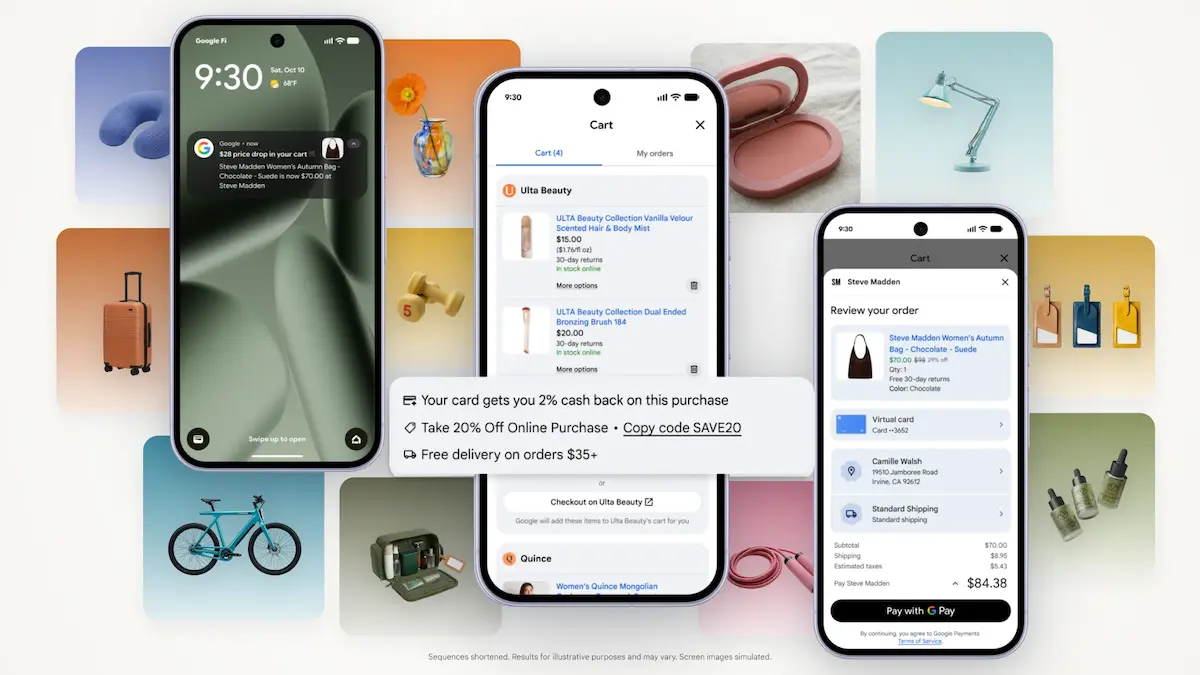
The core concept behind Universal Cart is to simplify and streamline the modern online shopping journey, which often involves jumping across dozens of different retail websites, opening numerous browser tabs, and losing track of items of interest. Under the new system, when a user finds a product they like while searching or interacting with Google’s AI assistant, they can simply save it directly to their universal cart and move on. When they return to their shopping session later, their saved items and progress remain intact, sparing them from having to hunt down the exact same products or start their search completely over. By aggregating items from multiple distinct retailers into one cohesive hub, the tool functions as a central command center for browsing and keeping tabs on potential purchases over time.
Beyond merely storing links, Google stated that the cart is built to help shoppers actively monitor market changes regarding deals and product availability. The tool features automated notification capabilities designed to alert users when a saved product experiences a price drop or when an item that was previously out of stock becomes available for purchase again. This proactive approach seeks to give consumers better visibility into market fluctuations without requiring them to manually check individual retail pages on a regular basis.
In addition to tracking prices and inventory, Universal Cart is engineered to provide more tailored, intelligent assistance throughout the entire checkout and payment process. According to the company, the tool can factor in specific credit card rewards and perks when helping users evaluate and select the best payment method for a particular purchase, while also automatically surfacing relevant promotional codes and discounts to maximize savings.
The underlying architecture that makes this cross-retailer checkout possible is tied directly to Google’s Universal Commerce Protocol, or UCP, an open industry standard that the tech giant introduced earlier this year. UCP was specifically designed to facilitate seamless collaboration between various AI agents and independent retailers across different phases of the shopping journey, including the final transaction and checkout stages. By establishing an open protocol, Google aims to create a more integrated ecosystem where AI systems can securely interact with diverse e-commerce backends.
The launch of Universal Cart underscores Google’s deep and ongoing investment in artificial intelligence-powered commerce, marking its latest attempt to make the online shopping experience significantly more convenient for everyday consumers. The tool joins a growing suite of AI-driven shopping features already integrated into the company’s ecosystem, such as conversational product discovery within Search’s AI Mode and Google’s "Let Google Call" tool. The latter feature utilizes an advanced AI agent to make phone calls on behalf of the user to nearby brick-and-mortar stores, directly checking whether a specific item is physically in stock before the customer makes a trip.
Google is far from alone in its pursuit of AI-driven transformation within the e-commerce sector. Over the past year, major technology rivals have aggressively moved into the space, introducing their own agentic commerce features as companies across the industry look for innovative ways to make conversational chatbots and digital assistants useful for practical, real-world tasks far beyond merely answering informational questions. Competitors such as Amazon and OpenAI have both rolled out sophisticated agentic shopping systems capable of browsing and interacting with third-party digital stores on behalf of users, intensifying the race to define the future of how people discover, evaluate, and purchase goods online.