




While mechanical movements invariably attract the lion’s share of technical fascination in haute horlogerie, a tremendous amount of sophisticated engineering goes into a much less celebrated task: keeping those intricate calibers entirely dry. For any everyday timepiece, the waterproof construction of the exterior case and its crown serves as the foundational pillar of long-term reliability. Yet, despite its critical importance, the exact mechanism by which these components block out moisture remains widely misunderstood among collectors and casual wearers alike.
Screw-down crowns and threaded case backs are universally regarded by the public as the gold standard for sealing a watch against the elements. However, making the choice between a threaded and a conventional construction is not always as straightforward as it might seem. On a hand-wound mechanical timepiece, for instance, a screw-down crown must be unscrewed and tightened on a regular basis to power the movement. This repetitive action adds an extra operational step to the simple act of winding and carries the latent risk of wearing down or compromising the delicate threads over years of use.
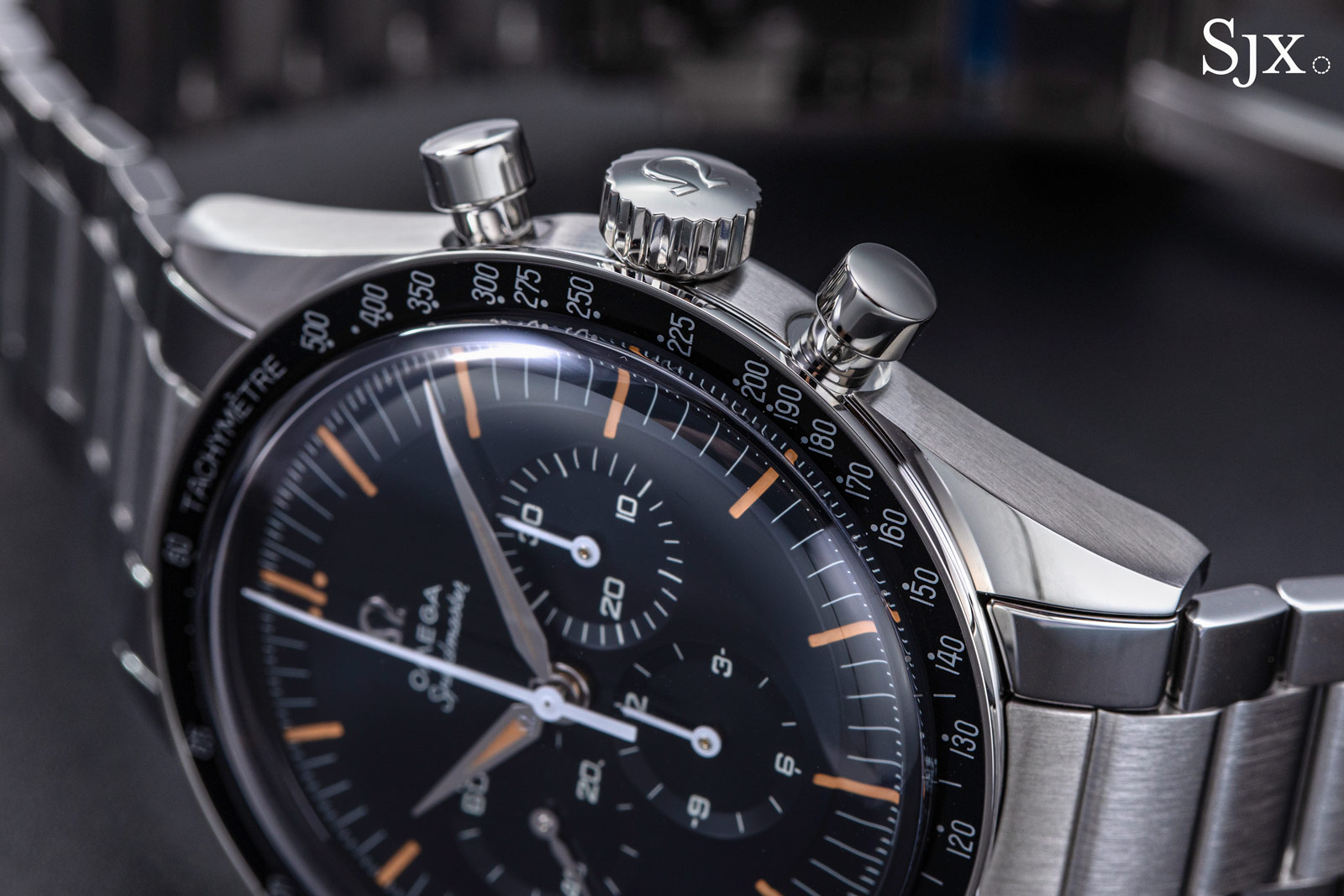
Conversely, iconic timepieces like the Omega Speedmaster Moonwatch feature a conventional, non-locking push crown and are officially rated to a depth of 50 meters. Even so, many owners remain understandably wary of exposing such cherished instruments to anything more aggressive than an occasional splash of rain.
This naturally raises a fundamental technical question: how much genuine protection can a conventional push crown actually provide, and what does a screw-down configuration fundamentally add to the equation? To fully understand this distinction, one must take a closer look at the anatomy of the crown, its housing tube, and the elastic gaskets that work in tandem to form an impenetrable barrier.
As an essential technical disclaimer, this discussion applies specifically to modern watches featuring seals that are currently in good condition. Vintage watches, as well as contemporary pieces that are long overdue for a routine manufacturer service, should always be professionally checked for water resistance before being allowed to come into contact with water.
A Common Misconception About Seals
The actual waterproofness of any mechanical joint ultimately relates to the uniformity of the seal pressure applied across its surface. In this context, the term "waterproofness" is used broadly to describe the reliable ability of a mechanical joint to prevent water from seeping inward under normal operating conditions.
Tightly screwed connections are frequently and mistakenly perceived as absolute guarantees of waterproofness across various mechanical applications, ranging from ordinary plumbing pipes to everyday bottle caps. Consider the specific example of a standard bottle cap: inside the cap, there is a small recessed circular feature that squeezes slightly into the opening of the bottle as the cap is fully threaded down.
This makeshift gasket prevents any liquid spillage, while the mechanical threading merely serves to ensure that the necessary sealing pressure is continuously maintained. The natural elasticity of the gasket material pulls it away from the bottle opening, whereas the tightening threads force it inward, creating an evenly distributed pressure profile. However, only a few precise threaded turns ensure the contents remain completely contained; leave those same threads even slightly undone, and liquid will quickly find an escape route out of the bottle.
It can seem counterintuitive at first glance, but just a fraction of a turn short of fully closed can cause a gasket seal to fail entirely. The exact same physical principle governs all sorts of microscopic gaskets, including the tiny iterations utilized inside high-end mechanical watches. In other words, the threads themselves do very little to create a watertight seal on their own. Instead, their primary function is to mechanically pressure the gasket into a uniform and steady deformation, which in turn preserves the integrity of the seal.

Keeping this principle in mind, it becomes easy to understand why any joint capable of exerting uniform, steady pressure on a gasket will successfully ensure a dependable seal.
A Look at the Crown Tube
Most modern watch cases are manufactured using computer numerical control (CNC) milling machines from large, solid blocks of raw metal. From a purely industrial perspective, it is vital that this manufacturing process minimizes material waste and is accomplished with relatively few machining operations. For this reason, raw case blanks initially bear only a loose resemblance to their final refined forms and, crucially, they completely lack a pre-formed crown tube.
The crown tube features a cylindrical form and demands such close manufacturing tolerances that it naturally lends itself to specialized turning operations, allowing it to be machined entirely separately from the main case body. Once the corresponding hole has been precision-drilled into the case flank, manufacturers face the immediate challenge of waterproofing the connection between the case and the crown tube before the crown component itself even enters the equation.

The most straightforward method for achieving this is to press-fit the crown tube directly into the case. Using this conventional method, the outer diameter of the crown tube is manufactured to be approximately 0.02 millimeters larger than the inner diameter of the case bore, assuming a standard manufacturing tolerance of plus or minus 0.010 millimeters.
This deliberate mismatch in physical diameters forces the tubular metal to shrink minutely as it is forcefully pressed into place, tightly sealing the case wall. Because the resulting pressure between the case and the walls of the crown tube comfortably exceeds the material’s yield limit, any microscopic surface asperities or irregularities are effectively eliminated, physically shutting off any potential pathways through which water might otherwise enter.
Historically, watchmakers frequently utilized a sleeve constructed from a softer metal placed between the case and the crown tube. This precautionary measure prevented the harsh plastic deformation from endangering the precise geometry of the tube. However, thanks to the vast improvements in modern manufacturing capabilities, this specific construction has largely fallen out of favor with contemporary watchmakers.
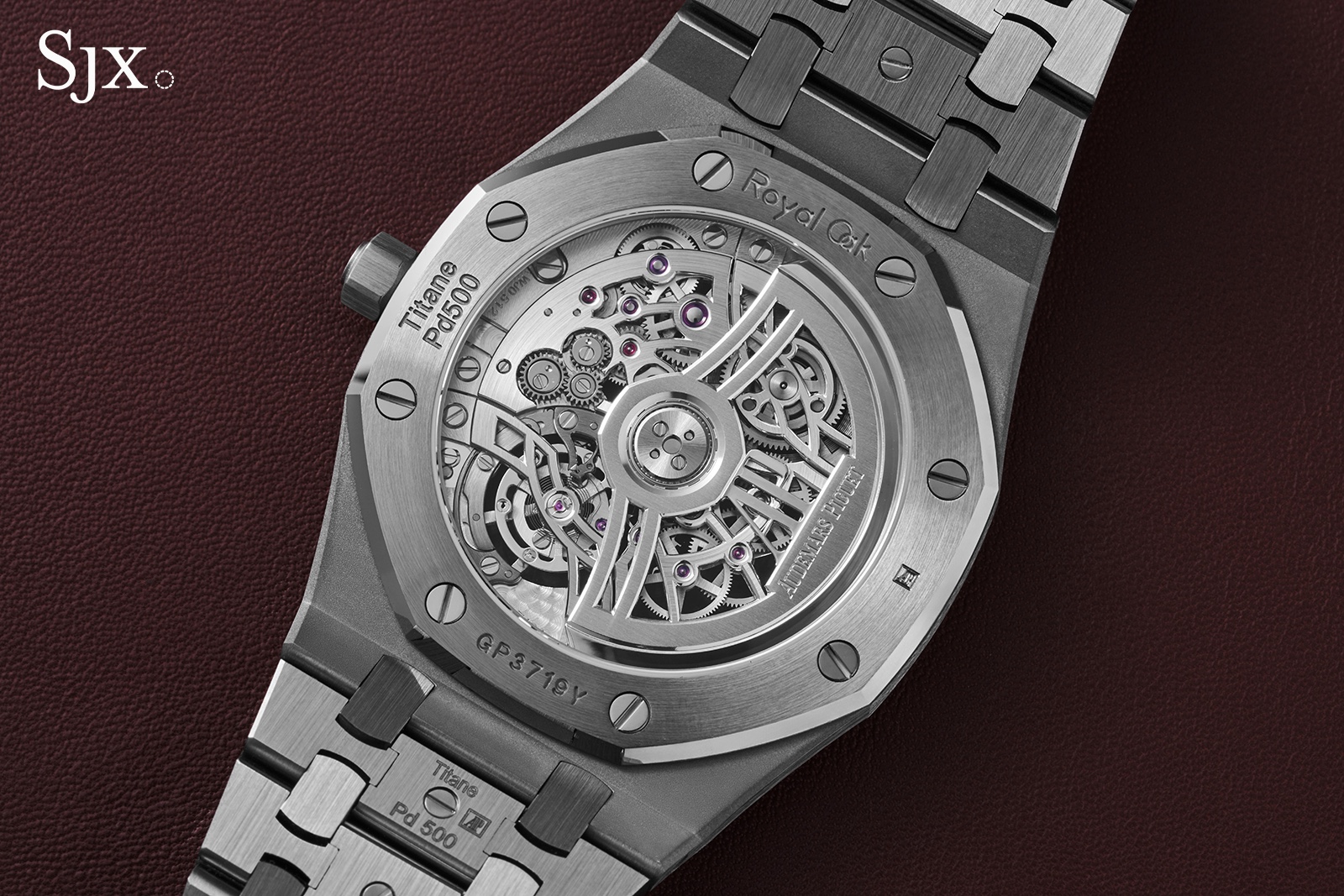
Today, many high-end makers choose to screw the crown tube directly into the case. While this represents a noticeably costlier approach because it involves cutting additional threading both inside the case bore and on the exterior of the tube itself, it offers significant long-term benefits. The primary advantage of this method is that it remains fully reversible. Should a watch suffer impact damage severe enough to snap off the crown and bend the tube, the expensive case body can still be successfully salvaged during a standard service procedure.
This refined construction is prominently featured across all modern Rolex Oyster cases, a protective practice that can actually be traced all the way back to later-generation vintage "Bubbleback" models.
Simple Crowns
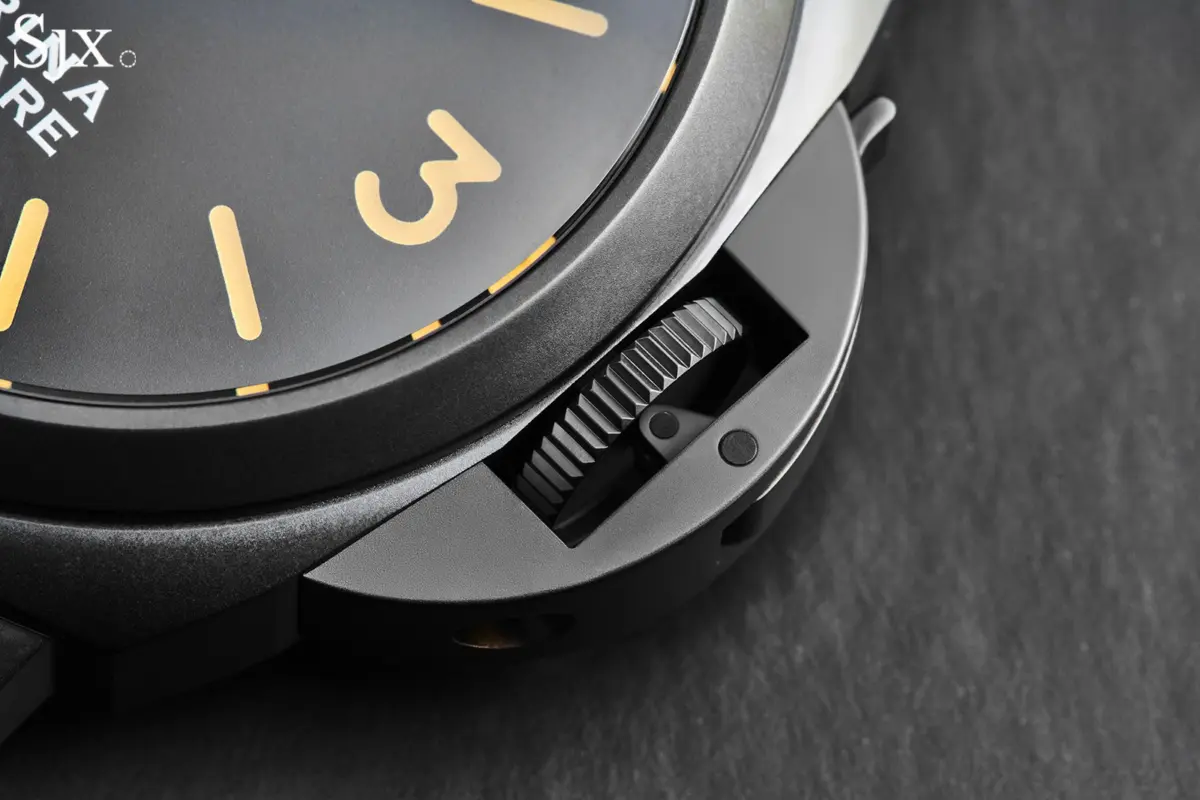
Basic push-crown constructions follow a remarkably consistent design blueprint across the industry. The crown head itself is centrally threaded to accommodate the winding stem, with the threading often lightly secured using a specialized thread-locking adhesive to prevent accidental disassembly during daily use.
The crown then features a precisely milled circular section designed to accept the crown tube when the crown is pushed completely flush against the case side. Finally, a larger circular channel is cut to house a flexible circular gasket, commonly referred to as an O-ring, which is permanently secured in place by a thin interior collar.
As the crown head slides smoothly over the tube, the internal gasket is compressed, causing its original circular cross-section to flatten slightly and assume an elliptical profile. In this mechanical arrangement, the tension exerted on the gasket remains relatively constant regardless of the longitudinal position of the crown. If the crown tube is engineered to be sufficiently long, the protective seal will hold just as effectively when the crown is pulled out to the second time-setting position.
By that same token, if the tube is shorter than the total distance of the stem’s travel, the critical seal may be temporarily broken when the crown is pulled out to the second and third positions, leaving the interior movement temporarily vulnerable if exposed to moisture.
Simple push-in crowns are capable of easily achieving water resistance ratings ranging from 30 to 50 meters, but they will eventually reach their limits under significantly increased water pressure. Every additional 10 meters of depth underwater equates to roughly one atmosphere of hydrostatic pressure. Beyond a certain threshold, weakly compressed gaskets can be physically forced open by the incoming water pressure, allowing moisture to seep past the barrier.
If the watch in question happens to be a manual-wind timepiece, there is also the secondary concern of the gasket wearing down over time due to constant friction during the winding process. Fortunately, modern gaskets are predominantly manufactured from NBR elastomer, a specialized synthetic rubber renowned for its exceptional tear and abrasion resistance. Over extended periods of use, however, microscopic tears can eventually develop, causing the overall integrity of the seal to degrade.
This exact vulnerability is the primary reason why watch gaskets are routinely replaced during manufacturer-recommended service intervals.

Chronograph pushers often employ a similar philosophy, utilizing a pair of O-rings positioned around the operating shaft, much like the internal seal found in a conventional watch crown. These seals can successfully maintain a watertight barrier while the pusher remains completely stationary, but operating the chronograph underwater may allow moisture to infiltrate as the moving shaft slides through the compromised seals. To counteract this, many sporty designs incorporate screw-down collars that act as mechanical safeguards, securely locking the pushers in place to prevent accidental underwater actuation.
Screw-Down Crowns
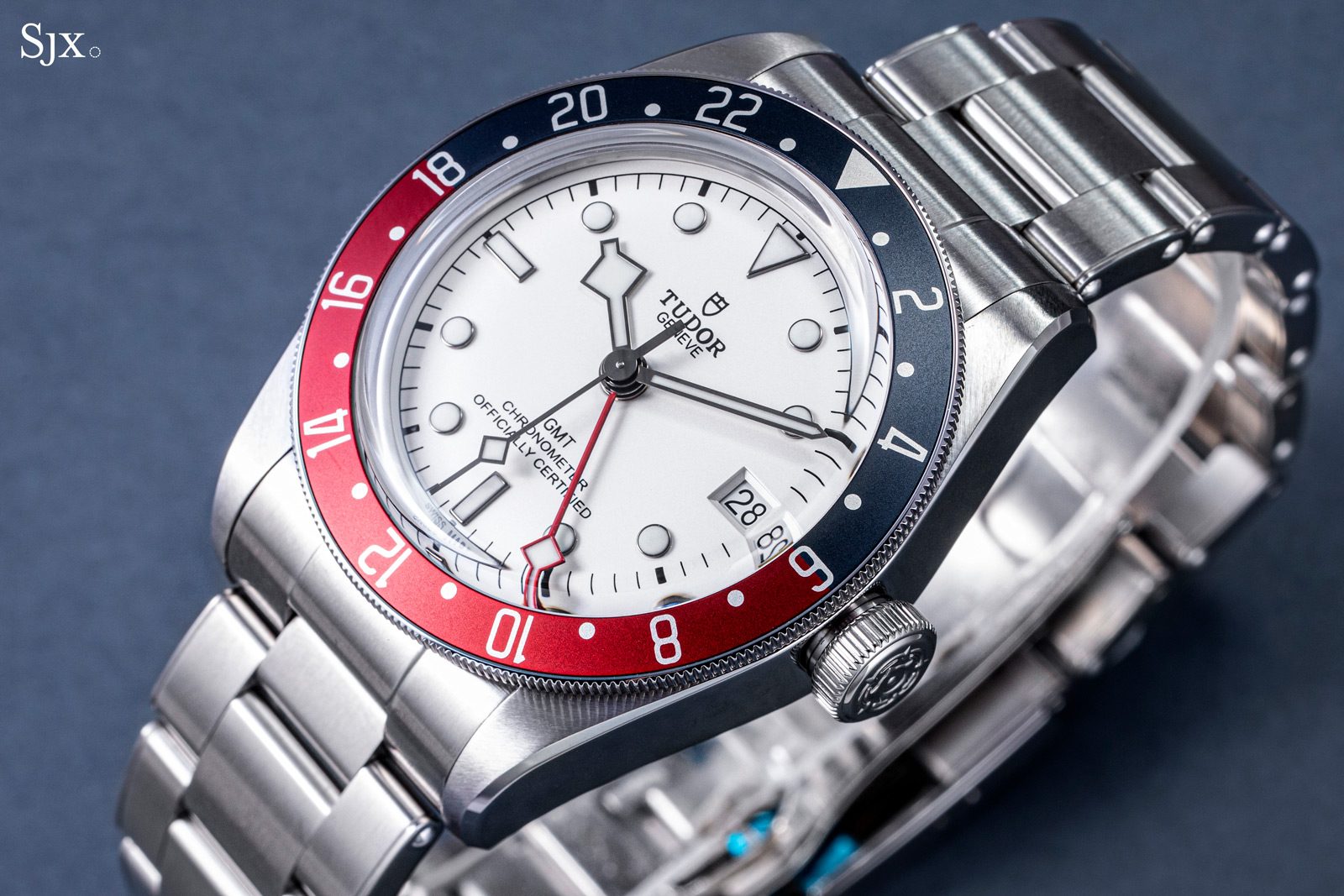
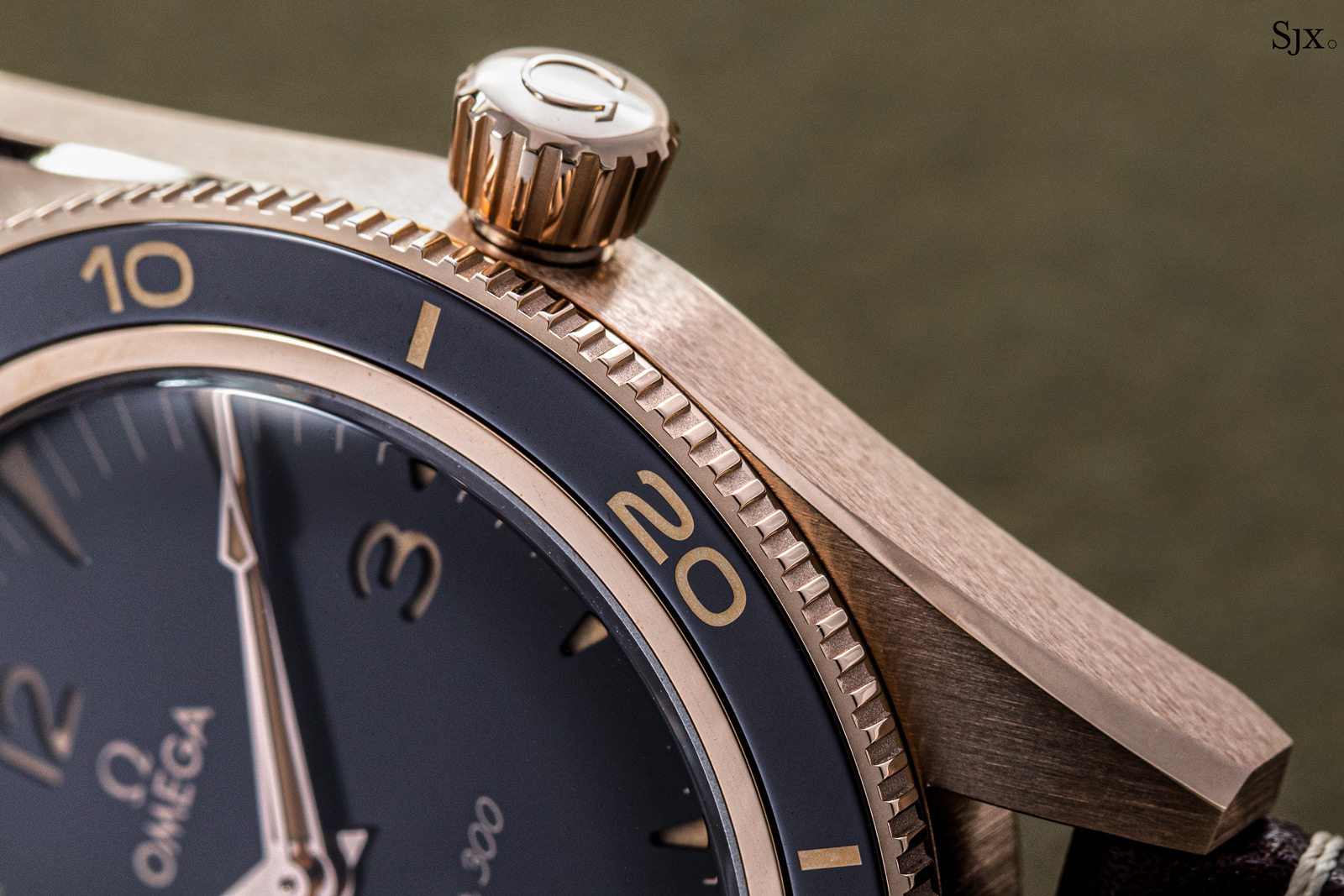
A typical screw-down crown design incorporates a larger flat or rounded gasket that is forcefully squeezed between the flat bottom of the rotating crown head and the exposed end of the crown tube, behaving in a manner very similar to an airtight bottle cap. The fine threading of the crown ensures that this seal is kept under intense, constant pressure, even when the watch is subjected to substantial external forces. Additional gaskets are frequently incorporated along the winding stem or inside the tube to ensure an added layer of security for moments when the crown is unscrewed for setting operations.
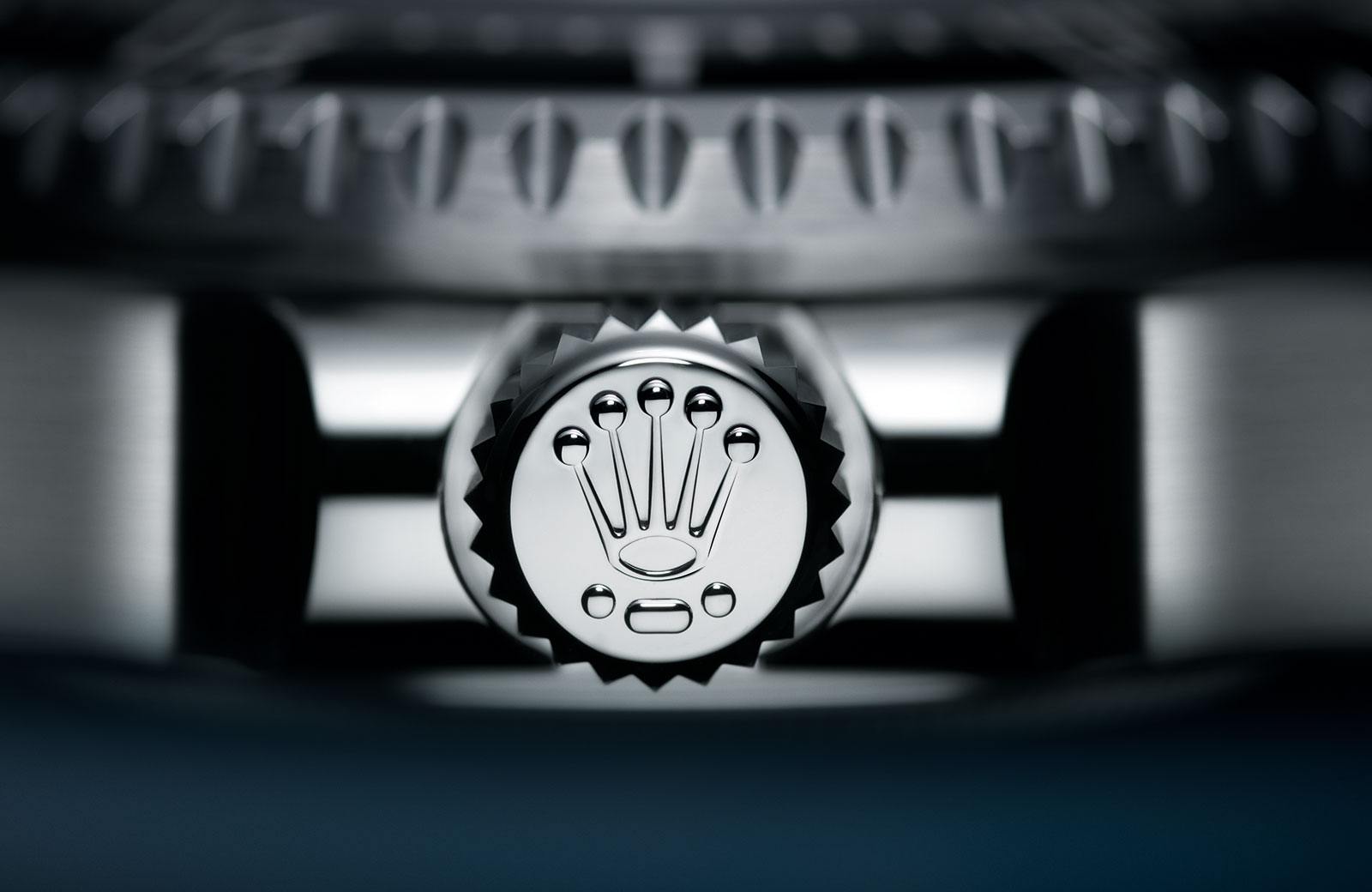
Among the most technically efficient screw-down crown systems available on the market is the proprietary architecture developed by Rolex, widely recognized by collectors under the iconic names Twinlock and Triplock. The Twinlock system is typically found on standard Oyster cases and easily achieves a guaranteed water resistance rating of 100 meters.

True to its designation, this design incorporates two distinct sealing zones: one primary gasket that is heavily compressed when the crown is fully screwed down, and a second interior gasket positioned inside the tube right at the opening to help maintain security when the crown is unscrewed to adjust the time.
The more robust Triplock system is deployed on models that demand extreme water resistance capabilities and features three distinct, independent sealing zones. These include the primary compressive seal at the base of the crown, a pair of stacked internal gaskets housed within the tube, and an additional O-ring seated visibly on the exterior just outside the crown tube.
This final external gasket is slightly compressed beneath an overlapping lip when the crown is screwed home, but it becomes fully visible to the naked eye whenever the crown is unscrewed. This added layer of protection also serves as a discreet visual warning to the wearer that the crown has not been completely secured against the case.
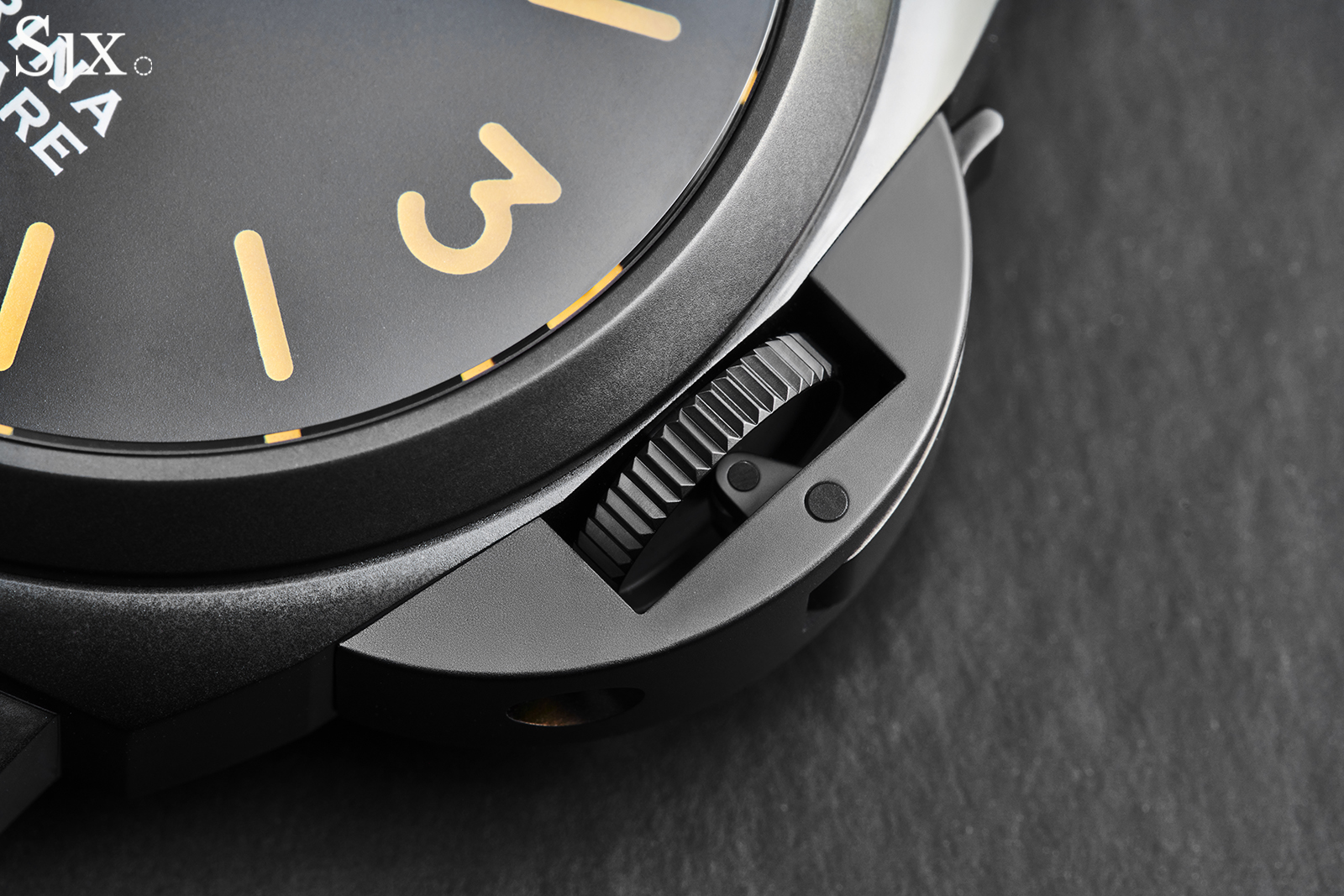
Conclusions
Ultimately, the technical distinction between simple push crowns and screw-down crowns is less about which design is definitively "waterproof" and more about engineering margins. A standard push crown passively compresses its internal gasket evenly enough to comfortably survive casual splashes, rain, and shallow submersion, but it will inevitably fail under sustained hydrostatic pressure because it lacks a mechanical locking mechanism.
Conversely, a screw-down crown actively compresses its sealing gasket, a rigorous necessity whenever true water pressure is involved. Yet, outside of professional diving environments and specialized laboratory pressure tests, the average luxury watch will virtually never experience external water pressure high enough to force its way past a well-maintained basic O-ring setup.
While a screw-down crown undeniably feels more mechanically precise and reassuring—compelling attributes for an expensive timepiece—a simple push crown remains more than sufficient for the practical, everyday needs of most watch wearers.