






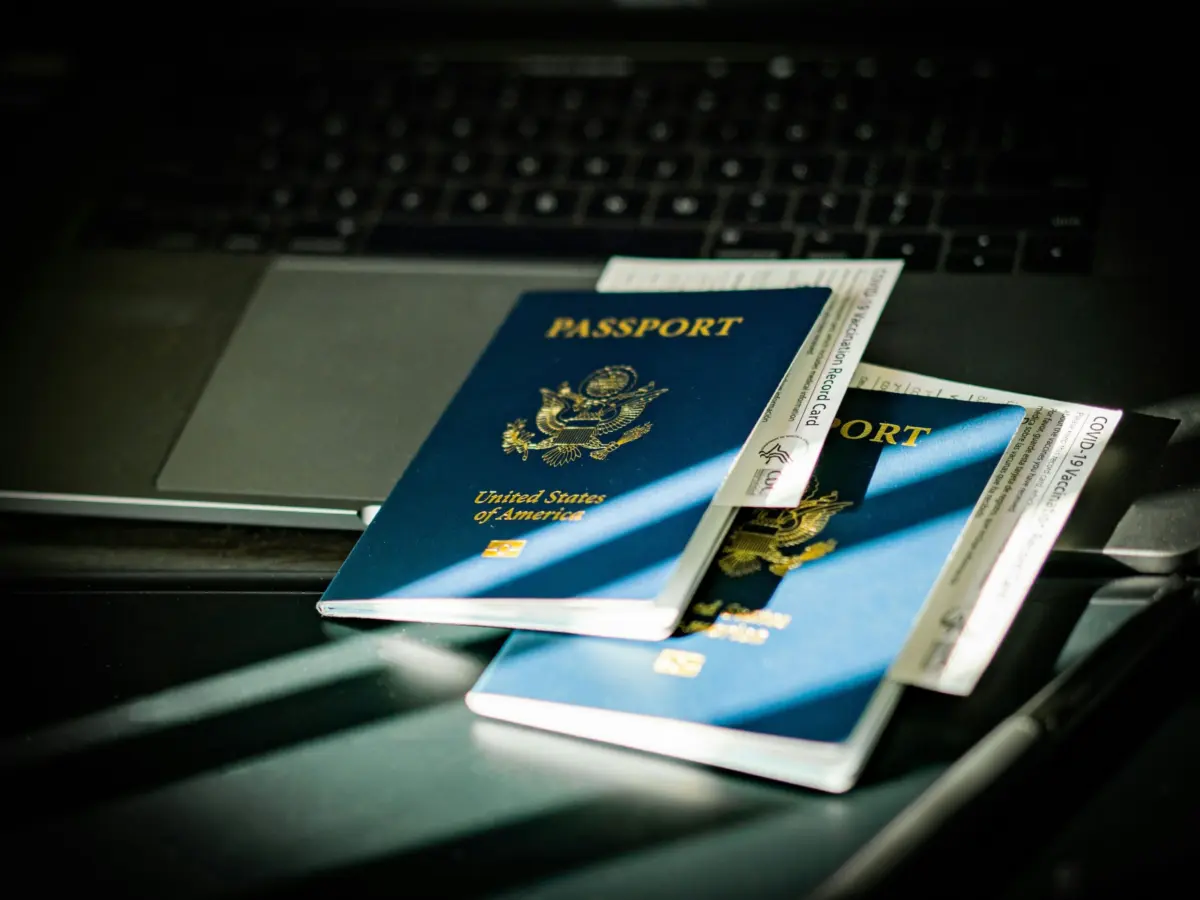
Getting a United States passport will soon no longer require a trip to a local drugstore or post office for a fluorescent-lit headshot, printed forms, and lengthy in-person appointments. Federal authorities have announced a sweeping modernization of the passport system that will transition first-time applications entirely online and introduce a completely redesigned passport book featuring advanced security motifs and a unified page count.
Starting in 2027, Americans will be able to apply for their first passport through a newly launched federal portal designed to consolidate government information, official forms, and citizen services into a single digital location. Secretary of State Marco Rubio announced the forthcoming changes, summarizing the digitized application process by stripping away the traditional bureaucratic hurdles that travelers have faced for generations. The new system aims to eliminate the need for printed paperwork, drugstore passport photos, scheduling advance appointments, waiting in lines, and dealing with intermediaries.
The impending federal portal is expected to allow first-time passport applicants to complete every phase of the process remotely. This includes taking a passport-compliant photograph at home using a digital device, paying the required processing fees securely online, and tracking the application’s progress through to an estimated delivery date.
The modernization effort extends far beyond the application process. Beginning in 2028, the Department of State plans to roll out a newly redesigned passport book. The updated physical document will feature a larger and more prominent Great Seal on the cover, an intricate eagle motif designed to create a visual animation effect as the pages are flipped, and a standardized 38-page format that will permanently replace the long-standing choices of 26-page and 50-page books.
Taken together, these upcoming changes represent a fundamental shift in how millions of Americans will obtain travel documents and what those documents will look like when traveling abroad.
First-Time Passport Applications Move to the Digital Space
While the State Department has permitted eligible adult citizens to renew their existing passports online since September 2024, first-time applicants have remained bound to a much more traditional and rigid process. Historically, individuals seeking their first passport have been required to complete Form DS-11 and present themselves in person at an authorized passport acceptance facility, such as a designated post office, public library, or municipal clerk of court, alongside proof of identity and citizenship.

The broader federal portal initiative seeks to migrate much of that cumbersome workflow into the digital sphere. Officials demonstrated a streamlined application flow that begins with Login.gov authentication and guides users step-by-step through the application process within a unified interface. Applicants will be able to fill out the required data fields, submit a digital photograph, execute fee payments, and monitor the passport as it moves through manufacturing and fulfillment.
One of the most visible changes for prospective travelers will involve the photograph submission. Rather than visiting an external photo service, applicants will be permitted to capture their own image using a smartphone or upload an existing digital photograph, provided it meets strict technical specifications.
These specifications remain rigorous. Standard passport photo requirements regarding neutral facial expressions, plain white or off-white backgrounds, appropriate lighting, and correct head positioning will still apply. Furthermore, digitally altered or heavily filtered photographs will be rejected by the system. During a public demonstration of the portal, officials noted that applicants will have the flexibility to retake their photos multiple times until they are satisfied with the result before final submission.
The modernized platform is also designed to provide greater transparency regarding processing timelines. Officials indicated that applicants will receive an estimated delivery date upon submission, supported by a user dashboard that displays real-time status updates and shipping forecasts.
The rollout of these digital capabilities will be implemented in phases. The stated objective is to ensure that the vast majority of Americans can apply online for standard passport books or passport cards by the end of 2027. This phased approach implies that certain specialized application categories or specific applicant demographics may not be eligible immediately upon launch, and the State Department has not yet finalized all qualifying criteria or determined whether select first-time applicants will still be mandated to verify their identity in-person under specific circumstances.
Travelers looking for immediate digital solutions should note that while the portal is operational as a central search and information hub, its fully transactional features—including first-time passport applications, direct form completion, and advanced tracking tools—are scheduled to be integrated progressively throughout 2027.

A Comprehensive Redesign of the Physical Passport Book
Once the digital application framework is fully established, the physical passport document will undergo its own aesthetic and structural transformation. The State Department anticipates issuing the redesigned passport series beginning in 2028, updating both the exterior cover design and the interior visa and stamp pages.
The traditional blue cover will remain the standard, but the Great Seal will be enlarged and repositioned with the country name displayed more prominently above it. Inside the document, the security graphics will incorporate an integrated eagle motif that shifts subtly from page to page. When the passport pages are flipped rapidly, the design produces a kinetic visual effect resembling a flying bird.
For frequent international travelers, the redesign brings a notable structural modification. The State Department currently issues standard passport books in two distinct lengths: a smaller 26-page version and a larger 50-page version. The upcoming redesign will eliminate both options in favor of a single, unified 38-page book.
According to government data, roughly 92 percent of applicants currently request the 26-page passport book. For the vast majority of travelers, the new single-sized format will provide an additional dozen pages of space for stamps and visas. However, frequent flyers who routinely selected the 50-page book will no longer have that choice available. Those heavy travelers may find their passports filling up more rapidly, potentially necessitating more frequent renewals if visa requirements consume the available pages before the standard ten-year expiration date arrives.
Because the redesign will be introduced gradually as existing passport inventory is depleted, travelers can expect to see both old and new passport versions circulating concurrently for several years. Citizens holding a currently valid passport will not be required to replace their document prematurely simply due to the aesthetic update.
Current Procedures and What Travelers Should Know Now
For the immediate future, the process for obtaining or renewing a United States passport remains unchanged. Individuals needing a first-time passport must continue utilizing the established in-person application channels at authorized acceptance facilities until the State Department officially activates online submission capabilities for new applicants. Meanwhile, eligible adult citizens requiring standard renewals can continue utilizing existing digital renewal pathways.

Travelers planning upcoming international journeys are advised not to delay their travel plans or postpone applications while awaiting the launch of the new portal or the redesigned book. Both initiatives remain months away from full implementation, and current passports will continue to be fully accepted for international travel through their printed expiration dates.
The initial rollout of transactional passport tools via the federal portal is projected for 2027, followed by the debut of the redesigned passport book in 2028. Until these systems are fully realized, federal agencies continue to emphasize standard travel advice: verify passport validity and expiration dates well in advance of booking international travel or preparing for airport departures.
Currently, the federal portal functions primarily as an advanced government search engine, allowing citizens to input inquiries regarding federal services such as passports, Social Security, Medicare, or address changes to retrieve direct answers sourced from official government databases. Powered by advanced artificial intelligence systems intended to minimize the need for citizens to navigate multiple disparate agency websites, the portal is scheduled to expand its operational scope to handle direct transactions—beginning with passport renewals and Medicare enrollment—as the multi-year modernization initiative continues to unfold.